Loving Someone Who Communicates Differently: 8 Books About Understanding
Your child wants to say hello. Their cousin needs extra time to answer, or their friend shares a thought with a tablet. You want to help that connection grow. These children’s books about understanding offer a warm place to begin when someone you love communicates differently.
Perhaps your child asks an honest question in the middle of a family visit. Perhaps they mistake a pause for disinterest. You do not need a perfect speech ready for either moment. A story can give you both a little room to notice more.
Understanding begins with curiosity about a person’s meaning. That might involve spoken words, signing, pictures, a communication device, or time to finish a thought. The relationship matters throughout: shared laughter, familiar games, and the ordinary pleasure of being together.
These eight books explore different experiences, so no single character speaks for everyone. Read with your child, follow their questions, and keep making room for the people they meet.
Children’s Books About Understanding Different Ways to Communicate
I Talk Like a River — Jordan Scott
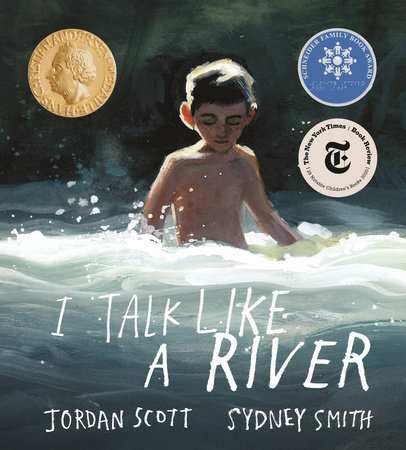
You can love someone deeply and still miss how much effort a conversation takes. Jordan Scott’s story, illustrated by Sydney Smith, brings you close to a boy whose words do not arrive as smoothly as he wants.
What kids notice: Your child may notice the gap between having something to say and being able to say it easily. That space deserves patience. You might pause over the pictures and let your child describe the feelings they see, with no rush to reach the next page.
Story snapshot: A boy who stutters feels alone after a difficult day. His father takes him to a river, where its moving water offers a different way to understand his speech. The story draws on Scott’s own experience.
Why this book helps: Among children’s books about understanding, this one makes a gentle starting point for talking about waiting. Ask how a friend could show they are still listening. Leave room for an answer, too; your own pause can carry the lesson beyond the book.
A Day with No Words — Tiffany Hammond
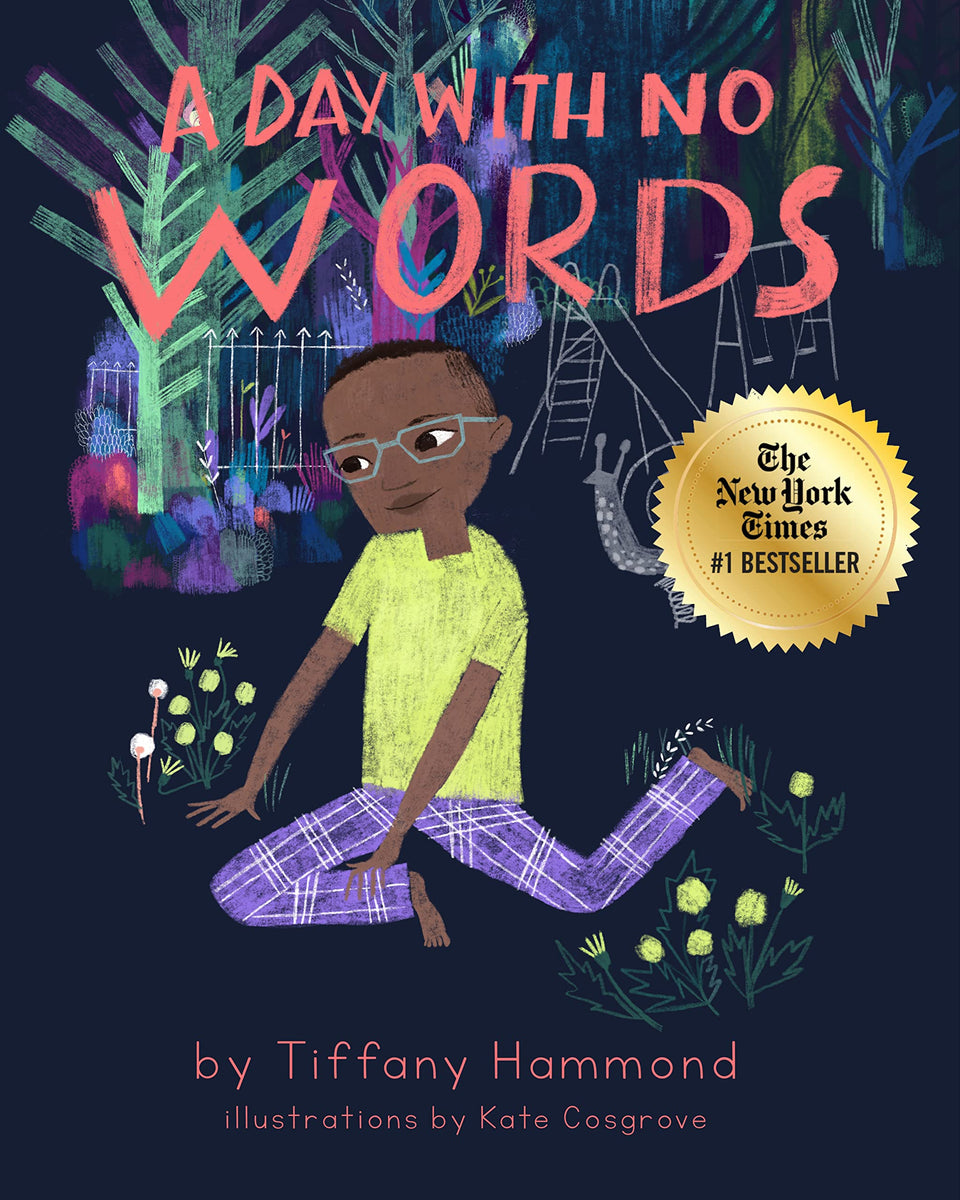
A tablet can carry a question, a choice, or a joyful yes. Tiffany Hammond’s book, illustrated by Kate Cosgrove, invites you into a mother and son’s day together. You meet their connection before you start discussing anyone’s assumptions. That order matters: this is a family with a life to enjoy, not a lesson waiting to be explained.
What kids notice: Aidan has things to communicate even though he does not use spoken words. Your child can look for moments when his message shapes what happens next. Notice the person making a choice, as well as the tool that helps him share it.
Story snapshot: Aidan and Mama communicate using tablets with picture buttons. They spend time together, including a visit to the park. Their day also brings them into contact with people who misunderstand what it means to communicate without speech.
Why this book helps: This is one of those children’s books about understanding that can change an everyday question. Instead of asking why someone does not talk, you can ask how to include them in the conversation. Try discussing what respectful waiting might look like when a message takes time.
Talking Is Not My Thing — Rose Robbins
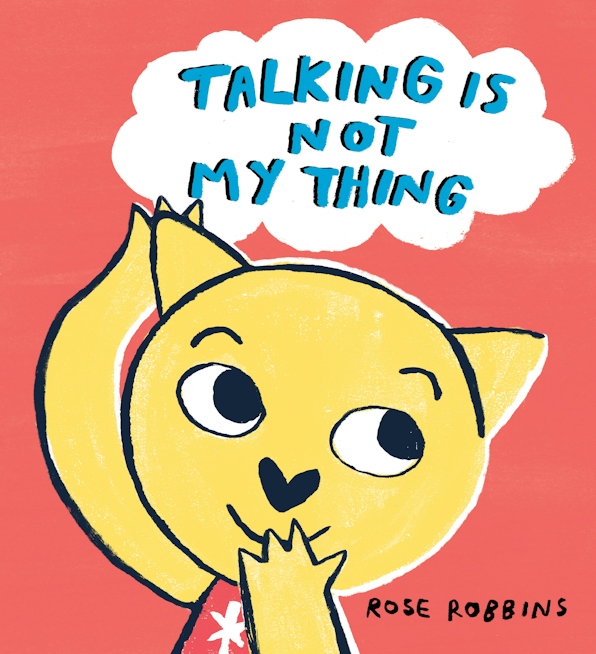
Sometimes a child’s inner world is much busier than the room realizes. Rose Robbins writes and illustrates a lively family story that makes that world visible. Thought bubbles let your child meet a nonspeaking autistic girl through her own perspective. There is humor here, alongside the familiar business of getting through a full and sometimes noisy day.
What kids notice: Not speaking does not mean having nothing to contribute. The girl has ideas, reactions, and jokes. Invite your child to notice how the pictures and thought bubbles help them follow her meaning. They can take their time finding the details that interest them.
Story snapshot: The girl plays games, eats spaghetti, and searches for a missing stuffed animal. Her brother and Grandma are part of her everyday world. Although noise can feel overwhelming, the story also leaves plenty of space for fun and family connection.
Why this book helps: If you want children’s books about understanding that feel close to home, begin here. You might ask what makes a shared activity enjoyable for both siblings. Then think together about a small change that could make your next family game more welcoming to everyone taking part.
My Brother Otto — Meg Raby
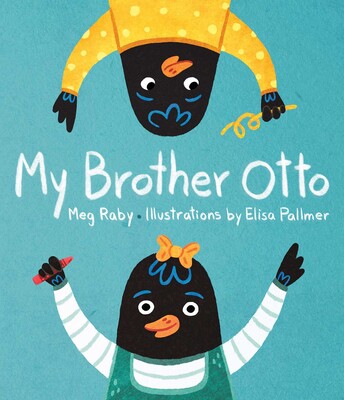
Loving a sibling often means learning a wonderfully specific person. Meg Raby’s story, illustrated by Elisa Pallmer, lets Piper introduce her little brother Otto. These crow siblings share ordinary adventures, with differences woven into their relationship. You can follow their affection while giving your child room to wonder about the things each sibling enjoys.
What kids notice: Otto’s way of taking part may differ from Piper’s, but his wish for play and connection belongs in the picture. Your child can notice shared interests alongside different preferences. That is a useful habit when someone’s way of joining in is unfamiliar.
Story snapshot: Piper describes everyday life with Otto, who is autistic and does not use spoken language. They play and take part in familiar outings. The story presents his differences within a sibling relationship marked by love, acceptance, and a desire for adventure.
Why this book helps: Use this book to open a conversation about knowing someone beyond a label. Ask what your child would want a new friend to know about them. Then consider how they could learn another child’s favorite activities without expecting that child to answer in one particular way.
The Sound of All Things — Myron Uhlberg

How would you describe the ocean to someone who wants to know its sound? Myron Uhlberg’s story, illustrated by Ted Papoulas, makes that question part of a family outing. It is a thoughtful choice for a child who enjoys lingering over detailed pictures. You can explore the pleasure of sharing an experience, even when finding the right words takes work.
What kids notice: The father is curious, and his son wants to help him understand. Neither has to experience the day in exactly the same way for it to matter. Your child might notice how much there is to share through sight, movement, and careful description.
Story snapshot: A hearing boy visits Coney Island with his deaf parents in 1930s Brooklyn. His father asks about the sounds around them. The boy struggles to describe their differences, then finds new possibilities for language when the family visits a library.
Why this book helps: This adds a family perspective to children’s books about understanding. After reading, describe something you both know, such as rain against a window. Compare the details you each choose. The aim is curiosity, rather than a perfect description or a test of anyone’s abilities.
Can Bears Ski? — Raymond Antrobus
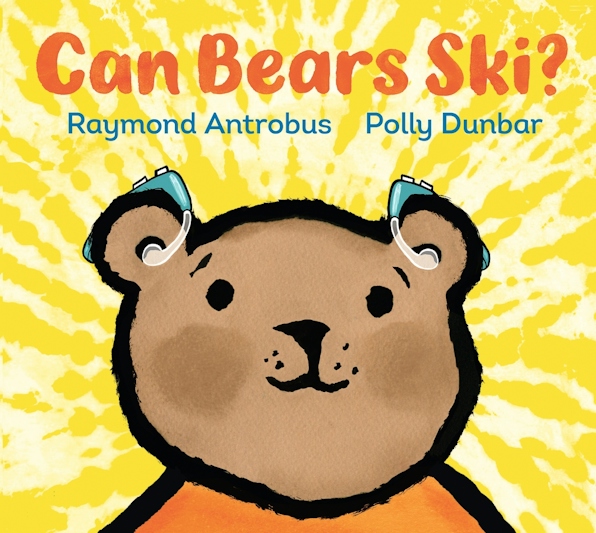
An unanswered greeting can look different once you understand what happened. Raymond Antrobus and illustrator Polly Dunbar tell Little Bear’s story with warmth and a memorable misunderstanding. You and your child can follow his experience without needing to turn him into a guessing game. His viewpoint stays at the center, including the adjustments that come after he gets support.
What kids notice: Little Bear feels rumbling and shaking, while some spoken messages are unclear. Your child may recognize how easily other people could misread his response. Pause before explaining the title and see what your child notices about the repeated question.
Story snapshot: Little Bear keeps hearing what sounds like a question about skiing. Dad Bear takes him to an audiologist, and he begins using hearing aids. He learns that people have been asking whether he can hear them. His louder world still takes getting used to.
Why this book helps: When choosing children’s books about understanding, this offers a concrete way to discuss assumptions. Ask what a child might check before deciding someone is ignoring them. Keep the conversation connected to kindness and access; Little Bear deserves company throughout his adjustment, not only when communication becomes easier.
Boy — Phil Cummings
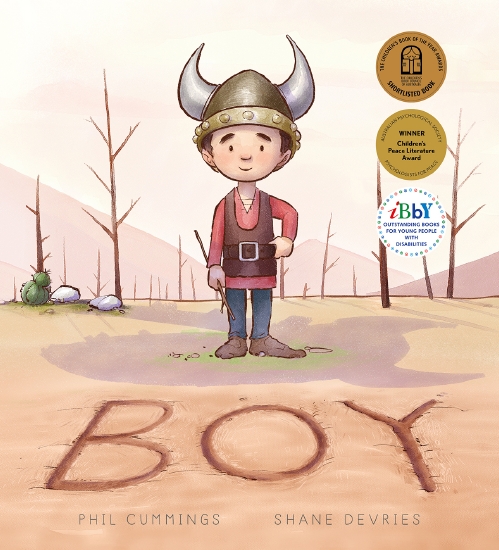
A dragon and a king can fill a whole kingdom with noise. Phil Cummings’s tale, illustrated by Shane Devries, gives your child a different person to follow through the commotion. Boy is deaf and communicates through signing and pictures. The fantasy setting offers a little breathing room for a conversation about whose meaning gets noticed in a busy world.
What kids notice: Boy has a way to communicate before the other characters understand it. His parents understand his signing; others need to pay attention to his pictures. Your child can consider the effort listeners might make, rather than placing every responsibility on the person sharing a message.
Story snapshot: The king and dragon are caught in a conflict that frightens the people around them. Boy enters the middle of their fight. His question prompts them to reconsider the argument and see a happier possibility beyond it.
Why this book helps: Ask what changes when the characters finally attend to Boy’s meaning. Then bring the idea closer to home: how could your family make room for someone during an excited conversation? You can value his contribution without suggesting that a deaf child must do something extraordinary to deserve attention.
Moses Goes to a Concert — Isaac Millman

A concert belongs to the people enjoying it in many different ways. Isaac Millman writes and illustrates a school outing that pairs a story with American Sign Language. You can explore it slowly with your child, noticing the conversation as well as the music. Moses and his friends arrive as children with interests, companionship, and plenty to share.
What kids notice: Signing is part of a conversation, with facial expressions and movement carrying meaning. Your child can also notice the thoughtful planning that makes the outing enjoyable. Ask which details help the children participate, rather than treating their participation as a surprise.
Story snapshot: Moses and his deaf classmates attend a concert with their teacher, Mr. Samuels. Balloons help them feel musical vibrations. They also meet a deaf percussionist. The book includes illustrated signs, conversations in ASL, and a hand alphabet.
Why this book helps: This gives your collection of children’s books about understanding a joyful finish. Talk about how an invitation becomes more useful when people can take part comfortably. If the signs spark your child’s interest, welcome further learning while remembering that one picture book is a beginning, not fluency in a language.
Put Your Child in the Heart of the Story
After reading, your child may begin imagining what they could do in a similar moment. They could keep a game open while a friend chooses a turn. They could wait for a cousin’s answer or ask how someone would like to join in. Small, specific choices make understanding feel possible.
A personalized story can bring that reflection a little closer. With Scrively, your child can see themselves at the heart of a story. Let that imaginative space lead into a gentle conversation about the kind of companion they want to be.
You can continue the story together afterward. Imagine a picnic where each character has a way to choose an activity. Let your child suggest how the group might share ideas, then wonder aloud about someone whose preference has not yet been included.
Keep Making Room for Connection
You may not understand every message the first time. Your child may not, either. What matters next is how you respond: with patience, a respectful question, and another chance to connect.
The best moments after reading are often small. Your child waits a little longer. They invite someone into a game. They realize a quiet pause does not end a friendship. Keep those moments close as you explore children’s books about understanding together. Love grows through attention, and attention is something your family can practice every day.