The Gentle Word: Picture Books That Teach the Power of Kindness
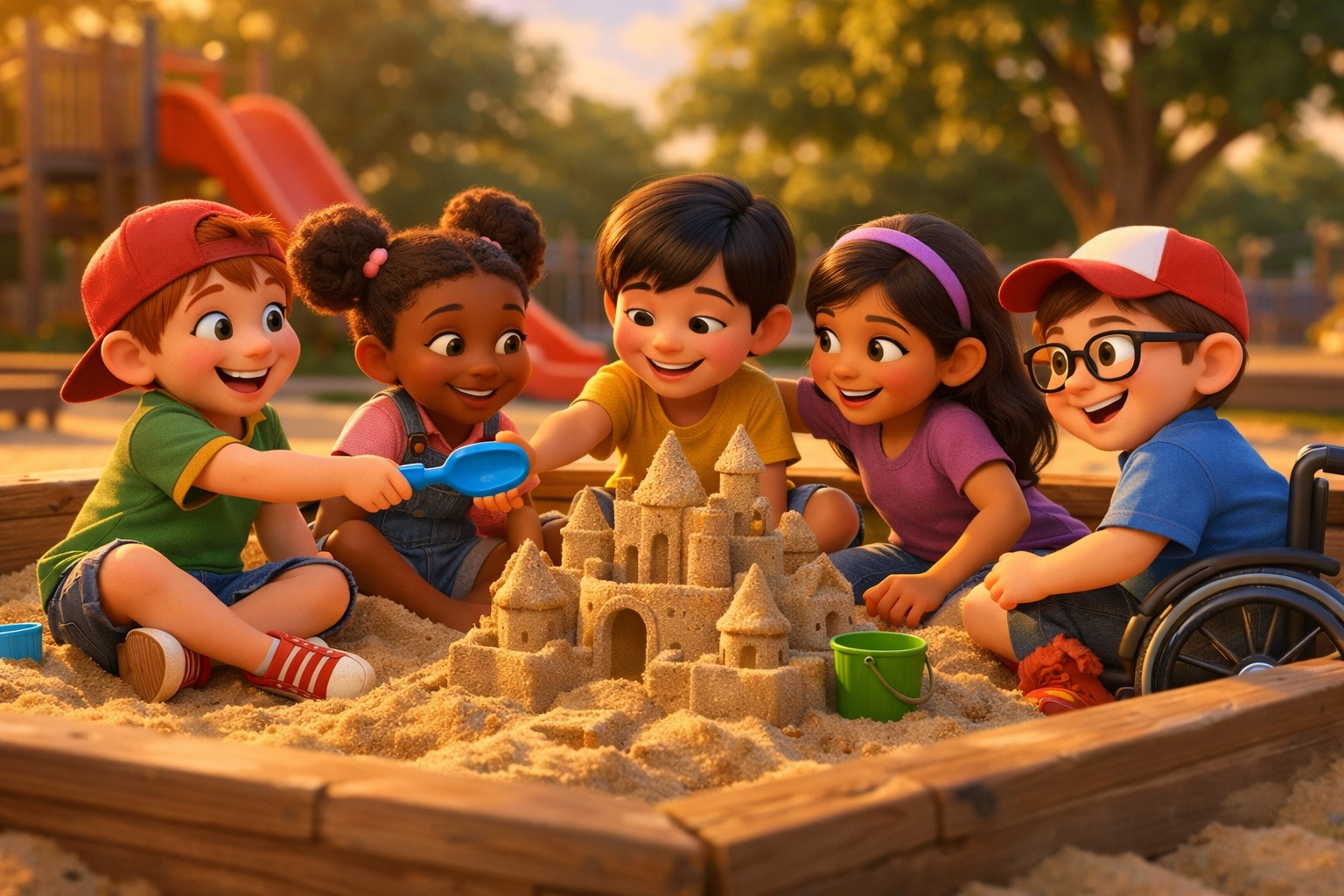
You watch them on the playground, standing quietly at the edge of the sandbox. You hold your breath when a sudden disagreement bubbles up over a brightly colored plastic shovel.
You wait to see what they will do. Most importantly, you wait to hear what they will say.
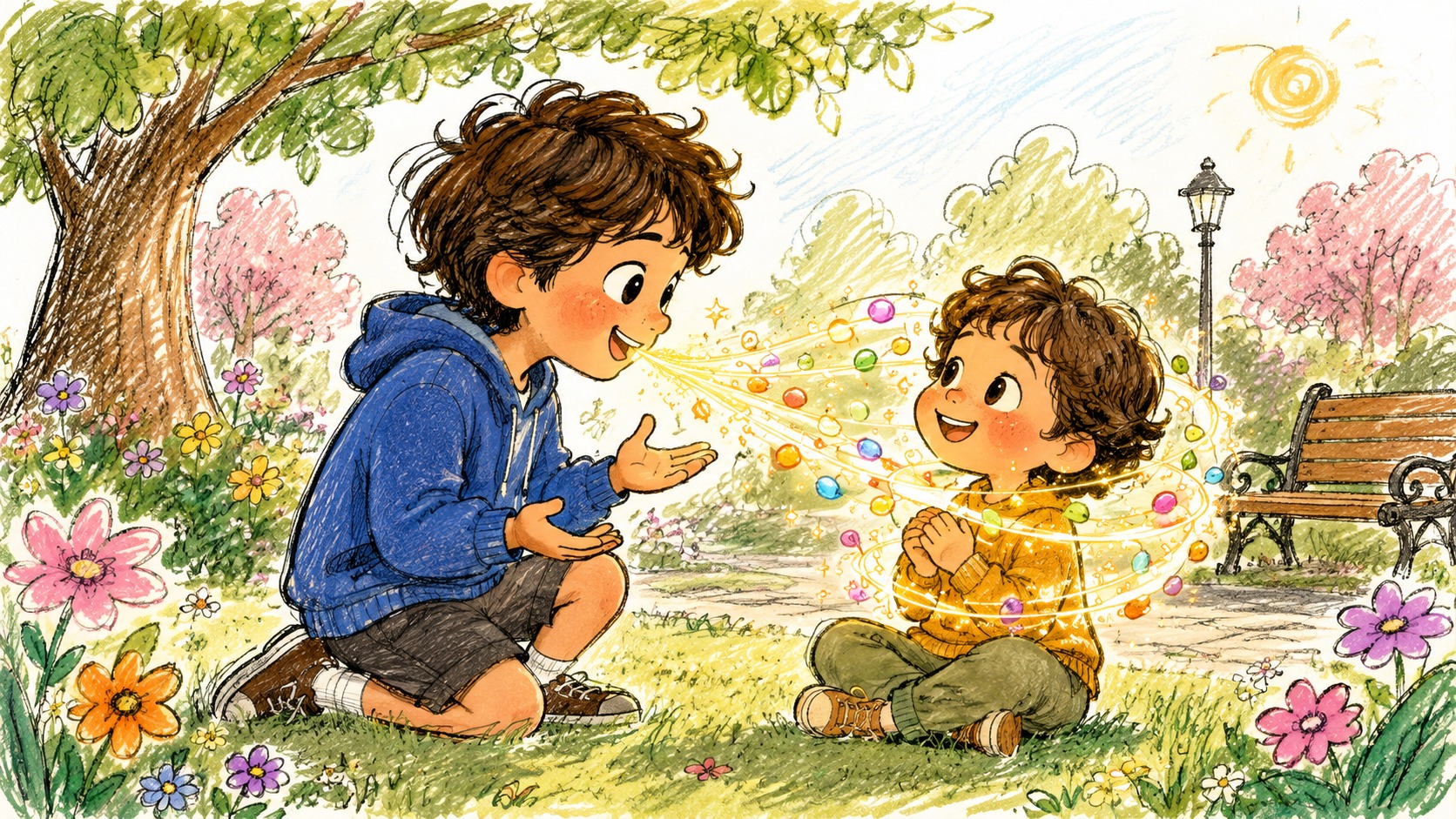
Words are completely invisible, yet they carry an undeniable, heavy weight. They can build a sturdy bridge between two frustrated toddlers in an instant.
Consequently, they can also tear down a fragile moment of connection just as quickly.
Teaching children the virtue of kindness is not just about forcing them to share their snacks. It is about helping them understand the profound, lasting impact of a gentle word.
It takes time for a child to realize that their voice is a powerful tool. When they are tired, hungry, or overwhelmed, their words can often come out sharp and jagged.
That is completely normal. However, our job as parents is not to demand flawless perfection from them. Instead, it is to gently guide them back to the realization that their words always land somewhere.
Specifically, their words land directly on someone else’s heart.
Picture books provide the perfect, cozy safe space to explore this enormous concept.
Through the distance and safety of a story, children can clearly see the ripple effect of what we say to one another.
They can witness the sharp sting of a harsh comment and the warm, glowing relief of a kind one. Therefore, here are some beautifully crafted stories to help your child discover the absolute magic of the gentle word.
Words and Your Heart by Kate Jane Neal
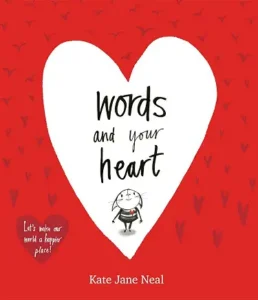
This book takes a beautifully literal approach to how our language affects our feelings.
It strips away complicated narratives and speaks directly to the reader about the connection between the mouth and the heart. The illustrations are simple, focusing entirely on the emotional journey.
It feels incredibly warm and universally true. You will find yourself nodding along as you read it out loud.
Furthermore, it gives you a shared vocabulary to use with your child the next time a sibling argument escalates.
What kids notice: Children immediately lock onto the visual representation of the heart.
They love seeing the little heart character react physically to different types of words, growing bright and happy or shrinking down in sadness.
Story snapshot: The book explains that your heart is a delicate thing.
It shows how words can be like little arrows that poke and hurt, or like magical seeds that make someone feel completely loved and seen. It ends with an empowering call to action to use words to look after each other’s hearts.
Why this book helps: This story provides an essential, concrete visual for an entirely abstract concept.
Children often struggle to understand emotional pain because they cannot see a physical scrape or a bruise.
By showing the heart as a living, reacting character, this book perfectly translates the invisible weight of language into something a young child can fully grasp.
Most importantly, it empowers them to realize that they have the superpower to make someone else’s heart feel incredibly good just by choosing a gentle word.
Chrysanthemum by Kevin Henkes
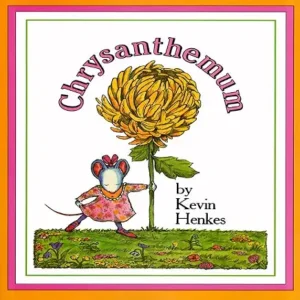
Kevin Henkes is a master at capturing the delicate, deeply felt emotions of early childhood. This classic story explores the overwhelming joy of loving yourself, followed by the sudden, crushing weight of peer judgment. It is a gentle but incredibly poignant read.
The pacing is wonderfully rhythmic, making it a staple for read-aloud time. It reminds us all how quickly a bright spirit can dim when met with unnecessary cruelty.
What kids notice: Kids notice how Chrysanthemum physically wilts. They see her posture change, her smile disappear, and her vibrant energy fade away as the other children tease her about her long, floral name.
Story snapshot: Chrysanthemum loves her beautiful, unique name until she starts school. There, a group of girls ruthlessly mock her for being named after a flower.
She comes home miserable every day until a completely fabulous music teacher, who also has a floral name, steps in with a kind, validating word that changes everything.
Why this book helps: This narrative brilliantly highlights the stark contrast between hurtful language and healing language. It allows parents to pause and ask their child how they think Chrysanthemum feels when the girls laugh at her.
Furthermore, it vividly demonstrates the rescue power of a single kind word. When the music teacher compliments Chrysanthemum, the healing is instantaneous.
It teaches children that while words can definitely cause deep pain, a gentle, supportive word has the miraculous ability to restore someone’s confidence and completely turn their day around.
Each Kindness by Jacqueline Woodson
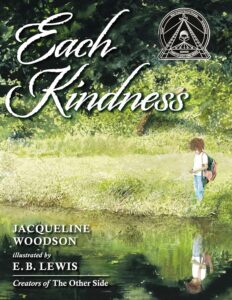
This is a profoundly moving book that does not wrap up with a neat, happy bow.
It is quiet, beautifully illustrated, and deeply reflective. It asks the reader to sit with the uncomfortable reality of a missed opportunity.
It is a brave book for a parent to read with a child. However, the conversations it sparks are incredibly rich and absolutely necessary for developing true, deep empathy.
What kids notice: Children are often struck by the ending. They notice that the main character never gets a chance to apologize or make things right, which feels very different from most typical children’s stories.
Story snapshot: A new girl named Maya arrives at school wearing ragged clothes.
Chloe and her friends repeatedly reject Maya’s attempts to play and speak unkindly about her.
One day, the teacher gives a lesson on kindness, dropping a stone into water to show how kind acts ripple outward. Chloe resolves to be kind to Maya, but Maya never returns to school, leaving Chloe to forever regret her harsh words.
Why this book helps: It introduces the sobering concept of finality in our social interactions. Often, we teach children that they can just say “I’m sorry” and everything is instantly fixed.
This book challenges that notion. It gently but firmly shows that we do not always get a second chance to use a kind word.
Consequently, it deeply reinforces the urgency of choosing kindness right now, in the present moment, before the opportunity slips away forever. It is a powerful lesson in mindfulness and the lasting legacy of our daily choices.
The Invisible Boy by Trudy Ludwig
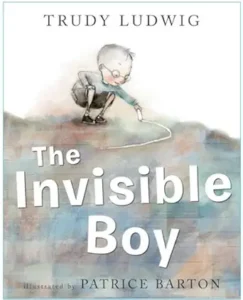
This story beautifully addresses the quiet, often overlooked children in a bustling classroom. It uses brilliant color techniques to show the emotional state of the main character. It is incredibly tender and deeply relatable.
You will find your heart aching for the little boy on the first few pages. Then, you will absolutely cheer for the simple act of kindness that brings him back into the light.
What kids notice: Kids are fascinated by the illustrative shift. They immediately point out that Brian is drawn in black and white, while the rest of the noisy, vibrant world is in full, bright color.
Story snapshot: Brian feels completely invisible at school. He is never included in games or invited to birthday parties.
When a new kid named Justin arrives, the other children laugh at Justin’s cultural lunch.
Brian bravely writes Justin a kind, welcoming note. That single gentle word sparks a friendship, and as Brian is finally seen and included, he slowly blooms into brilliant, full color.
Why this book helps: It provides a stunning visual representation of what it means to feel left out, making empathy highly accessible for young readers.
More importantly, it focuses on the profound power of micro-kindnesses. Brian does not make a grand, loud speech to save the day. He simply writes a small, gentle note.
This teaches children that you do not need to be the loudest or the boldest person in the room to make a massive difference. A single, quiet word of affirmation is enough to make an “invisible” child feel entirely seen and deeply valued.
Be Kind by Pat Zietlow Miller
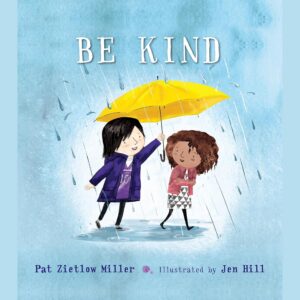
This book serves as a practical, everyday field guide to being a good human.
It takes the abstract instruction of “be kind” and breaks it down into tangible, highly actionable steps for young kids. The tone is encouraging and deeply thoughtful.
It perfectly captures the internal monologue of a child trying to figure out the right thing to do. It acknowledges that knowing what to say is not always easy.
What kids notice: Children connect with the everyday scenarios. They recognize the spilled juice, the dropped crayons, and the awkward moments of not knowing how to help a friend who is crying.
Story snapshot: When a young girl named Tanisha spills grape juice all over her new dress, everyone laughs except for the narrator.
The narrator desperately wants to be kind but isn’t sure how.
The book then explores all the different ways kindness can look in daily life, from using someone’s name, to saying bless you, to simply sitting quietly beside a friend who is having a tough day.
Why this book helps: It completely demystifies the virtue of kindness. Often, parents tell kids to “use kind words,” but children genuinely do not know which words to choose in a stressful moment.
This story offers a robust menu of options. It explores greeting people, offering compliments, and standing up for others.
Most importantly, it validates the awkwardness of trying to be kind and getting it wrong. It reassures children that the simple intention to offer a gentle word is a beautiful, powerful starting point for building a better world.
If You Plant a Seed by Kadir Nelson
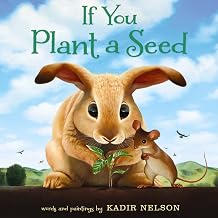
Kadir Nelson’s breathtaking oil paintings elevate this simple story into an absolute masterpiece.
It explores the concept of consequences, showing how our actions and words grow over time. It is visually stunning and emotionally grounding.
The text is incredibly sparse, leaving plenty of room for you and your child to discuss the rich, detailed expressions on the animals’ faces.
What kids notice: Kids are captivated by the intense, dramatic standoff between the animals. They notice the exact moment the expressions change from peaceful to greedy, and then eventually back to joyful.
Story snapshot: A rabbit and a mouse plant a garden and wait patiently for the vegetables to grow.
Just as they are ready to harvest, a flock of birds arrives, looking for a share. A moment of selfishness leads to a massive, messy fight that destroys the harvest.
However, when the mouse eventually decides to offer a single, kind tomato to the birds, it plants a “seed of kindness” that yields a massive, beautiful reward.
Why this book helps: While it uses actions more than spoken dialogue, it perfectly illustrates the concept of cause and effect in our relationships.
It teaches children that selfishness and harshness only lead to a ruined, bitter harvest for everyone involved.
Conversely, offering a gentle, generous gesture acts like a tiny seed that eventually grows into a massive, sweet community of friendship. It helps children understand that their momentary choices have long-term, growing consequences in their social circles.
Sticks and Stones by Beth Ferry
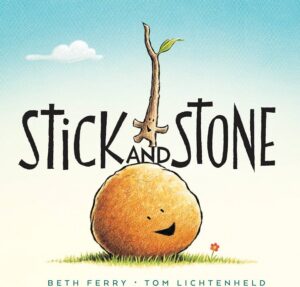
This clever, pun-filled book takes the old adage about “sticks and stones” and completely turns it on its head.
It is playful, rhythmic, and incredibly fun to read aloud.
The illustrations are bright and wonderfully charming.
It manages to tackle the heavy topic of bullying and name-calling while keeping the atmosphere light, engaging, and deeply hopeful.
What kids notice: Children love the literal interpretations of the characters. They giggle at Stick and Stone hanging out, and they immediately recognize Pinecone as the prickly, mean character causing trouble.
Story snapshot: Stick and Stone are lonely until they meet and become fast friends.
When a prickly Pinecone comes along and makes fun of Stone, Stick bravely steps in and uses a firm but gentle word to tell Pinecone to vanish.
Later, when Stick gets stuck in a puddle, Stone rolls in to save him, proving that their friendship is truly solid.
Why this book helps: It brilliantly demonstrates the virtue of using your words to defend someone else.
It can be incredibly scary for a child to stand up to a bully, even just with words. This story normalizes that brave intervention.
It shows that a single, boundary-setting word from a friend is enough to stop unkindness in its tracks. Furthermore, it reinforces that friendship is a two-way street; when you use your words to protect someone, you build a lasting, loyal bond that will protect you in return.
Say Something! by Peter H. Reynolds
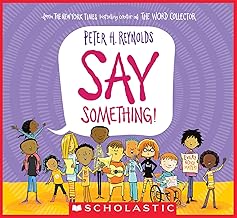
This book is an empowering, energetic anthem for using your voice.
It celebrates all the different ways a child can express themselves and positively impact the world. It is vibrant, uplifting, and highly motivational.
It removes the pressure of needing to be perfect, reminding kids that their voice matters even if it is quiet, even if it is a whisper, and even if it is just a simple painting.
What kids notice: Kids notice the variety of speech bubbles. They love seeing all the different, creative ways the characters choose to “say something,” whether through words, actions, or art.
Story snapshot: The book encourages the reader to speak up in various situations.
If you see an empty canvas, say something with your paintbrush. If you see someone being hurt, say something brave.
If you have a brilliant idea, say something confident. It shows that the world absolutely needs everyone’s unique voice to become a better, more beautiful place.
Why this book helps: It fundamentally shifts a child’s perspective from passive observation to active participation.
Many children withhold their kind or gentle words because they feel too small or fear they won’t be heard.
This book validates every single type of expression. It teaches kids that speaking up with a gentle word of encouragement, a firm word of justice, or a quiet word of comfort are all incredibly heroic acts. It leaves the child feeling deeply empowered to use their voice for good.
Put Your Child in the Heart of the Story
Books are incredible teachers, but the lessons hit entirely differently when your child sees themselves as the hero of the tale.
With Scrively, you can create 100% custom children’s books in a matter of minutes.
Imagine generating a beautiful, personalized story where your child is the one practicing the magic of a gentle word to solve a playground dispute. By placing them directly in the narrative, you can safely guide them through their biggest emotional hurdles.
Point, click, and create a customized book that speaks directly to your child’s unique emotional journey today!
You are doing the beautiful, messy work of raising a kind human being. Someday, you will be standing near the sandbox, and you will hear your child pause, take a breath, and choose the gentle word.
When that moment happens, you will know that all the reading, all the patience, and all the deep conversations were completely worth it.