How Stories Help Your Child Discover What Leadership Really Looks Like
You see it in quiet moments.
A child helping a friend tie their shoe. A small voice speaking up when something doesn’t feel fair.
Someone stepping forward to organize a game on the playground.
Leadership in childhood rarely looks loud or impressive. It often shows up in small acts of courage, empathy, and initiative that might pass unnoticed if you’re not paying attention.
When children learn what leadership truly means, they begin to understand that it’s not about being the boss. It’s about helping others. It’s about kindness, courage, and responsibility.
Children who grow into confident leaders are often the ones who learn early that their voice matters, their ideas have value, and their actions can make life better for the people around them.
Stories are one of the most powerful ways children begin to understand these ideas.
Through characters who face challenges, speak up, and show empathy, young readers start to see what leadership can look like in everyday life.
The books below offer children ages 5–8 gentle, meaningful examples of leadership rooted in courage, kindness, and initiative.
Malala’s Magic Pencil by Malala Yousafzai
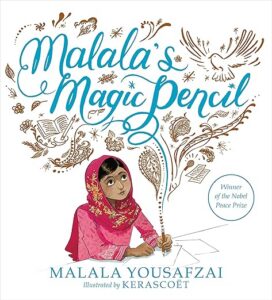
In this inspiring story, Malala shares a childhood wish many children recognize — the desire for a magic pencil that could fix problems in the world.
As the story unfolds, readers discover that Malala didn’t need magic at all. Her courage, voice, and determination allowed her to stand up for education and fairness even when it was difficult. The story introduces children to the idea that leadership often begins with speaking up about something that matters.
What kids notice in this story
Children see that even young people can change the world. They notice that bravery sometimes means using your voice when others stay quiet.
Stand Tall, Molly Lou Melon by Patty Lovell
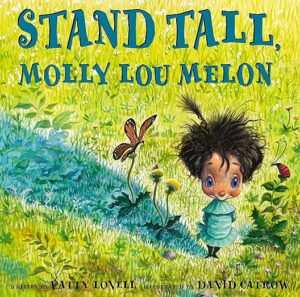
Molly Lou Melon may be small, buck-toothed, and different from her classmates, but she carries the encouragement of her grandmother everywhere she goes.
When a class bully tries to embarrass her, Molly Lou responds with confidence and creativity instead of shrinking away. Her self-assurance slowly changes the tone of the classroom.
Without trying to lead, Molly Lou shows others what confidence and self-acceptance look like.
What kids notice in this story
Kids notice that being yourself can inspire others. They learn that confidence and kindness often influence a group more than popularity.
The Sandwich Swap by Queen Rania Al Abdullah
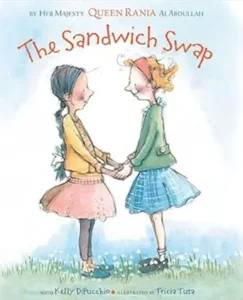
Two best friends love their daily lunches — until they realize their foods are very different.
What begins as confusion grows into teasing and division across the school. Eventually, the girls find a way to listen to each other and rebuild their friendship.
The story gently explores how leadership can involve empathy, understanding, and repairing relationships.
What kids notice in this story
Children see that listening matters. They learn that helping people understand each other is a powerful form of leadership.
Be a King: Dr. Martin Luther King Jr.’s Dream and You by Carole Boston Weatherford
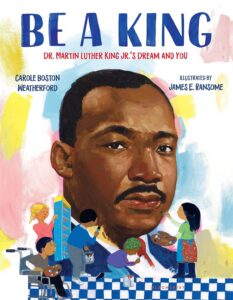
This poetic book connects the legacy of Dr. Martin Luther King Jr. with the everyday choices children make.
Rather than focusing only on history, the story invites young readers to consider how they can live out the values of fairness, courage, and compassion in their own lives.
The message feels empowering rather than overwhelming.
What kids notice in this story
Kids begin to understand that leaders stand up for kindness and fairness. They see that even small choices can reflect big values.
Last Stop on Market Street by Matt de la Peña
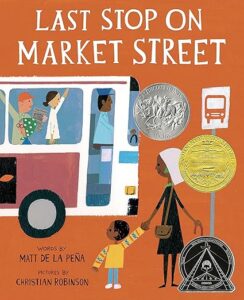
On a bus ride across town, a young boy named CJ begins asking his grandmother questions about the world around him.
Why don’t they have a car? Why do other people seem to have more? His grandmother gently helps him notice the beauty and goodness already present in their lives.
The story reminds children that leadership can begin with gratitude and awareness of others.
What kids notice in this story
Children see that kindness and perspective change how we see the world. They learn that noticing others is an important leadership trait.
The World Needs Who You Were Made to Be by Joanna Gaines
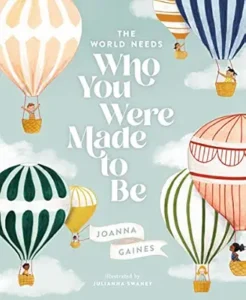
This joyful story celebrates individuality and the unique gifts each person brings to a community.
As children in the story work together to build hot-air balloons, they discover that the project only succeeds when everyone contributes their strengths.
The message reinforces the idea that leadership grows when people recognize and encourage each other’s abilities.
What kids notice in this story
Kids notice that every person brings something valuable. They see that great things happen when people work together.
I Am Every Good Thing by Derrick Barnes
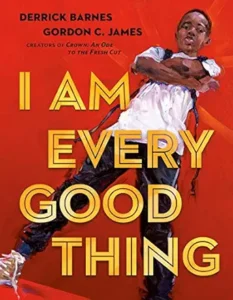
This powerful affirmation celebrates identity, confidence, and possibility.
The narrator describes himself as brave, kind, creative, and capable. The language feels joyful and expansive, helping children see themselves as people who can make a positive difference in the world.
Leadership here appears through confidence rooted in self-worth.
What kids notice in this story
Children absorb the idea that they have goodness inside them. They begin to see themselves as capable of helping others.
Say Something! by Peter H. Reynolds
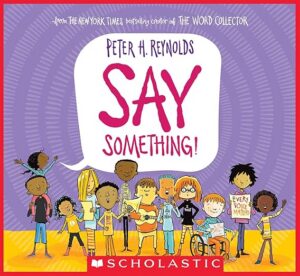
This gentle yet powerful book encourages children to use their voices in meaningful ways.
Sometimes speaking up means defending someone being teased. Sometimes it means sharing an idea or expressing kindness. The story shows that silence can change when someone finds the courage to speak.
Leadership here emerges through voice and advocacy.
What kids notice in this story
Kids notice that their voice matters. They learn that speaking up can help others feel safe and heard.
We Are Water Protectors by Carole Lindstrom
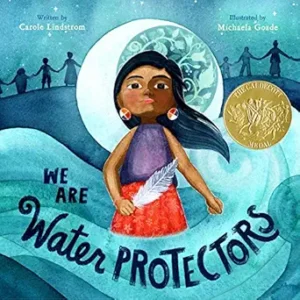
Inspired by Indigenous-led environmental movements, this breathtaking story introduces children to the idea of protecting the earth and caring for shared resources.
The young narrator invites readers into a movement of responsibility and stewardship. The message is both empowering and hopeful.
Children see that leadership can involve protecting something important for everyone.
What kids notice in this story
Kids see that caring for the earth is a shared responsibility. They learn that protecting others is a powerful form of leadership.
The Proudest Blue by Ibtihaj Muhammad

This story follows two sisters on the first day one of them wears a hijab to school.
When teasing begins, the younger sister watches how her older sister responds with dignity and pride. Her quiet strength becomes an example of resilience and courage.
The story gently explores identity, confidence, and standing tall in the face of misunderstanding.
What kids notice in this story
Children see that confidence can inspire others. They learn that standing proud of who you are can influence the people around you.
The Boy Who Harnessed the Wind (Young Readers Edition) by William Kamkwamba
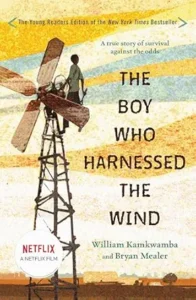
Based on a true story, this inspiring book follows William, a boy in Malawi who refuses to give up when his village faces drought.
Through curiosity and determination, he studies science books and eventually builds a windmill that helps his community access electricity and water.
The story highlights initiative, perseverance, and the courage to try something new.
What kids notice in this story
Children notice that ideas can change lives. They learn that determination and curiosity can lead to meaningful solutions.
How Leadership Begins in Childhood
Leadership in children rarely starts with big speeches or dramatic moments.
More often, it begins with something small: helping someone who is struggling, inviting a new friend into a game, or speaking up when something feels unfair.
These quiet choices slowly build confidence. Children begin to understand that their actions matter and that they can make a difference in the lives of others.
Books play a powerful role in shaping these ideas. Through stories, children see characters who face challenges, show courage, and care deeply about others.
When children revisit these stories over time, they begin to recognize those same moments in their own lives.
Helping Kids See Themselves as Leaders
One beautiful way children build confidence is by seeing themselves reflected in stories.
Personalized storytelling allows kids to imagine themselves as characters who show kindness, courage, and leadership in their own adventures.
That’s exactly what Scrively was designed to do.
Through personalized stories, children can step into imaginative worlds where they help others, make brave choices, and discover the strengths that already exist within them.
When kids see themselves as capable, caring, and courageous characters, those qualities often begin to appear in real life too.
And that’s where leadership truly begins — not with authority or control, but with empathy, courage, and the quiet confidence to make the world around them a little better.