If Your Child Comes Home Saying “No One Played With Me,” These Books Can Help
You notice it in small ways.
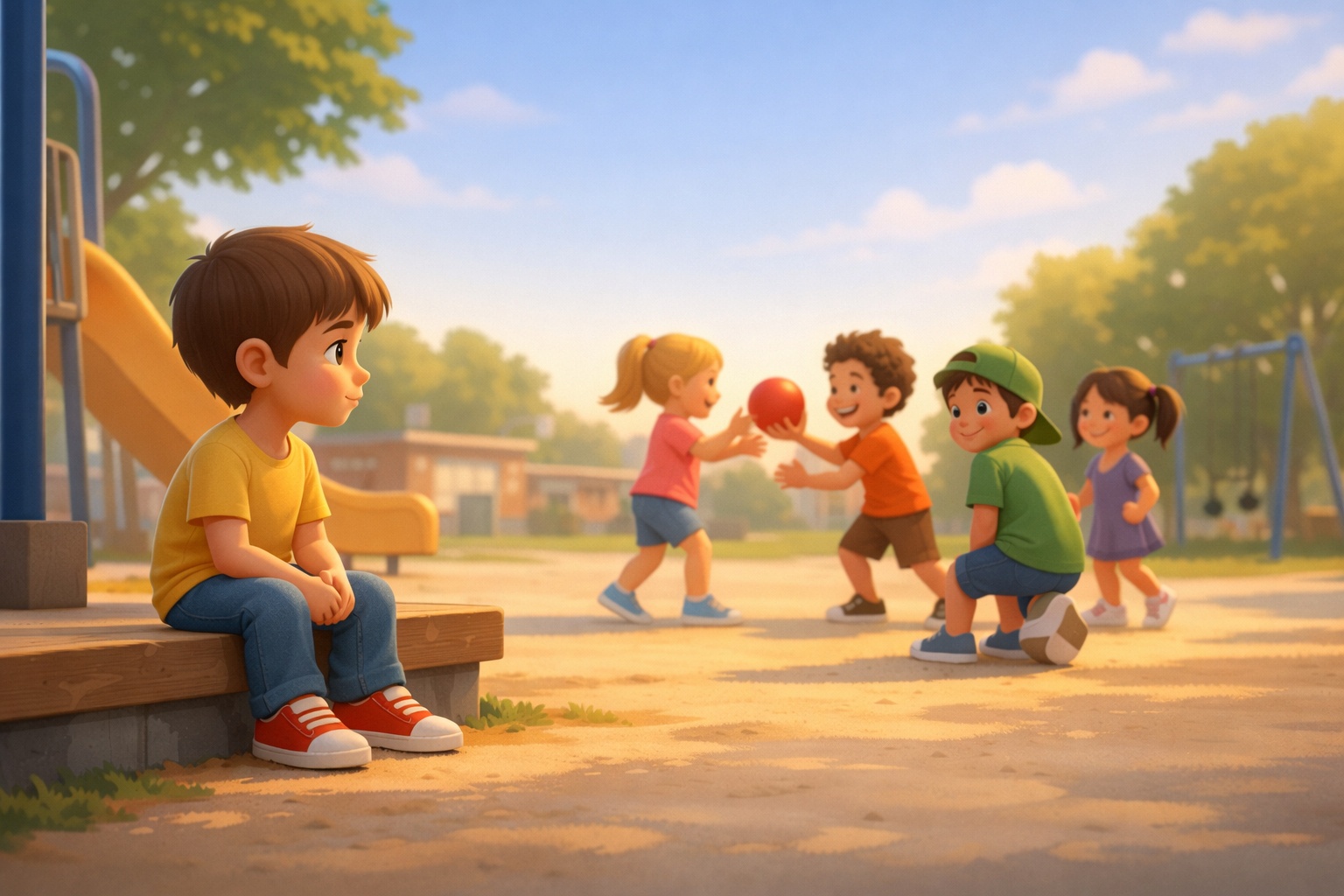
Your child standing near the game but not inside it. Hearing about a party in the car ride home. Watching pairs form while they wait, unsure where to step.
At this age, exclusion feels enormous. One moment can fill an entire afternoon. A missed invitation can feel like proof that something is wrong, even when nothing is.
You remember this feeling from your own childhood. That quiet ache of wanting to belong somewhere and not knowing how.
Feeling left out is part of learning how friendships form and change. It hurts because connection matters.
But it also becomes a place where children slowly discover something steadier than any one group — their own sense of worth.
Stories help here. Books let children see characters feel the same loneliness and still remain whole.
They show that belonging grows in unexpected ways, and that being outside one circle does not mean you don’t belong anywhere.
Books That Help Kids Understand Feeling Left Out
Not Quite Narwhal by Jessie Sima
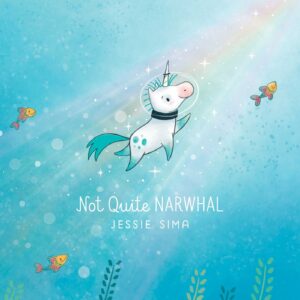
Kelp grows up among narwhals, even though he looks different. He tries to act like them, copying what they do, quietly hoping to fit in. Something feels off, and he isn’t sure why.
When he discovers unicorns like him, he learns that belonging isn’t about forcing yourself into a place that doesn’t fit. It’s about finding where you can be fully yourself.
What kids notice in this story You might feel different and still be okay. Sometimes you find where you belong slowly.
Be Kind by Pat Zietlow Miller
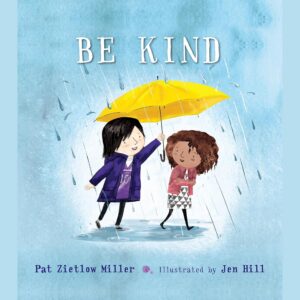
A small moment of teasing leaves a classmate embarrassed, and the narrator begins wondering what kindness really means. She notices the quiet ways kids can be left out, ignored, or misunderstood.
The story shows kindness not as a rule, but as a way of seeing others. It gently opens space for empathy without blaming anyone.
What kids notice in this story Kindness can be small. You can help someone feel seen.
Milo Imagines the World by Matt de la Peña
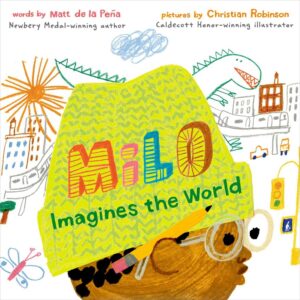
Milo rides the subway and imagines the lives of the people around him. When he sees a boy his age, he assumes things about him that turn out to be wrong.
The moment softens Milo’s view of others and of himself. Children see how assumptions can create distance, and how understanding brings people closer.
What kids notice in this story You don’t always know someone’s story. Looking closer can change how you feel.
The Name Jar by Yangsook Choi
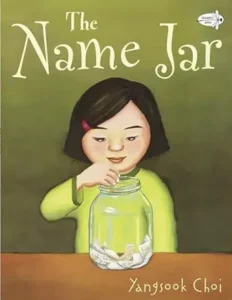
Unhei worries her Korean name will sound strange to classmates. She considers choosing a new one to fit in, hoping that will make things easier.
When classmates learn the meaning of her name, something shifts. The story honors the courage it takes to share who you are.
What kids notice in this story Your name and story matter. Friends can learn to understand you.
Lubna and Pebble by Wendy Meddour
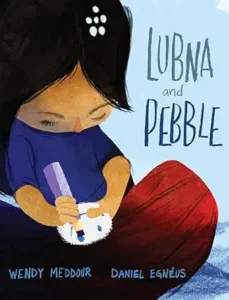
Lubna arrives in a new place where everything feels unfamiliar. She clings to a small pebble she names, treating it like a friend while she waits for real connection.
When she meets another lonely child, they form a bond. The story shows how friendship can begin quietly, especially after loss or change.
What kids notice in this story You can feel alone and still find a friend.
Stand Tall, Molly Lou Melon by Patty Lovell
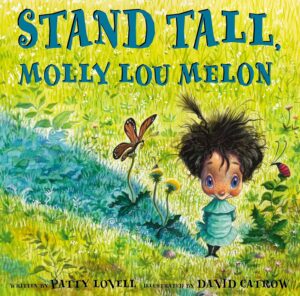
Molly Lou Melon is teased for being small, different, and unusual. She feels left out when classmates laugh or whisper.
Instead of shrinking, she remembers her grandmother’s words and stays true to herself. Eventually others see her strength.
What kids notice in this story Being yourself is brave. The right friends will see you.
Chrysanthemum by Kevin Henkes
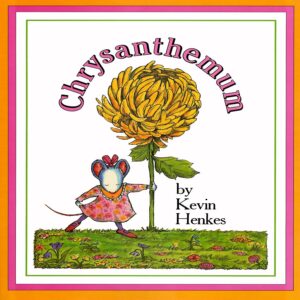
Chrysanthemum loves her long, beautiful name until classmates tease her about it. Suddenly she feels embarrassed and alone at school.
When a teacher shares her own unusual name, Chrysanthemum’s confidence returns. Children see how understanding can change how a moment feels.
What kids notice in this story Something that feels strange today can become something special.
Giraffes Can’t Dance by Giles Andreae
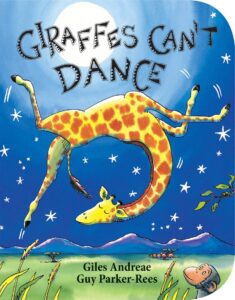
Gerald the giraffe wants to dance but feels clumsy and awkward while others laugh. He stands outside the celebration, certain he doesn’t belong.
With a little encouragement, he finds his own rhythm. The story reminds children that belonging doesn’t require being like everyone else.
What kids notice in this story You can do things your own way and still be part of the fun.
When Your Child Feels Left Out
Feeling left out does not mean something is wrong with your child. It means they are learning how groups work, how friendships grow, and how connection sometimes takes time.
Belonging rarely happens all at once. It builds slowly through shared games, small conversations, quiet laughter, and the steady comfort of one good friend.
Books help because they sit with the feeling instead of rushing past it. They let children see that sadness and worth can exist together.
You can reread these stories after a hard day. Not to fix the moment, but to remind your child they are not alone inside it.
A Gentle Way to Help Kids See Themselves in Stories
If your child needs something even more personal, you might try a story made just for them. At Scrively, children can see themselves in a story about friendships, new classrooms, and finding connection in their own way.
Sometimes seeing your own name in a story helps a child feel a little less alone.
Your child’s worth is not decided by one group, one afternoon, or one missed invitation. It grows quietly in the friendships that fit, in the kindness they offer, and in the steady truth that they matter — exactly as they are.