When Your Child Watches First: Books That Honor Their Pace
You’ve seen it happen.
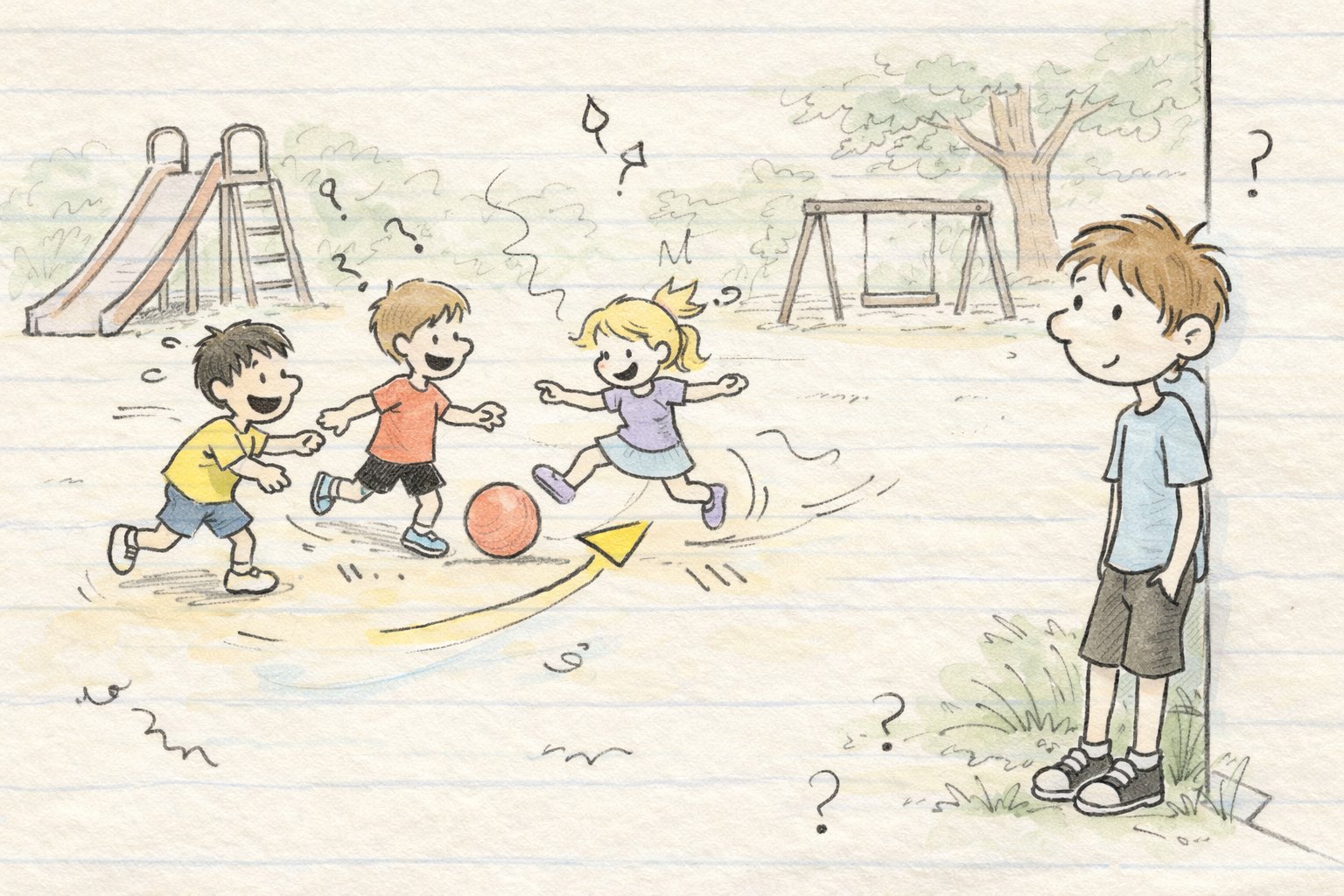
While other kids rush toward the game, your child stays just outside the circle. Watching. Listening. Taking it all in. Not frozen. Not upset. Just… paying attention.
It can be surprisingly emotional to witness. Part pride (because wow, that awareness).
Part uncertainty (because you don’t want them to be left out). Part that quiet parental itch to step in and “help.”
But many kids learn social life the same way they learn a new playground, a new classroom, or a new board game: by observing first.
They notice who’s leading, what the “rules” seem to be, how the group responds when someone breaks them, and whether the game is playful… or a little tense.
For these kids, watching isn’t a delay. It’s a way of arriving.
And that’s why books can be such a relief. Stories let your child see themselves reflected without a spotlight.
They show characters who stand back, take in the scene, and step forward when their body says, now. No pushing. No labels. Just a steady reminder that there’s more than one way to belong.
Why Watching First Is Social Intelligence
Observation is often treated like the “before” part of play, as if it doesn’t count until a child is fully in the game.
But for many kids, observation is participation. It’s a form of reading the room. It’s gathering context. It’s noticing how close to stand, when to speak, and whether the play is the kind that feels safe.
Kids who watch first tend to be sensitive to patterns.
They may notice details other kids skip—tone of voice, shifting alliances, who keeps changing the rules, who wants to be chased, who wants to build quietly. That isn’t overthinking. That’s attunement.
When you honor that pacing, you’re not “letting them hang back.” You’re letting them enter play in a way that feels authentic.
And that matters, because entry that’s rushed often feels shaky. Entry that’s chosen tends to feel grounded.
The books below don’t treat watching as something to fix. They treat it as a strength: curiosity, awareness, self-regulation, and a kind of quiet courage that doesn’t always announce itself.
8 Best Books for Kids Who Observe Before Joining Play
These stories are especially comforting for ages 4–7, when social groups shift fast and kids are still learning how to enter a game without losing themselves in the noise.
Each book offers a slightly different version of “joining,” including joining with words, joining with kindness, joining with imagination, and joining by simply being near.
Books that honor the quiet moment before you step in
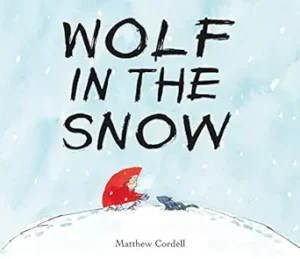
Wolf in the Snow — Matthew Cordell
What kids notice in this story:
Kids notice the way the girl pays attention to the world around her—tracks in the snow, distance, timing, and what feels safe.
They notice that she doesn’t rush, but she also doesn’t ignore what she sees. Her choices come from careful looking.
Story Snapshot:
A girl finds a lost wolf pup during a snowstorm and tries to help it get home. As the storm grows stronger, she must rely on what she observes and what she senses along the way.
Why this book helps kids who observe before joining play:
This story validates the idea that watching is a form of readiness.
It shows a child moving through the world with awareness and trust in her own timing—acting when she’s prepared, not when someone pressures her.
For kids who hang back and take in a situation first, it quietly says: your way of entering matters.
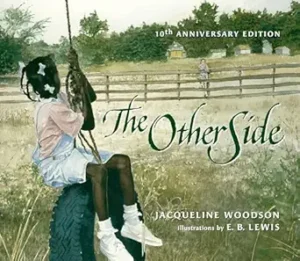
The Other Side — Jacqueline Woodson
What kids notice in this story:
Kids notice how Clover watches from her side of the fence and pays attention over time—how it feels, what it means, and what changes when someone sits nearby.
They notice that connection can begin with noticing, not announcing.
Story Snapshot:
Two girls live on opposite sides of a fence that separates their town.
Little by little, they begin sharing small moments until friendship forms naturally, without rushing the boundary between them.
Why this book helps kids who observe before joining play:
This book treats slow entry as wise entry.
It shows that you can participate from the edge while you’re still figuring out what feels right—and that relationships can grow from steady presence.
It reassures kids that there’s no “right” timeline for joining; sometimes the first step is simply sitting close enough to see.

A Stone Sat Still — Brendan Wenzel
What kids notice in this story:
Kids notice that the same space can feel different depending on how you look at it.
They notice how animals pause, watch, and interpret the world in their own way—sometimes quiet, sometimes curious, sometimes cautious, always present.
Story Snapshot:
A stone sits beside a pond as seasons change and animals come and go. Each creature sees the stone differently, and the story gently shifts perspective with them.
Why this book helps kids who observe before joining play:
This book makes observation feel powerful and normal. It shows that watching isn’t “doing nothing”—it’s noticing meaning, reading context, and understanding the environment.
For kids who like to take in the scene before stepping into it, the message is calming: your perspective is part of the story, even when you’re quiet.
Books that show joining without rushing the moment
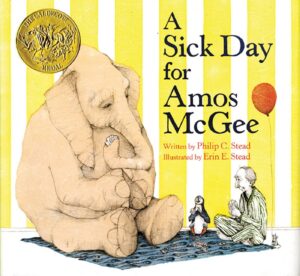
A Sick Day for Amos McGee — Philip C. Stead
What kids notice in this story:
Kids notice the quiet rhythm of care—how the animals watch what Amos needs and respond gently. They notice that being with someone doesn’t have to be loud to be real.
Story Snapshot:
Amos McGee is usually the one who visits his animal friends at the zoo. When he stays home sick, the animals come to him, bringing companionship in thoughtful, simple ways.
Why this book helps kids who observe before joining play:
This story validates a quieter kind of participation: showing up with attention. It helps kids see that they can join a social moment without forcing themselves into the center.
Being present, noticing what others need, and entering gently are all legitimate ways of belonging—especially for kids whose confidence grows through readiness, not pressure.

The Rabbit Listened — Cori Doerrfeld
What kids notice in this story:
Kids notice how the rabbit doesn’t rush in with advice or ideas. The rabbit stays close, watches, listens, and waits until the moment is right.
They notice how comforting it feels when someone doesn’t push.
Story Snapshot:
After something disappointing happens, many animals try to help in their own way—but it doesn’t feel right.
The rabbit offers quiet presence and listening, which finally makes space for healing.
Why this book helps kids who observe before joining play:
Kids who watch first often crave emotional safety before social entry. This book normalizes the power of staying near without performing.
It also models a gentle social skill: you can be part of a moment without fixing it, rushing it, or making it louder. That’s exactly the kind of belonging observation-first kids understand instinctively.

Sam and Dave Dig a Hole — Mac Barnett
What kids notice in this story:
Kids notice how Sam and Dave move together, side-by-side, without constant conversation.
They notice the humor in what’s missed and what’s found, and the way quiet persistence can be its own kind of togetherness.
Story Snapshot:
Two friends decide to dig a hole to find something spectacular. As they dig deeper, they come close to incredible discoveries—sometimes without realizing it—and the story keeps the tone playful and light.
Why this book helps kids who observe before joining play:
This book reinforces that participation doesn’t always look like fast banter or big energy.
It shows connection through shared activity—doing something alongside someone else—and it normalizes the idea that you don’t have to “enter” loudly to be in it.
For kids who like to watch, then join quietly, this feels like permission.
Books that celebrate inner pacing and private imagination
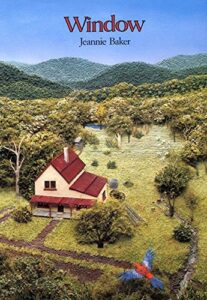
Window — Jeannie Baker
What kids notice in this story:
Kids notice how much you can learn by looking—how a familiar scene changes over time, how details accumulate, how the world shifts even when you’re standing still. They notice the quiet satisfaction of being a careful witness.
Story Snapshot:
Through a window, you watch a landscape change across years as a child grows. The story unfolds visually, inviting slow attention and repeated looking.
Why this book helps kids who observe before joining play:
Observation-first kids often feel deeply at home in noticing. This book treats noticing as meaningful, not secondary.
It supports the idea that you can belong to a place—and to a moment—through attention. And it gently reinforces that timing is allowed to be slow, because change and connection often are.
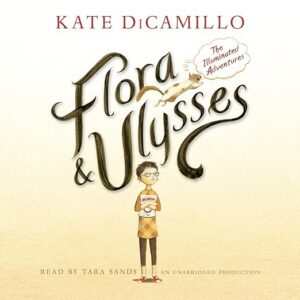
Flora & Ulysses — Kate DiCamillo
What kids notice in this story:
Kids notice Flora’s inner world—how she watches people, thinks deeply, and processes life through imagination.
They notice that her “quiet” is full of story, and that her way of participating is thoughtful, not delayed.
Story Snapshot:
Flora, a comics-loving child, rescues a squirrel and discovers it may be extraordinary. What follows is an unexpected friendship and a gentle shift in how she sees herself and the people around her.
Why this book helps kids who observe before joining play:
This story celebrates the kid who isn’t trying to be the loudest in the group. It validates reflection, imagination, and slow-building confidence.
For kids who watch first, it offers a powerful message: your inner pacing isn’t a barrier to belonging—it’s part of your brilliance, and it can lead you into relationships in a way that feels real.
How to Support an “Observe-First” Kid Without Turning It Into a Project
The most supportive thing you can do is treat watching like it counts—because to your child, it does.
When you narrate observation as curiosity (“You’re checking it out”), you give them dignity. When you treat their timing as trustworthy, you give them confidence without pressure.
It can also help to remember that “joining play” isn’t a single moment.
It’s a series of small entries: standing nearby, smiling at the right moment, offering an object, copying a game move, asking one question, joining for thirty seconds, leaving, returning, trying again tomorrow.
If you’re building a small library around this theme, these books pair well with your broader social-skill shelves—especially…
books that help kids learn to make friends at ages 4–7 and stories that affirm kids who prefer one close friend.
Together, they send one consistent message: belonging has many shapes.
A Calm, Affirming Close
Observation is part of social intelligence. It’s how many kids learn the rules, feel the tone, and find a way in that actually fits.
When you trust your child’s pace, you’re not leaving them behind. You’re giving them a stable runway to enter play with readiness instead of urgency.
And rereading helps—because social moments are layered. A story that felt “too close” last month can feel comforting this month. A character who waited on page one can feel like permission on page two.
With Scrively, kids can create stories that reflect their own inner pacing—imagining play, choice, and belonging on their own terms, in their own time.