Helping Kids Feel Confident at School: Books That Support Self-Trust
You don’t always notice confidence arriving at school.
It doesn’t usually walk in loudly on the first day. It doesn’t announce itself during show-and-tell or raise a hand every time a question is asked.
More often, confidence shows up quietly — in the way a child lingers a little less at drop-off, or tries again after getting an answer wrong, or sits next to someone new without being prompted.
If you’re supporting a child in the early elementary years, you’ve likely seen how uneven this process can feel.
One day they seem comfortable and capable. The next day, they hesitate, withdraw, or second-guess themselves.
This isn’t a problem to solve. It’s how confidence actually forms.
School confidence isn’t about boldness, perfection, or being the most outgoing kid in the room.
It’s about trust — trust that you can try, trust that mistakes won’t undo you, trust that you belong even when you’re unsure.
Stories are one of the gentlest ways to build that trust.
When kids see characters navigate classrooms, friendships, and expectations without needing to be exceptional, they begin to imagine themselves doing the same.
Not perfectly. Just honestly.
The books below help redefine confidence in a way that feels safe, steady, and achievable — especially for kids who are still finding their footing at school.
What confidence actually looks like at school
When you picture a confident student, it’s easy to imagine a child who speaks up often, jumps into group work, or seems comfortable in every classroom situation.
But for many kids — especially in the early elementary years — confidence shows up in much quieter ways.
At school, confidence often looks like staying engaged even when you’re unsure.
It looks like walking into the classroom without needing reassurance, attempting work before asking for help, or returning the next day after something felt hard.
These moments don’t stand out on report cards or during assemblies, but they matter deeply.
School confidence isn’t about being fearless or outgoing.
It’s about developing trust in yourself — trust that you can try, trust that mistakes are part of learning, and trust that you still belong even when you don’t have the right answer.
For many kids ages five to eight, that trust is still forming.
This is why emotional safety is such an important foundation for confidence at school.
When kids feel safe to be uncertain, to move at their own pace, and to make mistakes without embarrassment, they’re more willing to engage.
Confidence grows after comfort, not before it.
Books play a powerful role in this process because they let children explore school experiences without pressure.
Through stories, kids can watch characters navigate classrooms, friendships, expectations, and missteps from a safe distance.
They see that hesitation is normal, that effort counts, and that confidence doesn’t require standing out.
Over time, these stories become quiet rehearsals. They help kids imagine themselves participating, recovering, and continuing — not perfectly, but honestly.
And that imagination often carries into real classrooms, where confidence builds slowly, one small moment at a time.
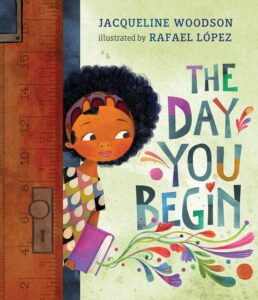
The Day You Begin — Jacqueline Woodson
Core Themes:
- Belonging
- Self-acceptance
- Quiet courage
Story Snapshot:
This story follows a child who feels different in familiar school moments — during class discussions, lunchtime, and everyday interactions. Over time, the child learns that everyone carries something unseen.
Why this book helps kids feel confident at school:
You’re shown that confidence doesn’t come from fitting in instantly. It grows when kids realize they don’t have to erase themselves to belong.
This book validates the experience of feeling “other” while gently reinforcing that presence alone is enough to begin.
Yoko — Rosemary Wells

Core Themes:
- Being yourself
- Handling social discomfort
- Finding allies
Story Snapshot:
Yoko brings her favorite foods to school, only to discover that classmates don’t always respond kindly to what feels unfamiliar.
Her story unfolds around lunchtime and social dynamics.
Why this book helps kids feel confident at school:
You’re reminded that confidence isn’t about changing to be accepted.
It’s about learning that your preferences and background are allowed to exist at school.
The story models how support and understanding can quietly rebuild self-trust after social rejection.
My Mouth Is a Volcano! — Julia Cook
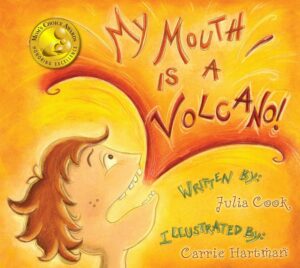
Core Themes:
- Impulse control
- Self-awareness
- Respectful communication
Story Snapshot:
A young child struggles with blurting out thoughts in class and interrupting others. The story explores what it feels like to want to participate but not always know how.
Why this book helps kids feel confident at school:
You see that confidence doesn’t mean always speaking first or loudest.
This book helps kids understand their impulses without shame, offering tools for self-regulation that preserve dignity and belonging in the classroom.
The Dot — Peter H. Reynolds
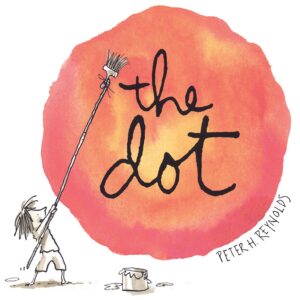
Core Themes:
- Trying without certainty
- Creative confidence
- Encouragement
Story Snapshot:
A child believes she can’t draw until a simple mark becomes the beginning of something more. One moment of encouragement changes how she sees herself.
Why this book helps kids feel confident at school:
You’re shown how confidence often begins with permission to try — not to succeed.
This book reinforces that effort and exploration matter more than results, especially in learning environments where kids are still discovering their abilities.
Stand Tall, Molly Lou Melon — Patty Lovell
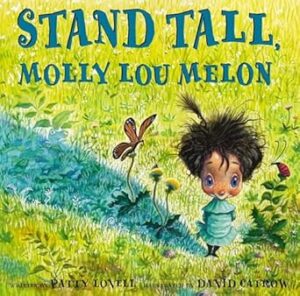
Core Themes:
- Resilience
- Self-worth
- Handling teasing
Story Snapshot:
Molly Lou Melon enters a new school where her differences draw attention. She relies on lessons learned from a trusted adult to stay grounded.
Why this book helps kids feel confident at school:
You see confidence framed as something internal — rooted in self-knowledge rather than approval.
This book helps kids understand that steady self-worth can coexist with discomfort and unfamiliar settings.
I Am Enough — Grace Byers
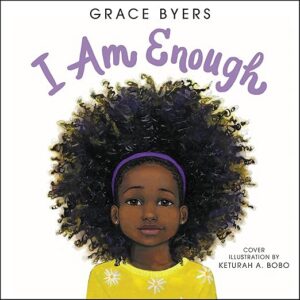
Core Themes:
- Self-compassion
- Inner reassurance
- Emotional grounding
Story Snapshot:
This book uses lyrical language to affirm a child’s inherent worth. It’s less about plot and more about presence.
Why this book helps kids feel confident at school:
You’re given language that reinforces identity beyond performance. Reading this regularly helps kids internalize a sense of stability that supports them through academic and social challenges.
After the Fall (How Humpty Dumpty Got Back Up Again) — Dan Santat

Core Themes:
- Fear after failure
- Recovery
- Gradual confidence
Story Snapshot:
Humpty Dumpty struggles after a big fall, finding it hard to return to what once felt safe. The story follows his slow, thoughtful path forward.
Why this book helps kids feel confident at school:
You see how fear can linger after mistakes — and how confidence rebuilds in stages. This mirrors school experiences where one hard moment can shape hesitation, and healing takes time.
Each Kindness — Jacqueline Woodson
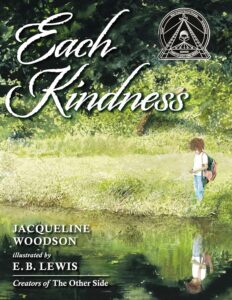
Core Themes:
- Empathy
- Social awareness
- Emotional learning
Story Snapshot:
A classroom explores the impact of small actions and missed opportunities for connection. The story unfolds through reflection rather than resolution.
Why this book helps kids feel confident at school:
You’re shown that confidence grows in emotionally safe environments.
This book helps kids understand how kindness — given and received — shapes how secure they feel in shared spaces like classrooms.
School confidence doesn’t arrive all at once. It’s built through small moments of safety, understanding, and repetition.
Often, comfort comes first — and confidence follows quietly behind. Rereading these stories helps reinforce that truth, reminding kids that they don’t need to rush, impress, or perform to belong.
When children return to familiar stories, they return to familiar feelings: steadiness, recognition, and self-trust.
If you’re looking for another way to support this journey, Scrively offers personalized, school-centered stories where kids can see themselves navigating classrooms, friendships, and challenges with care.
Sometimes imagining yourself capable is the first step toward feeling that way.