
Fueling the Engine: Cultivating Self-Respect Through Stories
You know that feeling when the morning rush turns into a frantic blur? You are racing to pack lunches. You are finding lost shoes. You are managing the messy, beautiful chaos of a growing family.
In that haze, it is easy to forget the most important thing you are modeling. You are teaching your child how to treat themselves simply by watching how you treat yourself.
Self-respect is not a grand, loud declaration of worthiness. Instead, it is a quiet, internal compass that guides a child through the world.
It is the “engine” of their development. When they fuel this engine with care, boundaries, and love, they can go the distance.
However, many children find this concept elusive. They see “respect” as something they show to teachers, grandparents, or the crossing guard.
They rarely view their own bodies, their own minds, and their own needs as worthy of that same reverence. That is where we come in.
As parents, we have a unique chance to shift the narrative. We can help them understand that they are the owners of their experience.
We can help them learn that saying “no” to a hug they don’t want is an act of respect. We can teach them that resting when they are tired is a form of self-love.
This is not about vanity or ego. It is about understanding that they occupy space in this world, and that space is sacred.
The following books are tools for that journey. They serve as anchors for conversations about why our bodies matter and why our needs deserve to be heard.
Most importantly, they show children that they are enough, exactly as they are. Let us explore these stories together.
I Like Myself! by Karen Beaumont
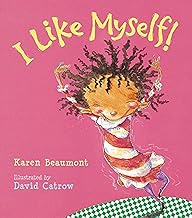
There is a pure, infectious joy in this book that is hard to find elsewhere. It celebrates the quirks, the bumps, and the loud, happy existence of being a child.
The rhythm of the prose matches the rhythm of a child’s heart. It creates a space where being “me” is the best thing one could possibly be.
What kids notice: Children immediately pick up on the vibrant, funny illustrations. They notice that the protagonist doesn’t apologize for their messiness or their mistakes.
Story snapshot: A young narrator joyfully declares their love for themselves, from the top of their head to their toes. They celebrate their wild hair, their goofy faces, and their unique way of moving through the world.
Why this book helps: It builds the foundation of self-respect by normalizing self-acceptance. Because the book focuses on the “I like,” it teaches children that their opinion of themselves is the most important one to cultivate.
The Skin You Live In by Michael Tyler
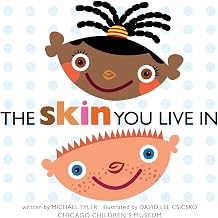
This book is a gentle, lyrical embrace. It takes the abstract concept of physical self-respect and makes it tangible and beautiful.
It is perfect for parents who want to talk about bodies without making it weird or clinical. It treats the physical form as a sacred, incredible vessel.
What kids notice: They notice the diverse range of skin tones and body types depicted. They see that everyone is comfortable in the skin they live in.
Story snapshot: The narrative walks the reader through the physical form, celebrating everything it does. It touches on skin, muscles, and bones while emphasizing that the soul inside is what truly makes a person shine.
Why this book helps: It fosters a deep sense of stewardship for one’s own body. Consequently, it helps children view themselves as a miracle of biology, which is the ultimate form of self-respect.
Marvelous Me: Inside and Out by Lisa Marie Bullard
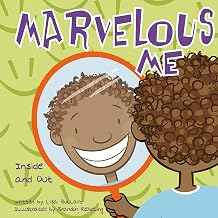
We often tell our children they are “good” or “smart.” This book takes it a step further by helping them define their own identity.
It acts as a mirror for the child’s self-concept. Furthermore, it encourages them to look beyond the surface level of their appearance.
What kids notice: They notice the clear, empowering affirmations. They see the protagonist engaging in things they love, which invites them to do the same.
Story snapshot: The story follows a young child exploring their own traits and talents. It balances physical attributes with internal characteristics, showing how both make a person “marvelous.”
Why this book helps: It teaches children to respect their own inner architecture. Most importantly, it gives them the language to articulate what makes them unique and valuable.
Love Your Body by Jessica Sanders
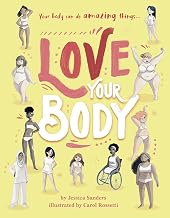
This is a modern manual for self-respect in a digital age. It is warm, practical, and incredibly necessary for growing children.
It shifts the focus from how a body looks to what a body *does*. This distinction is vital for long-term health and emotional wellness.
What kids notice: They notice the active language. They see bodies climbing, running, and resting, rather than just posing.
Story snapshot: Each page highlights a different way to love one’s body. It encourages children to listen to their hunger, to rest when tired, and to treat their physical self with kindness rather than judgment.
Why this book helps: It demystifies the idea of “loving” oneself. Above all, it provides actionable advice, like listening to physical cues, which turns self-respect into a daily practice.
Beautifully Me by Nabela Noor
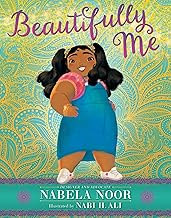
Sometimes, self-respect is threatened by the comparisons we see in the world. This book handles those tough moments with immense grace.
It is a story about staying true to yourself when the world around you seems to be sending different messages. It is deeply empowering.
What kids notice: They notice the main character’s struggle to feel comfortable in her own skin. They relate to the feeling of wanting to fit in.
Story snapshot: The protagonist, Nabela, learns to navigate the comments and pressures that make her doubt her beauty. Through support and reflection, she realizes that she is already beautiful, just as she is.
Why this book helps: It teaches the crucial skill of protecting one’s self-respect from external noise. Furthermore, it validates the feelings of inadequacy while providing a path back to self-love.
Bodies Are Cool by Tyler Feder
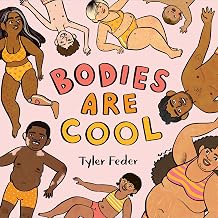
Inclusivity is a major pillar of self-respect. If a child sees all kinds of bodies being celebrated, they are more likely to celebrate their own.
This book is a colorful, joyful celebration of humanity in all its forms. It is essentially a party for the physical body.
What kids notice: They notice the sheer variety of people. They see scars, glasses, wheelchairs, and different sizes, and they see them all being treated with joy.
Story snapshot: The illustrations take the reader on a journey through different environments. Everywhere the characters go, they are loving their bodies and enjoying life, normalizing diversity.
Why this book helps: It eliminates the “us vs. them” mentality regarding bodies. Consequently, it removes the shame that often keeps children from respecting their own unique physical selves.
It’s Okay to Be Different by Todd Parr
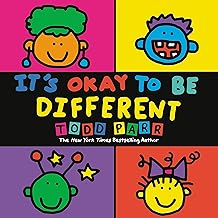
Sometimes, respecting yourself means respecting the things that make you “the odd one out.” This book is a classic for a reason.
It is simple, direct, and incredibly kind. It gives children permission to be exactly who they are, without hesitation.
What kids notice: They notice the bold colors and the quirky drawings. They see that being different isn’t just “okay,” it is a celebration.
Story snapshot: The book lists various ways to be different, from having a different nose to coming from a different family structure. It weaves these together to show that all these differences are valid.
Why this book helps: It removes the fear of rejection. When a child fears rejection less, they respect themselves more. It is a vital lesson in building an internal sense of worth.
Your Fantastic Elastic Brain by JoAnn Deak
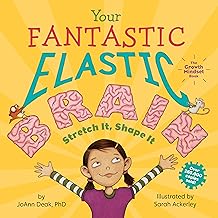
Self-respect also includes respecting your mind and its potential. This book teaches children that they are the architects of their own intellect.
It turns the abstract idea of a “brain” into something a child can care for and grow. It makes learning an act of self-respect.
What kids notice: They notice that their brain is an organ that changes. They see that making mistakes is actually just “stretching” the brain.
Story snapshot: The book explains the anatomy of the brain in a way that is accessible for young children. It demonstrates that the brain needs exercise, rest, and challenges to function well.
Why this book helps: It encourages children to treat their mind with the same care they treat their body. It teaches them that they have the power to grow and change, which is the ultimate respectful approach to oneself.
Put Your Child in the Heart of the Story
We know that reading about these virtues is just the first step. The real magic happens when children see themselves solving these problems in real-time.
At Scrively, we believe every child should be the hero of their own growth. Our custom book platform allows you to create stories where your child practices these specific virtues.
You can design a story where your child chooses to listen to their body after a long day. You can create a tale where they confidently advocate for their own needs.
Because they are the main character, the lesson sinks in deeper. They aren’t just reading about self-respect; they are practicing it through the eyes of the person they know best—themselves.
It is a powerful way to turn “what if” into “I can.”
Conclusion
Self-respect is a quiet, ongoing work. It does not happen overnight, and it does not always arrive with fanfare.
It shows up in the way your child brushes their teeth because they value their health. It shows up when they set a boundary with a friend because they know their needs matter.
As you read these books together, listen to their questions. Validate their feelings. Most importantly, show them that their inner engine is worth the very best fuel you can provide.