When the Plan Changes: Books That Teach Kids the Art of the Pivot
You know the exact moment the mood shifts. You promised a trip to the park.
Then it started pouring rain. You handed your child their favorite red cup.
But today was supposed to be a blue cup day. The afternoon playdate gets canceled.
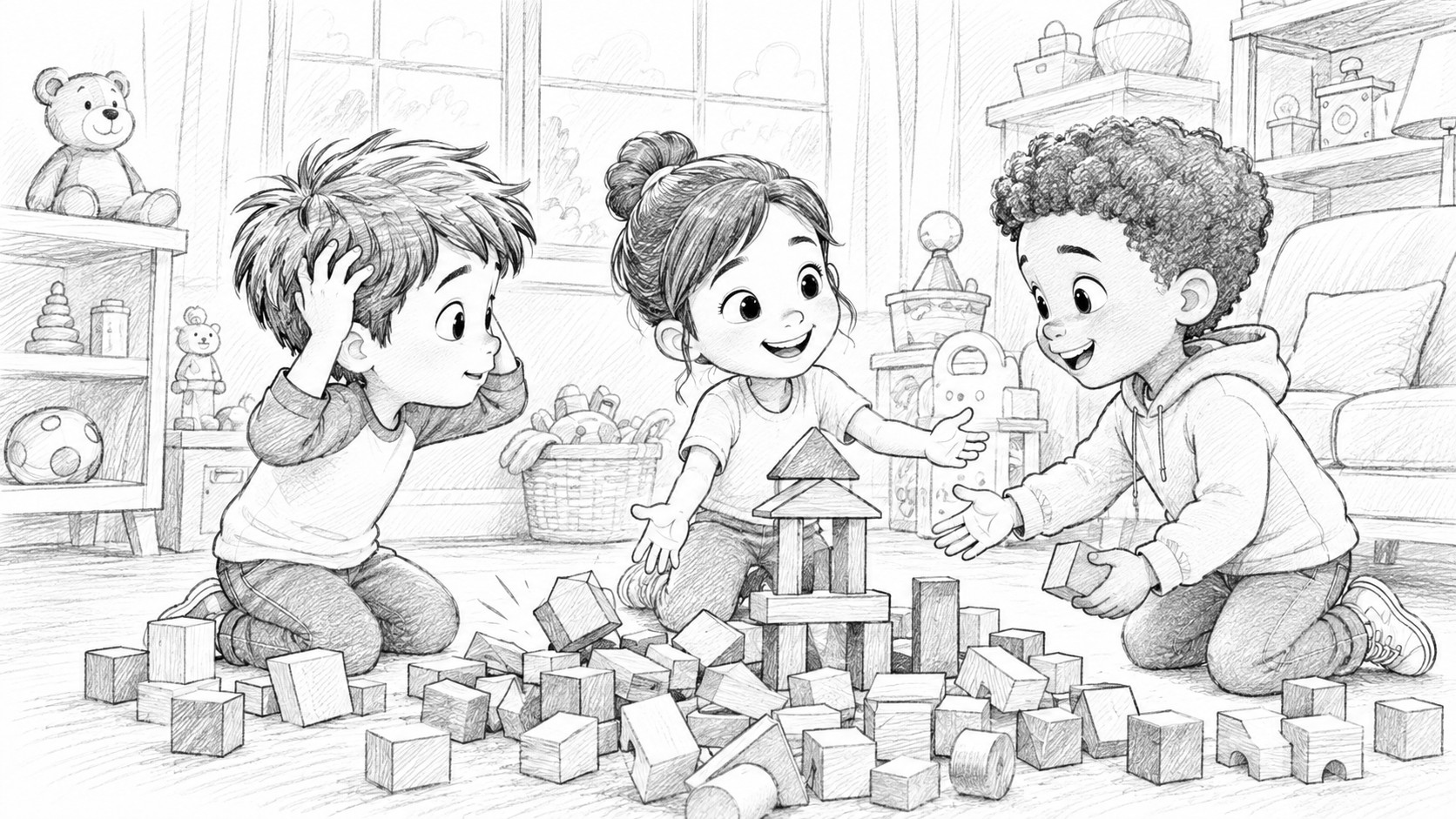
The giant tower of blocks comes crashing down on the rug.
The plan has changed. And the pivot? The pivot is incredibly hard. Kids crave routine.
They thrive on knowing exactly what happens next. So when the plan changes, they often struggle. It feels less like a minor bump and more like a total disaster.
Their brains are wired for predictability. That means cognitive flexibility takes time and practice to grow.
We want to help kids build cognitive flexibility so they can handle these unexpected moments.
But how do we teach adaptability during a meltdown? We do not. We teach it in the calm, quiet moments.
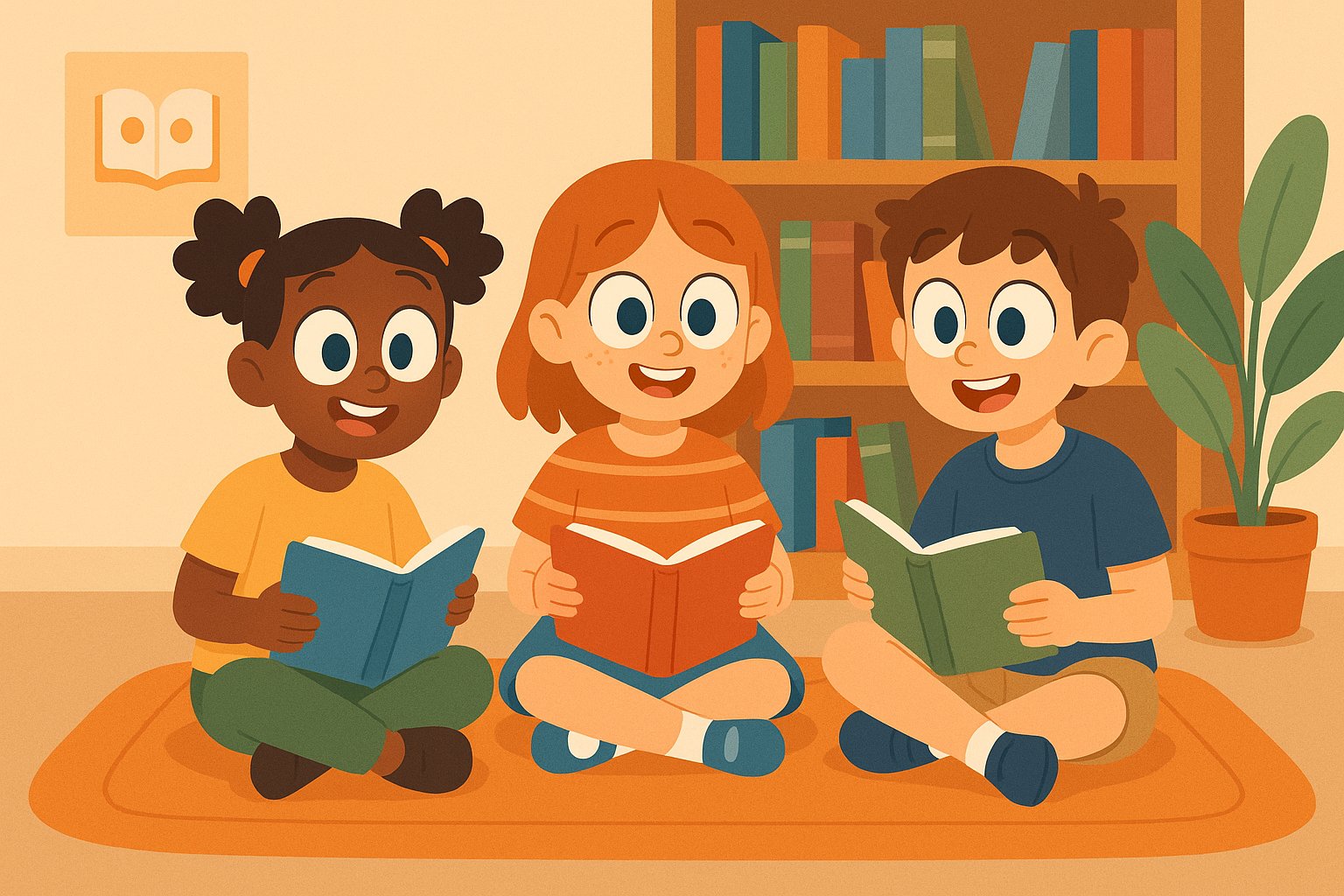
We teach it when they are cuddled up beside us with a good book.
Books provide a safe space. Children can watch characters face the unexpected from a comfortable distance. They witness the frustration.
They observe the pause.
And finally, they experience the joy of finding a new way forward. Here are eight stories that help children master the big pivot.
Beautiful Oops! by Barney Saltzberg
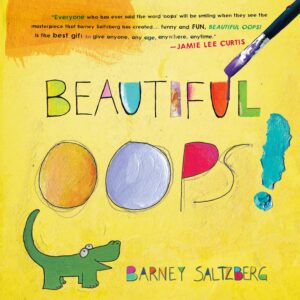
Kids often panic when they make a mistake.
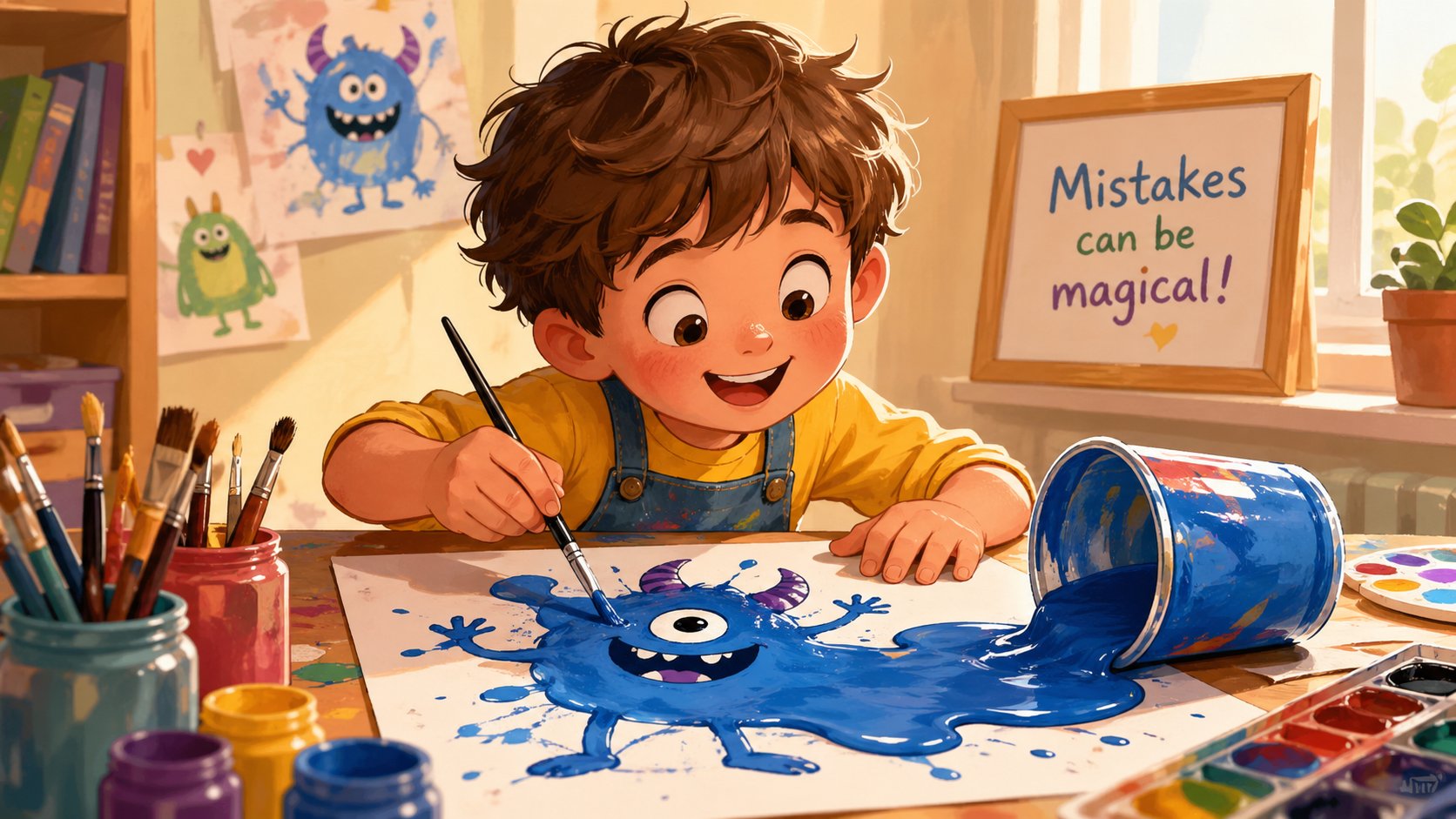
A stray marker line or a spilled drop of paint can ruin their perfect drawing. This book is the perfect cure for that perfectionism.
It takes common artistic mistakes and turns them into something fun.
Instead of seeing a mistake as a failure, this book shows it as a starting point. It is a wildly interactive read.
Flaps, folds, and holes show how a torn piece of paper can become a friendly alligator. It completely changes how kids view an accident.
What kids notice: They love the physical changes on the page. They are amazed when an ink spill turns into a funny bug.
Story snapshot: This interactive book guides the reader through a series of messy mistakes. It shows how a folded page, a smudge, or a stain can be creatively adapted into art.
Why this book helps: It teaches immediate adaptability. It proves that a ruined plan is just a new opportunity. This helps children lower their defenses. They learn to get creative instead of shutting down emotionally.
Pete the Cat: I Love My White Shoes by Eric Litwin

Pete the Cat is the ultimate master of going with the flow. This popular, rhythmic story follows a very relaxed cat.
He has a clear plan to take a walk in his brand new, white shoes. But the universe has other plans for him.
Pete steps into some very messy obstacles. But Pete’s magic is in his reaction. He does not cry. He does not stop walking. He simply accepts the new reality. He changes the lyrics to his song and keeps moving. It is the coolest demonstration of flexibility.
What kids notice: They love singing the catchy song. They enjoy shouting out the new colors of Pete’s shoes after he steps in each mess.
Story snapshot: Pete goes for a stroll in his white shoes. He steps in piles of strawberries, blueberries, and mud. Instead of getting upset, he embraces the new colors and keeps singing.
Why this book helps: It beautifully shows the difference between what happens to us and how we react. Pete shows children that even when things get messy, you can adapt your attitude. You can find the good in a new situation and keep moving forward.
The Most Magnificent Thing by Ashley Spires
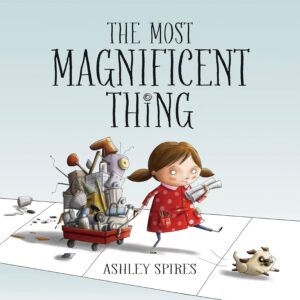
Sometimes, we have to pivot because of our own high expectations. A little girl in this story has a brilliant idea.
She wants to make the most magnificent thing.
She knows exactly how it should look. She knows how it should work.
But her hands cannot build the perfect vision in her head. She tries, fails, adjusts, and fails again. Her rigidity leads to an explosive moment of anger. It is a very relatable moment for any child who has hurled a puzzle piece across the room.
What kids notice: They connect with the little girl’s growing frustration. They also love the loyal, comforting presence of her dog.
Story snapshot: A young inventor sets out to build a magnificent creation.
She repeatedly fails to make the reality match her vision. She gets mad, takes a walk, and gains perspective. Then she adapts her past failures into a success.
Why this book helps: It normalizes the intense frustration of a failed plan. It also models a healthy coping mechanism.
Taking a break brings a fresh, flexible perspective. Children learn that adapting your approach is often the only way to reach your goal.
Stuck by Oliver Jeffers
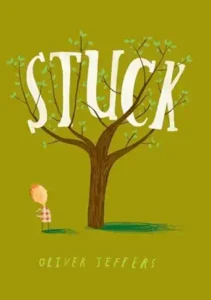
Floyd’s kite gets stuck in a tree. His original plan of flying it is ruined. He needs a new plan right away.
His first pivot is logical. He throws a shoe to knock the kite down. But the shoe gets stuck too.
The story gets wildly funny from here. Floyd’s next pivots become more and more absurd.
He never gives up on getting his kite. He just keeps changing his strategy. He throws everything from a ladder to an orangutan into the tree.
What kids notice: They laugh out loud at the ridiculous, massive objects Floyd throws into the branches.
Story snapshot: A young boy gets his kite stuck in a tree. He tries to knock it down by throwing a series of bizarre items into the branches. Sadly, everything gets completely stuck.
Why this book helps: It brings humor to the feeling of being stuck. It shows children that brainstorming new solutions is productive. Even silly ideas help when your first and second plans fail.
What Do You Do With a Problem? by Kobi Yamada
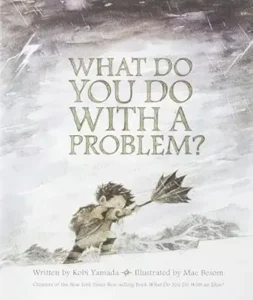
A change in plans often feels like a giant problem to a child. This beautifully illustrated book shows a problem as a dark cloud.
The cloud follows the child everywhere. The child’s first instinct is not to adapt. They try to hide instead.
Avoiding the pivot never works. The problem just gets bigger. The true pivot happens internally.
The child finally decides to face the challenge. The story shifts the focus. It changes “this ruins my day” to “this might be valuable.”
What kids notice: They are drawn to the moody artwork. They notice how the illustrations brighten when the child finally faces the storm cloud.
Story snapshot: A child is followed by a persistent problem. They try everything to avoid it. When they finally gather the courage to face it, they discover a beautiful opportunity inside.
Why this book helps: It teaches children that unexpected disruptions are not always bad. By adapting their mindset, they can face the problem. They might even discover a brand new opportunity.
Not a Box by Antoinette Portis
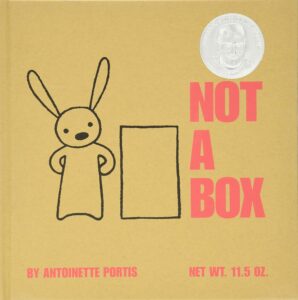
Adaptability is closely linked to imagination. What happens when a child lacks a specific toy?
Can they pivot and use what they have? This minimalist book champions flexible thinking. It features a small rabbit and a simple cardboard box.
To the adult in the book, it is just a boring box. But to the rabbit, it is anything but boring.
The book flips back and forth between reality and imagination. It celebrates making do. It shows how to pivot your play and create your own fun.
What kids notice: They love guessing what the box will become next. They are captivated by the simple drawings mixed with bright shapes.
Story snapshot: An unseen narrator questions why a rabbit is playing with a box. The rabbit uses imagination to show that the box is actually a racecar, a mountain, or a rocket ship.
Why this book helps: It is a joyful exercise in cognitive flexibility. It shows children they can adapt their environment. When they lack the exact toy they want, imagination saves the day.
Going Places by Peter and Paul Reynolds
There is a time to follow rules.
There is also a time to ignore the instruction manual. Rafael loves instructions.
He carefully follows the plan to build a go-kart. Maya is different. She prefers to pivot and sees total potential.
The beauty of this story is the teamwork. Rafael realizes Maya is not building a standard go-kart. He does not correct her. He joins her instead.
Together, they adapt the standard parts into a flying machine.
What kids notice: They are fascinated by the detailed building process. They get very excited when Maya’s winged creation finally takes flight.
Story snapshot: During a go-kart building contest, one student follows the instructions perfectly. His classmate ignores the plan and builds a flying machine. They team up to create something amazing.
Why this book helps: It directly challenges rigid thinking. It shows children that plans are helpful. But giving yourself permission to pivot can lead to incredibly innovative results.
Put Your Child in the Heart of the Story
Reading about a character facing a sudden change is great. But what if your child could be the hero of the pivot?
With Scrively, you can make 100% custom kid’s books in minutes. Your child becomes the main character in their own unexpected adventure.
Imagine a beautifully illustrated story featuring your child.
Their name and features are woven into a tale about flexible thinking. It is point and click simple to create unlimited books.
You can tackle the exact emotional milestones your family faces. Build a library of resilience, uniquely tailored for the child you love.
Raising Flexible Thinkers One Page at a Time
The truth is, life rarely sticks to the itinerary. Rainy days happen. Blocks fall. Plans get canceled.
We cannot protect our kids from every change. But we can give them the emotional tools they need to handle the bumps.
By reading these stories, you give them the language of adaptability. You show them a pivot is not a punishment. It is a chance to discover a new path. Keep reading together.
Keep breathing through the sudden shifts. Watch your little one learn to bend without breaking.