The Sibling Shift: Helping Your Child Find Harmony When the Family Grows
You notice it in the way they hover by the nursery door, a mix of intense curiosity and a tiny bit of “what about me?” written across their face.
One day, your child is the center of the solar system, and the next, a new, very loud planet has entered the orbit. It is a massive shift, and for a small person, it can feel like the ground is moving beneath their feet.
This transition isn’t just about learning to share toys or being quiet during naptime. It is a fundamental rewriting of their identity.
They are no longer just “the child”; they are now “the big sibling.” That is a high-stakes promotion, and it comes with a lot of big feelings that they don’t always have the words to describe yet.
When you see that flicker of frustration or the sudden regression into “baby behavior,” it’s easy to feel a pang of worry.
But what if we looked at this shift as their first real masterclass in harmony? Harmony doesn’t mean everything is perfectly quiet or that they never disagree.
It means learning how to blend two different lives into one beautiful, albeit noisy, family song.
Books serve as the perfect rehearsal space for this new role.
They allow your child to see their own feelings mirrored in a character, providing a safe distance to explore the jealousy, the excitement, and the eventual pride of being a protector.
Through stories, the “new baby” stops being a rival and starts being a partner in the long game of growing up together.
Stories That Build Sibling Harmony
The New Small Person — Lauren Child
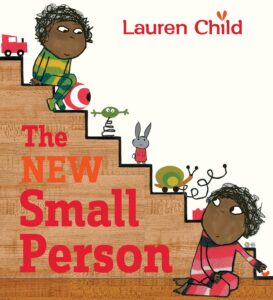
Elmore Green has a very nice life where everything is exactly his. Then, the “new small person” arrives and starts moving things around.
This story captures the slow-burn realization that having someone else around might actually be more fun than being alone. It perfectly mirrors the internal monologue of a child who isn’t quite sold on the idea of a sibling yet.
What kids notice: They will see the way Elmore’s personal space is invaded and how the “small person” follows him everywhere.
The visual shift from Elmore being alone in bright colors to sharing his space is something kids pick up on immediately.
Story snapshot: Elmore Green is an only child who likes his things just so. When a new sibling arrives, Elmore isn’t a fan until he realizes that the small person is the only one who truly understands his taste in jelly beans and scary movies.
Why this book helps: It validates the feeling of displacement. It doesn’t rush the “love at first sight” narrative, which is much more realistic for many children. It shows that harmony is a gradual process of finding common ground.
Wolfie the Bunny — Ame Dyckman

The Bunny family adopts a wolf, and while the parents are enamored, Dot is the only one who sees the potential danger.
This is a hilarious and high-energy take on the “new arrival” trope that addresses the fear of change through humor. It’s particularly great for children who feel a bit skeptical about the new addition to the family.
What kids notice: They love the absurdity of a wolf in a bunny family.
They will notice Dot’s frustration when her parents don’t listen to her warnings, which validates their own need to be heard during a family transition.
Story snapshot: Dot’s parents find a bundle on their doorstep. It’s a wolf. Dot is convinced he’s going to eat them all, but as she watches him grow, she finds herself becoming his fiercest protector when a real threat (a hungry bear) appears.
Why this book helps: It reframes the sibling as someone to protect rather than someone to fear.
It teaches that family is built on choice and loyalty, and that even the most unlikely pairings can find a harmonious rhythm.
Pecan Pie Baby — Jacqueline Woodson
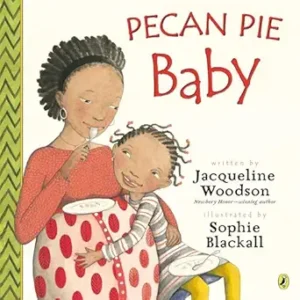
Gia is not interested in the “ding-dang baby” that everyone keeps talking about. She feels like her special bond with her mother is being threatened by the arrival of a new sibling.
This book is exceptionally warm and focuses on the “waiting” period, which can be the hardest part for an older child to navigate.
What kids notice: They notice Gia’s mood and how she feels left out of the excitement. The “pecan pie” serves as a beautiful symbol of the things that stay the same even when everything is changing.
Story snapshot: As Gia’s mother’s belly grows, Gia feels more and more isolated by the talk of the new baby.
Through a quiet moment of sharing pie, she and her mother reconnect, and Gia realizes that her place in her mother’s heart is secure.
Why this book helps: It addresses the “virtue of harmony” by focusing on the mother-child relationship. It reassures the older child that their connection to you is a constant, which is the foundation they need to eventually welcome the new sibling.
Maple & Willow Together — Lori Nichols
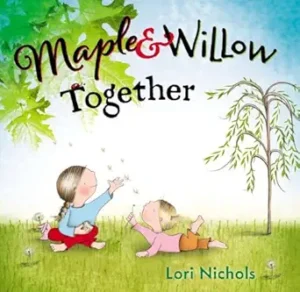
Maple and Willow are sisters who are the best of friends, until they aren’t.
This story explores the inevitable friction that comes with siblinghood—the disagreements over games and the need for personal space. It is a gentle look at how to resolve conflict and find your way back to each other.
What kids notice: They will recognize the “imaginary” play and the sudden, sharp shift into a “big mad” fight. They will notice how quiet and lonely it feels when they aren’t playing together.
Story snapshot: Two sisters spend their days in the backyard creating worlds together. When a disagreement leads to a “shouting match,” they have to figure out how to bridge the gap and apologize without losing face.
Why this book helps: It models conflict resolution in a way that feels natural. It shows that harmony isn’t the absence of fighting; it’s the ability to find your way back to the “together” part after the fight is over.
Peter’s Chair — Ezra Jack Keats

Peter is not happy that all his old furniture is being painted pink for his new sister, Susie.
He decides to run away with his favorite blue chair, only to realize he’s grown too big for it. This is a classic story about outgrowing one role and stepping into another with grace.
What kids notice: They see Peter’s sense of ownership over his things. They will notice the moment Peter tries to sit in the chair and realizes it no longer fits, which is a powerful visual metaphor for growing up.
Story snapshot: Peter sees his cradle and high chair being repurposed for his baby sister. He grabs his little blue chair and heads outside, but eventually realizes that his new role as a big brother is more important than holding onto his “baby” things.
Why this book helps: It helps children process the “loss” of their babyhood. It encourages the virtue of generosity and the pride that comes with being the “big” one who can help the “little” one.
Lola Reads to Leo — Anna McQuinn
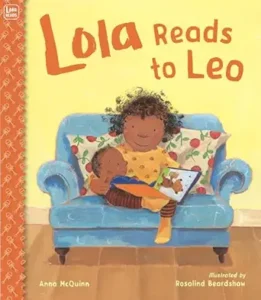
Lola is a book lover, and when her brother Leo arrives, she finds the perfect way to connect with him: reading.
This is a joyful, low-stress depiction of sibling life that focuses on the practical ways a big sibling can be involved in the care of a baby.
What kids notice: They notice Lola’s competence. She knows which books Leo likes and how to help her parents. This gives them a “job description” for their new role that feels empowering rather than burdensome.
Story snapshot: Lola prepares for Leo’s arrival by choosing books. Once he’s home, she uses stories to soothe him, entertain him, and bond with him, showing that her love of reading is a gift she can share.
Why this book helps: It provides a positive roadmap for interaction. Harmony is often found when the older child feels they have a purpose and a unique contribution to make to the new baby’s life.
The Baby Tree — Sophie Blackall
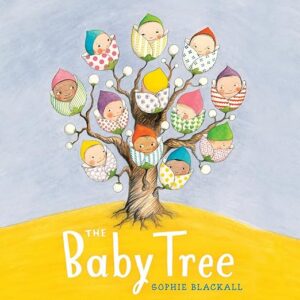
When a young boy is told a new baby is coming, he asks everyone where babies come from.
He gets a variety of whimsical answers before his parents give him the gentle, age-appropriate truth. This book addresses the curiosity and slight confusion that often precedes the “sibling shift.”
What kids notice: They notice the different “myths” about babies (seedlings, storks, hospitals) and the protagonist’s quest for a real answer. It validates their curiosity and their need for honest communication from adults.
Story snapshot: A curious boy spends a day asking neighbors and family members about the origin of babies. After a day of confusing answers, his parents sit him down and explain the process in a way that makes him feel included and informed.
Why this book helps: Harmony is built on trust. By being honest with children about the changes coming to the family, you reduce the anxiety of the unknown and make them feel like a respected member of the “planning committee.”
The Squirrels Who Squabbled — Rachel Bright
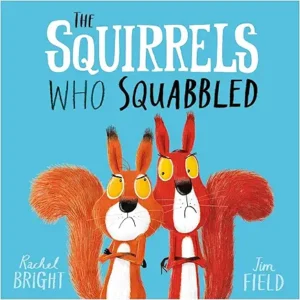
While not strictly about siblings, this story about two squirrels competing for the last pinecone of the season is a perfect parable for sibling rivalry.
It illustrates the futility of competition and the necessity of cooperation when things get tough.
What kids notice: They notice the fast-paced, “greedy” energy of the squirrels.
They will see how the obsession with “winning” the pinecone leads both squirrels into a dangerous situation where they have to work together to survive.
Story snapshot: Cyril and Bruce both want the very last nut of the season. Their chase leads them over a waterfall and into the path of a bird of prey, forcing them to realize that sharing is the only way to stay safe.
Why this book helps: It uses humor to show the downside of the “me first” mentality. It encourages children to see that working in harmony is more productive (and much less exhausting) than constant competition.
Put Your Child in the Heart of the Story
While these books are wonderful tools for teaching harmony, there is something truly transformative about a child seeing themselves as the hero of the narrative.
With Scrively, you can create custom stories where your child is the star, navigating these very shifts in real-time.
You can tailor the story to include their specific feelings about a new sibling, their favorite toys, and the unique ways your family finds its rhythm.
When a child sees their own face and name in a book about being a “big brother” or “big sister,” the lesson moves from the page into their heart, making the transition feel like a grand adventure they were born to lead.
The sibling shift is one of the most significant milestones in a child’s early life. It is the beginning of a lifelong relationship that will teach them more about love, patience, and negotiation than almost any other experience.
By using these stories as a guide, you aren’t just helping them survive the arrival of a new baby; you are helping them build the emotional infrastructure for harmony that will serve them for decades to come.
Trust the process, lean into the stories, and remember that even the most discordant notes eventually find their way into a beautiful song.