Struggling With Toy Clutter? These Books Help Your Child Learn to Clean Up
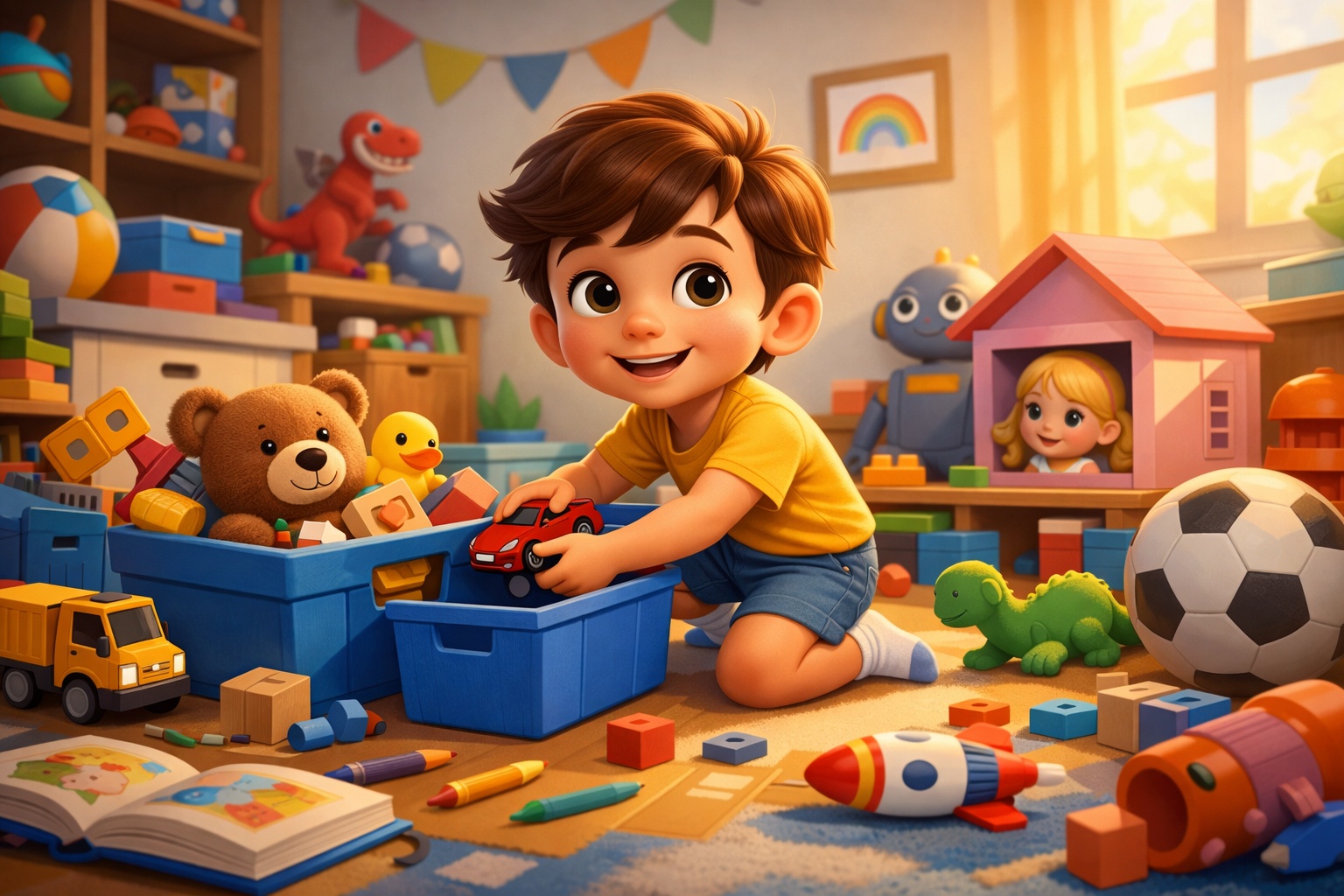
You know the moment. Blocks are scattered across the living room floor. Crayons have rolled under the couch.
A doll is face-down near the hallway, and somehow one sock has joined the party. Playtime was joyful and immersive — and then it ended.
Now comes the shift.
You ask for clean-up. Your child freezes. Maybe they ignore you. Maybe they negotiate.
Maybe they melt into the rug like a tiny exhausted puddle. Clean-up, for many children ages three to seven, feels abrupt and unfair. The fun part just ended. Why add work?
It helps to remember: resistance at this age is normal.
Cleaning up isn’t yet a habit. It’s a developing skill. It requires stopping an activity, organizing scattered items, remembering where things belong, and tolerating the mild frustration of “unfinished play.” That’s a lot.
When you reframe clean-up as learning ownership and order — not obedience — something shifts for you, too.
You begin to see it as practice. And books become one of the safest ways for children to rehearse that practice without pressure.
In stories, characters face messy rooms, scattered toys, shared responsibilities, and the natural consequences of not caring for their space.
Children watch. They relate. They notice the emotional turning points. And slowly, clean-up becomes less about compliance and more about participation.
Llama Llama Mess, Mess, Mess by Anna Dewdney
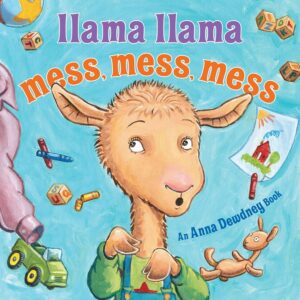
Llama’s room is bursting with toys, clothes, books, and treasures. He’s busy playing, building, imagining — and not noticing the growing chaos around him.
When Mama steps in, Llama is overwhelmed. Where do you even start when everything feels like a pile?
The tension in this story feels familiar. Llama resists. He feels stuck. The mess didn’t happen all at once, and cleaning it won’t either. With gentle guidance, he learns to take it one small section at a time.
The shift happens when the mess becomes manageable. Clean-up turns into sorting. Sorting becomes progress. And progress builds confidence.
What kids notice in this story
Kids notice that big messes feel overwhelming. They see that starting small makes it easier. They understand that clean-up doesn’t erase play — it protects it.
The Berenstain Bears and the Messy Room by Stan & Jan Berenstain
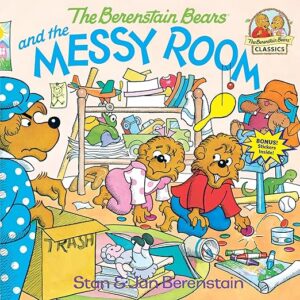
Brother and Sister Bear’s room is a disaster zone. Toys are piled high. Games are lost. There’s barely space to move.
Mama Bear eventually intervenes, but the real heart of the story lies in the siblings realizing how their mess affects daily life.
The resistance is playful but real. Cleaning feels like a chore until they recognize the relief that comes with order. They rediscover toys they’d forgotten. They reclaim space to play again.
Ownership here grows from natural consequence. The mess wasn’t “bad.” It was simply unsustainable.
What kids notice in this story
Children see how clutter makes play harder. They notice the satisfaction of finding things again. They begin to connect effort with comfort.
Too Many Toys by David Shannon
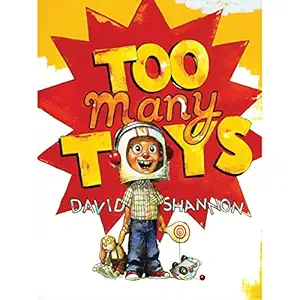
Spencer has more toys than he can possibly use. His room is overflowing. When his mom suggests donating some, he’s not thrilled. Every item feels important.
This story explores emotional attachment to belongings. The tension isn’t about laziness. It’s about letting go. Spencer eventually finds a creative solution that honors both responsibility and imagination.
The shift happens when he participates in the decision instead of feeling forced.
What kids notice in this story
Kids recognize how hard it is to choose what to keep. They see that having fewer toys can make space feel calmer. They learn that participation feels better than pressure.
Clean-Up Time by Elizabeth Verdick
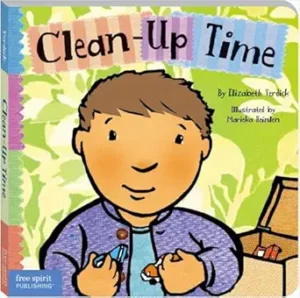
This simple, rhythmic board book meets younger children right where they are. Clean-up is presented as part of the natural rhythm of the day — like snack time or bedtime.
There’s no drama here. Just steady modeling. Toys go back. Hands help. The routine repeats.
The power of this story lies in its predictability. Clean-up isn’t a surprise. It’s an expected transition.
What kids notice in this story
Children see that clean-up happens every day. They notice that everyone helps. They begin to expect the rhythm.
The Pigeon Needs a Bath! by Mo Willems
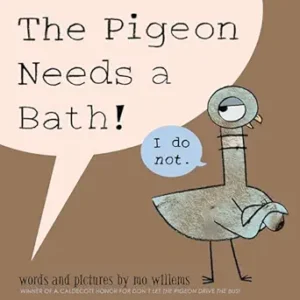
The Pigeon insists he doesn’t need a bath. He argues, complains, rationalizes. The humor is classic Mo Willems — exaggerated and relatable.
While this book isn’t about toys on the floor, it captures the emotional arc of resistance. Avoidance feels easier. Change feels inconvenient. And then something shifts.
Once Pigeon experiences the positive side of the routine, the resistance melts.
What kids notice in this story
Kids laugh at big excuses. They recognize themselves in the arguing. They see that sometimes the thing they resist ends up feeling good.
Pigsty by Mark Teague
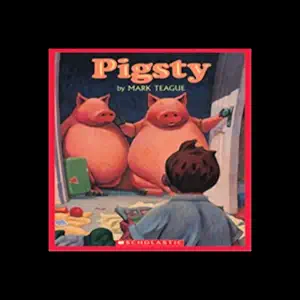
Wendell’s room becomes so messy it literally transforms him into a pig. The exaggeration is playful, not shaming. The mess grows wild, and so does his situation.
The tension builds until Wendell realizes he prefers being himself. Cleaning up becomes a way of reclaiming control.
The shift feels empowering rather than punitive.
What kids notice in this story
Children see how chaos can grow if ignored. They understand the relief of fixing something. They notice that effort changes outcomes.
Whose Tools? by Toni Buzzeo
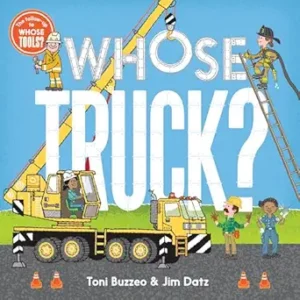
This story introduces tools and caretaking in a classroom or workshop setting. It emphasizes respecting materials and returning them properly.
The tension centers around shared use. When tools are misplaced, everyone is affected.
Responsibility here is framed as community care.
What kids notice in this story
Children see that shared items need shared care. They recognize how returning something helps the next person. They learn that small actions matter.
The Paperboy by Dav Pilkey
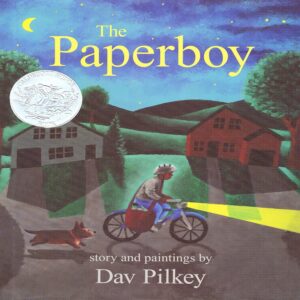
In this quiet, reflective story, a young paperboy wakes before dawn to deliver newspapers. The routine is steady. The responsibility is quiet but meaningful.
There’s no lecture here. Just consistency. He shows up. He completes his task. He takes pride in his work.
The shift isn’t dramatic — it’s steady ownership.
What kids notice in this story
Kids see calm responsibility in action. They notice that doing a job well feels peaceful. They understand that routines build pride.
A Gentle Word About Repetition
Clean-up habits rarely form after one conversation. Or even ten. They grow through repetition — in small, consistent ways. The same reminder. The same routine. The same language.
When you reread these stories, your child begins to anticipate the turning point. They know when the character will start sorting. They know when the mess becomes manageable. That predictability builds internal scripts.
Before introducing a brand-new clean-up rule, try revisiting a story. Let the character model the shift first. Then connect it gently to your own home: “Just like Llama started with one pile.”
Over time, capability replaces resistance. Not because of pressure. Because of practice.
A Personalized Option
If you want your child to see themselves directly inside a story about caring for their space, Scrively offers personalized stories that reflect everyday family life.
When children recognize their own name and home routines in a narrative, ownership can feel empowering rather than imposed.
Clean-up is never about perfection. It’s about participation. Each small effort — one block in a bin, one book back on a shelf — builds something quieter and more lasting than a tidy room. It builds pride.