

When a Friend Is Too Sick to Play: 8 Children’s Books About Steadfastness
Your child has planned a game or counted the days until a sleepover. Then their friend is too sick to join in. Disappointment may bring worry: “Are they still my friend? What should I say?” These children’s books about steadfastness help you begin that conversation with warmth.
Steadfastness can sound like a grand promise. In a child’s life, it may be a small drawing, an invitation offered again without pressure, or remembering that a friend still likes silly jokes. It means keeping someone in mind when the usual ways of spending time together have changed.
It also means respecting limits. Ask the child and caregivers what kind of contact is welcome, and follow any care-team guidance. Sometimes a message is better than a visit; sometimes rest means no reply. Your child can care deeply without becoming responsible for another person’s health or happiness.
The books below range from gentle animal stories about short illnesses to more specific accounts of cancer and migraine. Choose what fits your child’s questions, and preview sensitive material. A fictional recovery never promises a real one. The thread connecting these stories is friendship that makes room for someone’s changing needs.
Eight Children’s Books About Steadfastness When a Friend Is Ill
How Do You Care for a Very Sick Bear? by Vanessa Bayer
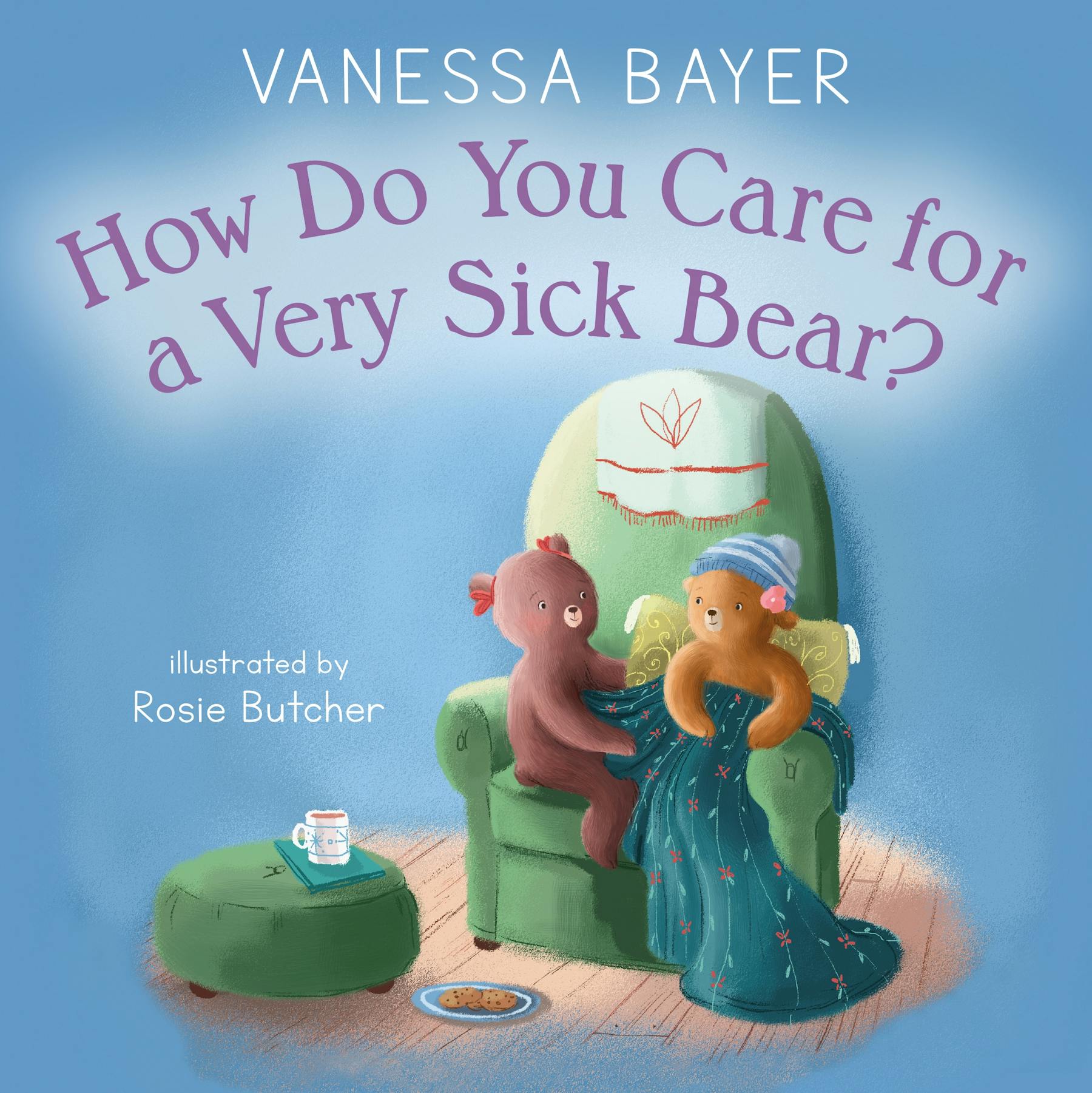 When your child worries about saying the wrong thing, this gentle book offers a welcoming place to begin. Vanessa Bayer keeps the focus on the relationship that already exists. Illness changes what friends can do together; it does not erase everything they enjoy about each other.
Rosie Butcher’s soft illustrations make the subject approachable without pretending that being very ill is easy. Read slowly, leaving room for questions your child may not have found words for yet.
What kids notice: A friend can look different or have less energy while remaining the same loved person. Familiar interests can offer a starting point when conversation feels awkward.
Story snapshot: Two bear friends face the changes that serious illness brings to their usual activities. The book offers ways of caring, including cards, games, and companionship, as one friend feels too unwell for their old routine.
Why this book helps: It makes steadfastness feel manageable. Ask, “What might your friend enjoy receiving?” Then let the child and caregivers guide your plans. Your child can offer connection without expecting a visit, a reply, or a cheerful reaction.
Get Well Soon: A Bikur Cholim Story by Dina Rosenfeld
 Sometimes the kindest answer to “Can we go and see them?” is “Not today.” This picture book helps you explain that boundary without suggesting that your child’s wish to help has been rejected.
Dina Rosenfeld places the story within the Jewish mitzvah of bikur cholim, caring for and visiting people who are ill. Rina Lyampe illustrates Eli’s family life with rich color and detail.
What kids notice: Different situations call for different kinds of care. A contagious cold, hospital rules, and someone’s limited energy can all change what a thoughtful visit would look like.
Story snapshot: Eli wants to visit someone who is sick, but each opportunity has an obstacle. His family suggests other ways to show care, including a telephone call or a note, while he continues searching for a way to help.
Why this book helps: It separates being present in a friendship from being physically present in a room. You can ask, “How could we let someone know we remember them without visiting?” Introduce the book’s religious context respectfully rather than presenting every family’s practices as identical.
Big Tree Is Sick by Nathalie Slosse
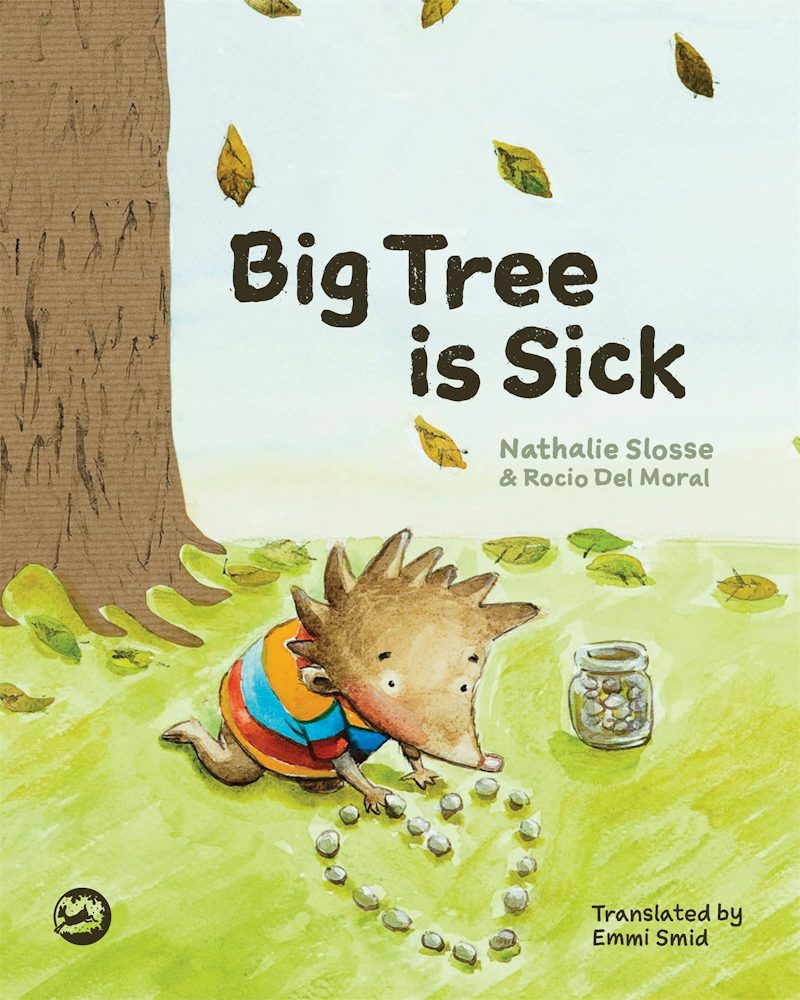 A longer illness can bring feelings that surprise your child. They may miss their friend, feel angry about canceled plans, and then feel guilty for being angry. This story gives those tangled emotions somewhere to land.
Written by Nathalie Slosse, illustrated by Rocio Del Moral, and translated into English by Emmi Smid, it uses a woodland friendship to approach serious illness. Preview it first when a family is facing a frightening diagnosis.
What kids notice: Snibbles has feelings he cannot simply wish away. Caring about someone does not automatically tell him what to do, and accepting help matters for him too.
Story snapshot: Big Tree develops woodworm and cannot play as before. His friend Snibbles feels upset and powerless as Big Tree undergoes treatment. The book follows his emotional response and includes activities for children and supporting adults.
Why this book helps: It leaves room for both love and frustration. Tell your child, “You can be sad about missing your friend and still care about them.” Keep responsibility for treatment with adults; your child’s job is friendship, not making somebody recover.
The Day My Best Friend and a Migraine Slept Over by Audrey Beth Stein
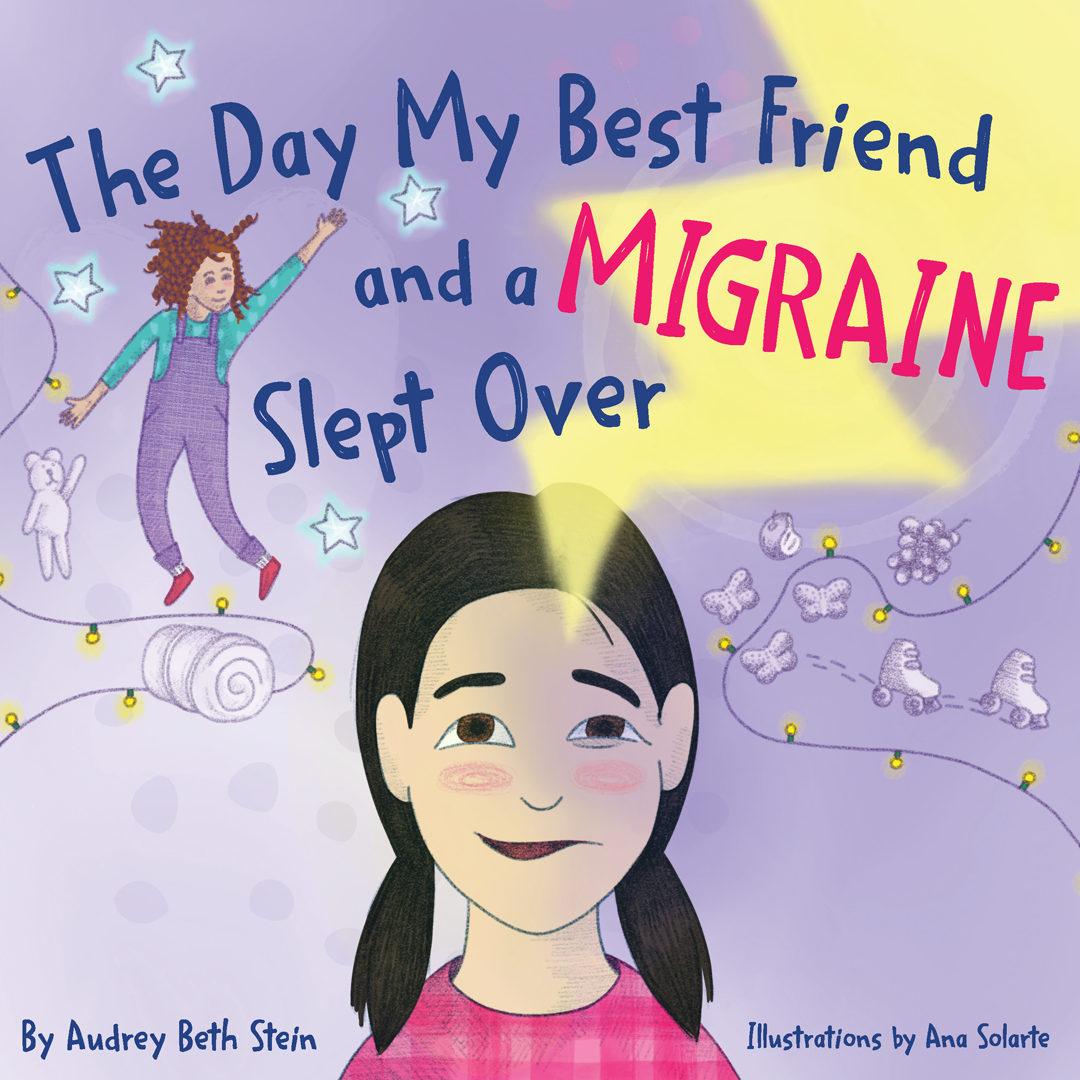 An illness does not always announce itself in a way other children can see. This picture book centers a child whose hoped-for time with a friend is interrupted by migraine, making room for an experience that can be misunderstood.
Audrey Beth Stein writes from an eight-year-old girl’s perspective, with illustrations by Ana Solarte. It is particularly useful when you want to discuss changing plans without treating the child who is ill as the problem.
What kids notice: A much-anticipated sleepover can still require quiet, darkness, or a different sleeping arrangement. Needing an adjustment is not the same as wanting a friend to leave the relationship.
Story snapshot: The narrator looks forward to a special visit from her best friend, Allie. Migraine threatens their plans, and another episode near bedtime means Allie uses the guest room so her friend can rest quietly.
Why this book helps: It offers a concrete example of flexibility serving steadfastness. Ask, “How can we change our plan so everyone’s needs matter?” Read it as a friendship story, not a treatment guide; individual health decisions belong with caregivers and the child’s clinicians.
My Brave Friend: Emma and Noah Face Cancer Together by Suzanne Stone and Brett Fox
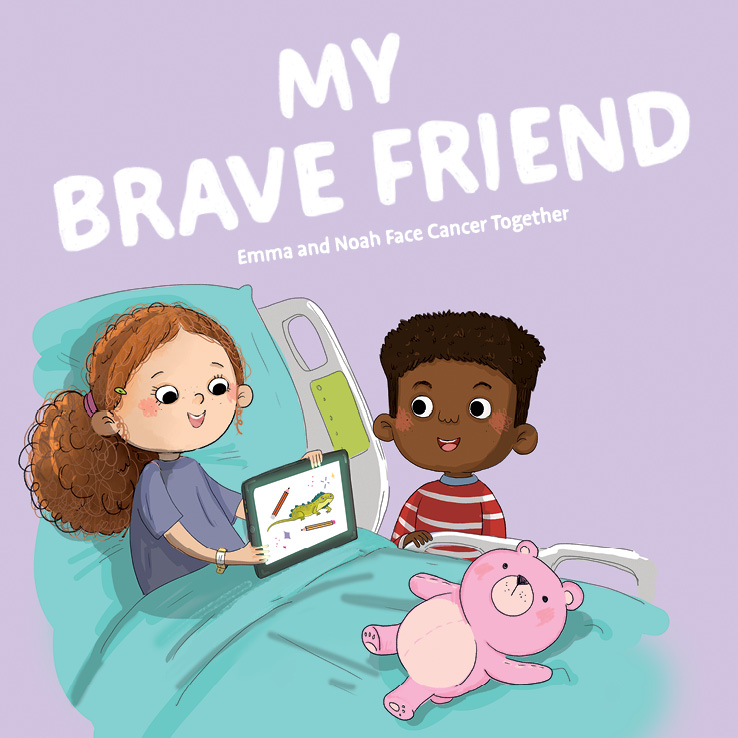 When a classmate has cancer, children may have questions they hesitate to ask. This book gives you a starting point for a conversation in which adults provide explanations and children remain children.
Suzanne Stone and Brett Fox tell the story, illustrated by Srimalie Bassani. Created through Livestrong and Hopecam, it specifically addresses friendship during cancer treatment rather than treating every illness as interchangeable.
What kids notice: Noah needs support too. His concern for Emma becomes easier to express when parents, a teacher, and classmates help him understand what is happening.
Story snapshot: Emma and Noah enjoy school and playing together until Emma’s absence leads Noah to learn about her cancer. With guidance from the adults and children around him, he finds ways to offer comfort and connection while she receives treatment.
Why this book helps: It shows that a child does not need to become a medical expert to remain a friend. Welcome questions, but respect the family’s privacy. You can say, “We can ask a grown-up what would be helpful without asking Emma to explain everything.”
Bear Feels Sick by Karma Wilson
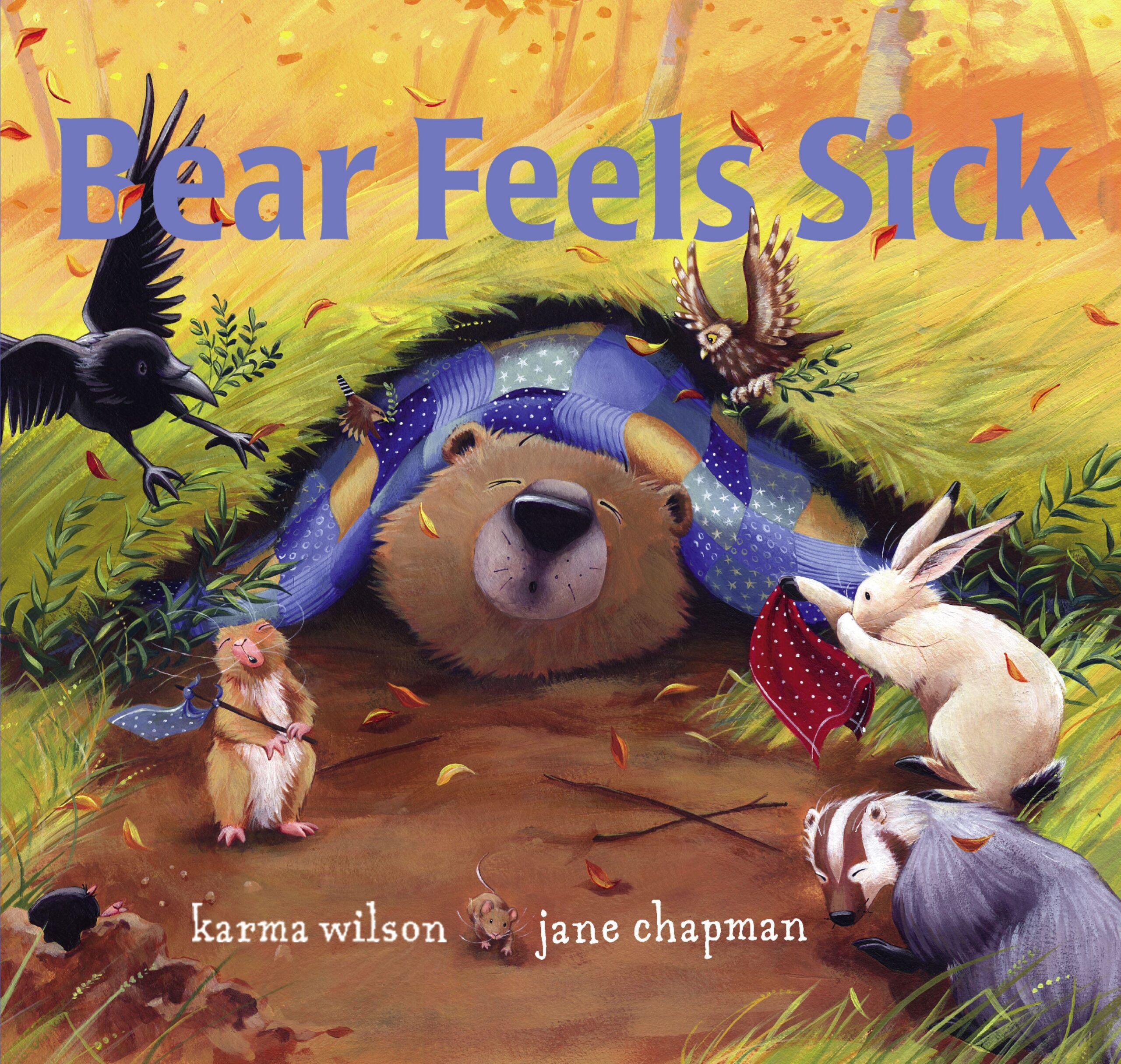 For younger children, a familiar woodland setting can make an emotional conversation less overwhelming. Karma Wilson’s rhythmic story begins with a disappointment your child understands: Bear feels too poorly to play.
Jane Chapman’s illustrations gather his friends around a cozy resting place. The warmth makes this a useful gentle introduction before a more specific conversation about a real friend’s circumstances.
What kids notice: The group changes its usual activities because Bear needs care. Friendship can look quieter when someone aches, sneezes, and cannot settle comfortably.
Story snapshot: Autumn arrives, and Bear is ill. His forest friends care for him with comforting attention, tea, and lullabies as he rests. Their response forms the heart of a story about being cared for when play is out of reach.
Why this book helps: It makes ordinary kindness visible. Ask which parts of the friends’ response feel comforting, then distinguish storybook care from real-life decisions. A book’s tea or close gathering is not a prescription: caregivers decide which food, drinks, contact, and company are appropriate.
Sick Day by David McPhail
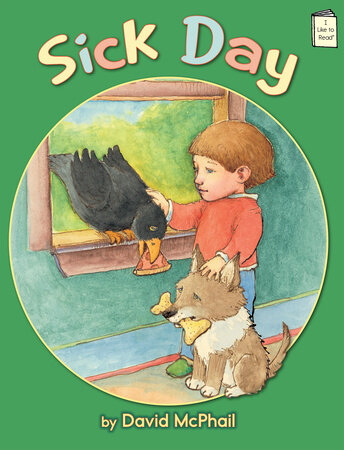 Here is a short, accessible choice for children who are beginning to read independently. David McPhail uses simple language and expressive illustrations to show affection traveling in more than one direction.
You can explore the difference between offering what you happen to like and noticing what another person might actually welcome.
What kids notice: Good intentions do not make every gift suitable. Dog and Bird offer things that make sense to them, but Boy does not have to accept everything to appreciate their care.
Story snapshot: Boy becomes sick, and Mom brings soup. Dog brings a bone, while Bird brings pizza. Boy declines those offerings and later gets well. When his friends become sick, he has an opportunity to care for them in turn.
Why this book helps: It opens a conversation about listening before helping. “Would you like a picture or a short message?” gives a friend more choice than arriving with a plan already decided. The later exchange of care is part of this story, not a debt that someone who is ill must repay.
The Sniffles for Bear by Bonny Becker
 Humor can help when your child is nervous. Bonny Becker and Kady MacDonald Denton pair a very miserable Bear with an energetically helpful Mouse, letting their different moods create the comedy.
This is a lighter story about a cold, not a model for understanding the seriousness of every illness. Keep that distinction clear if your child knows someone whose condition is long-lasting or life-threatening.
What kids notice: Mouse’s cheerful approach does not match how Bear feels. A helper can mean well and still miss the emotional tone of the person they want to comfort.
Story snapshot: Bear is convinced that his terrible cold is exceptionally serious. Mouse arrives eager to help him feel better, while Bear doubts that his small friend understands the situation. Their mismatched responses drive the story’s comic drama.
Why this book helps: It gives you a playful opening for an important question: “How could Mouse find out what Bear needs?” Enjoy the exaggeration without calling a real child dramatic. Steadfast care includes listening to discomfort, accepting a request for space, and trying a gentler approach.
Put Your Child in the Heart of the Story
After reading, imagine your child as the friend who keeps showing up thoughtfully. What happens when a visit is canceled? Perhaps they draw a shared memory, ask a caregiver to pass along a joke, or save an idea for another day. Let the friend in the story choose whether to join in.
A personalized story from Scrively can offer another way to explore a virtue through a child’s own place in the adventure. Seeing themselves in a story may make an abstract idea feel more personal. Keep the real friend’s medical details private, and avoid turning their experience into a lesson without permission.
Carry that practice into real life. Help your child choose one kind gesture they can follow through on, with an adult arranging the details. Small acts help friendship continue beyond the first burst of concern.
A Friendship That Has Room to Rest
You do not need the perfect explanation, and your child does not need the perfect gift. Start by listening to what they miss and what they fear. Then help them discover a form of connection that respects their friend’s energy, preferences, and privacy.
Some days, steadfastness is a conversation. On others, it is quietly remembering someone while they rest. When you help your child offer care without demands, you show them that friendship can stay meaningful even when nobody is ready to play.