When the News Feels Too Big: 8 Children’s Books About Hope
You turn off the news, but your child is still thinking about it. A question arrives while you are packing lunch or finding a missing sock: “Why did that happen?” You want to answer honestly. You also wish you could make the world feel smaller for a moment.
Sometimes children hear the details. Sometimes they notice your expression, catch a worried conversation, or bring home a classmate’s version of events. Before explaining everything, ask what they have heard and what they are wondering about. Their question may be different from the one you expected.
Hope gives you something worthwhile to offer without promising that nothing bad will happen. You can acknowledge a hard truth, point to people who are helping, and remind your child that adults are responsible for working on adult problems. Your child can care without carrying the whole world.
These eight children’s books about hope offer different starting places. Some speak directly to feeling overwhelmed; others explore kindness, belonging, or the possibility of change. Choose one that suits your child today. You do not need to finish every page, ask every question, or turn reading together into another difficult assignment.
Eight Picture Books for Finding Hope When the News Feels Too Big
The Rhino Suit by Colter Jackson
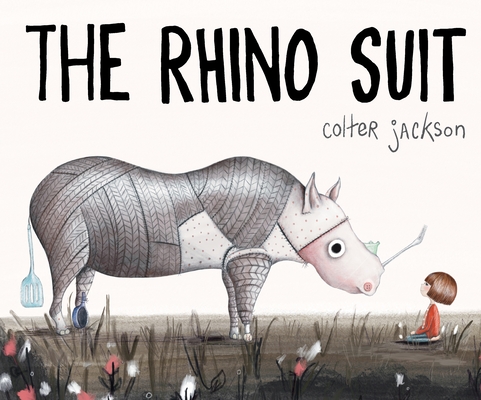
For the child who seems to feel every sad thing deeply, this story offers an imaginative way to begin. A protective suit makes an enormous feeling visible. Your child can talk about the girl’s experience before deciding whether to share their own.
Jackson writes and illustrates the book, giving sensitivity a shape that young readers can understand. Keep one distinction clear as you read: taking a break from upsetting news is healthy. Caring about others never requires watching more than you can handle.
What kids notice: The girl wants protection because the world hurts her feelings. Her wish makes sense, even when her solution creates a new problem. Children may recognize that urge to hide without needing a grown-up to label it.
Story snapshot: Troubled by things such as litter and an animal without shelter, a girl builds herself a rhino suit. Inside it, she is separated from painful experiences, but also from joyful ones and opportunities to connect.
Why this book helps: It opens a conversation about caring with support. You might ask, “What helps you rest when your feelings get too big?” Offer company and a manageable pause, rather than telling your child to toughen up.
Most People by Michael Leannah
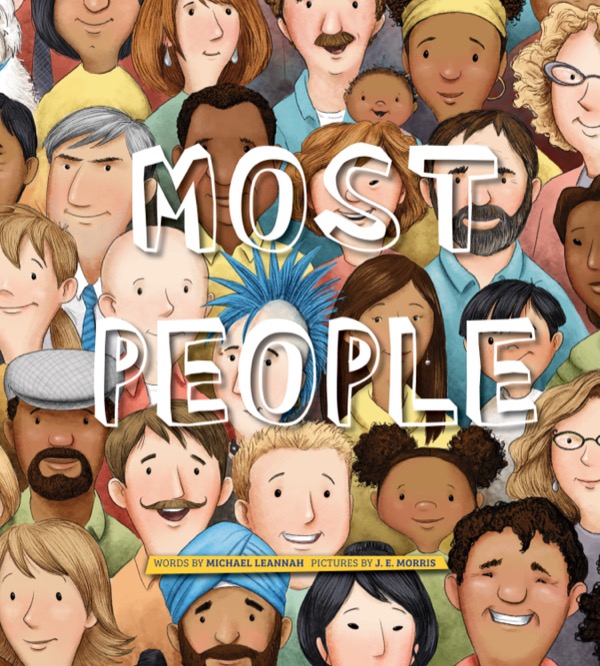
A frightening story can fill a child’s whole picture of the world. Most People gently widens that picture. With illustrations by Jennifer E. Morris, it invites you to notice the many ordinary interactions happening beyond the headlines.
This is a useful choice when your child starts speaking in sweeping terms: “Everyone is mean,” or “Nobody helps.” Read with curiosity rather than using the title as an argument against their fear.
What kids notice: A busy city contains people with different appearances and different things to do. Looking closely reveals helpful actions that might otherwise pass unnoticed. Kindness does not belong to one particular kind of person.
Story snapshot: The book follows everyday urban life, showing people moving through shared spaces and encountering one another. Its hopeful view grows from small human interactions rather than a dramatic rescue or a single hero.
Why this book helps: You can acknowledge that harmful behavior exists while also noticing evidence of care. Ask, “Who made someone’s day easier today?” Keep ordinary safety rules intact. A hopeful view of people should never mean ignoring boundaries or making your child trust everyone.
A Good Thing Happened Today by Michelle Figueroa
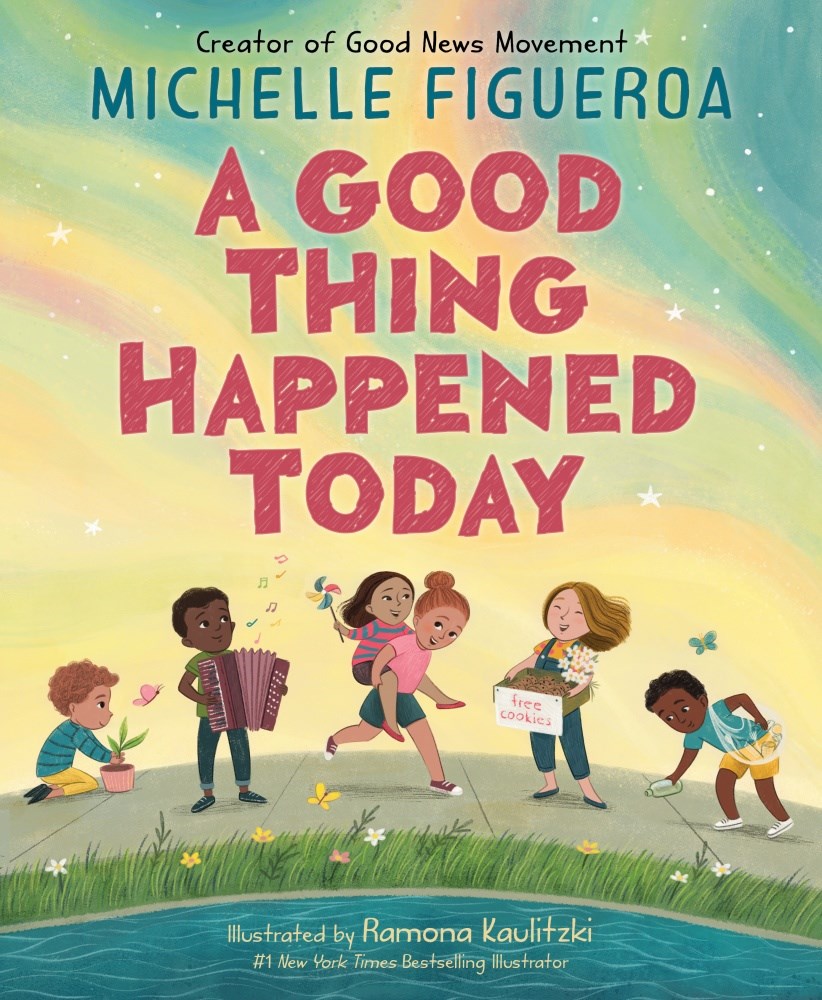
Some good things happen quietly. They do not interrupt dinner or send an alert to your phone. This rhythmic picture book, illustrated by Ramona Kaulitzki, gives those moments space on the page.
It is especially useful when you want to broaden a conversation after listening to your child’s worry. Let the difficult feeling have its turn first. Then see whether your child would like to look for something encouraging together.
What kids notice: Good news can involve something small as well as something impressive. The book’s rhythm and welcoming pictures make noticing feel like an invitation, rather than a test with a correct answer.
Story snapshot: Figueroa, the creator of Good News Movement, gathers hopeful moments inspired by real-life good news into a lyrical celebration. The book draws attention to positive things happening in the world.
Why this book helps: It gives families practice holding more than one truth at once. Something upsetting happened, and someone also did something kind. Try naming one helpful moment from your own day. Leave room for your child to say they are still sad afterward.
Somewhere Today: A Book of Peace by Shelley Moore Thomas
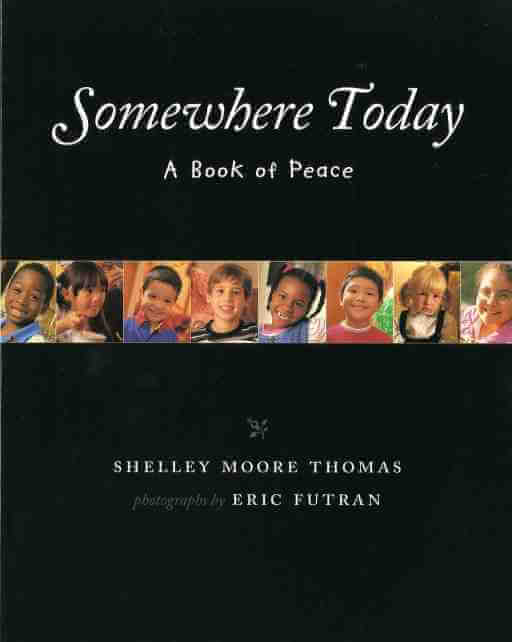
Photographs can bring a different kind of reassurance. In this book, Eric Futran’s pictures show real people doing ordinary things that make life gentler for someone else. The actions are close enough to a child’s experience to understand.
You can linger over a single photograph instead of reading straight through. Ask what your child sees before explaining what you think the picture means. Their attention may settle on a detail you missed.
What kids notice: Helping does not always look like an emergency response. It can look like time, patience, companionship, or showing someone how to do something new. Both children and grown-ups have a place in these scenes.
Story snapshot: The book visits peaceful acts, including spending time with an older person, helping a younger sibling ride a bike, and sharing an experience across cultures. Repeating language connects these separate moments.
Why this book helps: It makes care concrete without asking your child to solve a crisis. You might notice the helpers already around your family. If your child wants to join in, choose one small activity together. Being helped is valuable, too.
Rain Before Rainbows by Smriti Prasadam-Halls
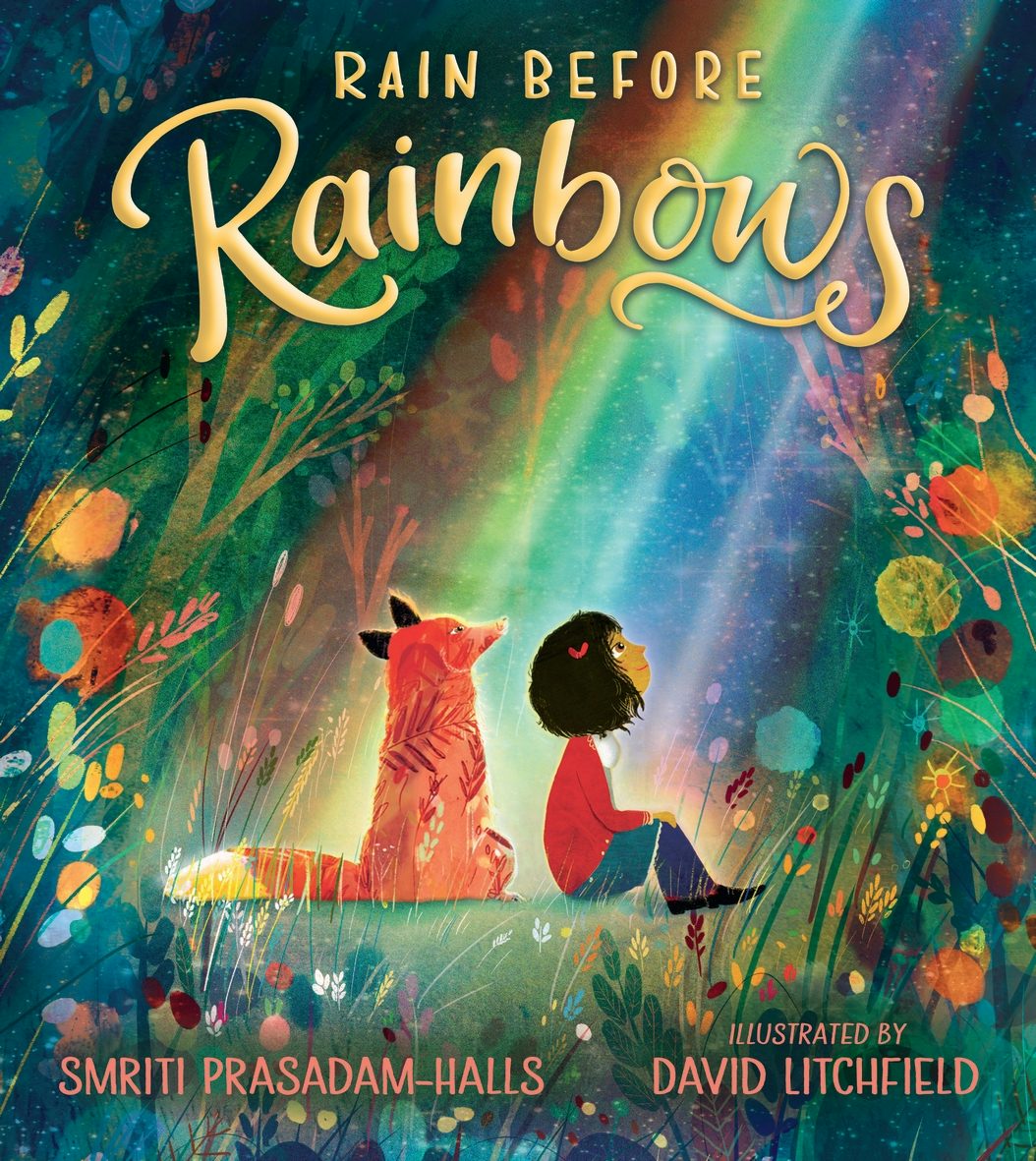
Sometimes a story with distance from the news is the better choice. A girl and a fox travel through a richly imagined landscape in this book, illustrated by David Litchfield. The journey offers room for feelings without requiring an explanation of a real event.
Let the pictures set the pace. Your child may want to stay with a comforting spread or move quickly past a darker one. Either response can guide how you share the book.
What kids notice: The travelers encounter difficult stretches, but they also find others who guide and support them. The friendship between the girl and the fox gives the changing landscape a steady point of connection.
Story snapshot: Leaving a sorrowful past behind, the companions move through stormy places toward new possibilities. The language and illustrations use darkness, weather, and growing things to explore change and hope.
Why this book helps: Its hopeful movement can support a conversation about taking another step with someone beside you. Treat the rainbow as poetry, not a promise that tomorrow fixes every problem. Ask, “Who could help us through a difficult part?”
Little Mole Finds Hope by Glenys Nellist
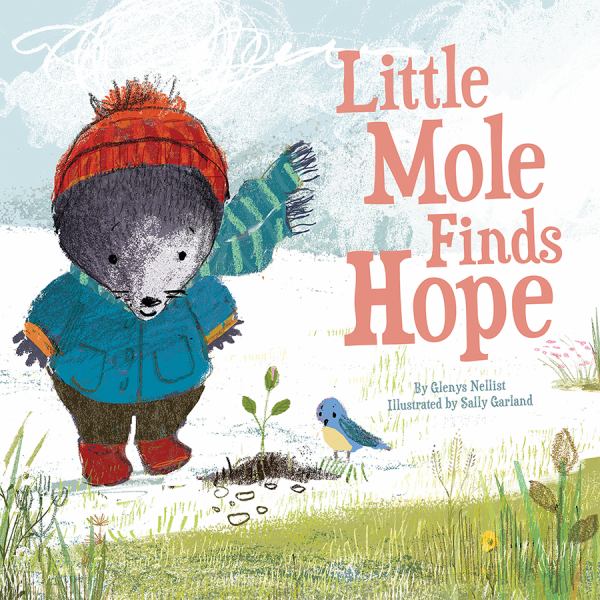
Hope is an abstract word. For a young child, it may be easier to explore through a parent, a walk, and signs of changing seasons. Sally Garland’s illustrations help make this gentle story feel close and approachable.
This is another book about hope rather than news itself. It can be a quieter choice when your child has had enough explanations and would rather settle into an animal story with you.
What kids notice: Little Mole has someone willing to accompany him. His mother does not leave him to figure everything out alone. Their shared attention gives the idea of hope something small and visible to rest on.
Story snapshot: Little Mole feels sad in his dark burrow. His mother leads him outside and helps him look for signs of the spring to come, introducing hope through the natural world around them.
Why this book helps: The story offers a gentle opening for naming something your family can look forward to. Keep it modest: a familiar meal, a visit, or time together tomorrow. You can welcome that possibility without insisting that your child stop feeling worried today.
The Together Tree by Aisha Saeed
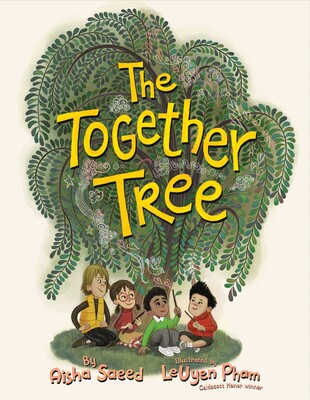
When the news includes cruelty or exclusion, children may need an example of care on a scale they recognize. This school story, illustrated by LeUyen Pham, shows how being beside someone can change their experience of a hard day.
It also gives you a way to talk about belonging without asking your child to debate the whole world. The setting is familiar, and the choices happen between classmates.
What kids notice: Rumi’s loneliness is visible even before the other children understand it. A classmate’s response matters because it helps him feel less alone. Readers can look for the moment when the group begins to change.
Story snapshot: At his new school, Rumi is bullied for being different. He finds refuge beneath a willow tree. A classmate offers solidarity, and the children eventually create a shared place to play.
Why this book helps: It connects hope with achievable kindness, such as inviting someone to join a game or finding an adult who can help. Make clear that children deserve adult protection from bullying. No child has to confront someone unsafe or earn belonging by forgiving mistreatment.
Tomorrow by Nadine Kaadan
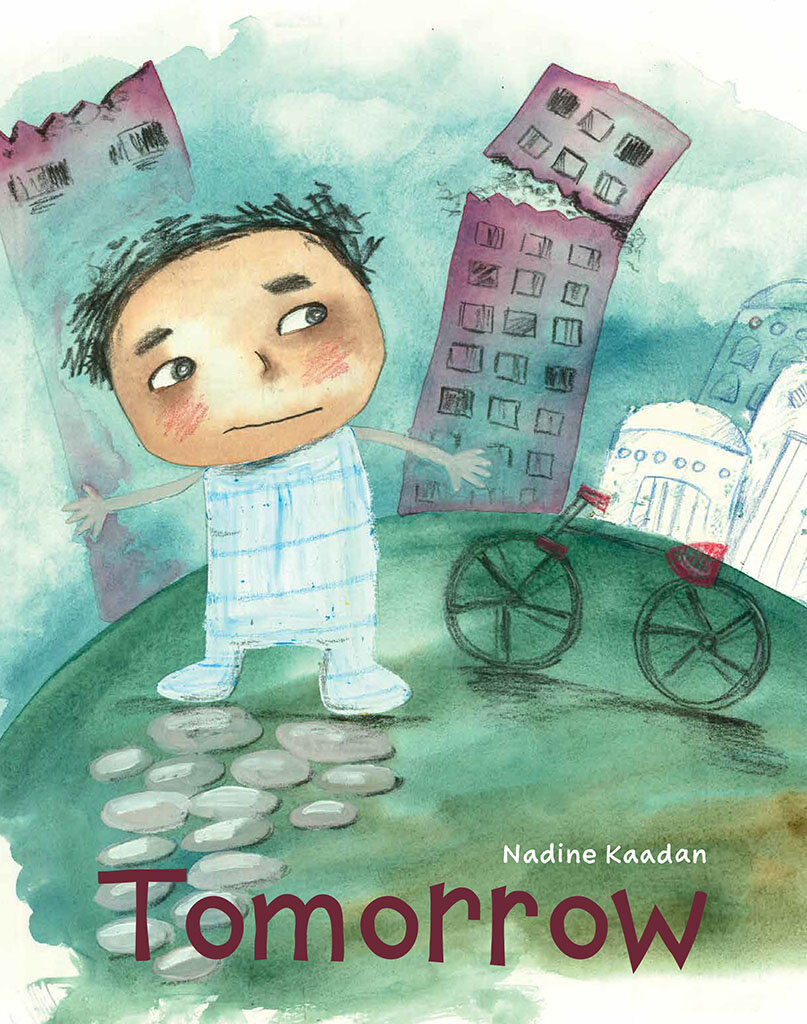
Tomorrow is the most emotionally demanding choice here. Written and illustrated by Syrian creator Nadine Kaadan, it portrays a child living amid conflict. Preview it first, and feel free to skip it if your child needs a gentler story.
For some families, it can open an important conversation: events that appear on our screens are part of other children’s daily lives. Approach that understanding with compassion, without adding graphic explanations.
What kids notice: Yazan misses ordinary pleasures, including playing outside. The loud television and his parents’ worry affect him, even though he cannot make sense of everything happening around him.
Story snapshot: As conflict changes life in Syria, Yazan’s familiar routines disappear. The story explores his frustration and fear alongside the strength of family love, with creativity offering connection during an uncertain time.
Why this book helps: It keeps attention on a child’s need for care rather than turning suffering into a distant abstraction. Ask what Yazan needs from the adults who love him. Avoid promising that love removes danger. It can still offer meaningful comfort within a difficult reality.
Put Your Child in the Heart of the Story
After reading, your child may want to talk, draw, play, or simply stay close. Follow that lead. You can also imagine a small story together about a worried child, a trusted grown-up, and one helpful moment. If you would like to explore personalized storytelling, visit Scrively.
Outside story time, keep explanations honest and suited to your child’s understanding. Limit repeated or graphic coverage, and make room for familiar routines. If worries are affecting sleep, school, or everyday life, ask your child’s pediatrician or another qualified professional for guidance.
You do not have to finish the evening with every question answered. A truthful conversation, a familiar book, and your willingness to listen again can give your child something steady to return to. Hope can begin there, with care they can actually feel.