Visiting a Home That Works Differently: 8 Children’s Books About Courtesy
Your child comes home from a playdate with news: shoes stayed by the door, dinner happened early, or the television never came on. “That’s different from our house,” they say. It is a small discovery, but it can lead to a useful conversation about being a thoughtful guest.
Children’s books about courtesy can help children see that their familiar routine is one way a household works. A friend’s family might have different languages, food, noise levels, living arrangements, or ways of greeting people. A visit is a chance to enjoy a friend’s company while learning how to share their space.
Start with a simple phrase: “What do you usually do here?” It works for shoes, washing hands, choosing a place to play, or finding out which things need permission. You can also arrange food allergies, accessibility needs, and pickup plans with the caregiver beforehand, so your child does not have to manage everything alone.
Courtesy leaves room for your child’s needs, too. They may decline food, hugs, or an activity that feels uncomfortable and ask a trusted adult for help. Respecting another home never means keeping harm secret or accepting unsafe behavior. These eight stories offer gentle ways to practice curiosity, flexibility, and clear boundaries.
Children’s Books About Courtesy and Visiting a Different Home
A Moon for Moe and Mo by Jane Breskin Zalben
 Jane Breskin Zalben’s picture book, illustrated by Mehrdokht Amini, follows two boys whose friendship brings their families together. Their days have familiar pleasures as well as different religious traditions. You can use that combination to help your child look for connection without expecting every household to be the same.
What kids notice: A friend can share your enthusiasm for playing while celebrating different holidays. Similarities do not erase differences, and differences need not prevent a happy afternoon together.
Story snapshot: Moses Feldman and Mohammed Hassan meet while shopping with their mothers in Brooklyn. Their growing friendship leads their families to gather in a park, sharing cookies and a wish for peace.
Why this book helps: Before visiting a friend, ask what your child already enjoys doing with them. Then practice a question about an unfamiliar routine: “Could you show me how you do that?” Keep curiosity gentle. A child can welcome an explanation without expecting a friend to represent every family in their faith.
How My Parents Learned to Eat by Ina R. Friedman
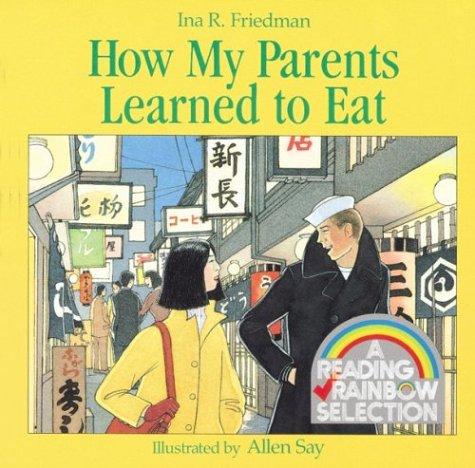 Written by Ina R. Friedman and illustrated by Allen Say, this story offers a warm example of people learning from each other. Its central relationship is between adults, told through their child’s perspective, so you can connect their nervousness to a child’s first visit with a friend.
What kids notice: Someone who looks confident may still be unsure of an unfamiliar routine. Learning a different way to eat need not mean rejecting the way your own family eats.
Story snapshot: An American sailor and a Japanese woman want to share a meal. Each secretly tries to learn the other’s eating customs, hoping to make their time together easier.
Why this book helps: Ask what might have happened if they had simply admitted they needed help. Practice “Could you show me?” Keep the discussion about these particular characters. No book, household, or set of utensils represents every family in a country.
My Two Grannies by Floella Benjamin
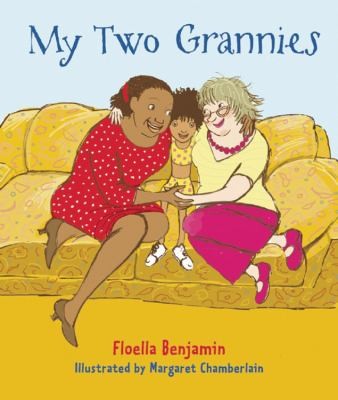 Floella Benjamin’s story, illustrated by Margaret Chamberlain, gives Alvina two beloved grandmothers with distinct preferences. That is useful for a child who assumes there is one correct way to spend an afternoon. Familiarity and affection can grow around more than one routine.
What kids notice: Two people can both care deeply about you while enjoying different meals, games, music, and stories. Difference does not require a competition for the best way.
Story snapshot: Grannie Vero, from Trinidad, and Grannie Rose, from northern England, both come to care for Alvina when her parents go away. Their different ideas about the day create a problem Alvina wants to resolve.
Why this book helps: Let your child name something they enjoy doing differently with different people. Then bring it back to visiting: “At their house, we can ask what they usually do.” Children can learn flexibility without becoming responsible for settling adults’ disagreements.
Dumpling Soup by Jama Kim Rattigan
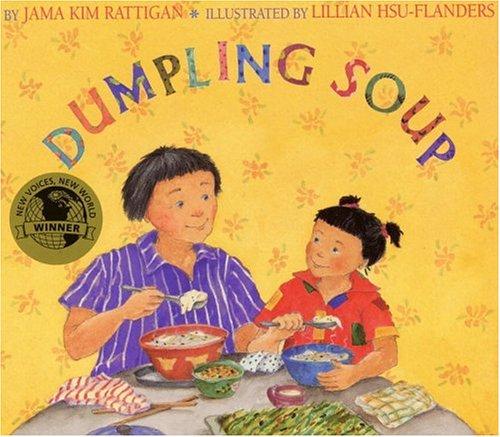 Jama Kim Rattigan’s story, illustrated by Lillian Hsu-Flanders, takes readers into a Hawaiian family’s New Year celebration. Preparing food is part of being together. Marisa’s worries make the gathering approachable for children who feel awkward when everyone else seems to know what to do.
What kids notice: A busy family gathering has its own sounds, jobs, and traditions. Being new to a task does not make a child less welcome at the table.
Story snapshot: Marisa gets to help make dumplings for her family’s New Year festivities. She worries about the unusual shapes of the dumplings she makes and whether anyone will want to eat them.
Why this book helps: Imagine joining a family activity for the first time. What could you ask before picking up ingredients or equipment? “Is there a job I can do?” respects the people already working. Offering help is kind; waiting for an answer matters too.
The Hello, Goodbye Window by Norton Juster
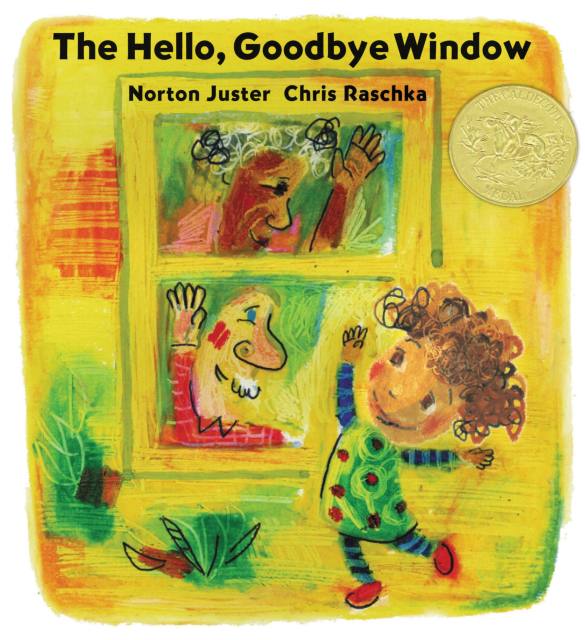 Written by Norton Juster and illustrated by Chris Raschka, this picture book celebrates a little girl’s visits to Nanna and Poppy. It reminds readers that a house becomes familiar through small, repeated moments. Those moments may be easy for a visitor to overlook.
What kids notice: An ordinary place can hold special meaning for a family. You might need someone to explain why a window, greeting, or little daily habit is important to them.
Story snapshot: A girl describes the kitchen window at her grandparents’ home and the experiences that happen around it. Their routines and the view through the window become part of the pleasure of visiting.
Why this book helps: Ask which small thing makes a familiar home feel welcoming to your child. Then wonder what a friend might choose. Guests do not have to understand every family joke immediately. Listening and enjoying the welcome can be enough while familiarity grows.
Sitti’s Secrets by Naomi Shihab Nye
 Naomi Shihab Nye’s story, illustrated by Nancy Carpenter, follows Mona’s connection with her Palestinian grandmother. Its quiet attention to daily life offers a different kind of visiting story. Shared language helps, but it is not the only way people communicate warmth and interest.
What kids notice: Not understanding every word does not mean there is nothing to share. A person’s gestures, activities, and patient attention can help a visitor begin to feel at home.
Story snapshot: Mona visits her grandmother, Sitti, in a Palestinian village. Although they do not speak the same language, time together allows them to develop a loving connection across that difference.
Why this book helps: Talk about joining an activity without interrupting to demand an explanation of every word. A child might watch, smile, or ask their caregiver for help. Treat the story as one family’s experience, rather than making a classmate explain an entire language or culture.
Lailah’s Lunchbox: A Ramadan Story by Reem Faruqi
 Written by Reem Faruqi and illustrated by Lea Lyon, this story is set at school rather than during a home visit. It still opens a helpful conversation about assumptions. An empty lunchbox can mean something quite different from what an onlooker first imagines.
What kids notice: People’s eating routines may reflect beliefs and choices you cannot see. A friend deserves kindness even when you do not share or fully understand their observance.
Story snapshot: After moving from Abu Dhabi to the United States, Lailah is excited to fast during Ramadan but anxious about explaining it at her new school. A librarian and teacher help her find a way to share her experience.
Why this book helps: Connect this to accepting that a family may eat at a different time. Avoid assuming all Muslim children fast or follow identical routines. Caregivers can arrange practical needs privately, and a child need not answer a stream of questions to earn their friends’ respect.
A Visitor for Bear by Bonny Becker
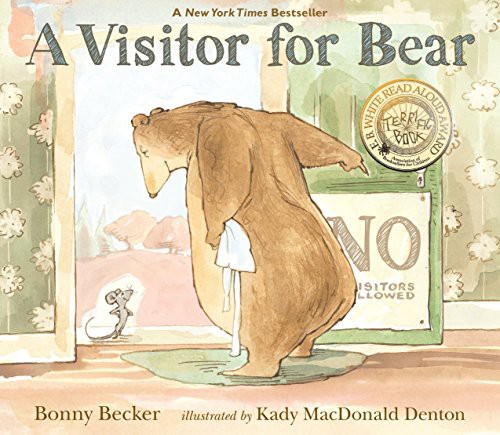 Bonny Becker’s comedy, illustrated by Kady MacDonald Denton, gives families a chance to disagree thoughtfully with a character. Bear is determined to have no visitors; Mouse keeps appearing anyway. Enjoy the absurdity while making the difference between a fictional joke and considerate behavior clear.
What kids notice: A host may need quiet or personal space. Friendliness is easier when people know their wishes will be heard, including wishes a visitor finds disappointing.
Story snapshot: Bear tries to keep Mouse out of his home, but the persistent visitor repeatedly turns up in unexpected places. The comic encounter eventually develops into an unlikely friendship.
Why this book helps: Ask what Mouse could do differently in real life. The happy ending does not make ignoring “no” a good visiting strategy. A real guest asks permission, waits for an invitation, and accepts a refusal. Courtesy includes respecting the other person’s boundary.
Put Your Child in the Heart of the Story
A personalized story can make a first visit feel easier to imagine. Picture a character with your child’s name arriving at a friend’s home, noticing a different routine, and asking a friendly question. The friend answers, and they get on with the adventure they wanted to share.
With Scrively, you can connect that small moment to your child’s interests. Perhaps two animal lovers choose a quiet game while a pet rests, or two builders ask where they may spread out their blocks. Give both friends ideas and room to speak.
Keep the practice light. Your child can try “Where should I put this?” or “No, thank you” alongside a warm greeting. The satisfying ending can be an ordinary one: they had fun together and would like another visit. Nobody needs to pass a perfect-manners test.
A Good Visit Starts with Listening
Before the next playdate, choose one or two helpful phrases rather than a long speech about behavior. Let your child know who is available if they need help. Afterward, ask what they enjoyed and whether anything was confusing. You can work through an awkward moment without turning another family’s home into a subject for criticism.
When your child reports a difference, try answering with calm interest: “That’s how their family does it.” If they have a practical concern, listen and help. Over time, these small conversations build a generous habit: enter another person’s space ready to notice, ask, and make room for them while staying comfortable speaking for yourself.