Best Books to Help Kids Understand and Calm Big Emotions
One minute they’re laughing. The next, they’re crying or slamming doors.
Childhood is full of big feelings—joy, anger, sadness, worry, excitement—all arriving faster than most kids can name or handle.
To a child, those emotions can feel like wild waves with no life raft.
That’s why stories matter.
The right book gives your child a map for those waves—language to describe what’s happening, tools to calm down, and proof that big feelings don’t last forever.
When you read together, you’re not just teaching about emotions—you’re showing your child that all feelings are welcome and that love stays steady through them all.
Here are eight beautiful, heart-centered books that help children understand, express, and find peace in their emotions.
They span picture books, rhyming tales, mindfulness stories, and creative journals—each one a gentle invitation to feel, talk, and heal.
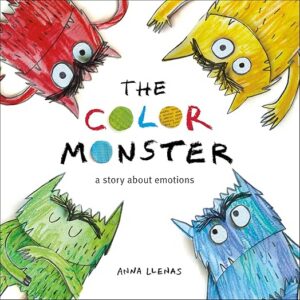
The Color Monster: A Story About Emotions — Anna Llenas
When a confused monster wakes up tangled in colors, a kind friend helps him sort his feelings—yellow for happiness, blue for sadness, red for anger, and so on.
With vibrant pop-up pages and a playful tone, this book makes emotions visible and easy to understand.
Why kids love it: The colors and textures make emotions feel less scary and more like something they can manage.
Perfect for: Preschoolers learning to name feelings or children who thrive on visuals.
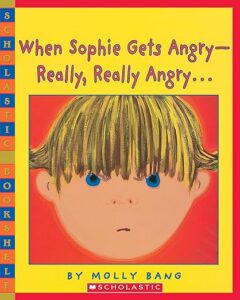
When Sophie Gets Angry—Really, Really Angry… — Molly Bang
When Sophie’s fury erupts, she yells, cries, and runs into nature to calm down.
The story honors anger without judgment and models a healthy way to let it pass. The art bursts with energy, perfectly capturing how emotions feel in a small body.
Why kids love it: They see themselves in Sophie’s storm—and love that she finds her calm on her own.
Perfect for: Ages 4–8 learning how to express anger safely.
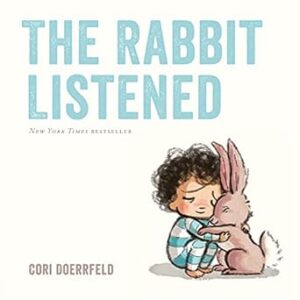
The Rabbit Listened — Cori Doerrfeld
After Taylor’s block tower collapses, every animal offers advice—“Shout!” “Laugh!” “Rebuild!”—but Taylor just needs someone to listen.
The rabbit’s quiet patience teaches empathy and shows that comfort often looks like simply being there.
Why kids love it: The gentle illustrations and kind ending make this a soothing favorite after tough days.
Perfect for: Kids processing sadness, frustration, or change.
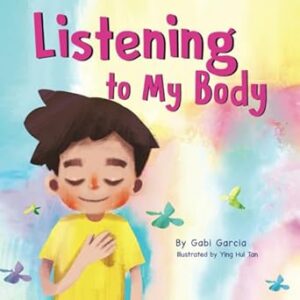
Listening to My Body — Gabi Garcia
This mindful story connects body sensations to emotions—helping children notice their feelings instead of being overwhelmed by them. It offers phrases like, “My shoulders feel tight—maybe I’m nervous,” making emotional awareness practical and concrete.
Why kids love it: It turns mindfulness into a discovery game, helping them tune in to their inner world.
Perfect for: Ages 5–10 learning self-regulation or practicing mindfulness at home or school.
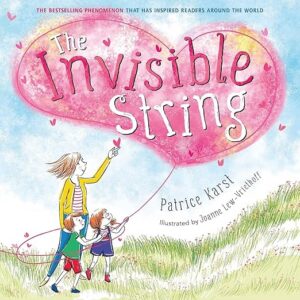
The Invisible String — Patrice Karst
When siblings feel scared during a storm, their mom explains that everyone is connected by an invisible string of love—no matter where they are. This tender story helps children understand that love stays with them even when apart.
Why kids love it: The idea of an invisible string feels magical and comforting during separations or big transitions.
Perfect for: Kids dealing with anxiety, grief, or distance from loved ones.
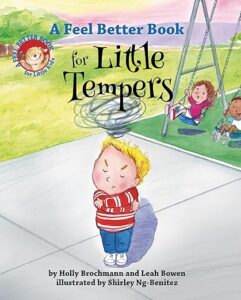
A Feel Better Book for Little Tempers — Holly Brochmann and Leah Bowen
Through catchy rhymes and gentle guidance, this book walks kids through what happens when anger takes over—and what to do next. It normalizes big tempers while teaching calm-down techniques like breathing, counting, and talking it out.
Why kids love it: The rhythm and repetition make emotional learning feel playful and empowering.
Perfect for: Preschool and kindergarten readers prone to big emotions or quick frustration.
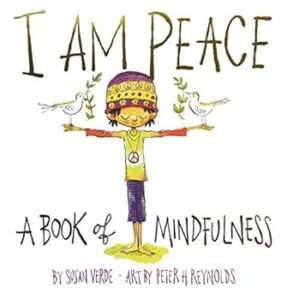
I Am Peace: A Book of Mindfulness — Susan Verde
Beautifully illustrated and gently poetic, this book invites children to pause, breathe, and notice the present moment. It encourages mindfulness through simple imagery—feeling the ground, noticing the breeze, or letting thoughts drift away.
Why kids love it: It feels like a deep breath in book form—calming, poetic, and full of hope.
Perfect for: Bedtime reading or classroom mindfulness breaks.
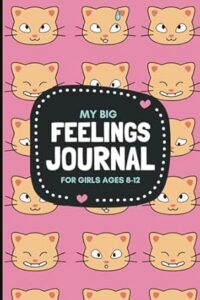
My Feelings Journal — Big Life Journal
This interactive journal invites kids to doodle, write, and reflect on their daily emotions. With prompts like “Today I felt…” and “Something that made me proud,” it helps children build emotional awareness and gratitude—one page at a time.
Why kids love it: It feels private and creative, like a safe space to explore their inner world.
Perfect for: Ages 7–12 who enjoy writing, journaling, or expressing themselves through art.
Tips for Reading About Big Emotions
- Pick stories that name feelings clearly and model healthy coping strategies like breathing, counting, or asking for help.
- Pause to ask, “Where do you feel that in your body?” or “What could the character do next?”
- Use expressive voices—soft for calm moments, loud for excitement—to help emotions feel real but safe.
- Finish each story with a simple ritual: three deep breaths together and an affirmation like, “Feelings come and go, and you are safe.”
Create Your Own Feelings Story
Encourage your child to turn a recent big emotion into a short story or comic. When kids retell what happened, they transform confusion into clarity—and build confidence in handling feelings next time.
- Let them draw the feeling using colors or shapes—fiery reds, stormy blues, or sunshine yellows.
- Invite them to add a “helper” character, like a wise pet or superhero breath, who offers comfort or advice.
- Write their story together and reread it later to celebrate how their feelings changed and their skills grew.
Help your child build emotional courage with Scrively. Unlimited stories. Unlimited calm.
Books about big emotions don’t just soothe tears or tantrums—they build lifelong skills. They help kids name what they feel, ask for help, and return to calm again and again. So next time your child’s feelings start to overflow, reach for a story. You’ll both find a little more peace on the page.