Best Books for Kids Learning Self-Control Without Shame (Ages 4–7)
You’ve seen the moment.
The hand shoots up in class — but the words come out before the teacher calls on anyone. The toy gets grabbed before asking. The body keeps moving even after you gently say, “Pause.”
And when you correct them, their face falls. Not because they’re “bad.” But because they genuinely didn’t mean to do it that way.
Impulse control is hard work for young children. Their brains are still wiring together the ability to pause, think, and choose differently. What looks like defiance is often development.
What feels like disrespect is often a nervous system moving faster than intention.
Self-control is not a moral trait. It’s a growing skill.
Books give you something powerful here.
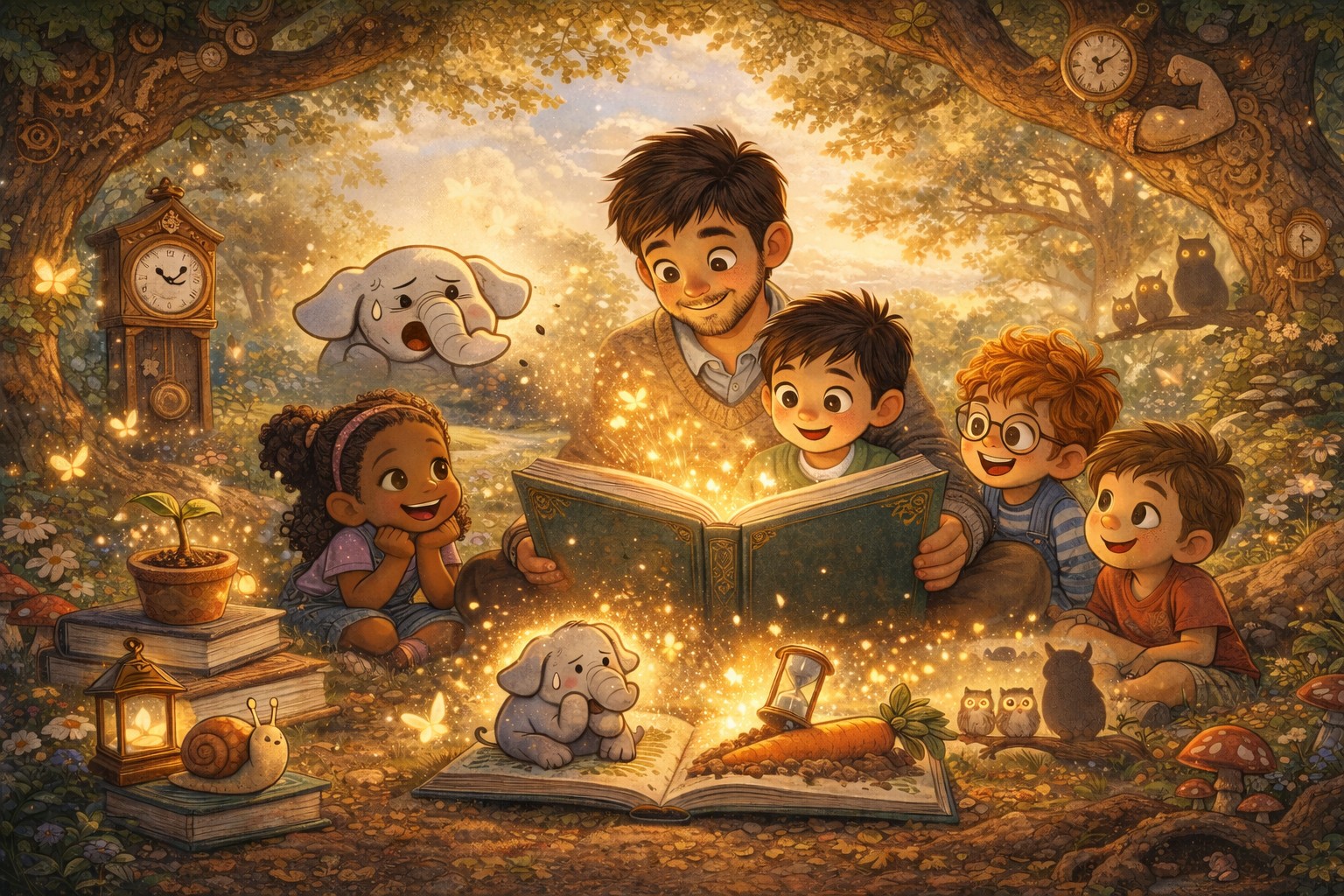
They create safe rehearsal spaces. Children can watch characters blurt, interrupt, wiggle, shout, and struggle — and then see what happens next. They can observe recovery without humiliation. They can witness pause without punishment.
And that is where growth quietly begins.
Books That Help Kids Practice Self-Control Without Fear
My Mouth Is a Volcano! by Julia Cook
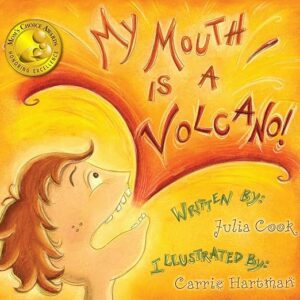
Louis has something important to say. All the time. His words feel like they are bubbling up and ready to erupt. He interrupts. He blurts. He simply cannot wait.
Instead of framing him as rude, the story shows how overwhelming it feels inside his body when he tries to hold his thoughts.
The shift happens when Louis learns practical strategies to “cool his volcano” and realizes that waiting doesn’t erase his ideas.
What kids notice in this story
They notice that having a lot to say isn’t wrong.
They notice that waiting feels hard for Louis too. They see that holding a thought for a moment doesn’t make it disappear.
Clark the Shark by Bruce Hale
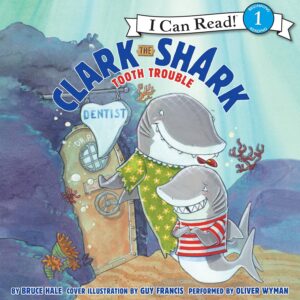
Clark is enthusiastic. Loud. Full of energy. He doesn’t mean to overwhelm his classmates — he just loves everything at full volume.
When Clark begins to notice how others react, he experiments with slowing down and reading the room. The story balances humor with growth, showing that big personalities don’t have to shrink — they just learn how to flex.
What kids notice in this story
They see that excitement isn’t bad. They see that noticing others helps. They understand that self-control doesn’t mean becoming quiet — it means becoming aware.
Interrupting Chicken by David Ezra Stein
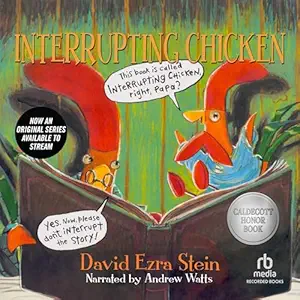
Little Red Chicken cannot stop interrupting bedtime stories. She jumps in to “help” before the story even unfolds.
Her father models patience. The humor carries the message. Eventually, Chicken begins to understand timing and turn-taking through experience, not shame.
What kids notice in this story
They laugh at the interruptions. They recognize themselves in the excitement. They see that learning to wait can happen gently.
Howard B. Wigglebottom Learns to Listen by Howard Binkow
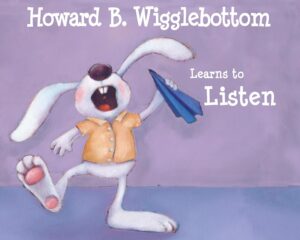
Howard struggles to listen and follow directions. His impulsive choices create small but noticeable consequences.
The story doesn’t linger on embarrassment. Instead, it focuses on the idea that listening is a skill you practice. Howard’s shift comes when he sees that paying attention actually helps him enjoy his day more.
What kids notice in this story
They notice that listening makes things smoother. They see that mistakes don’t define Howard. They understand that paying attention changes outcomes.
No, David! by David Shannon
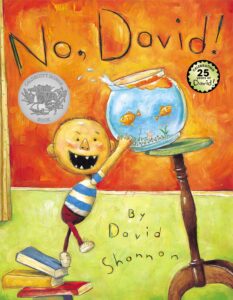
David pushes limits. He runs. He splashes. He experiments with every boundary available.
The brilliance of this book is its ending. After all the “no’s,” David is still loved. The message is clear: behavior may need redirection, but belonging is never revoked.
What kids notice in this story
They see that David messes up a lot. They also see that love stays. They understand that correction doesn’t cancel connection.
What If Everybody Did That? by Ellen Javernick
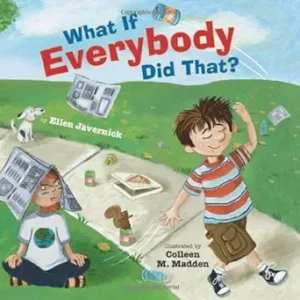
This story zooms out. It asks children to imagine what would happen if everyone acted on impulse all the time.
The perspective shift invites reflection rather than scolding. Kids begin to connect their individual choices to shared spaces.
What kids notice in this story
They picture silly chaos. They realize their actions matter. They see that small pauses protect everyone.
Lacey Walker, Nonstop Talker by Christianne Jones
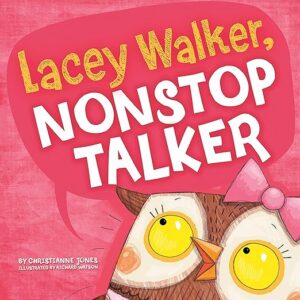
Lacey talks constantly — even when others need quiet. Her talkativeness is framed as part of who she is, not a flaw.
The turning point comes when Lacey experiences being unheard. Empathy grows. She learns to balance speaking with listening.
What kids notice in this story
They notice that Lacey loves talking. They notice how it feels when no one listens. They understand that sharing space matters.
Waiting Is Not Easy! by Mo Willems
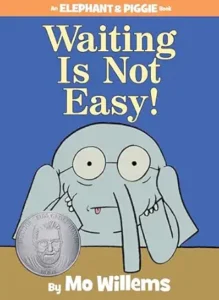
Gerald struggles deeply with waiting. The anticipation feels unbearable.
The emotional arc validates how uncomfortable waiting feels. The payoff reveals that sometimes patience holds surprise and delight.
What kids notice in this story
They see that waiting feels frustrating. They feel Gerald’s tension. They experience the joy that follows patience.
How to Be a Superhero Called Self-Control! by Lauren Brukner
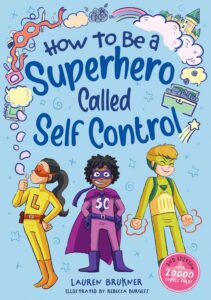
This book frames regulation as a superpower. Children are invited to imagine themselves practicing small pause strategies in everyday situations.
Rather than labeling behavior, it gives language for body awareness and choice.
What kids notice in this story
They see that self-control is powerful. They imagine themselves as capable. They understand that pause can feel strong.
Decibella and Her 6-Inch Voice by Julia Cook
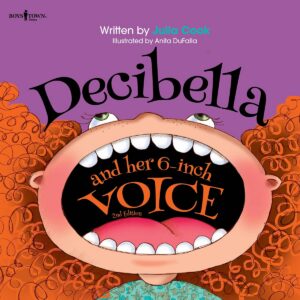
Isabella’s voice often comes out at full volume. She doesn’t realize how loud she is.
Through playful comparison and practice, she learns how to adjust her voice to fit the setting — without being told she is “too much.”
What kids notice in this story
They notice that volume can change. They see that loud isn’t bad — just situational. They understand that adjustment is possible.
Self-Control Grows in Safety
You don’t build self-control by increasing fear. You build it by increasing awareness.
Children between four and seven are still wiring the pathways that allow pause, reflection, and regulation. When they act before thinking, it is rarely a character issue. It is development unfolding.
Reading these stories during calm moments matters. Not after the mistake. Not in the heat of correction. But during connection.
Repetition builds familiarity. Familiarity builds capacity. Over time, the pause gets longer. The recovery gets faster. The shame gets quieter.
A Gentle Way to Practice at Home
If you want your child to see themselves inside a story where they practice patience, waiting, and reset in a way that feels personal, you might explore Scrively.
With Scrively, an adult can use AI to create a personalized story around a child’s interests. Review the words and illustrations before reading together. A cover and sample pages are free to preview; finishing or downloading a book requires a paid purchase. Book and editing allowances depend on the plan and available credits. Generation time and results vary. These stories are for creative reading, not therapy or a guarantee of learning or behavior changes.
It becomes rehearsal without embarrassment.
And that is often exactly what growing brains need.
Self-control is not about perfection. It is about practice.
Your child is not behind. They are becoming.
And every small pause is proof that growth is already happening.