Who Says That’s Only for Boys or Girls? 8 Children’s Books About Being Yourself
Your child reaches for a sparkly skirt, a toy truck, or a doll, and someone says, “That’s only for boys” or “That’s for girls.” Sometimes the comment comes from another child. Sometimes it slips out of an adult’s mouth before anyone has thought about what it means. Suddenly, something that was simply fun becomes a question about belonging.
You do not need a perfect speech for that moment. A calm answer can be enough: “You can enjoy that,” or “Different people like different things.” Then, later, a story can make room for a longer conversation. Watching a character choose an outfit or discover a favorite activity gives your child somewhere comfortable to start.
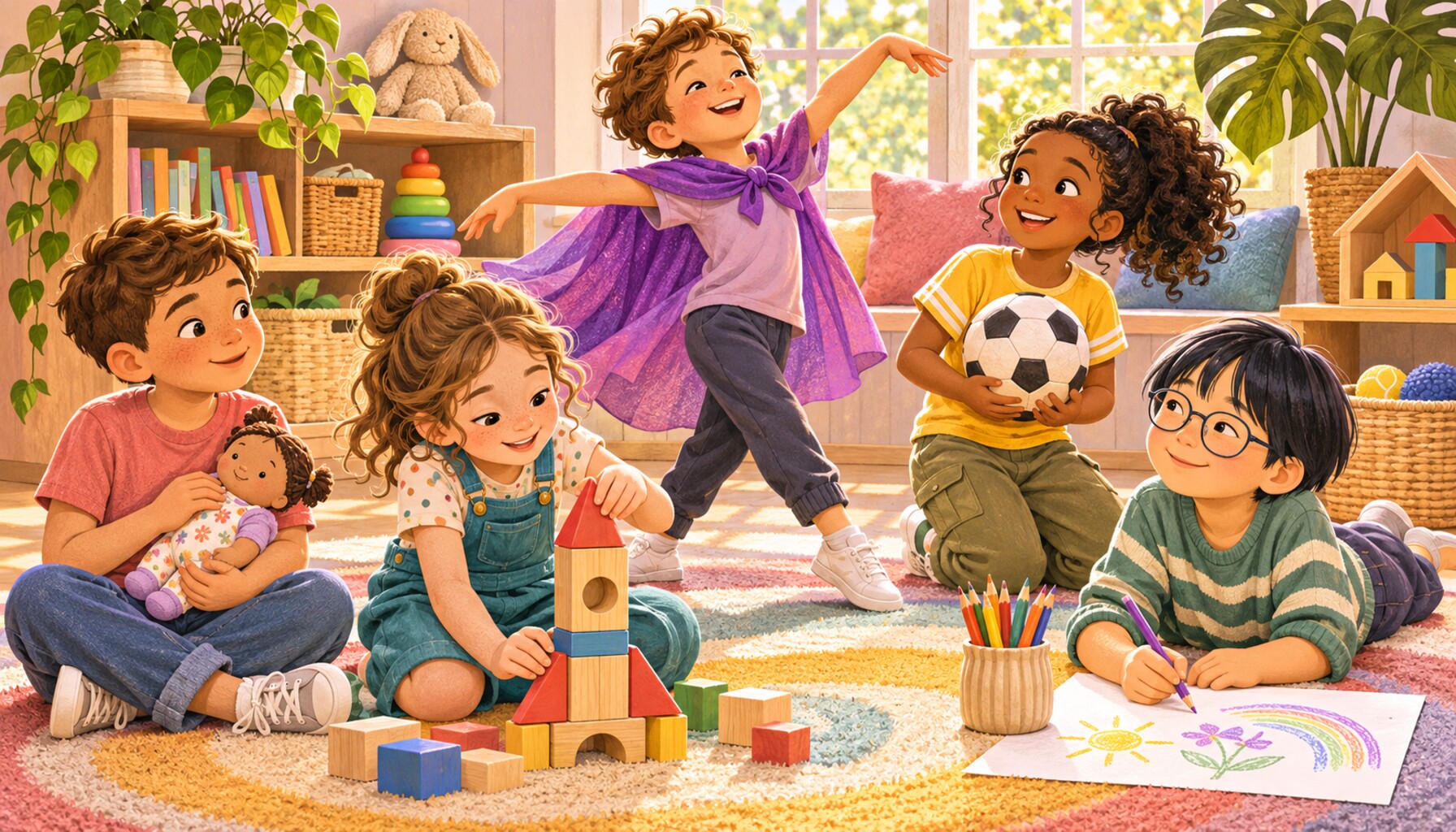
These children’s books about being yourself explore the everyday choices that can get tangled up in gender expectations. Some feature characters who face teasing. Others simply show children enjoying what they enjoy, with no argument required. There is room for a boy who loves ballet, a girl who wants a suit, and a toddler happily looking after dolls.
As you read, follow your child’s interest rather than trying to deliver a lesson on every page. They might want to talk about a character’s feelings, point out a favorite color, or imagine trying something new. Each response is a useful starting point. Your steady curiosity tells them that their preferences deserve attention, even when those preferences surprise you.
Eight Stories That Leave Room for Your Child
This collection moves between clothes, toys, friendship, movement, and imaginative play. You can choose the book closest to something your child has encountered, or begin with the one whose pictures catch their eye.
Keep one question in mind: “What does this person enjoy?” It shifts the conversation toward the child inside the story. From there, you can talk about how friends and family respond, what feels unfair, and what helps someone feel comfortable being themselves.
The Spectacular Suit by Kat Patrick
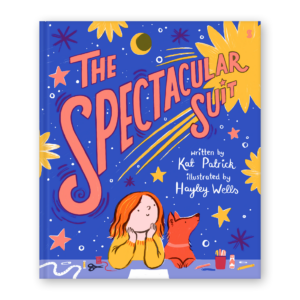
Getting dressed for a celebration should feel exciting. For Frankie, whose birthday is approaching, the party dresses available to her feel wrong. What she really wants is a spectacular suit. Illustrated by Hayley Wells, this story makes a familiar childhood decision feel worth listening to.
You might recognize that moment when your child knows an outfit does not feel right, even if explaining why takes longer. Reading together gives you a chance to be curious about that feeling without rushing toward a solution.
What kids notice: Frankie has a clear idea of what she would love to wear. Her wish belongs alongside all the other preparations for her birthday, rather than being treated as an unimportant detail.
Story snapshot: With her celebration nearly ready, Frankie searches for clothing that feels right while her family tries to help. The suit she longs for sits at the heart of the story.
Why this book helps: It opens a gentle conversation about listening to children’s clothing preferences. Ask, “What would you choose for a special day?” Leave room for any answer, including the dress, suit, or familiar favorite they already love.
Dolls and Trucks Are for Everyone by Robb Pearlman
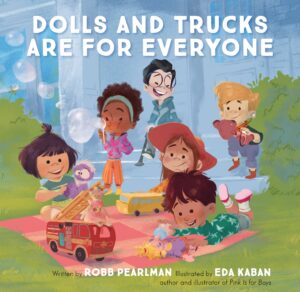
Some books make a big, welcoming invitation. This one, illustrated by Eda Kaban, opens up toys, activities, and hobbies to everyone. Dolls, trucks, dancing, skating, and hockey all belong in a world where children can explore their interests freely.
It is an easy choice when you want a read-aloud that celebrates possibilities without centering one child’s struggle.
What kids notice: Different interests can sit comfortably beside one another. A child does not have to select a whole package of likes and dislikes to match an idea of what boys or girls should enjoy.
Story snapshot: Rather than following one character through a problem, the book offers a playful celebration of activities and objects that any child can enjoy.
Why this book helps: You can bring its openness into ordinary choices at home. Ask which activity your child would like to try, then listen without steering them toward the answer you expected. Familiar favorites and new curiosities both count.
Except When They Don’t by Laura Gehl
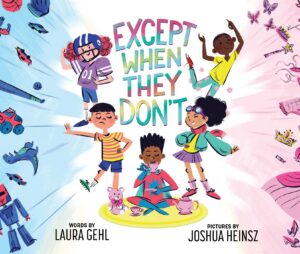
Children hear confident statements about what other children like. This rhyming picture book, illustrated by Joshua Heinsz, gives those statements a playful wobble. It introduces familiar assumptions about boys and girls, then makes space for the people who do things differently.
The changing expectations can make this a lively read-aloud. You and your child can pause to consider whether a sweeping statement really describes everybody.
What kids notice: A rule about what boys or girls enjoy can fall apart as soon as someone has a different preference. Personal choice keeps making the picture more interesting.
Story snapshot: The book moves through gendered expectations around play and activities, using its recurring turn to challenge them and encourage children to be themselves.
Why this book helps: It gives you a simple way to question generalizations together. If your child says, “Girls always like that,” you can gently ask, “Do all girls like the same things?” Keep your tone curious. The aim is to make room for people, not to catch your child giving a wrong answer.
Clive and His Babies by Jessica Spanyol
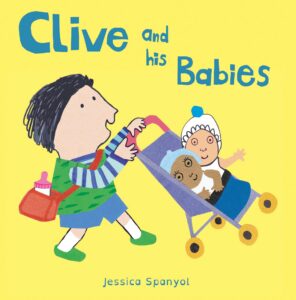
For the youngest readers, an everyday scene can say a great deal. Jessica Spanyol’s board book introduces Clive, a child who loves his dolls and enjoys sharing them with friends. Spanyol both writes and illustrates this affectionate celebration of play.
There is no need to make a toddler’s interests into a debate. You can simply enjoy meeting a character whose dolls are an important part of his world.
What kids notice: Clive enjoys his dolls. Playing with them and including his friends are ordinary, happy parts of his day.
Story snapshot: This short board book focuses on Clive’s imaginative play with his dolls, offering a gentle introduction to a boy enjoying an activity sometimes labeled as being for girls.
Why this book helps: It gives very young children a welcoming example before restrictive expectations need to become a problem. While reading, you might ask what Clive enjoys or invite your toddler to show you a favorite toy. Let their play lead, whether they choose a doll, a truck, or something else entirely.
Big Bob, Little Bob by James Howe
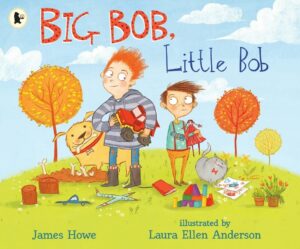
Sharing a name does not mean sharing every interest. Big Bob likes trucks, throwing balls, and making noise. Little Bob prefers dolls, jingling bracelets, and quiet. Illustrated by Laura Ellen Anderson, their story asks how children with different ways of playing might become friends.
This is a useful choice when your child is learning that friendship does not guarantee agreement about what to do next.
What kids notice: Both boys have preferences that matter. Their differences include how they like to play and how much noise they enjoy, making them feel like individual children rather than examples of a single issue.
Story snapshot: When the two Bobs become neighbors, their contrasting interests make connecting a challenge. The story explores the possibility of friendship across those differences.
Why this book helps: It makes room for respecting someone without copying them. You might ask, “What could you do if your friend wanted to play something different?” Your child can think about taking turns, finding common ground, or simply allowing a friend to enjoy their own thing.
Lucía the Luchadora by Cynthia Leonor Garza
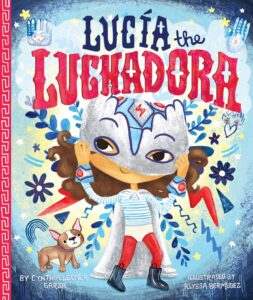
Lucía enjoys racing around the playground in a cape until boys tell her that girls cannot be superheroes. Her abuela offers a different story: Lucía comes from a family of luchadoras, women in the Mexican lucha libre tradition. Alyssa Bermudez illustrates this energetic adventure.
For a child who has been told they cannot join a game because of their gender, Lucía offers someone to root for.
What kids notice: The boys’ claim does not have to be the final word. Lucía’s family history gives her another way to understand what she can be.
Story snapshot: Lucía returns to the playground in a new disguise. When she encounters unfairness, she faces a choice about doing what is right, even if that means revealing the identity behind her mask.
Why this book helps: It connects imaginative play with courage and fairness. Ask, “What makes someone a hero?” Your child might mention helping, bravery, or standing up for somebody. Those qualities offer a much richer conversation than deciding who is allowed to wear the cape.
Boys Dance! by John Robert Allman
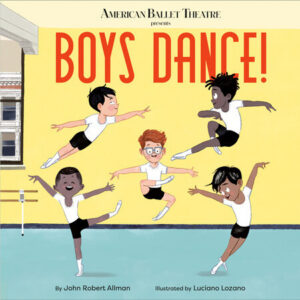
Joyful movement deserves space on this shelf. Created with American Ballet Theatre and illustrated by Luciano Lozano, this rhyming picture book celebrates boys who love ballet. It shows the skill, effort, and excitement involved in dancing.
Its positive approach makes it a lovely option for a child who already dances or one who is simply curious about trying.
What kids notice: Boys belong in the dance studio and onstage. The illustrations feature boys of different ages and ethnicities, giving readers more than one dancer to imagine themselves alongside.
Story snapshot: The book celebrates boys learning and performing ballet. An afterword includes photographs and interviews with male American Ballet Theatre dancers, connecting the picture-book celebration with real people.
Why this book helps: It offers encouragement through visible examples. You can ask what movement your child would like to try or what they think dancers practice. Keep the invitation open: they can enjoy dancing without needing to be especially good at it or decide that it will become a lifelong passion.
Sparkle Boy by Lesléa Newman
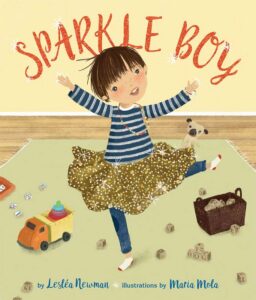
Casey enjoys blocks, puzzles, and his dump truck. He also loves things that shimmer and sparkle. When he wants the kinds of clothes and accessories his older sister Jessie enjoys, she has questions about whether those things are for boys. Maria Mola illustrates this family story.
The sibling relationship gives you another way into the subject. Your child might recognize Casey’s enthusiasm, Jessie’s uncertainty, or a little of both.
What kids notice: Casey’s interests fit together naturally. Enjoying a truck does not stop him from wanting a shimmery skirt, glittery nails, or a sparkly bracelet.
Story snapshot: Jessie initially objects to Casey enjoying things she considers girl things. When older boys tease him at the library, she comes to understand his right to express himself.
Why this book helps: It leaves room for children to rethink an assumption and become more supportive. Ask, “What could you say if someone teased a friend’s clothes?” Practicing a simple, kind response together can give your child words to reach for when they need them.
Put Your Child in the Heart of the Story
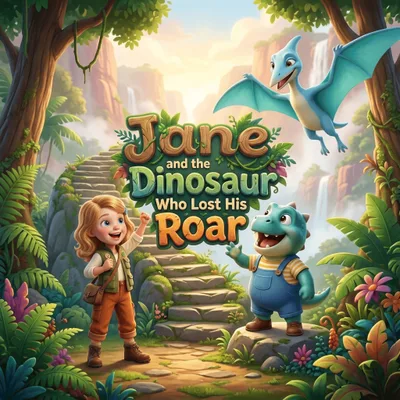
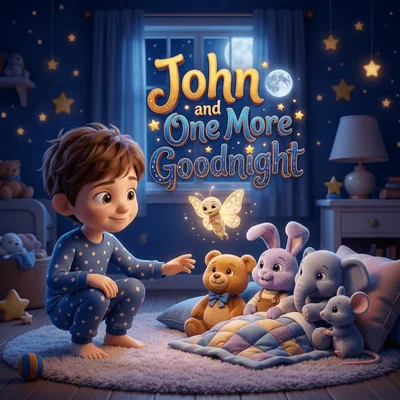
After exploring these children’s books about being yourself, you might enjoy imagining an adventure built around your child’s own interests. Perhaps their hero loves sparkly clothes and construction vehicles, or dancing and dinosaurs. The combination does not need explaining. It can simply belong to them.
Explore personalized stories with Scrively if you would like to make your child part of the storytelling. Start with what delights them and let their ideas help shape the adventure.
You can keep that same openness when the book closes. Listen to what your child wants to try. Notice when an old assumption slips into the conversation, and give yourself permission to change your wording. You do not have to predict who your child will become. You can help them feel welcome as the person they are today.