
When a Secret Feels Too Heavy: 8 Children’s Books About Trust
Your child starts a sentence, stops, then asks, “Will you be mad?” Perhaps they are hiding a worry, protecting a friend, or trying to understand a promise someone asked them to make. You want to help without turning a hesitant moment into an interrogation. These children’s books about trust offer a gentle place to begin.
Trust grows when adults listen and respond with care. A happy surprise has an ending, such as giving someone a birthday card. Privacy means having personal space and choices about sharing ordinary information. Neither requires hiding harm. Your child can tell a safe adult about anything confusing, including something they promised to keep quiet.
Feelings can offer clues, but they are not a test your child must pass. Someone asking them to hide touching or images of private body parts is a reason to seek help, even without pain or a frightened feeling. Children never owe adults secrecy. Freezing, going along, or waiting to tell does not make harm their fault.
You do not need to read every book at once. Begin with an everyday worry, then choose more direct safety conversations when appropriate. Preview each title yourself, particularly the final two, which explicitly address unsafe touch. The steady message underneath every page is simple: you can ask for help, and caring adults are responsible for helping.
8 Children’s Books About Trust, Secrets, and Asking for Help
Some of these books tell stories; others offer illustrated conversations. Let your child pause, ask questions, or return another day. Reading together should open a door, without demanding a personal disclosure.
Can I Tell You a Secret? by Anna Kang
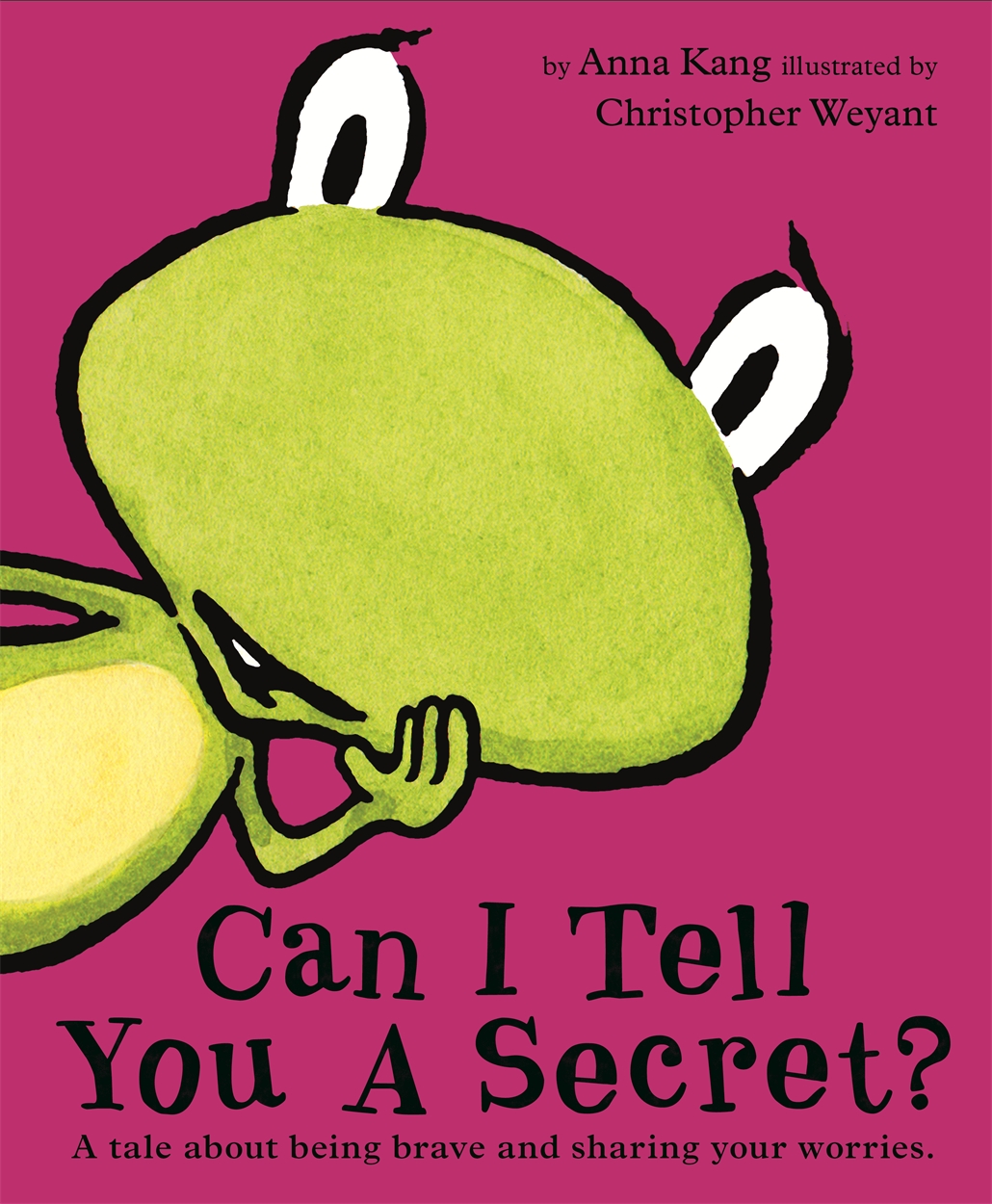 A frog with something to admit makes an inviting first companion. Anna Kang’s playful story, illustrated by Christopher Weyant, begins with a fear that feels embarrassing. It gives you a lighthearted way to talk about the things children hide because they imagine everyone else finds them easy.
What kids notice: Monty wants the reader on his side. That friendly invitation can make sharing a worry seem less like standing in front of a crowd and more like talking to one person who cares.
Story snapshot: Monty cannot swim and is afraid of water. When he tells his parents, they respond with understanding. His father has something of his own to share, too.
Why this book helps: You can notice the parents’ response together. Ask what makes it easier to admit needing help. Then offer an ordinary example of your own, such as asking someone to explain a new skill. Trust becomes visible through kindness.
Tell Someone by Debra Kempf Shumaker
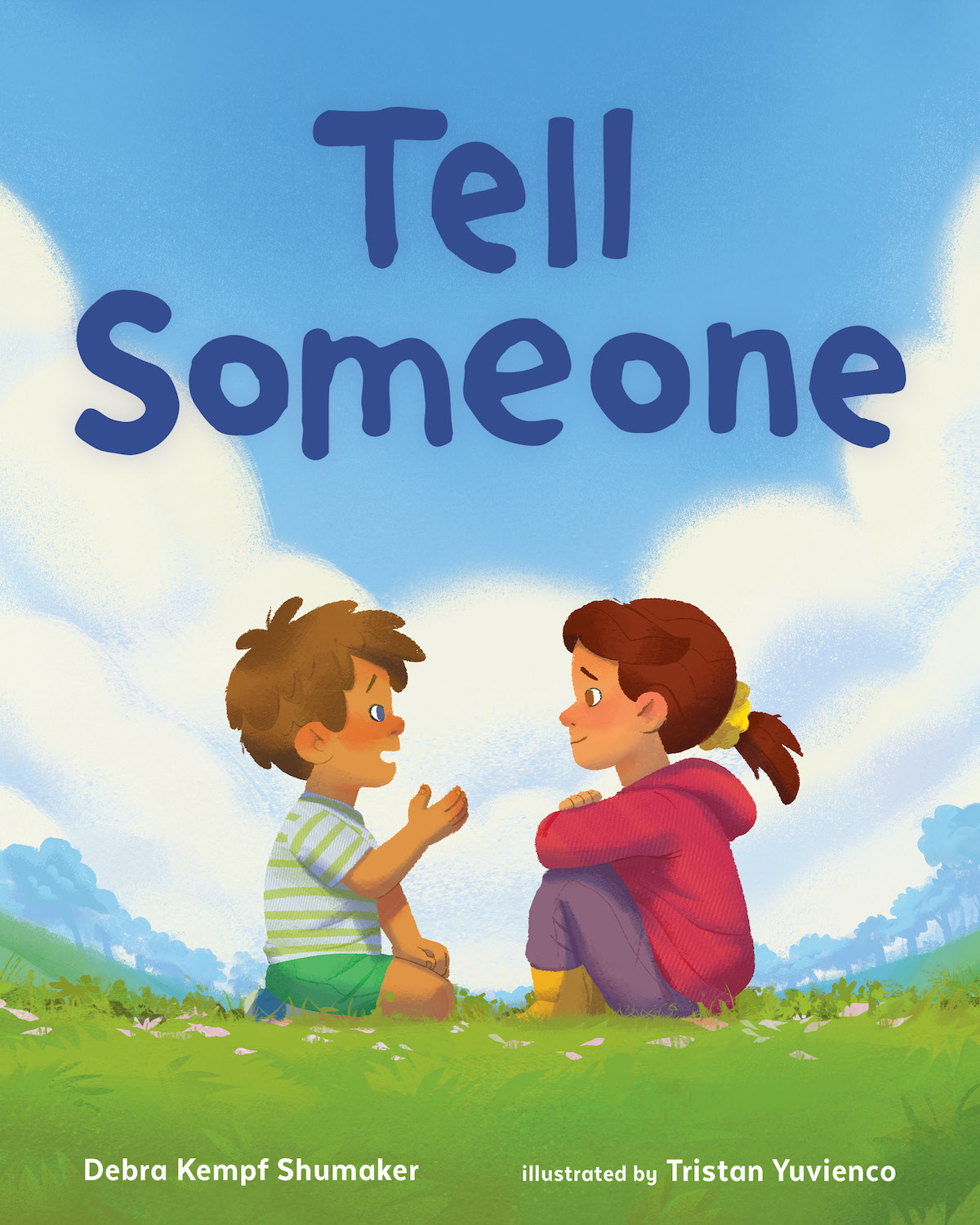 Talking does not have to begin with a crisis. Debra Kempf Shumaker’s picture book, illustrated by Tristan Yuvienco, welcomes everyday feelings alongside difficult ones. It is useful when you want asking for support to feel familiar long before your child has something especially hard to say.
What kids notice: There is room for happy news as well as uncomfortable feelings. Being heard is part of ordinary connection, rather than something children earn by having a sufficiently serious problem.
Story snapshot: Through a range of situations and emotions, the book encourages children to find someone trustworthy and talk. Those situations include school nerves and a troubling secret. This is an encouraging invitation, rather than a single unfolding adventure.
Why this book helps: Name several adults your child can approach, including someone outside the family. Make the names concrete. A teacher or another dependable caregiver can help when a parent is unavailable, or when the worry involves someone at home.
The Huge Bag of Worries by Virginia Ironside
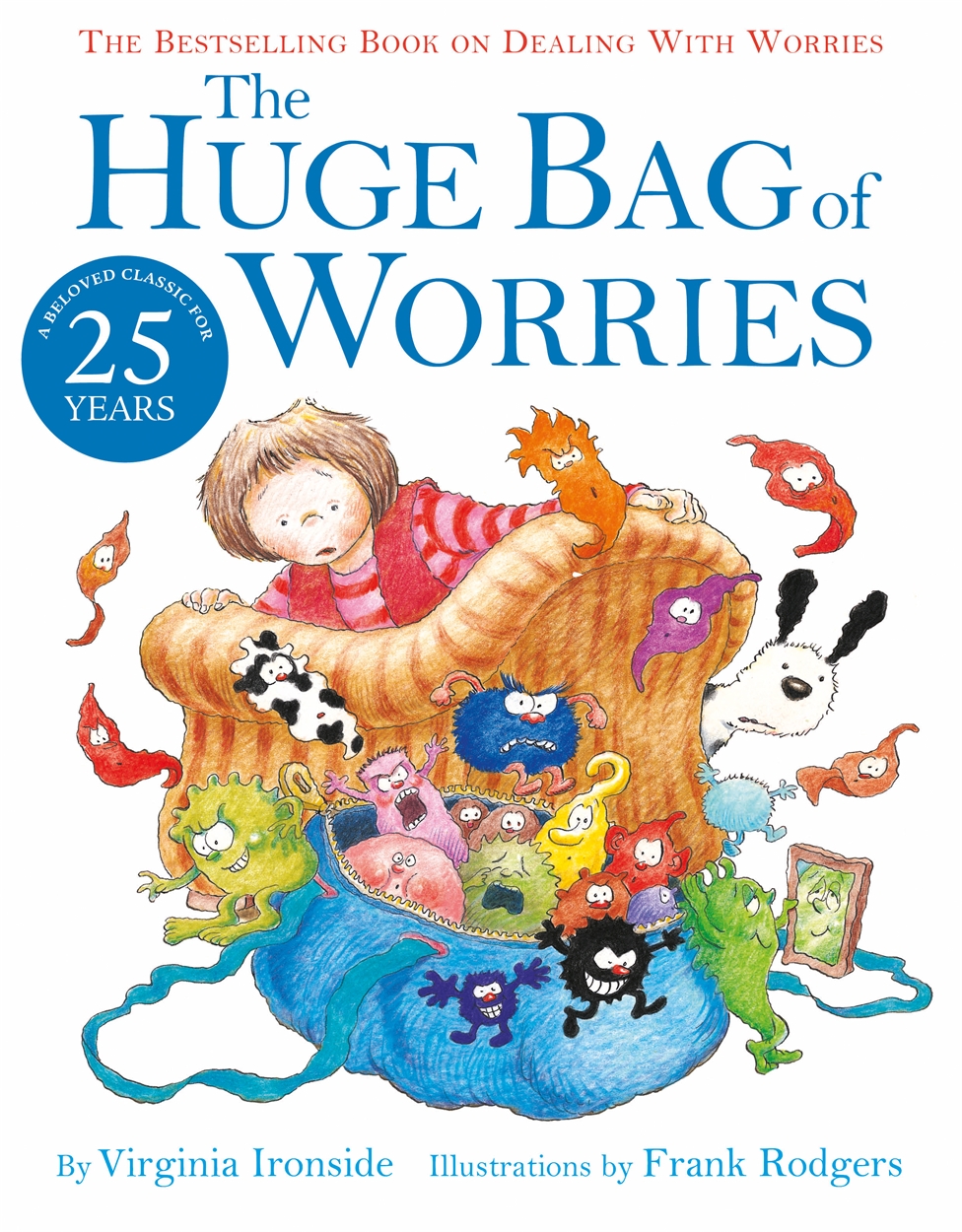 Sometimes your child needs a picture for a feeling before they can find words. Virginia Ironside and illustrator Frank Rodgers give worry a memorable shape: a bag that keeps coming along. It fits this conversation because an unspoken concern can feel heavy even when nobody else can see it.
What kids notice: Jenny’s bag follows her into everyday places. That image can help a child recognize how much energy it takes to carry something alone while everyone expects the day to continue.
Story snapshot: Jenny is followed everywhere by a big blue bag of worries. She wants relief and needs help with what she is carrying. The story uses a visible burden to explore an invisible experience.
Why this book helps: Try asking what might make a worry easier to share. Your child could begin with a drawing, a note, or “I need help with something.” You can accept an imperfect beginning without requiring the whole explanation immediately.
Secrets and Surprises by Jayneen Sanders
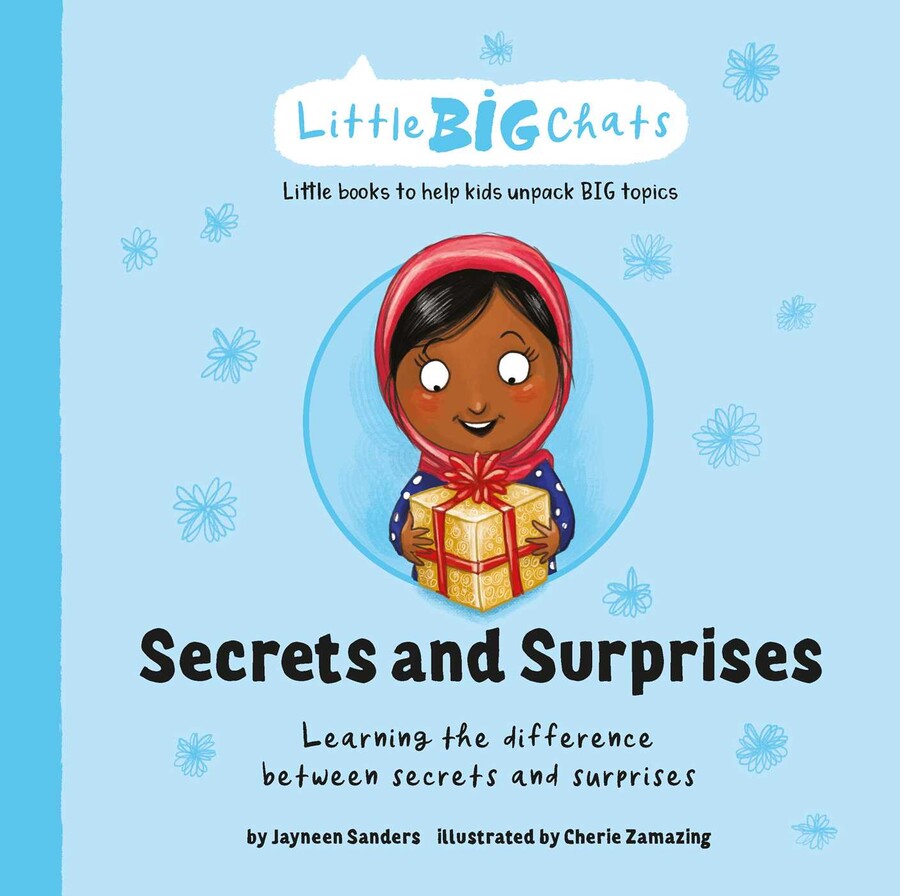 For younger children, a short explanation may land better than a complicated plot. This Little BIG Chats title, illustrated by Cherie Zamazing and intended for ages two to six, gives you a starting point for sorting familiar words. Its focus is conversation, rather than suspense.
What kids notice: A surprise is something that will be shared. That clear endpoint is easier to understand than a vague instruction to decide whether every secret is “good” or “bad.”
Story snapshot: This illustrated teaching book introduces the difference between secrets and surprises, with questions for adults and children to discuss. It belongs to a broader series about feelings, relationships, and safety.
Why this book helps: Use an everyday example, such as a wrapped present. Add that even a happy surprise can be discussed with a safe adult if your child wants help. They never have to protect a surprise at the expense of feeling supported.
The Trouble with Secrets by Karen Johnsen
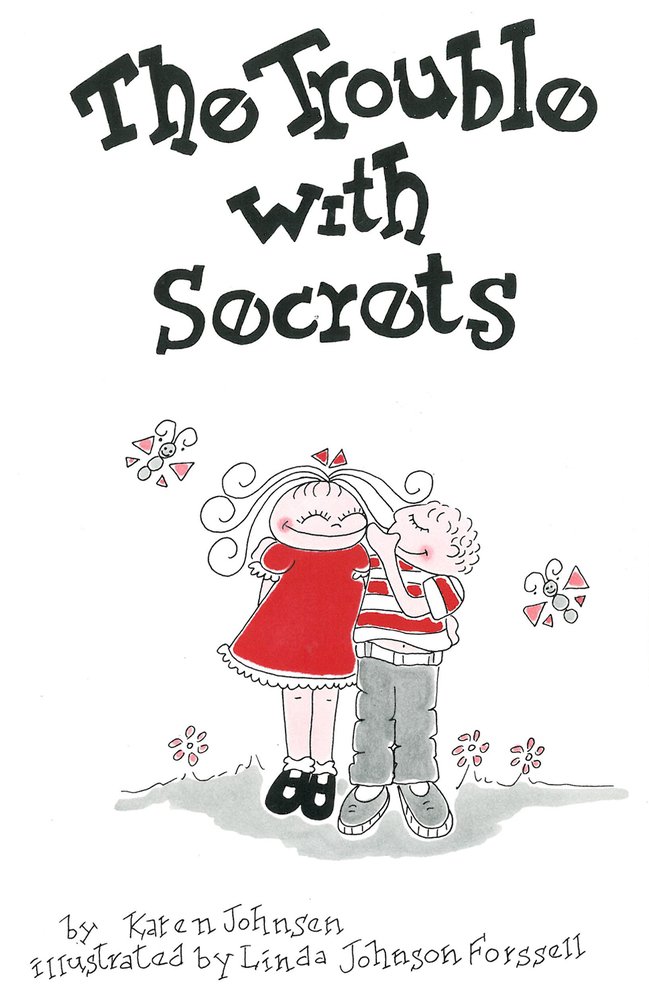 A promise can sound very powerful to a child who wants to be loyal. Karen Johnsen’s book, illustrated by Linda Johnson Forssell, helps you revisit that pressure. You can affirm your child’s caring intentions while explaining that asking an adult for protection is always allowed.
What kids notice: Keeping quiet is not automatically the kindest choice. Children can care about a person and still tell someone when a situation calls for help.
Story snapshot: Using examples of different secrets, this picture book considers which can remain surprises and which should be shared with an adult. It directly challenges the idea that being told to stay silent settles the matter.
Why this book helps: Offer a sentence your child can borrow: “I promised, but I need help.” Explain that a safety concern belongs with an adult who can act. Your child does not have to investigate, gather proof, or solve another person’s problem first.
Do You Have a Secret? by Jennifer Moore-Mallinos
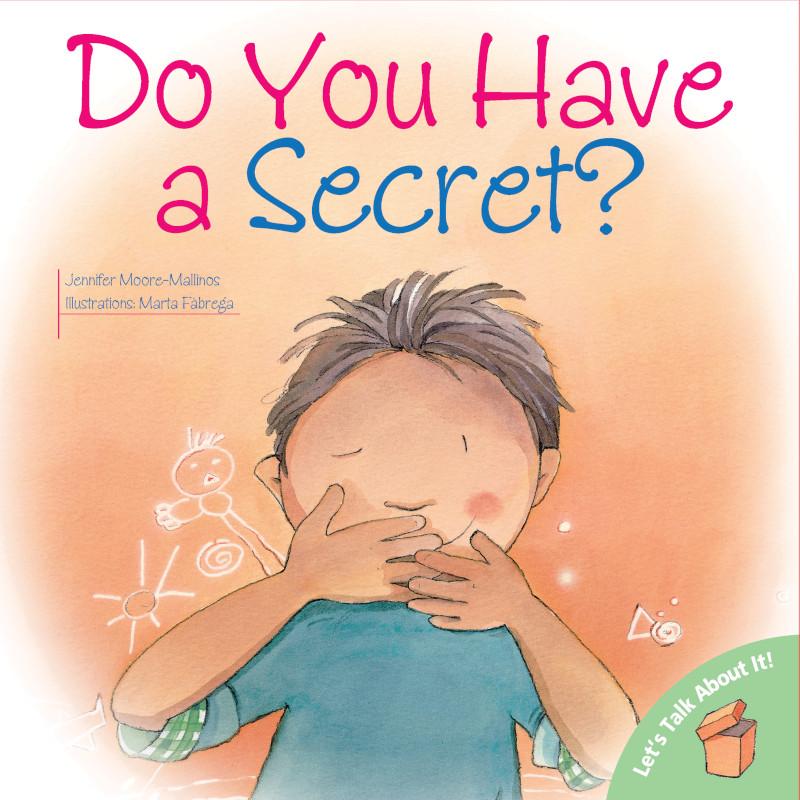 Jennifer Moore-Mallinos and illustrator Marta Fàbrega offer another direct conversation starter. This book includes bullying and inappropriate touching, so preview it before reading together. Its familiar examples can help you clarify what children mean when they use the same word for very different experiences.
What kids notice: A birthday surprise and a troubling experience do not require the same response. Your child can bring a confusing situation to an adult without knowing exactly what to call it.
Story snapshot: The book contrasts enjoyable secrets with ones that cause distress, encouraging children to talk to a parent or another trusted adult. It is an illustrated discussion of situations, rather than a mystery to unravel.
Why this book helps: Broaden its feelings-based distinction gently. Explain that secrecy about private body parts should be shared even when feelings are mixed or unclear. Asking for help is allowed before your child can decide whether something was wrong.
Some Secrets Should Never Be Kept by Jayneen Sanders
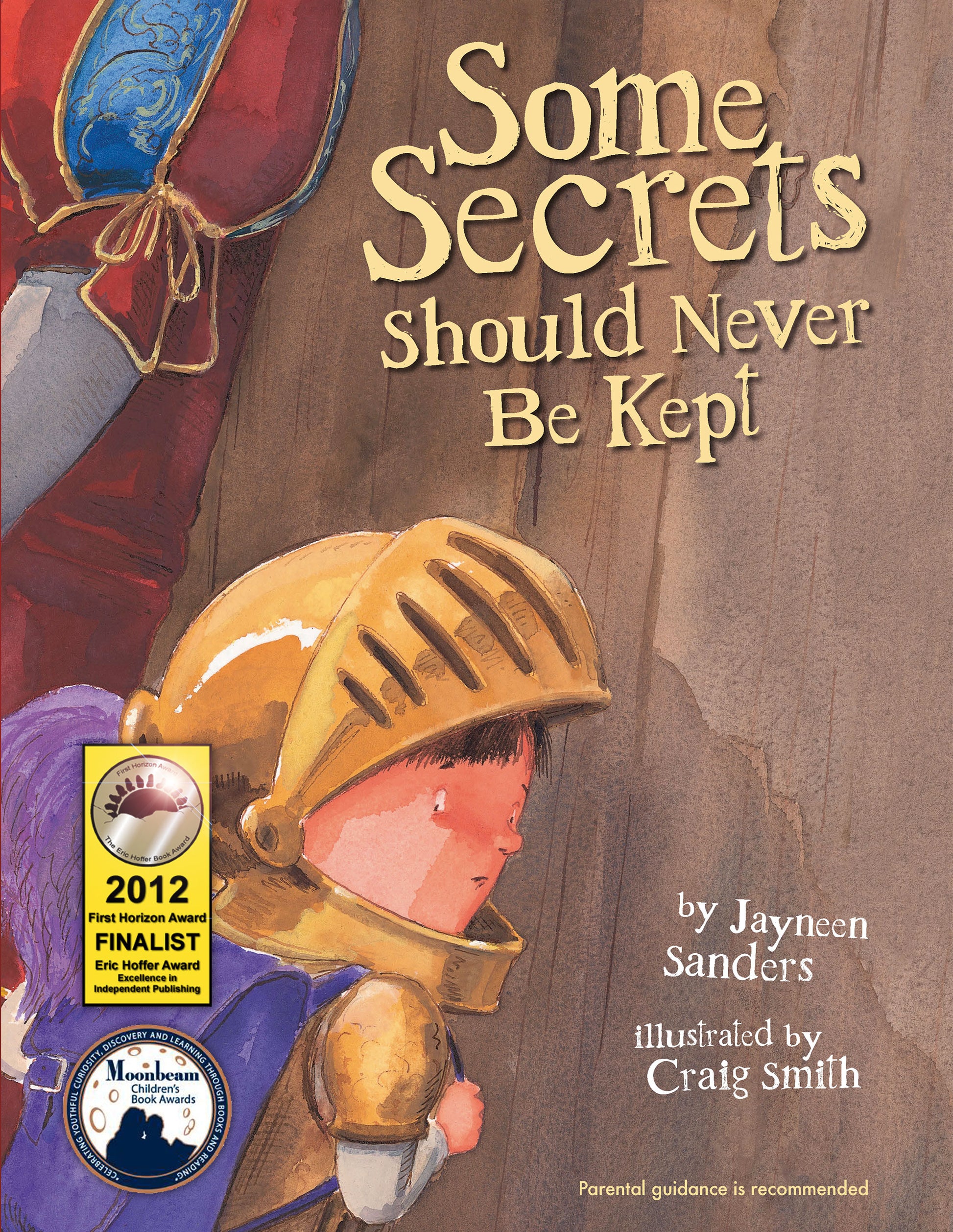 This is a more explicit body-safety choice. Jayneen Sanders and illustrator Craig Smith use a fable to address unsafe touch. Read it yourself first, including the adult notes, and choose a calm time if it suits your child. You can stop whenever they need a pause.
What kids notice: Sir Alfred needs help with something too difficult to manage alone. His uncertainty gives you space to emphasize that children are entitled to care, even when telling feels hard.
Story snapshot: A young knight faces an upsetting secret involving unsafe touch. The fable explores speaking to a trusted adult, supported by a note to the reader and discussion questions.
Why this book helps: Keep responsibility firmly with adults. A child who cannot speak, says nothing at the time, or tells much later still deserves help. If one adult does not respond, another can be approached. None of this makes protecting themselves the child’s job.
I Said No! by Zack and Kimberly King
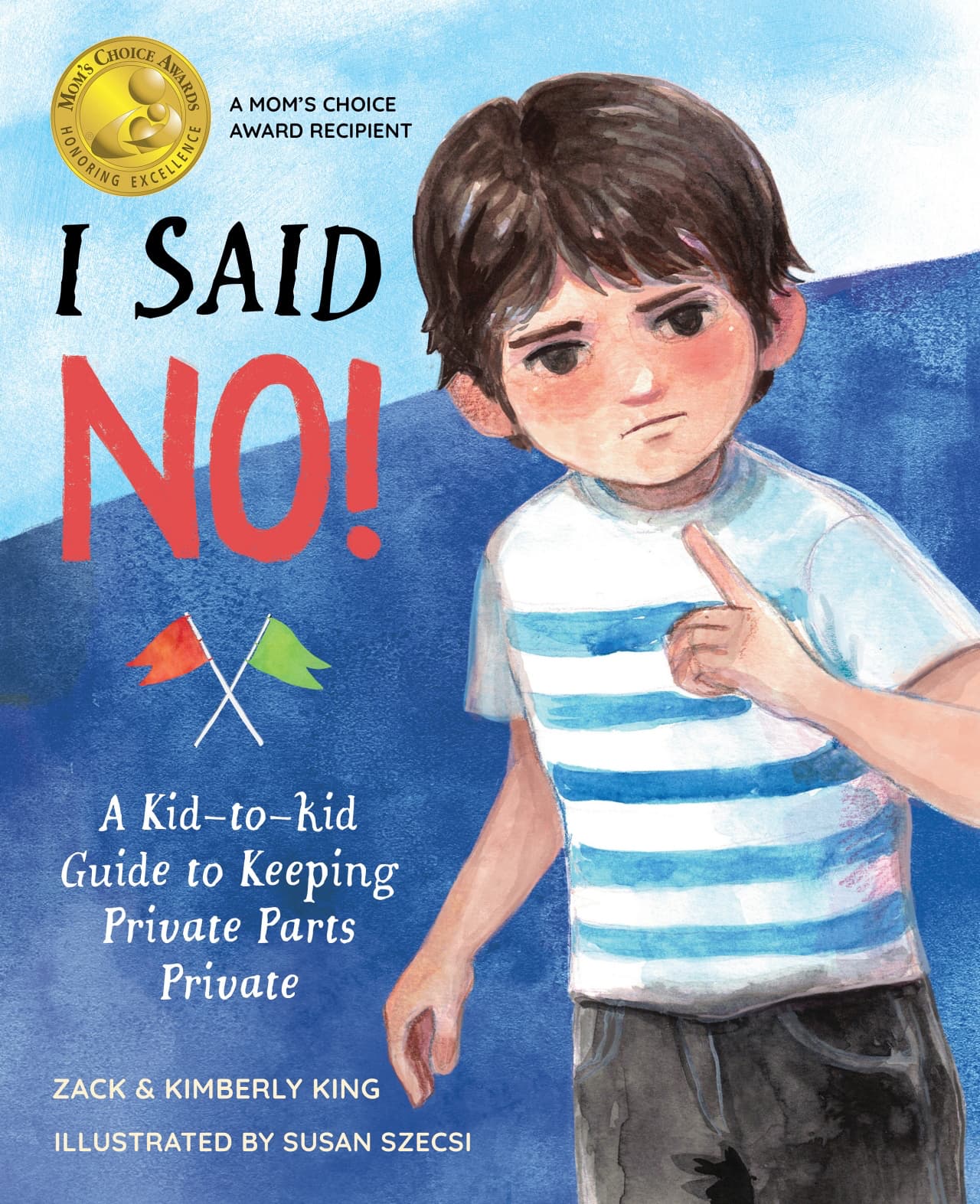 The Marble Press edition, illustrated by Susan Szecsi, offers direct language for body boundaries. This guide explicitly addresses sexual abuse prevention, so preview its examples and read in small portions. It may suit a family ready for a clearer conversation after the gentler books.
What kids notice: The guide uses red and green flags to discuss situations. These give children words for asking questions, without requiring them to become experts at judging someone else’s intentions.
Story snapshot: This kid-to-kid guide discusses private parts, boundaries, concerning behavior, and telling a trusted adult. It is a practical conversation book, not a fictional adventure. The newer edition has updated content and different artwork from earlier editions.
Why this book helps: Pair the title with an essential reassurance: a child is never at fault for being unable to say no. You can practice asking for help while reminding them that safety never depends on delivering the perfect response.
Put Your Child in the Heart of the Story
Seeing their own name in a story can make a small moment of courage feel personal. With a personalized Scrively story, you can explore an everyday situation such as admitting a worry about joining a game or asking a teacher for help. Keep this optional practice gentle and familiar.
Invite your child to imagine what a helpful grown-up might say. Avoid inventing frightening safety scenarios or asking them to act out harm. A story can support conversation; it cannot replace an adult’s responsibility to respond to a real concern.
Be the Person Who Makes Telling Easier
If your child shares something troubling, listen calmly, thank them, and reassure them that they are not to blame. Avoid repeated or leading questions. Explain who needs to help next, without promising secrecy. Seek appropriate safeguarding support when needed.
Trust grows through these steady responses, alongside ordinary chats about ordinary days. You do not need a perfect speech. Your child needs to know that there is room for difficult words, time to find them, and an adult ready to help carry what comes next.