Do I Want It, or Did the Ad Make Me Want It? 8 Children’s Books About Advertising
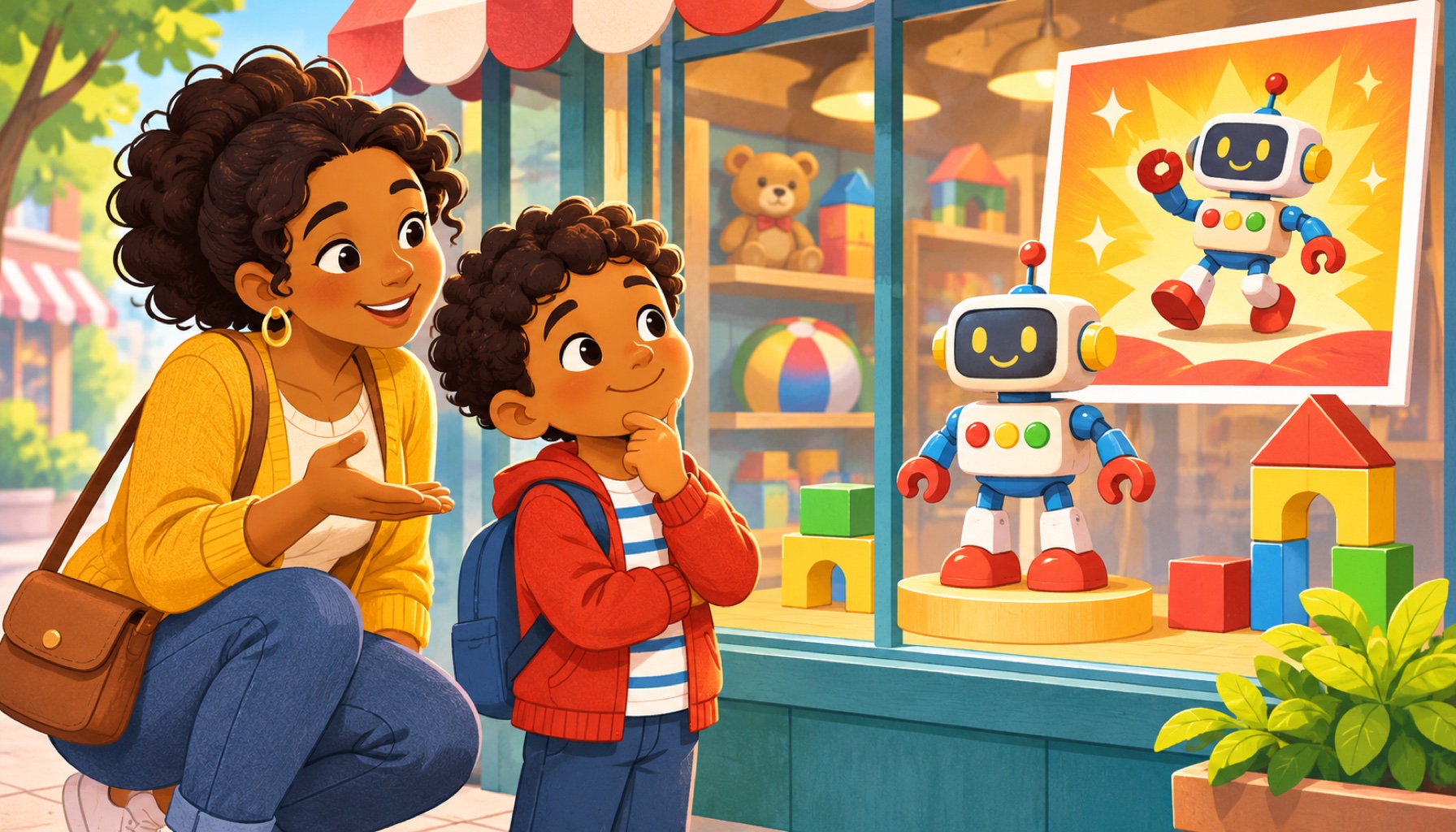
One moment, your child is happily playing. The next, a toy appears on a screen and becomes the most important thing in the world. You hear, “I need that!” Perhaps you recognize the feeling yourself. A beautiful picture, an excited voice, or someone we admire can make something suddenly seem irresistible.
Children’s books about advertising can give you a gentler place to begin than the middle of a shopping disagreement. Wanting something is ordinary. Enjoying a new toy is lovely. Discernment means learning to notice what is influencing a choice, then taking enough time to decide what fits your interests and your family’s circumstances.
Advertising can introduce useful things, but its purpose matters. Sponsored content can blend with entertainment, making the invitation to buy less obvious. Try wondering together: Who made this message? What do they want us to do? What makes the product seem appealing? You can be curious without treating every advertisement as dishonest or every wish as a problem.
The stories below offer different ways into that conversation. Some address advertisements directly. Others explore copying friends, buying a feeling of belonging, or discovering what is genuinely enjoyable. None requires you to dismiss your child’s excitement. Read, laugh, and leave room for an answer that might be “I still want it,” even when buying it is not possible today.
8 Children’s Books About Advertising, Wants, and Thoughtful Choices
The All New Must Have Orange 430 by Michael Speechley
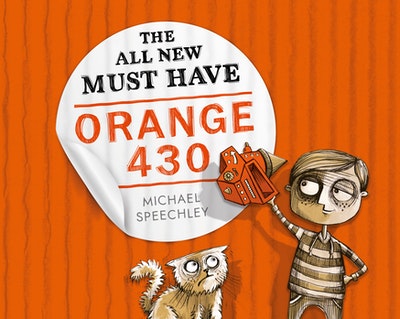
If your child has ever wanted the newest version before asking what it does, Harvey will feel familiar. Michael Speechley writes and illustrates this playful story about a product whose exciting presentation gets ahead of its purpose.
What kids notice: The name itself makes a promise. Something described as new and essential can feel important before anyone explains why. Invite your child to look closely at the packaging and notice which details create excitement and which actually provide information.
Story snapshot: Harvey already owns plenty of things, yet he wants the Orange 430 without knowing what it does. Speechley builds a comic story around that mismatch. Harvey’s experience eventually points him toward saving for a bike, something he can imagine using.
Why this book helps: It gives you a concrete question to practice: “What would I do with this?” An answer might involve fun, comfort, or creativity. Those matter too. The aim is to help your child connect a purchase with their own interests rather than relying entirely on the excitement around it.
The Berenstain Bears and the Trouble with Commercials by Stan and Jan Berenstain, with Mike Berenstain
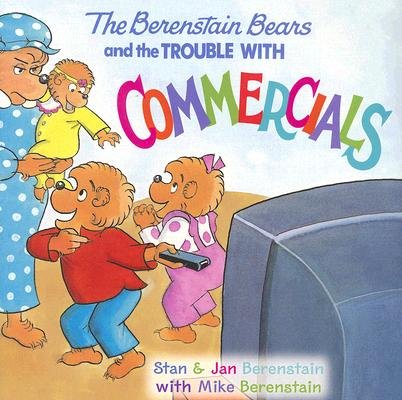
Here, the connection to advertising is direct. With illustrations credited to Jan and Mike Berenstain, the familiar Bear family offers a way to discuss persuasive messages without making your own child the example.
What kids notice: A toy can look wonderfully exciting in a commercial and spend very little time being played with afterward. Children can consider the difference between enjoying a presentation and knowing whether they will enjoy the thing being presented.
Story snapshot: Brother and Sister Bear keep wanting the toys they see advertised on television. As unused toys accumulate, Mama Bear looks for a way to help them question what commercials show. The cubs’ enthusiasm is understandable, even when their expectations need a closer look.
Why this book helps: Ask, “What does the commercial show us, and what would we still like to know?” You might wonder about size, included pieces, or how the toy works without the music. Let your child help investigate. Checking a claim can become something you do together, rather than a lecture delivered after disappointment.
Wants vs. Needs vs. Robots by Michael Rex
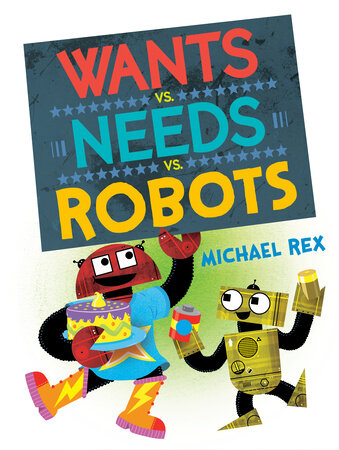
Michael Rex writes and illustrates an energetic introduction to a distinction that can feel surprisingly slippery. His robots want exciting things, and their choices give young readers plenty to talk about.
What kids notice: Wanting something intensely can feel like needing it. The robots’ colorful extras are appealing, but the things that keep them functioning deserve attention too. Readers can notice both feelings without having to pretend the appealing objects are boring.
Story snapshot: The robots make trades to get things they want. Unfortunately, some exchanges cost them things they need. Their enthusiasm gets ahead of their thinking, and the practical consequences make the distinction between a want and a need easier to see.
Why this book helps: You can talk about making room for enjoyment while protecting essentials. Keep the discussion flexible: people’s needs differ, and a family’s circumstances affect its choices. Ask, “What would this robot need to check before trading?” That small pause is useful whenever an exciting offer makes a decision feel urgent.
Nothing by Jon Agee
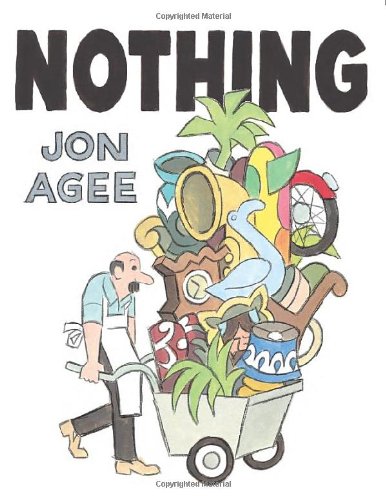
Jon Agee’s writing and illustrations turn an impossible shopping craze into a wonderfully strange conversation starter. Older picture-book listeners may especially enjoy spotting how the adults get carried away.
What kids notice: Once something becomes fashionable, people can begin wanting it because other people want it. This story takes that familiar feeling to an absurd extreme. Your child may find the joke immediately, or enjoy puzzling through what buying nothing could mean.
Story snapshot: When Suzie Gump enters an empty antiques shop, Otis has nothing to sell. She pays for it anyway. Other merchants join in, a craze develops, and customers clear away possessions to make room for their purchases of nothing. Eventually, the cycle turns again.
Why this book helps: The exaggeration lets you ask, “Would this still interest you if nobody else were buying it?” Sometimes the answer will be yes. Sometimes sharing an interest with friends is part of the pleasure. Discernment begins with noticing those reasons, not automatically rejecting everything popular. Adults can join the conversation about trends they have enjoyed, too.
Betty Bunny Wants Everything by Michael B. Kaplan
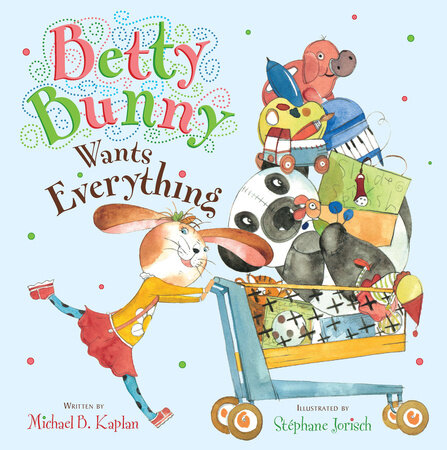
Michael B. Kaplan’s lively story, illustrated by Stéphane Jorisch, understands how difficult choosing can be when every shelf holds something tempting. Betty brings a preschooler’s determination to a very recognizable family outing.
What kids notice: Being allowed one toy does not make the other toys stop looking wonderful. Betty’s feelings are bigger than the shopping rule. You can acknowledge that experience without agreeing that every wish must become a purchase.
Story snapshot: Betty cannot understand why she may buy only one toy when she wants them all. Her family tries to explain money and spending limits, but Betty finds a comic loophole. This is a funny family story, not a neat account of a child instantly mastering self-control.
Why this book helps: The humor gives everyone some breathing room. Wonder together how Betty might choose the toy she would most enjoy using. With your own child, you could draw a wish for later or simply say, “I can see why you like that.” Understanding a desire and setting a spending limit can happen in the same conversation.
The Hueys in The New Sweater by Oliver Jeffers
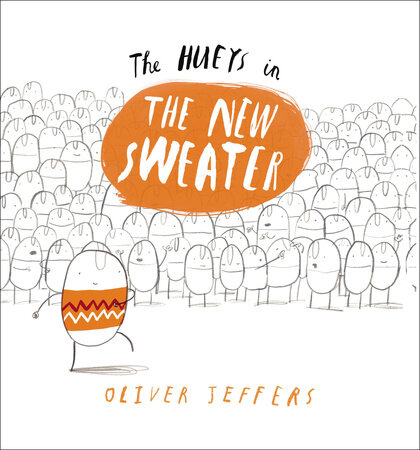
Oliver Jeffers writes and illustrates a small sweater story with a familiar social puzzle inside it. This book explores peer influence rather than advertising, adding another angle to the question of where a wish begins.
What kids notice: A choice can spread through a group. Something that first looks unusual may soon seem like the thing everyone should have. Children can watch that change without being asked to identify or criticize a particular friend.
Story snapshot: The Hueys look alike and do the same things until Rupert knits himself a sweater. His difference attracts attention. Soon, other Hueys decide they want to be different too, and choose the very same sweater.
Why this book helps: Ask, “Would you want that sweater because you like it, because your friends like it, or both?” All three answers can open a useful conversation. Enjoying something together is part of friendship. Your child can also practice noticing their own preferences, including when those preferences happen to match everyone else’s.
The Sneetches and Other Stories by Dr. Seuss
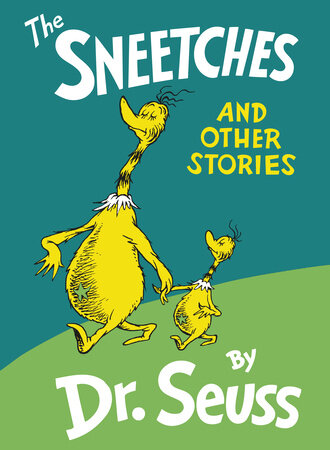
Written and illustrated by Dr. Seuss, this collection contains four stories. For this conversation, focus on “The Sneetches,” which connects exclusion with a seller’s opportunity to profit from it.
What kids notice: The Sneetches treat a visible difference as a reason to decide who belongs. When that difference can be bought or removed, the rules keep shifting. Children can notice how exhausting it becomes to chase someone else’s standard.
Story snapshot: Star-bellied and plain-bellied Sneetches are divided by prejudice. Sylvester McMonkey McBean offers machines that change their appearance for a price. Repeated transactions feed the rivalry until the Sneetches finally learn that no kind of Sneetch is better than another.
Why this book helps: Keep its central message about equality in view. Ask, “Can buying something make anyone more worthy of being included?” A child who wants a popular item may also want friendship or protection from teasing. Take that need seriously. Belonging should never depend on a purchase, and the responsibility for exclusion does not belong to the child being left out.
Sparky! by Jenny Offill
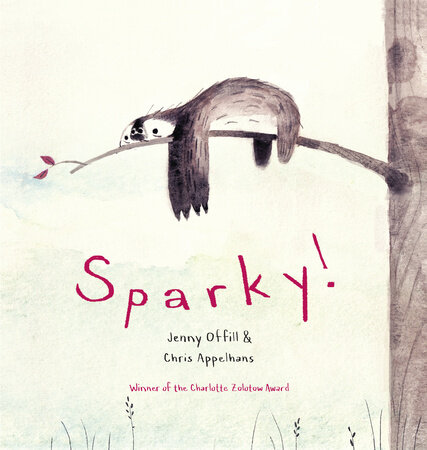
Jenny Offill’s quietly funny story, illustrated by Chris Appelhans, offers a gentler ending to this collection. Although it is not a story about an advertisement, it explores the space between an exciting expectation and a worthwhile real experience.
What kids notice: Sparky does not do the impressive things his owner hopes a pet will do. Yet there is something lovable about him. Readers can notice affection growing even when the imagined performance never quite arrives.
Story snapshot: A girl orders a sloth through the mail. Sparky is not much good at tricks or games, and attempts to train him unfold at his own unhurried pace. The story’s warmth comes from the connection between the girl and her unusual companion.
Why this book helps: Ask, “What does she enjoy about Sparky once she gets to know him?” Keep the fanciful pet premise separate from real decisions about animal care. The useful connection to discernment is recognizing what matters to you after the impressive picture in your imagination changes. Sometimes genuine satisfaction looks quieter than you expected.
Put Your Child in the Heart of the Story
You can carry the conversation into a story of your own. Imagine your child meeting a shopkeeper who promises that one mysterious object will make everyone admire them. What would your child ask? Who could help them investigate? Let the ending include a thoughtful yes, a patient “maybe later,” or a confident no.
If you would like to explore personalized storytelling, visit Scrively. Keep your child’s curiosity at the center of whatever story you share. They do not have to become perfectly sensible shoppers to be thoughtful people.
The next time a wish arrives suddenly, try pausing beside your child rather than arguing against the feeling. “That caught your attention. What do you like about it?” is a useful beginning. With practice, you can help them recognize a persuasive message, name their own reasons, and make a choice with a little more understanding.