Leaving It Better: Kids Books About Responsibility
You are heading home from the playground when your child spots a wrapper beside the bench. “That isn’t ours,” they say. They are right. You can feel the small parenting question opening between you: how do you help them care about what happens next without turning every outing into another lecture?
Responsibility grows through ordinary moments. A borrowed puzzle returned with its pieces together. A watering can put back where the next person can find it. A shared table wiped after the fun is over. Your child is learning that their presence can leave a place, an object, or someone else’s day a little better.
Of course, noticing is easier than following through. Children get tired, distracted, and overwhelmed; so do you. They need jobs small enough to finish, help when a task is beyond them, and chances to try again. Caring for something does not require them to carry every problem they see.
These children’s books about responsibility give you a gentler starting point. Through gardens, a much-loved truck, a paper bag, and an ocean worth protecting, they make care visible. Read for the pleasure of the story first. Then see which small act your child wants to bring into your own day.
8 Children’s Books About Responsibility and Leaving Things Better
Some of these stories begin with damage; others begin with possibility. Together, they invite your child to notice what needs care, ask for help, and stay involved after the exciting first step. You do not need a grand project to put that invitation into practice.
The Old Truck by Jarrett Pumphrey and Jerome Pumphrey
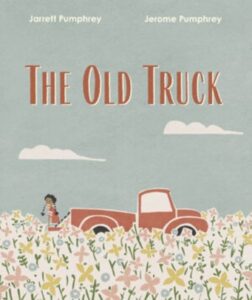 If your child loves wheels, begin here. This quiet picture book gives an old farm truck a place in a family’s life, then asks you to watch what happens as both the truck and a young girl grow older.
What kids notice: The truck’s changing condition is something children can follow through the pictures. An object that once worked hard is still worth looking at with affection and possibility.
Story snapshot: A truck works alongside a family on their farm. Time passes, and it rests among the weeds. The family’s daughter grows up, takes on the work of the farm, and restores the truck that has been part of her childhood.
Why this book helps: Responsibility includes caring for what already serves us. You might wonder together which household object could use some attention. Cleaning a muddy scooter or putting a toy’s loose pieces somewhere safe gives your child a manageable beginning.
Something, Someday by Amanda Gorman
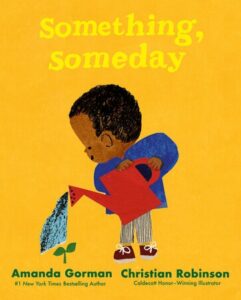 Sometimes your child sees a problem and immediately feels too small to help. Amanda Gorman’s hopeful words and Christian Robinson’s illustrations make room for that feeling while offering a reason to begin.
What kids notice: Change can start before everyone believes it will work. The pictures give children something concrete to follow alongside a message about hope, effort, and finding other people who care.
Story snapshot: A child faces a neglected place and the discouragement that can surround an attempt to improve it. Small efforts, joined by others, grow into a shared possibility. The book connects hope with doing something.
Why this book helps: You can separate starting from solving everything. Ask, “What is one thing we could do here?” Then choose a task you can finish together. Your child gets to experience responsibility as participation, with a grown-up beside them, rather than an impossible assignment.
One Little Bag: An Amazing Journey by Henry Cole
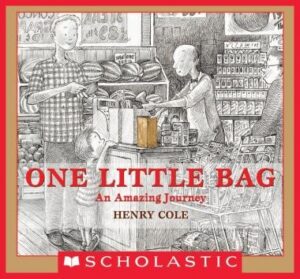 A paper bag may seem an unlikely thing to love. Henry Cole’s largely wordless storytelling invites you and your child to slow down and notice how something ordinary can keep being useful.
What kids notice: The bag is a detail worth searching for as the pictures and people change. Your child can tell you what it carries, who has it, and how its purpose changes over time.
Story snapshot: A bag travels from its beginnings as a tree into a family’s daily life. Used and reused across generations, it carries objects and memories. Even after a grandfather’s death, the family finds a meaningful way for its journey to continue.
Why this book helps: Reuse becomes a relationship with an object, not simply a rule about rubbish. Let your child choose something sturdy to keep using. A familiar gift bag or drawing folder can become their own small practice of care. Be ready for questions about the family’s loss.
The Little Gardener by Emily Hughes
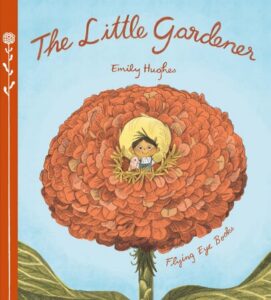 For the child who tries hard and still needs help, this gentle fantasy offers company. Emily Hughes makes the garden feel enormous beside its tiny caretaker, an image many young children will understand immediately.
What kids notice: One beautiful flower stands out amid a garden that needs more work than its gardener can manage. Small efforts can matter even when the whole job remains unfinished.
Story snapshot: A little gardener works to care for the place he loves, but the task overwhelms him. While he sleeps, a flower he has nurtured inspires a girl to help. Their efforts bring new life to the garden.
Why this book helps: Caring does not mean doing everything alone. You can ask, “Which part could you do, and which part needs me?” Offer one plant to water or a few tools to return. A child-sized share makes follow-through possible without making help feel like failure.
The Great Paper Caper by Oliver Jeffers
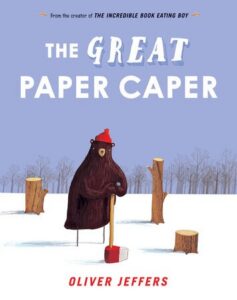 A mystery can open a conversation that a reminder cannot. Oliver Jeffers brings an investigative cast of forest animals, a suspicious bear, and plenty of paper airplanes into this funny story about the effects of our choices.
What kids notice: The clues invite close looking. Paper is connected to trees, and trees are connected to the animals’ homes. Something one character wants can affect an entire shared place.
Story snapshot: Trees are disappearing from the forest, and its inhabitants investigate. A bear and discarded paper airplanes become part of the puzzle. The whodunit leads into questions about conservation and the materials we use.
Why this book helps: You can talk about consequences with curiosity. “Who else needs this?” is useful around a craft table as well as in a forest story. Saving usable scraps for another drawing gives your child a practical way to care for resources while still enjoying making things.
The Bear’s Garden by Marcie Colleen
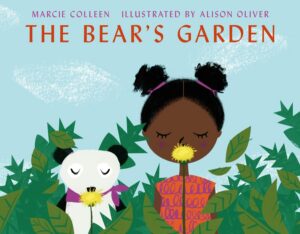 Your child may already have strong ideas about what a favorite corner could become. With illustrations by Alison Oliver, this story treats that imagination as a beginning, then gives it the company of care and community.
What kids notice: An empty lot can hold more possibility than it first appears to. A beloved stuffed bear helps give the girl’s idea a warm, familiar center.
Story snapshot: A little girl imagines a city lot as somewhere to grow, play, and belong. With her stuffed bear and the involvement of her community, that imagined place becomes a garden. The story draws inspiration from a real Brooklyn community garden.
Why this book helps: An idea needs people who will care for it. After reading, imagine one improvement to a space you are allowed to change. Then ask who will tend it tomorrow. That second question helps your child connect enthusiasm with the continuing work of responsibility.
Alba and the Ocean Cleanup by Lara Hawthorne
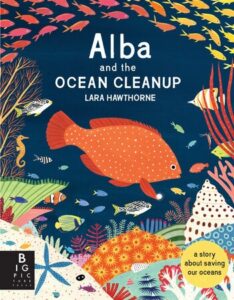 Lara Hawthorne gives your child a fish to care about before asking them to think about a whole ocean. The colorful underwater world makes the changes in Alba’s home feel personal.
What kids notice: Alba loves collecting beautiful things. As rubbish arrives, the contrast between what belongs in the sea and what harms it becomes easier to see.
Story snapshot: Over the years, Alba’s ocean home fills with trash. She becomes trapped in a plastic bottle. A human child rescues her and helps organize a cleanup, bringing people together to care for the water and its creatures.
Why this book helps: Helping one creature can lead to caring about its home. Bring the conversation back to something nearby and achievable: packing away your picnic carefully or reducing what you throw away. You can share the work of protecting a place without asking your child to fix the ocean.
The Mess That We Made by Michelle Lord
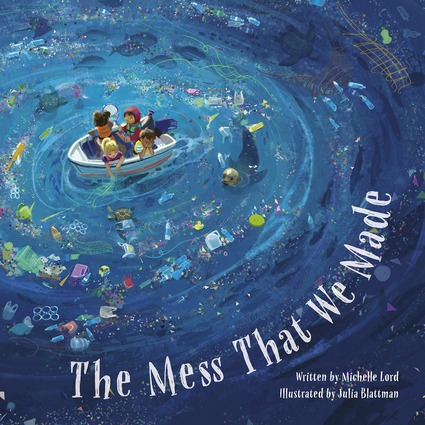 For children ready to look more closely at how rubbish travels, this rhythmic book makes connections visible. Julia Blattman’s illustrations bring the ocean’s beauty and its troubles into the same frame.
What kids notice: Repeated language builds a chain of cause and effect. The growing mess affects animals as well as people, and the story eventually turns toward actions that can help.
Story snapshot: Four children in a small boat witness ocean pollution. The cumulative text follows the harm caused by waste, then shifts toward people working to reduce it and clean up. Back matter offers further information and actions to discuss.
Why this book helps: Responsibility includes looking beyond the moment something leaves our hands. Read at your child’s pace; some pictures may prompt concern. Finish by choosing one shared habit, such as remembering reusable containers, and let your child see you practice it too.
Put Your Child in the Heart of the Story
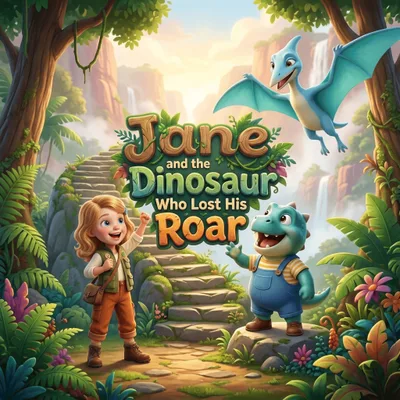
There is another way to make responsibility feel close to home: let your child imagine themselves as the person who notices, helps, and follows through. With Scrively, you can explore personalized stories that place your child at the heart of the adventure.
The appeal is simple and personal. A child may be especially interested in a story when its hero feels familiar. You can connect that excitement to the choices you have been discussing: caring for a shared place, asking a grown-up for help, or returning to finish a useful job. A story can give you something enjoyable to talk about together, without promising that reading alone will change a habit.
A Little Better, One Small Choice at a Time
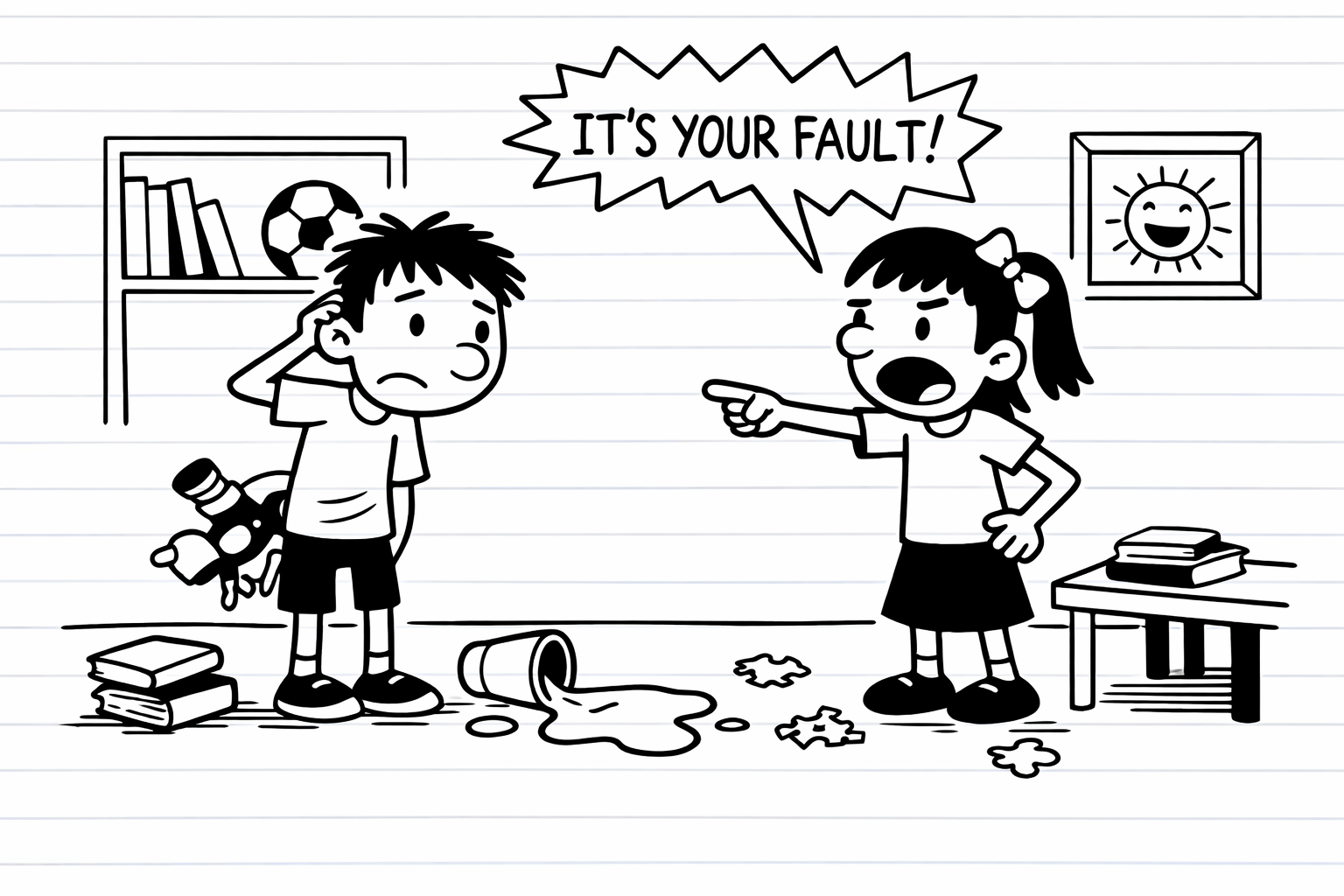
Your child does not need to become the person who cleans up every mess. They are learning to notice their own part and to discover that caring can continue after playtime ends. Keep the next step small, specific, and shared.
Perhaps tonight it is putting the library book somewhere safe. Tomorrow it might be watering a thirsty plant. When you notice the effort, name what it made possible: “Now the next person can find it.” Little by little, responsibility becomes something your child can see themselves doing.