Help Your Child Find Their Voice: 8 Books About Speaking Up
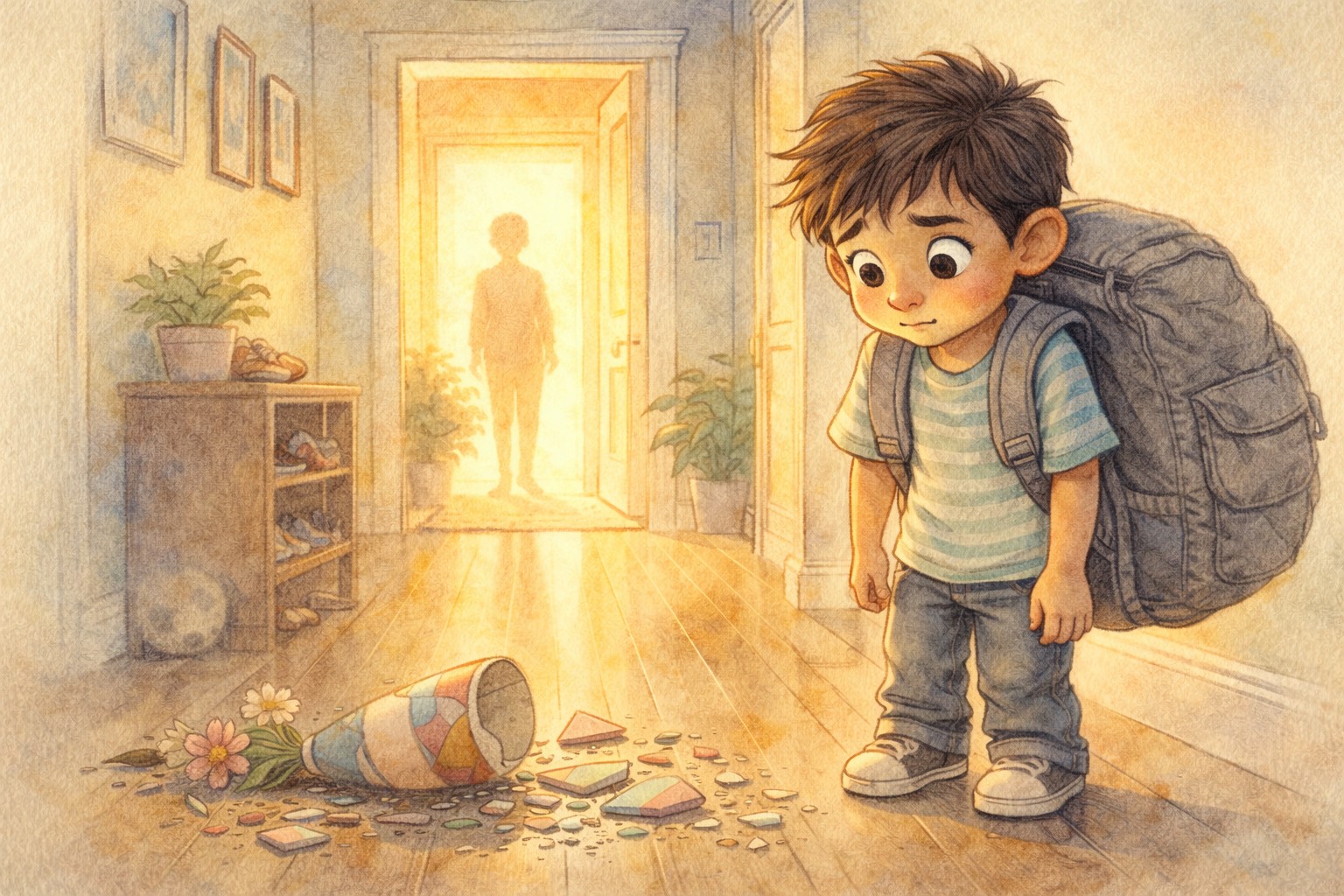
Your child tells you what happened at school, then adds the part that stays with you: “I didn’t think it was right. But everyone else was laughing.” You recognize the pull between belonging to the group and listening to that small, uncomfortable feeling inside.
Perhaps your child is outspoken at home but quiet in company. Perhaps they have plenty of words until a friend disagrees. You want them to trust their judgment without assuming every strong opinion is right. You want them to be kind without disappearing.
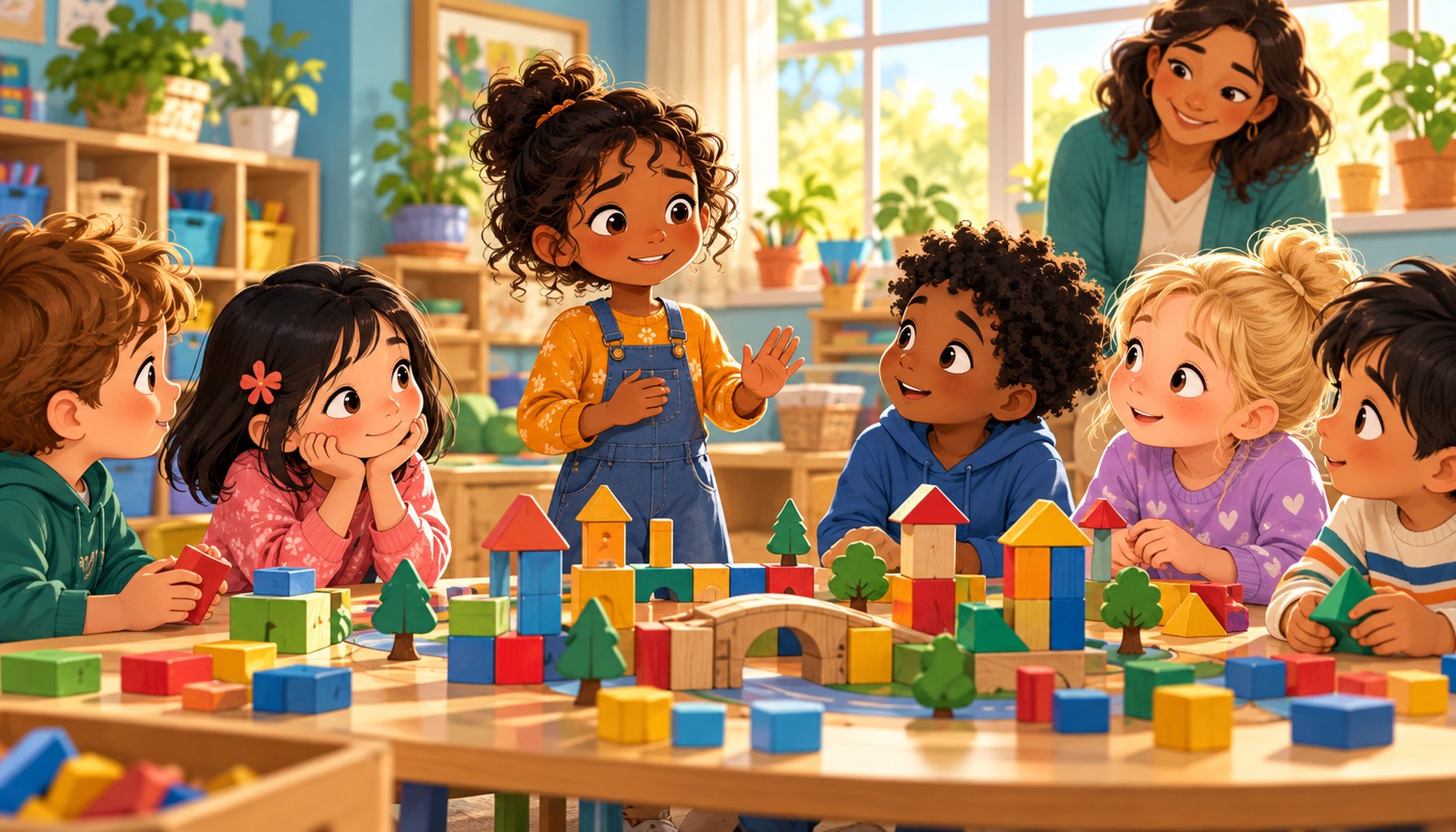
Conviction begins in those ordinary tensions. It can mean saying that someone deserves a turn, asking why a rule exists, or refusing to laugh at a hurtful joke. It can also mean writing a note or finding a trusted adult. A child does not need to become the loudest person in the room to contribute something important.
These children’s books about speaking up offer eight different starting places. Read them without turning every page into a test of courage. Let your child notice, wonder, and disagree. Sometimes the first brave conversation happens beside you, where there is time to find the words.
8 Children’s Books About Speaking Up and Staying True to What Matters
Say Something! by Peter H. Reynolds
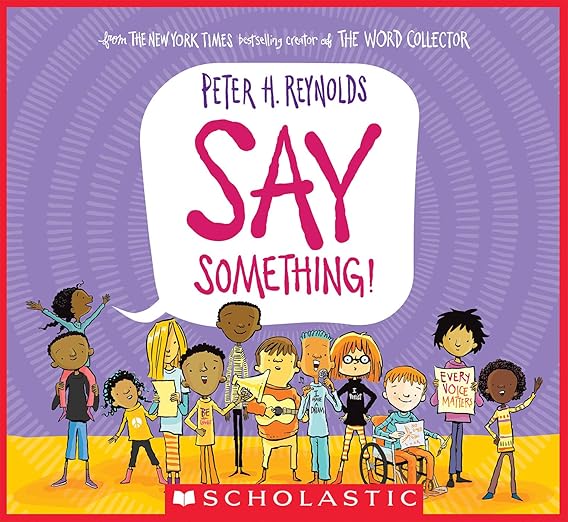 When you encourage your child to use their voice, they may picture a speech in front of strangers. This book opens the idea wider. Words matter, but so do the things children make and the choices they put into action.
Written and illustrated by Peter H. Reynolds, it offers an inviting place to begin with a child who has something to express but does not know what expression should look like.
What kids notice: There is more than one way to contribute. Your child can imagine a thoughtful action or a creative response belonging beside spoken words, rather than counting only a confident performance.
Story snapshot: Instead of following one central character through a single adventure, the book explores how children can share ideas, respond to injustice, and express what they believe through their voices, actions, and creativity.
Why this book helps: Ask your child to choose one thing they care about and a way to express it. They might draw, dictate a message, or practice a sentence with you. Keep the invitation open; having a voice should include choosing how to use it.
Speak Up by Miranda Paul
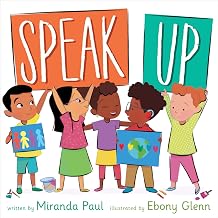 Children hear many instructions about being quiet. They also hear that they should speak up when something matters. Finding the difference can be confusing, especially when they worry that telling an adult will get someone in trouble.
Miranda Paul’s book, illustrated by Ebony Glenn, brings that question into a familiar school day. Its back matter offers another opening for talking about shyness and reporting something important.
What kids notice: Choices appear in everyday company. Speaking up does not have to wait for an extraordinary emergency; it can belong to the ordinary work of noticing other people and responding.
Story snapshot: A diverse group of schoolchildren moves through a day filled with opportunities to make a difference. The book celebrates speaking up and includes guidance that distinguishes tattling from reporting a concern that matters.
Why this book helps: Make room for the question beneath the question: “Will you be upset if I tell you?” Explain that you want to hear about hurt, fear, and unfair treatment. Practice approaching an adult together, with the understanding that your child can ask you to help find the words.
The Rooster Who Would Not Be Quiet! by Carmen Agra Deedy
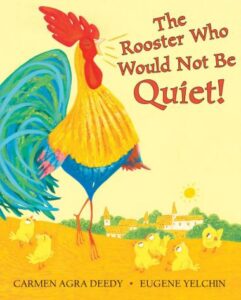 A village wants a little quiet. What it gets is a mayor who forbids singing altogether. That exaggerated turn makes an important question available to children: when does a reasonable wish become an unfair demand?
Carmen Agra Deedy’s allegory, illustrated by Eugene Yelchin, gives conviction a memorable animal voice. Read it with room for questions about authority, freedom, and rules that reach too far.
What kids notice: The rooster keeps singing while the village becomes afraid to make noise. Children can hear the contrast between one creature’s persistence and everyone else’s growing silence.
Story snapshot: The noisy village of La Paz elects Don Pepe as mayor. His pursuit of quiet leads to a ban on singing, but a rooster refuses to stop doing what roosters do, challenging the silencing of the village.
Why this book helps: Ask what a fair solution to the noise might have been. The conversation can distinguish consideration for others from giving up something essential. Because the story involves oppressive authority, remind your child that real worries about an adult’s behavior can be brought to another trusted adult.
The Araboolies of Liberty Street by Sam Swope
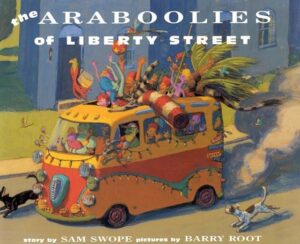 Sometimes a whole group follows an unfair expectation simply because it has been there so long. Nobody remembers agreeing to it. Nobody wants to be the first to object. Then someone different arrives, and the familiar arrangement starts to look strange.
Sam Swope’s story, illustrated by Barry Root, turns that pattern into an exuberant neighborhood tale. It offers a playful doorway into a serious conversation about conformity.
What kids notice: The newcomers bring joy into a street governed by rigid expectations. The difference between keeping people safe and making everyone behave identically becomes easier to consider.
Story snapshot: General and Mrs. Pinch enforce conformity on Liberty Street. The unusual, lively Araboolies disrupt that order. When the General calls in the army, the neighborhood children resist to protect their new friends’ freedom.
Why this book helps: Ask whether a rule protects someone or merely makes a person in charge comfortable. Let your child offer examples, and consider them together. Conviction needs reasons: learning to explain why something feels unfair is more useful than learning to oppose every limit.
The Recess Queen by Alexis O’Neill
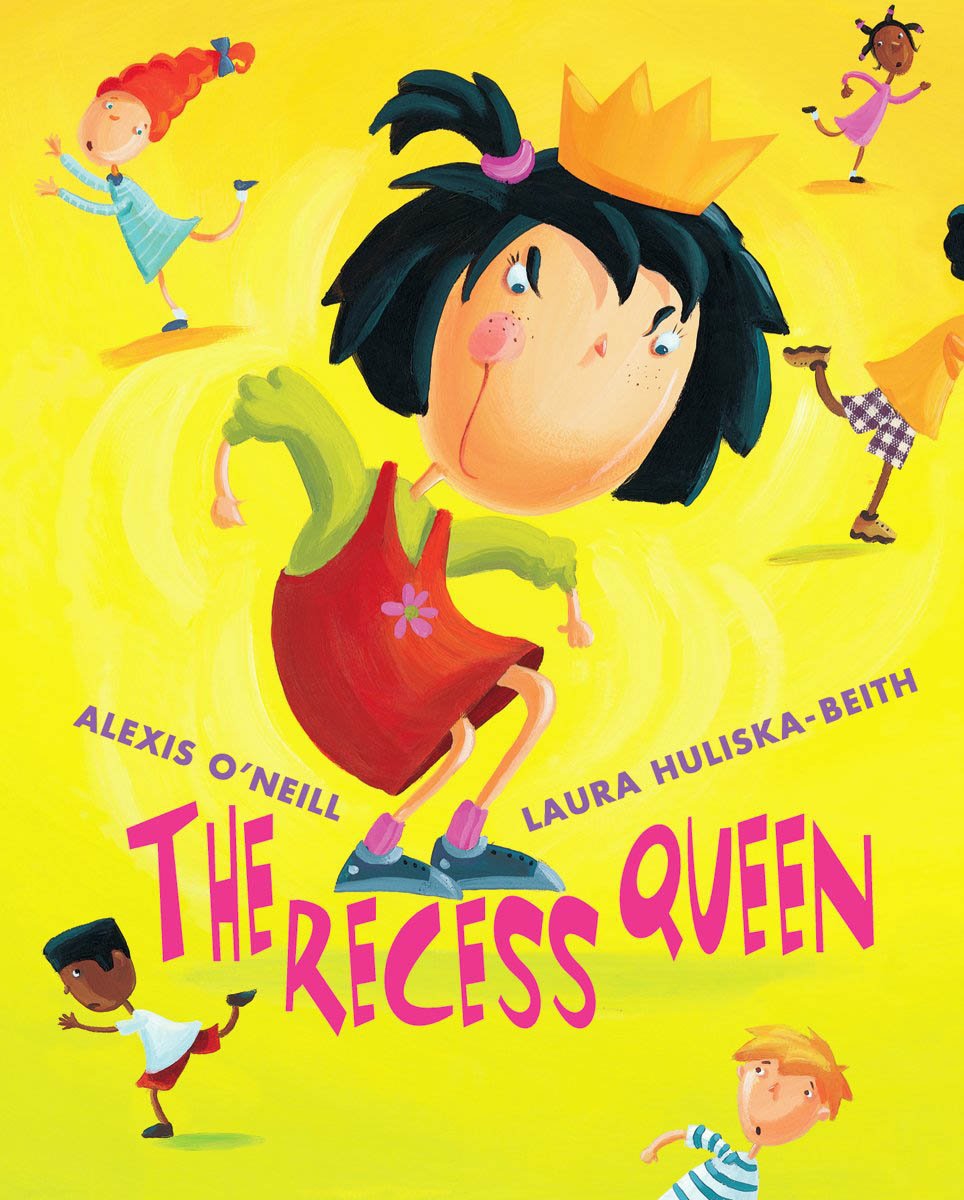 The playground can have rules no grown-up wrote down. One child chooses first. Everyone else waits. Your child may know that arrangement well, even if they have never found a name for it.
Alexis O’Neill’s energetic story, illustrated by Laura Huliska-Beith, introduces a newcomer who does not follow the established hierarchy. Its exaggerated humor gives you some breathing room around an uncomfortable subject.
What kids notice: Mean Jean’s power depends on everyone accepting her right to go first. Katie Sue approaches the playground differently, and that difference changes the pattern.
Story snapshot: Mean Jean dominates recess until new student Katie Sue arrives. Katie Sue plays without waiting for Jean’s permission and eventually invites her to join in, turning their confrontation toward friendship.
Why this book helps: Talk about the possibility of responding firmly without humiliating someone. Then give the fictional ending a real-world boundary: children do not have to befriend a bully or fix bullying themselves. You and the school’s adults can help when someone is repeatedly hurt, threatened, or excluded.
Not Quite Snow White by Ashley Franklin
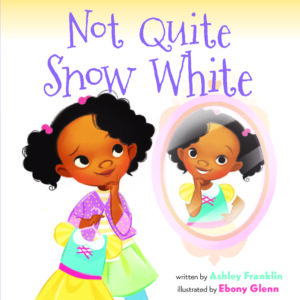 Your child may feel certain about something they love until other children start questioning whether they belong. Their joy becomes a negotiation. Suddenly they are looking at themselves through someone else’s unkind opinion.
Ashley Franklin’s story, illustrated by Ebony Glenn, follows a young performer at that difficult threshold. Here, conviction includes holding onto the possibility that other people’s judgments do not get to decide your place.
What kids notice: Tameika loves performing before the whispers begin. That earlier enthusiasm matters; it gives you a way to ask what she knows about herself before she hears what others think.
Story snapshot: Tameika enjoys acting, singing, and dancing. When her school announces a Snow White musical, she auditions for the princess role, but classmates’ unkind reactions challenge her confidence and sense of belonging onstage.
Why this book helps: Ask your child what they would want Tameika to remember. Then offer the same generosity to them. Avoid rushing past hurt with “Just ignore it.” You can acknowledge that exclusion hurts while helping your child hold onto an interest that deserves room to grow.
Brave by Stacy McAnulty
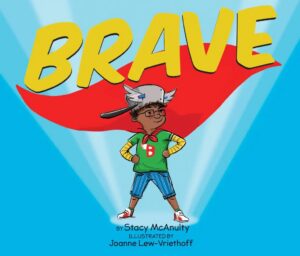 Some children think bravery belongs to people who feel no fear. Others picture spectacular rescues and decide their own efforts are too small to count. This book brings courage closer to the situations children actually encounter.
Stacy McAnulty’s text and Joanne Lew-Vriethoff’s illustrations connect heroic language with everyday experiences, including trying something uncertain and standing up for what is right.
What kids notice: Ordinary children can do brave things. The book makes space for courage in familiar challenges rather than reserving it for an imaginary person with extraordinary powers.
Story snapshot: This thematic picture book presents everyday forms of bravery, from facing uncertainty to speaking one’s mind and confronting unfairness. It explores courage through a collection of experiences rather than one continuous plot.
Why this book helps: Invite your child to name a moment that felt difficult to them, even if it looked small to someone else. Listen before deciding what counts. You might recognize asking a question, admitting discomfort, or telling you something worrying as an effort worth noticing.
Malala’s Magic Pencil by Malala Yousafzai
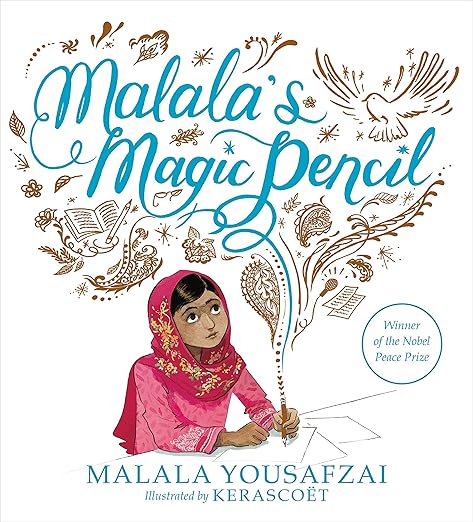 A wish can begin with something wonderfully ordinary: more happiness, less unpleasantness, a little extra sleep. As children notice more of the world, their wishes can become questions about what other people need.
Malala Yousafzai’s autobiographical picture book, illustrated by Kerascoët, follows that widening attention. It offers a real person’s perspective alongside the imagined situations in this collection.
What kids notice: The magic pencil represents the wish to change things easily. The story moves toward effort and hope, making space to consider what someone can do without magical help.
Story snapshot: Recalling her childhood in Pakistan, Malala describes wishing for a pencil that could improve the world. As her concerns deepen, she recognizes that she can work toward change without possessing the enchanted object she imagined.
Why this book helps: Ask what your child would change with a magic pencil, then find one small action you could take together. Read at their pace and welcome questions about injustice. They do not need to carry the world’s problems alone to care about someone beyond their own classroom.
Put Your Child in the Heart of the Story
After sharing these books, you might imagine a quieter adventure with your child at its center. Everyone in a forest club wants the same game, but one small creature cannot join. Your child’s character notices, hesitates, and suggests a way to make room.
A personalized Scrively story can make that imagined choice feel close to home. Seeing themselves inside a story about conviction gives your child something personal to wonder about: What would I notice? What could I say? Who could help me? The appeal is recognition and imagination, with you beside them.
Keep the character human. Let them feel nervous, listen to another perspective, and ask for support. A believable adventure can leave space for a child who finds their words slowly, or discovers that a thoughtful action says what they mean.
A Voice Can Be Small and Still Matter
You cannot script every difficult moment your child will meet. You can make home a place where questions receive attention and disagreement can remain respectful. When they challenge you, pause long enough to hear the reason. That is one place they learn whether speaking honestly is welcome.
And when they tell you they stayed quiet, begin with curiosity. What felt hard? What might help next time? Conviction can grow through another attempt, a practiced sentence, or the relief of discovering that someone will stand beside them. Your child’s voice does not have to arrive fully formed. It deserves a patient listener while it grows.