The Deep Breath: Books to Help Kids Master Patience During Awkward Playdates
You know the exact moment the energy shifts in the living room.
Three children are playing together beautifully on the rug. For a few minutes, everything is perfectly harmonious.
Then, two of the children suddenly form a tight, whispered alliance. Consequently, your child is suddenly standing on the outside looking in.
They feel the sudden, sharp sting of being the third wheel.
Frustration bubbles up rapidly in their chest. Tears begin to prick the corners of their eyes.
Navigating the specific, universal awkwardness of three-person playdates is incredibly difficult.
When one child feels left out, their immediate instinct is often to react loudly. They might grab a coveted toy out of spite.
They might yell at their friends. They might crumble into a complete, overwhelming meltdown on the floor.
However, these prickly social moments are actually powerful opportunities for emotional growth. You can teach them a better way to handle the sting.
You can introduce the profound virtue of patience.
Most importantly, you can teach them the absolute magic of the deep breath. Instead of reacting instantly to feeling excluded, they can learn to simply pause.
They can wait for the social dynamic to naturally shift again. Three-person playdates are notoriously fluid.
A dynamic that completely excludes them one minute will often happily invite them back the next. Therefore, learning to wait out the awkwardness is a vital, lifelong skill.
Books offer the perfect, safe training ground for this specific skill. Through beautiful, relatable stories, you can show your child what patience truly looks like in action.
You can give them a visual anchor for taking that deep, calming breath.
Ultimately, they will learn that waiting does not mean they are powerless or forgotten. It simply means they are gracefully giving the situation time to improve.
My Magic Breath by Nick Ortner and Alison Taylor
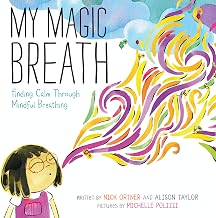
This beautiful book introduces the literal concept of breathing through difficult, overwhelming emotions.
It is incredibly interactive and highly engaging for young readers.
When a child feels left out during a playdate, their little body instantly goes into panic mode. However, this story teaches them exactly how to blow those prickly, anxious feelings away.
The book invites the reader to take a deep breath and physically blow onto the pages. Consequently, the child learns a tangible, physical coping mechanism right on the spot.
They can visualize this exact strategy the next time two friends unexpectedly run off without them. It makes the abstract concept of patience feel entirely possible.
What kids notice: Kids immediately notice the colorful, swirling illustrations of “breathing” and deeply enjoy participating in the interactive blowing prompts.
Story snapshot: The narrative gently guides children to think about a sad or frustrating moment, take a deep breath in, and blow the bad feelings right out of the book.
Why this book helps: When your child is the odd one out on a three-person playdate, their impulse control entirely vanishes.
This book helps by giving them a physical tool to immediately pause their reaction.
Furthermore, taking a deep breath physically forces their nervous system to calm down.
It gives them the necessary patience to wait out the awkward exclusion instead of throwing a massive tantrum. Ultimately, it teaches them that they have the incredible power to control their own emotional weather.
The Very Impatient Caterpillar by Ross Burach
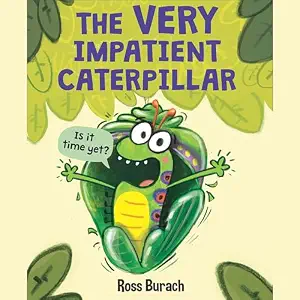
This incredibly funny book tackles the sheer agony of waiting.
It follows a highly anxious caterpillar who simply cannot handle the long process of metamorphosis.
During a tricky playdate, waiting for a turn or waiting to be included feels exactly like waiting to turn into a butterfly.
It feels completely impossible and endlessly frustrating.
The humor in this story is absolutely brilliant for defusing tension.
When you read this together, you can laugh at the caterpillar’s dramatic outbursts.
Therefore, you create a shared, joyful vocabulary for patience. The next time your child is feeling impatient with their friends, you can playfully remind them of the silly caterpillar.
What kids notice: Kids notice the hilarious, over-the-top facial expressions of the caterpillar and the constant, rapid-fire questioning.
Story snapshot: A hyperactive caterpillar goes into a chrysalis but quickly loses his mind with boredom, constantly asking if it is time to be a butterfly yet.
Why this book helps: Humor is one of the best ways to teach a frustrating virtue like patience. This book helps because it validates how excruciating waiting can actually feel.
Furthermore, it shows that the reward for waiting is always worth the struggle.
When your child feels excluded on a three-person playdate, they often feel an urgent need to force their way back in.
Consequently, this story gently reminds them that beautiful things take a little bit of time. It encourages them to take a breath and let the playdate naturally evolve.
Waiting by Kevin Henkes
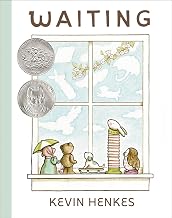
This wonderfully quiet book is a masterclass in peaceful contemplation.
It features five little toys sitting patiently on a windowsill, waiting for different things to happen outside.
The pacing of the book is intentionally slow and rhythmic. It perfectly mirrors the calm, steady breathing you want your child to practice.
In a loud, chaotic world, this story offers a rare moment of stillness.
It teaches children that waiting does not have to be a loud, angry experience. Instead, waiting can be a gentle, observational state.
For instance, when left out of a game, a child can simply sit back and watch for a moment.
What kids notice: Kids notice the soft, pastel colors and the distinctive, quiet anticipation of each unique little toy on the windowsill.
Story snapshot: Five small toys sit beautifully on a window ledge, each patiently waiting for a specific, lovely event like the moon, the rain, or the wind.
Why this book helps: This book drastically slows down the frantic pace of childhood emotions.
It helps by modeling how to exist peacefully in an unresolved moment. Most importantly, it shows that waiting is just a normal part of life.
During a three-person playdate, a child might feel entirely panicked if they are not the center of attention.
Therefore, this book teaches them the incredible power of the pause. It shows them how to take a breath, sit quietly, and trust that their turn to play will eventually come.
Patience, Miyuki by Roxane Marie Galliez
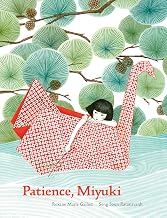
This visually stunning book explores the intersection of mindfulness and patience.
Miyuki is an energetic little girl who wants everything to happen immediately.
She desperately wants a specific flower to bloom right this very second. However, her wise grandfather gently teaches her the delicate art of waiting.
The illustrations are breathtakingly detailed, encouraging you to linger on every single page.
The story draws a beautiful parallel between nature’s timing and our own internal pacing. It perfectly illustrates that forcing a situation never makes it bloom any faster.
What kids notice: Kids notice the rich, vibrant Japanese-inspired artwork and Miyuki’s highly relatable, frantic energy.
Story snapshot: An eager young girl tries wildly to force a sleepy flower to open, while her grandfather peacefully shows her that true beauty requires time and deep breaths.
Why this book helps: Social dynamics simply cannot be rushed or forced. This book helps by illustrating that you cannot command someone to play with you.
Furthermore, it validates the intense desire for instant gratification while offering a calmer alternative.
When a three-person playdate turns sour, the child on the outside often wants to force a resolution immediately.
Consequently, Miyuki’s story teaches them to step back. It encourages them to take a deep, grounding breath and allow the friendship to organically repair itself.
Breathe and Be by Kate Coombs
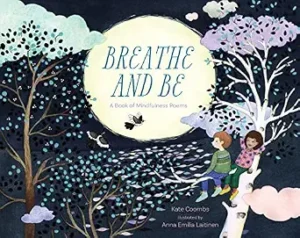
This is a beautiful collection of mindfulness poems written specifically for young children.
It uses gentle nature imagery to help kids visualize their own breathing.
The language is incredibly soothing and highly intentional. It is the perfect book to read when your child needs to hit the reset button.
It directly connects the physical act of breathing with emotional regulation. It teaches kids to imagine themselves as a quiet tree or a smooth river.
Therefore, it provides them with a mental escape when the real world feels a bit too prickly.
What kids notice: Kids notice the calming, soft watercolor paintings and the gentle, rhythmic flow of the short poems.
Story snapshot: A lovely series of mindful poems teaches children how to focus on their breath, visualize peaceful nature scenes, and find a deep sense of inner calm.
Why this book helps: The overwhelming feelings of rejection on a playdate can cause a child’s mind to race. This book helps by offering a literal script for calming down.
Most importantly, it teaches children that they can find a quiet place inside themselves no matter what is happening around them.
When two friends are ignoring them, they do not have to spiral into despair. Ultimately, they can use these poems to take a deep breath, center their emotions, and wait patiently for the social weather to clear.
A Little Spot of Patience by Diane Alber
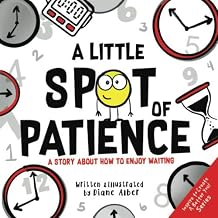
This direct, highly practical book is part of a wonderful series focused entirely on emotional intelligence.
It personifies patience as a friendly, colorful little spot.
The spot teaches kids explicit, easy-to-remember strategies for waiting. It is incredibly clear and actionable.
Children appreciate when concepts are broken down into simple, manageable steps. This book does not rely on metaphors.
Instead, it offers real-world advice that a child can immediately apply to their daily life. It makes patience feel like a fun game rather than a miserable chore.
What kids notice: Kids notice the cute, expressive little “spot” character and the highly relatable scenarios of waiting in line or waiting to play.
Story snapshot: A friendly orange spot teaches a frustrated child several practical tricks for growing their patience, like coloring, taking deep breaths, and counting.
Why this book helps: Sometimes children need clear, literal instructions on exactly how to behave.
This book helps by breaking down the vague concept of “patience” into tangible actions.
Furthermore, it specifically mentions taking deep breaths as a primary waiting strategy.
During a stressful three-person playdate, a child can easily recall the friendly orange spot. Consequently, they can implement the spot’s practical tricks instead of lashing out at their peers. It empowers them with real, usable coping skills.
I’ll Wait, Mr. Panda by Steve Antony
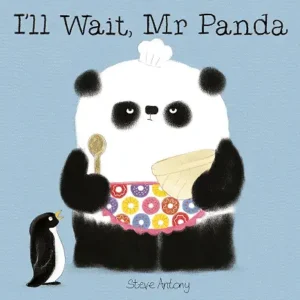
This minimalist, highly effective book is a masterclass in the rewards of good behavior.
Mr. Panda is making a mysterious, exciting surprise.
All the other animals are incredibly impatient and refuse to wait.
However, one small penguin decides to be perfectly steadfast and wait it out.
The contrast between the frantic animals and the calm penguin is striking. It clearly demonstrates that bad behavior does not get you what you want.
It is a fantastic, straightforward lesson wrapped in a very funny, simple package.
What kids notice: Kids notice the stark, contrasting colors, the grumpy demeanor of the animals, and the gigantic, delicious surprise at the very end.
Story snapshot: Several impatient animals stomp off because they hate waiting, but one polite penguin takes a deep breath, waits patiently, and receives a massive donut.
Why this book helps: The social dynamics of young children often reward the loudest, most demanding child.
This book helps by flipping that script entirely. It proves that quiet patience is actually the winning strategy.
When a child feels left out on a playdate, their impulse is to be loud and demanding.
Furthermore, this story visually reinforces that staying calm and taking a breath yields much better results. Ultimately, it teaches them that patient grace is far more attractive to friends than a frustrated tantrum.
The Rabbit Listened by Cori Doerrfeld

This incredible story is primarily about empathy, but it perfectly models the virtue of patience.
When a young child’s block tower falls down, various animals rush in to fix it.
Every single animal tries to force the child to react a certain way. Finally, the rabbit simply sits quietly and waits for the child to be ready.
The rabbit is the ultimate symbol of the deep breath. The rabbit does not rush. The rabbit does not force the issue. It simply holds space for the child’s big, messy feelings. This is a profound lesson for both parents and children alike.
What kids notice: Kids notice the chaotic, pushy nature of all the loud animals compared to the soft, quiet, comforting presence of the rabbit.
Story snapshot: A child is devastated when their toy tower crashes, and after many animals fail to cheer them up, a rabbit patiently sits in silence until the child is ready to rebuild.
Why this book helps: When a child is excluded, they often experience a massive rush of grief and anger.
This book helps by showing that it is perfectly okay to feel sad for a moment.
Most importantly, it models how to be patient with your own difficult feelings. Instead of rushing to fix the awkward playdate, your child can channel the quiet rabbit.
Therefore, they can take a deep breath, sit with their temporary sadness, and patiently wait until they feel ready to re-enter the game.
Put Your Child in the Heart of the Story
Books are truly incredible teachers for growing minds.
However, reading a beautiful book with your own name in it is pure magic. Therefore, Scrively helps you create 100% custom children’s books easily and affordably.
You can build a vibrant story where your child is the brave, patient protagonist.
For instance, they can practice taking a deep breath and waiting out an awkward playdate right on the page. Ultimately, this places them at the very heart of their own emotional growth.
Navigating the tricky dynamics of three-person playdates is rarely smooth.
In fact, group playdates will almost always cause some tears or frustration. However, every awkward, exclusionary moment is a chance to learn a new skill.
By reading these powerful stories, you give your child the right words. Most importantly, you teach them that true friendship means having the patience to wait out the storm. Finally, they will learn to take a deep breath, find their inner peace, and navigate any social circle with profound grace.