The Bridge Builder: Books to Help Kids Reconcile on Awkward Playdates
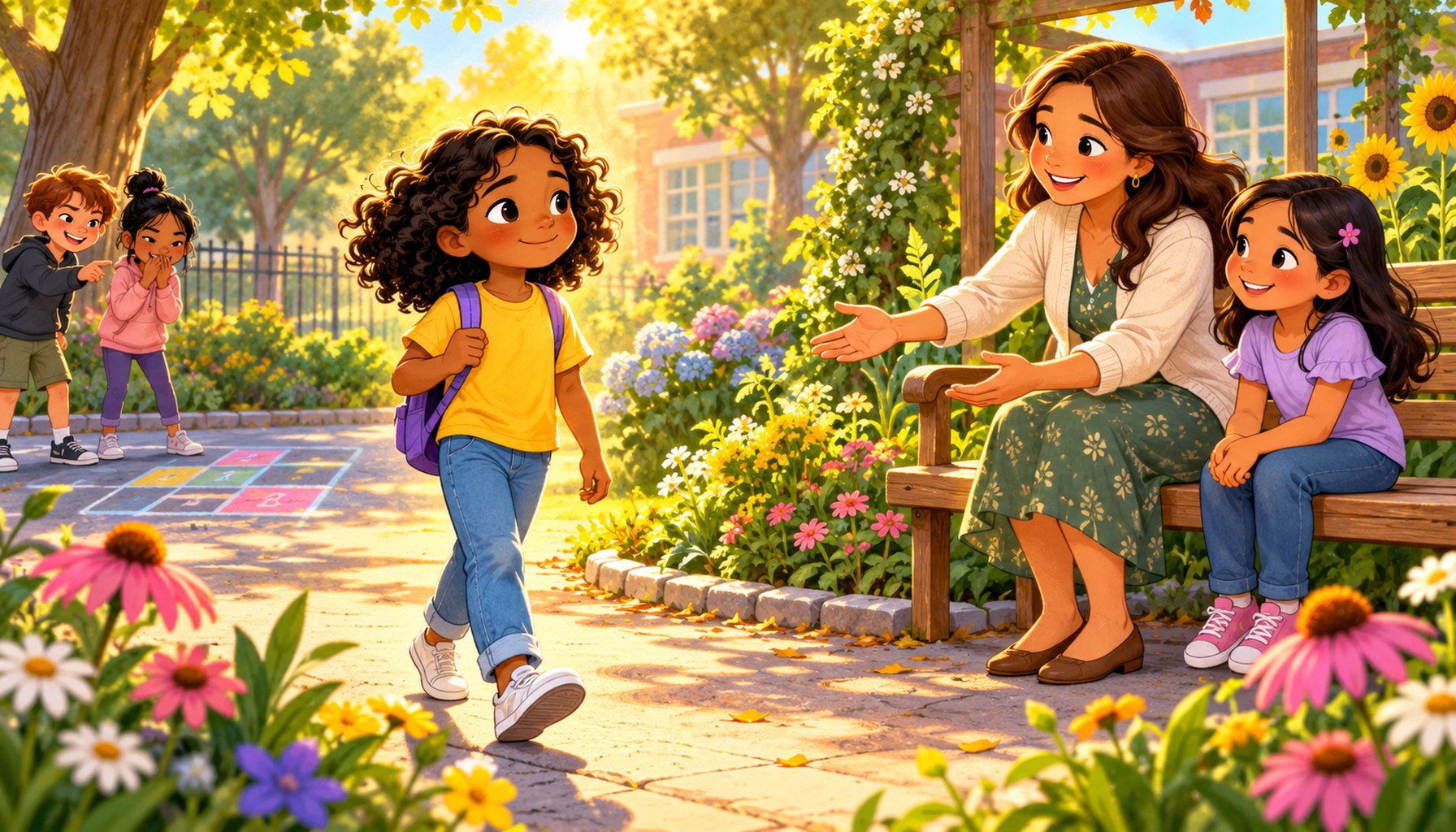
You know the exact moment. You are sitting quietly on a park bench. First, you watch three children play together. It usually looks like a beautiful, happy game.
Suddenly, the playdate dynamic shifts. Two children decide to run off together. As a result, the third child stands completely alone.
You can clearly see their sadness. For instance, their small shoulders slump down instantly. Therefore, your heart breaks just a little bit for them.
Parents usually want to rush in and fix the problem. However, a three-person playdate is actually a perfect chance to learn. Ultimately, it teaches the beautiful virtue of being a “bridge builder.”
Reconciliation requires a lot of emotional maturity. Specifically, it asks busy children to pause and look around. Then, they must build an emotional bridge back to the friend they left behind.
Books offer a very safe place to learn these skills. For example, stories show kids how to fix a broken dynamic. Here are the best books to help your child become a true bridge builder.
Big Friends by Linda Sarah
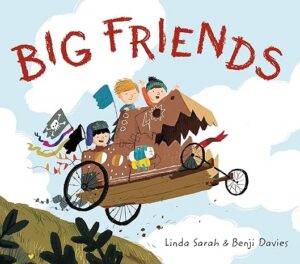
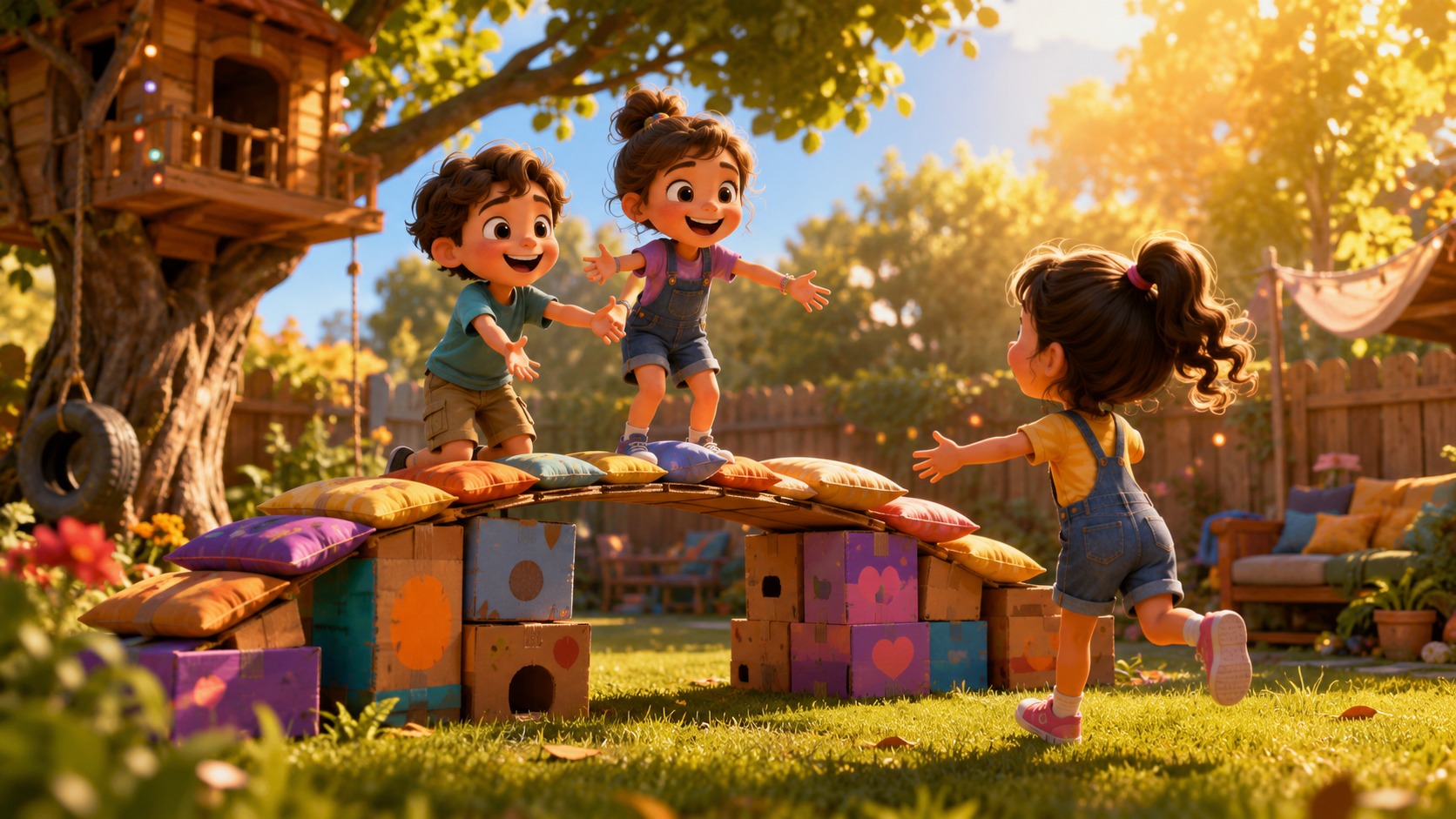
This book perfectly shows the classic three-friend problem. First, Birt and Etho are best friends who play in cardboard boxes. Then, a boy named Shu arrives with his own box.
Etho is very happy, but Birt feels totally left out. Consequently, Birt smashes his box and runs away. However, the final bridge-building moment is incredibly moving.
What kids notice: Children easily spot Birt’s physical retreat. Furthermore, they completely understand why he destroys his box out of pure frustration.
Story snapshot: Birt and Etho are best friends until Shu joins their game. As a result, Birt feels left out and stops playing entirely. Finally, Etho and Shu build a literal, giant box bridge to invite him back.
Why this book helps: This story perfectly explains the virtue of reconciliation. Specifically, it honors the valid feelings of the left-out child. Most importantly, it shows the other friends doing the hard work to build a bridge back to him.
Chester’s Way by Kevin Henkes
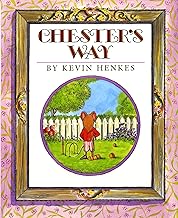
Kevin Henkes is truly amazing at writing about childhood friendships. For instance, Chester and Wilson are best friends who do everything exactly the same way. Therefore, their dynamic feels completely unbreakable.
Suddenly, a loud girl named Lilly arrives. Initially, the boys reject her completely. However, Lilly soon does something very brave to bridge the gap between them.
What kids notice: Kids love the highly specific routines of the two boys. Furthermore, they are totally fascinated by Lilly’s wild attempts to build a bridge into their group.
Story snapshot: Chester and Wilson are totally inseparable until Lilly moves in. First, they shut her out of their games. However, she eventually saves them from bullies, which forces them to build a bridge and welcome her.
Why this book helps: This book perfectly addresses the fear of change. Indeed, it normalizes the initial resistance to a third child. Most importantly, it teaches kids that building a bridge to a new friend simply makes their world bigger and better.
Two by Kathryn Otoshi

This author uses simple numbers to tell very deep stories. First, One and Two are the absolute best of friends. Then, a vibrant number Three jumps into the mix.
Suddenly, One is completely enchanted by Three. Consequently, Two is left sitting alone. The visual gap between the friends is incredibly powerful for young readers to see.
What kids notice: Children instantly notice the changing colors. Specifically, they watch Two shrink and lose brightness when the connection is broken.
Story snapshot: Number Three intrudes on a perfect friendship between One and Two. As a result, One gets distracted and leaves Two behind. Finally, Two speaks up, which serves as a bridge to a beautiful reunion.
Why this book helps: This is a very literal look at playdate exclusion. First, it helps the left-out child feel seen and understood. Furthermore, it teaches kids that they must speak up about their feelings to start building a bridge.
Enemy Pie by Derek Munson
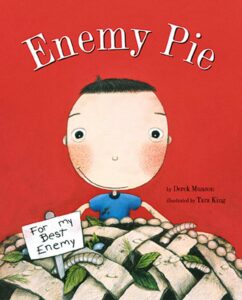
This book perfectly mirrors a playdate threatened by a newcomer. For example, a young boy gets very upset when Jeremy Ross moves in. Jeremy quickly steals his best friend.
Therefore, the boy declares Jeremy his worst enemy. However, his wise dad offers to make a special pie. The only catch is that the boy must build a bridge and play with Jeremy all day.
What kids notice: Kids are totally obsessed with the secret pie recipe. Furthermore, they love waiting to see what the gross pie will actually do.
Story snapshot: A boy feels completely replaced by a new kid in town. Therefore, he plans to use a secret pie to get revenge. However, spending the day with his enemy actually builds a real bridge of friendship.
Why this book helps: This story brilliantly tackles jealousy and quick judgments. Frequently, a left-out child will villainize the third kid. Ultimately, this book shows that spending time together is the best way to build a bridge.
Strictly No Elephants by Lisa Mantchev
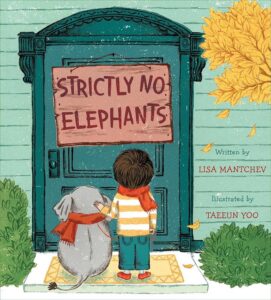
This is a wonderful guide for dealing with strict exclusion. For instance, a little boy and his tiny elephant try to join a local pet club. Sadly, a harsh sign on the door turns them away.
The boy feels completely devastated. Instead of fighting, he finds another child with a pet skunk. Together, they decide to build a bridge to a much better, kinder club.
What kids notice: Children feel very sad for the tiny elephant. Then, they feel incredible joy when all the weird pets finally find a place to belong.
Story snapshot: A boy and his elephant are harshly turned away from a pet club. Consequently, they find other rejected kids. Finally, they build a brand new club where everyone is truly welcome.
Why this book helps: Sometimes, a playdate dynamic simply will not shift. Therefore, this book teaches kids amazing resilience. Most importantly, it empowers the left-out child to build a new bridge and create their own inclusive game.
Stick and Stone by Beth Ferry
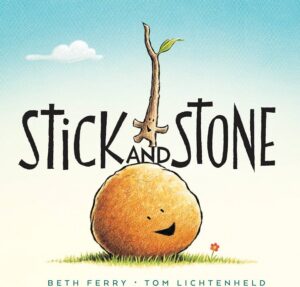
This fast-paced story is about standing up for left-out friends. First, Stick and Stone form a very quiet, happy friendship. Then, a mean Pinecone enters the scene.
Pinecone immediately targets Stone and mocks him. However, Stick does not just stand by and watch. Instead, Stick bravely steps in to defend his friend.
What kids notice: Children really love the snappy rhymes and simple characters. Furthermore, they always cheer loudly when Stick steps in to help.
Story snapshot: Stick and Stone become fast friends until Pinecone bullies Stone. First, Stick bravely defends his buddy. Later, they must decide if they will build a bridge and rescue the mean Pinecone from a puddle.
Why this book helps: Sometimes, playdate exclusion turns into intentional meanness. Therefore, this book teaches kids to be brave upstanders. Finally, it shows the highest form of bridge-building when they rescue the bully.
Peanut Butter & Cupcake by Terry Border
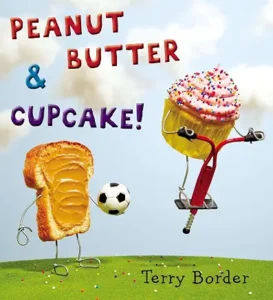
This book uses incredible humor to heal the pain of rejection. For example, Peanut Butter walks around simply trying to find a friend. However, Hamburger is already busy playing with Hot Dogs.
Every time he tries to join a duo, the bridge is politely burned. It perfectly captures the tiring feeling of being the third wheel. Yet, the ending is incredibly satisfying.
What kids notice: The real food photography is incredibly funny. Specifically, kids laugh out loud at the walking food and their totally ridiculous excuses.
Story snapshot: Peanut Butter is the new food in town. Sadly, he is repeatedly rejected by established duos like Soup and Crackers. Finally, he builds a perfect bridge with Jelly.
Why this book helps: Sometimes, laughter is the very best medicine for a bad playdate. Therefore, this book takes the heavy sting out of rejection. Ultimately, it teaches kids to just keep walking until they find someone who wants to build a bridge with them.
Put Your Child in the Heart of the Story
Books are truly incredible teachers. However, reading a book with your own name in it is pure magic. Therefore, Scrively helps you create custom children’s books easily.
You can build a story where your child is the brave protagonist. For instance, they can practice building bridges and fixing awkward playdates right on the page. Ultimately, this places them at the very heart of their own emotional growth.
Navigating early childhood friendships is rarely smooth. In fact, three-person playdates will always cause some tears. However, every awkward moment is a chance to learn.
By reading these stories, you give your child the right words. Most importantly, you teach them that true friendship means having the courage to reconcile. Finally, they will learn to be beautiful bridge builders.