When Your Child Waits for You to Fix It: Books to Spark Initiative
You know the exact moment right before it happens.
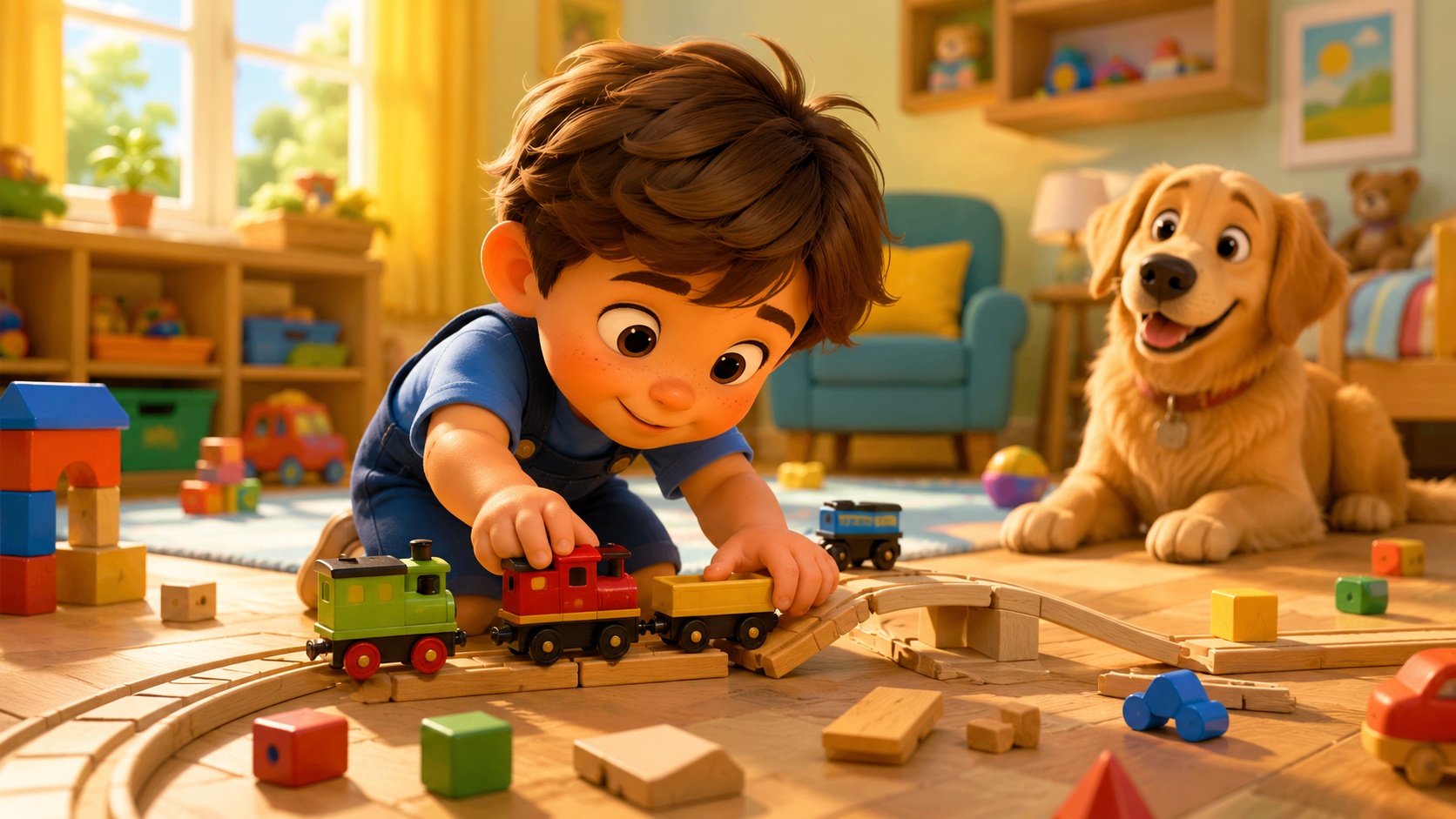
A puzzle piece refuses to snap into place, or a brightly colored toy train derails from its wooden tracks.
Consequently, your child freezes in their tracks and looks directly up at you.
Furthermore, they are simply waiting for you to step in, smooth things over, and magically fix the problem.
Honestly, it is incredibly natural for young kids to look to their parents for quick answers.
However, true confidence blooms when children realize they have the power to change their own circumstances.
Most importantly, taking that very first step toward a solution is a critical building block for their emotional growth.
Therefore, we have curated a list of stories focused on inspiring kids to stop waiting for someone else to fix a problem and be the one to take action.
What Do You Do With a Problem? by Kobi Yamada
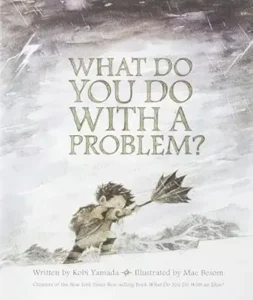
This beautifully illustrated tale perfectly captures the universal feeling of wanting to hide from challenges.
Consequently, it offers a incredibly gentle nudge to face our fears instead of running away.
What kids notice: Children immediately spot the dark, stormy cloud that stubbornly follows the boy everywhere he goes.
Story snapshot: A young boy discovers a persistent problem and tries desperately to ignore it, hide from it, and run away.
Why this book helps: Above all, this story brilliantly transforms the abstract concept of worry into a physical entity.
Furthermore, it shows children that avoiding a problem only makes it grow larger and more intimidating over time.
For instance, when the boy finally faces his problem, he discovers it actually holds a hidden opportunity.
Therefore, it teaches your child that taking the initiative to step up is the only way to find the bright side.
The Most Magnificent Thing by Ashley Spires

This engaging story highlights the messy, frustrating reality of trying to bring an idea to life.
Similarly, it validates the very real anger kids feel when their plans do not work out perfectly.
What kids notice: Kids love the funny, expressive dog who serves as the little girl’s loyal assistant.
Story snapshot: A regular girl decides to make the most magnificent thing, but she fails repeatedly and eventually quits in total frustration.
Why this book helps: Most importantly, this book normalizes the urge to give up when a task becomes difficult.
Consequently, it models how to take a short break to reset your emotions before trying again.
Furthermore, it proves that taking the initiative does not mean you will succeed perfectly on your very first try.
Ultimately, it encourages children to keep taking action until their vision finally becomes a reality.
Jabari Jumps by Gaia Cornwall
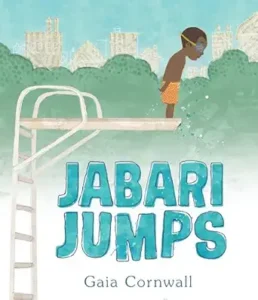
This heartwarming book perfectly captures the delicate balance between genuine fear and deep desire.
Furthermore, it beautifully illustrates a supportive parent who allows their child to take the lead.
What kids notice: Young readers always point out how high and scary the diving board looks from the ground.
Story snapshot: Jabari has finished his swimming lessons and is finally ready to jump off the diving board, but he suddenly finds himself needing a few moments to prepare.
Why this book helps: First, it acknowledges that taking the very first step can be incredibly frightening.
However, it shows that finding your courage is a deeply personal choice that cannot be forced by anyone else.
Consequently, the story gives children permission to take a deep breath and move at their own unique pace.
Therefore, it teaches them that true initiative often involves overcoming your own internal hesitation first.
Rosie Revere, Engineer by Andrea Beaty

This rhythmic, clever book celebrates the joy of inventing and the absolute necessity of making mistakes.
Moreover, it frames failures as essential stepping stones on the path to eventual success.
What kids notice: Children are captivated by the incredibly detailed, whimsical inventions scattered throughout Rosie’s room.
Story snapshot: Quiet Rosie secretly builds brilliant gadgets, but she hides them away after someone laughs at her cheese hat invention.
Why this book helps: Most importantly, Rosie’s journey teaches kids that letting fear stop you is the only true failure.
Furthermore, it encourages children to take the initiative to share their unique ideas with the world.
Consequently, it removes the heavy burden of perfectionism that often paralyzes kids from starting a project.
Above all, it inspires young minds to boldly pursue their passions without waiting for outside approval.
The Little Red Fort by Brenda Woods
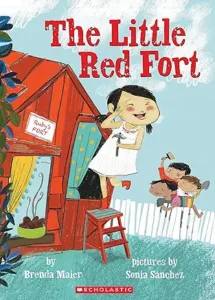
This vibrant, modern twist on the classic Little Red Hen story is packed with determination.
Consequently, it brilliantly showcases the immense value of hard work and self-reliance.
What kids notice: Kids instantly recognize the familiar sibling dynamic where brothers refuse to help until the fun part begins.
Story snapshot: Ruby wants to build a fort, but her brothers laugh at her and refuse to lift a finger to help.
Why this book helps: Above all, Ruby is the ultimate champion of inspiring kids to stop waiting for someone else to fix a problem and be the one to take action.
Furthermore, she refuses to let her brothers’ laziness stop her from achieving her grand goal.
For instance, she simply learns how to draw plans, gather wood, and build the fort all by herself.
Therefore, it sends a powerful message that you do not need permission or a big team to start something amazing.
Going Places by Peter and Paul Reynolds

This wonderfully creative story highlights the profound difference between simply following directions and thinking outside the box.
Similarly, it champions the kind of initiative that challenges the standard way of doing things.
What kids notice: Children love watching the main characters completely ignore the standard instructions to build something totally unexpected.
Story snapshot: Every student in class gets an identical kit to build a go-kart, but Rafael and Maya decide to build a flying machine instead.
Why this book helps: First, it teaches children that true initiative sometimes means questioning the established rules.
Furthermore, it shows the incredible magic that happens when you trust your own unique vision.
Consequently, it empowers kids to stop looking for step-by-step adult guidance and start trusting their own creativity.
Ultimately, it proves that taking a bold, unconventional first step can lead to soaring results.
Stuck by Oliver Jeffers
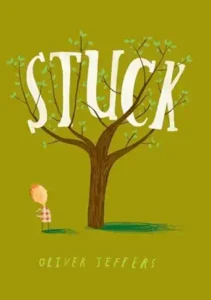
This absolutely hilarious book uses deep absurdity to illustrate a very relatable childhood problem-solving method.
Moreover, it brings a sense of much-needed lightness and humor to the concept of making mistakes.
What kids notice: Kids laugh uncontrollably as the boy throws increasingly ridiculous objects into the tree.
Story snapshot: Floyd gets his kite stuck in a tree, and he tries to knock it down by throwing his shoe, a ladder, a whale, and even a house at it.
Why this book helps: Most importantly, this story shows a child taking massive, albeit hilarious, action to solve a problem.
Furthermore, while Floyd’s specific methods are silly, his relentless determination is incredibly admirable.
Consequently, it opens up a great conversation about taking the first step and then adjusting your strategy if it fails.
Therefore, it helps kids understand that taking action is good, but thoughtful action is even better.
The Boy Who Harnessed the Wind (Picture Book Edition) by William Kamkwamba
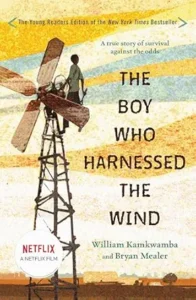
This deeply inspiring true story showcases the ultimate power of curiosity, education, and relentless action.
Consequently, it grounds the concept of initiative in a real-world scenario with incredibly high stakes.
What kids notice: Young readers are fascinated by the way William builds a massive machine out of literal garbage.
Story snapshot: When a terrible drought hits his village, young William uses library books to figure out how to build a windmill from scrap metal.
Why this book helps: Above all, William’s story is the perfect example of not waiting for someone else to save the day.
Furthermore, it shows children that knowledge combined with action can literally change the world.
For instance, even when his neighbors laughed at him, he took the initiative to keep building his dream.
Ultimately, it proves that taking the first step, no matter how small or strange it seems, can bring light to the darkest places.
Put Your Child in the Heart of the Story
Sometimes, the very best way to teach a child to take the first step is to let them practice in a safe, imaginative space.
Consequently, Scrively allows parents to create 100% custom kid’s books to help their child navigate specific emotional challenges.
Furthermore, you can easily design a story where your own child is the brave hero who stops waiting and starts doing.
Most importantly, seeing themselves overcome a challenge on the page gives them the very real courage to do it in real life.
Conclusion
Helping your child find the courage to take the first step is a slow, beautiful journey.
Furthermore, it requires us, as parents, to bravely step back so that they can finally step forward.
Consequently, these wonderful stories give them the vocabulary and the vision to start trying on their own.
Most importantly, remember to celebrate their brave attempts, even when the results are messy.