
The Empty Chair: Gentle Books to Help Children Navigate Grief and Loss
The house feels suddenly quiet. You notice the change right away. For example, your child pauses by the back door.
They look for a happy, wagging tail.
But that tail is not coming today. Or perhaps they stare at the phone. They wait for a Sunday call from a grandparent. Sadly, that call will not ring.
Grief is a heavy coat.
Indeed, it looks far too large on a small child. As parents, our deepest instinct is to protect them. We want to absorb the shockwaves.
We want them to only feel gentle ripples. But the truth is much harder. Loss is simply part of life.
Therefore, we must find gentle ways to talk about loss, whether it’s a pet, a grandparent, or a friend moving away.
To a child, a best friend moving feels like the end of the world. Because their world is small, every person matters deeply. When someone leaves, the entire structure shakes. They lose their comfort and their daily routine.
Finding the right words is incredibly tough. It is especially hard when your own throat feels tight.
How do you explain the finality of death? How do you explain a long distance move? Often, the words feel very clumsy. They feel too big for a young child to grasp.
You need a simple translator. You need a safe bridge between adult grief and your little one’s tender heart.
That is exactly where children’s literature steps in to help. Books give us a shared vocabulary when our own words fail. In addition, they offer a safe space to explore sprawling feelings.
Below, you will find a roadmap of comforting stories. They will sit beside your child and guide them.
Stories for the Hardest Goodbyes
Ida, Always by Caron Levis

Sometimes, the hardest part of loss is waiting. It is the long stretch of time when we know a goodbye is coming.
Set in a city zoo, this tender book addresses that exact feeling. It explores the sadness that comes before a loss. This often happens with a long illness.
It also happens during the slow decline of an aging pet.
The story does not hide from the hard truth that bodies fail. However, it wraps that truth in a warm blanket. It focuses heavily on deep friendship. Most importantly, it focuses on shared memories.
What kids notice: Young readers often spot the changing seasons in the background.
Because of this, they connect passing time with the shifting feelings of the bears. In addition, they notice the quiet spaces and how the bears lean on each other.
Story snapshot: Gus and Ida are polar bears. They are best friends living in a zoo. Soon, Ida becomes very sick. The two bears navigate a storm of big feelings. They feel anger, sadness, and quiet joy. After Ida passes, Gus learns to find her memory in the wind.
Why this book helps: A vital part of processing grief is knowing a hard truth. Sadness and joy can easily share the same room.
This book normalizes the messy path of knowing a loss is coming. It helps children understand it is okay to cry. But it is also okay to play. It builds the emotional words needed for a long goodbye.
The Memory Box by Joanna Rowland
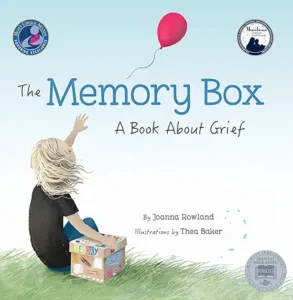
Grief often brings a scary companion.
That companion is the fear of forgetting. When someone stops making new memories with us, children worry. They worry the old memories will fade away. This book changes that worry into purposeful action.
It turns missing someone into an active project. It gives a child a clear way to hold onto echoes of the past. It offers back a tiny piece of control.
What kids notice: Kids are drawn to the physical box itself. First, they notice the small items the character collects.
They see the feather and the ticket stub. Then, they immediately begin thinking about small treasures of their own.
Story snapshot: A young child is grieving a very sad loss. So, they decide to create a memory box.
The box will hold wonderful times they shared. As the child gathers items, they feel different emotions. Finally, they find deep comfort in remembering.
Why this book helps: This story provides a practical tool for a heavy burden. We need gentle ways to talk about loss. Creating a memory box pulls pain to the outside. It teaches kids they can safely curate their own happy memories.
The Invisible String by Patrice Karst
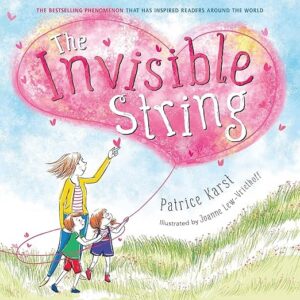
There is real comfort in physical connection. We need to know love ties us together. This is true even when we are miles apart.
This book does not focus on dying or leaving. Instead, it illuminates how human connection lasts forever. It shows love as something you can actually feel.
Love is something that stretches and bends.
But it never breaks. For a child who feels lost, this story hands them a lifeline. It provides a helpful visual idea. They can carry this idea with them everywhere. They can wrap it around their fingers when they feel sad.
What kids notice: Children love the pictures of the string traveling across oceans. They see it reach into deep space. They notice the string connects people in joyful moments. They see it works in scary moments too. This reassures them the bond is always there.
Story snapshot: A mother explains to her frightened twins that an invisible string connects them. The string is made completely of love. First, the children test the limits of this string. They wonder if it reaches into the ocean. Finally, they learn that love connects them to everyone everywhere.
Why this book helps: This story provides a clear framework for a hard idea. It helps kids process grief by showing a clear truth. Physical absence does not mean emotional abandonment. The string soothes separation anxiety. In fact, it reminds your child that love lives in their heart forever.
The Rabbit Listened by Cori Doerrfeld

When a child’s world breaks, adults want to fix it. We want to quickly explain it. We try to distract them. But true grief cannot be fixed with a fast trip for ice cream. This simple book changes how we support a hurting child.
It removes the heavy pressure to say the perfect thing. Instead, it shows the quiet power of just being there. It validates letting the child take the lead.
What kids notice: Children recognize the extreme frustration Taylor feels. They see it when the block tower falls.
They notice how annoying the loud animals are. Then, they visibly relax when the quiet rabbit finally appears.
Story snapshot: Taylor builds an amazing tower of blocks. Sadly, a flock of birds destroys it. Next, various animals try to force different coping tricks on Taylor.
But nothing works. Finally, the rabbit arrives. The rabbit simply sits quietly and listens.
Why this book helps: Processing grief is never a straight line. This story teaches the amazing virtue of holding space. It validates a child’s right to feel completely devastated. It does this without telling them to just get over it. It shows them true comfort often looks like silent support.
Evelyn Del Rey Is Moving Away by Meg Medina
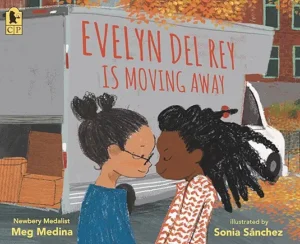
Not all deep grief comes from death. The absolute heartbreak of childhood often arrives in a moving van. When a best friend moves away, daily life changes entirely.
This bright story captures the sweet and sad feeling of a final day.
It deeply honors the unique language of childhood friendship. It completely validates the heavy mourning that happens when friends separate.
What kids notice: Children focus on the shared secrets of the two girls. They notice the empty boxes. They see the shifting shadows.
Mostly, they see the intense way the friends play together on their last day.
Story snapshot: Daniela and Evelyn are best friends. They are also next-door neighbors.
But today, Evelyn’s apartment is full of boxes. The girls spend their final day playing in empty rooms. They make promises as they look at the moving truck.
Why this book helps: This narrative targets the common trauma of a friend moving away. It serves as a gentle way to talk about a loss that alters a child’s social life.
It completely validates the sadness of change. Lastly, it teaches children that true friendship travels across any distance.
The Rough Patch by Brian Lies
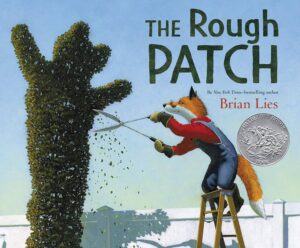
Grief is not always quiet tears. Sometimes, grief is incredibly loud. It is furious. It is an ugly, desperate anger that wants to break things.
This visually stunning book gives children permission to feel mad.
It explores the very dark edges of sorrow. It validates the urge to shut out the light. Then, it beautifully shows how hope slowly grows back.
What kids notice: Readers stare at the dramatic shift in the artwork. They notice how Evan’s bright garden turns dark.
It becomes overgrown with scary weeds. They truly feel the visual display of his intense anger.
Story snapshot: Evan and his dog are inseparable. Together, they tend to a magnificent garden.
Sadly, Evan’s dog unexpectedly passes away. Evan is destroyed. Because of his anger, he destroys his garden. Over time, a single pumpkin vine sneaks in. It pulls Evan back toward the light.
Why this book helps: This book removes the shame from the anger phase of processing grief.
Children often feel intensely guilty for feeling mad. They feel bad being angry that a pet died. This story provides immense validation. It proves that destructive feelings are a normal part of healing.
Ocean Meets Sky by The Fan Brothers

Sometimes, talking about loss requires us to step into pure imagination. When a child loses a grandparent, they often lose a storyteller. This amazingly illustrated adventure approaches grief through dreams.
It suggests that the people we love never truly leave us. Instead, they weave themselves into our imaginations. They live inside our deepest sense of wonder.
What kids notice: The dreamlike artwork instantly grabs their attention. For example, they point out the giant flying owls. They see the ships floating in the clouds. They notice how the boy uses his grandfather’s stories to build a journey.
Story snapshot: Finn lives right by the sea. He remembers stories his recently passed grandfather told him.
They were about a magical place. To honor his grandfather, Finn builds a boat. He sets sail into a beautiful dreamscape filled with his grandfather’s wonders.
Why this book helps: For a child dealing with finality, this story offers massive comfort.
It focuses on processing grief by showing a beautiful truth. The things our loved ones taught us become a permanent part of us. It transforms mourning into a joyful voyage of honoring their spirit.
City Dog, Country Frog by Mo Willems
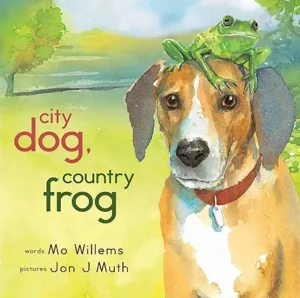
There is a natural rhythm to life. We experience a cycle of beginnings, middles, and endings.
Explaining this natural order to a child can feel daunting. This quiet masterpiece uses the turning of the seasons.
It gently introduces aging and passing on. It is subtle, sweet, and perfectly measured. It works beautifully for very young minds learning about time.
What kids notice: Children easily track passing time through the changing seasons. Furthermore, they notice Frog getting slower as the year progresses. They intuitively understand his decline before the words even say it.
Story snapshot: In spring, City Dog meets Country Frog. First, they play Frog games.
In summer, they play Dog games. In fall, Frog is too tired to play. So, they simply remember. When winter comes, Frog is gone. Spring eventually arrives again, bringing a brand new friend.
Why this book helps: This story uses the predictability of nature. It explains the hard unpredictability of loss. It is a gentle way to talk about the passing of an older pet. It assures kids that the cold winter is not permanent. It teaches them their hearts can hold beautiful memories while finding new joy.
Put Your Child in the Heart of the Story
When your child walks through a season of transition, they need solid support. Sometimes the greatest comfort comes from seeing themselves in a book.
At Scrively, we believe in the real power of personalized storytelling.
You can Make 100% Custom Kid’s Books With Scrively In Minutes! With our platform, you can Create unlimited books. In fact, the entire process is Point and Click Simple.
You can honor a beautiful memory of a beloved pet. Or, you can craft a tale about your child’s resilience. Give them a tangible keepsake to remind them of their vast capacity for love.
A Gentle Tomorrow
Walking a child through the heavy territory of grief is incredibly difficult. You cannot take the pain away instantly. Moreover, you cannot speed up the clock. You cannot make tomorrow hurt less today.
But by opening these books, you are doing something very powerful. You are giving them a clear vocabulary for their sorrow.
You are showing them it is completely safe to feel broken. Most importantly, you are sitting beside them in the dark. Keep reading the words they cannot yet say. Promise them the light will eventually return. Trust the story to guide them home safely.