The Lightness of Truth: Books to Help Kids Trade Big Fibs for Brave Words
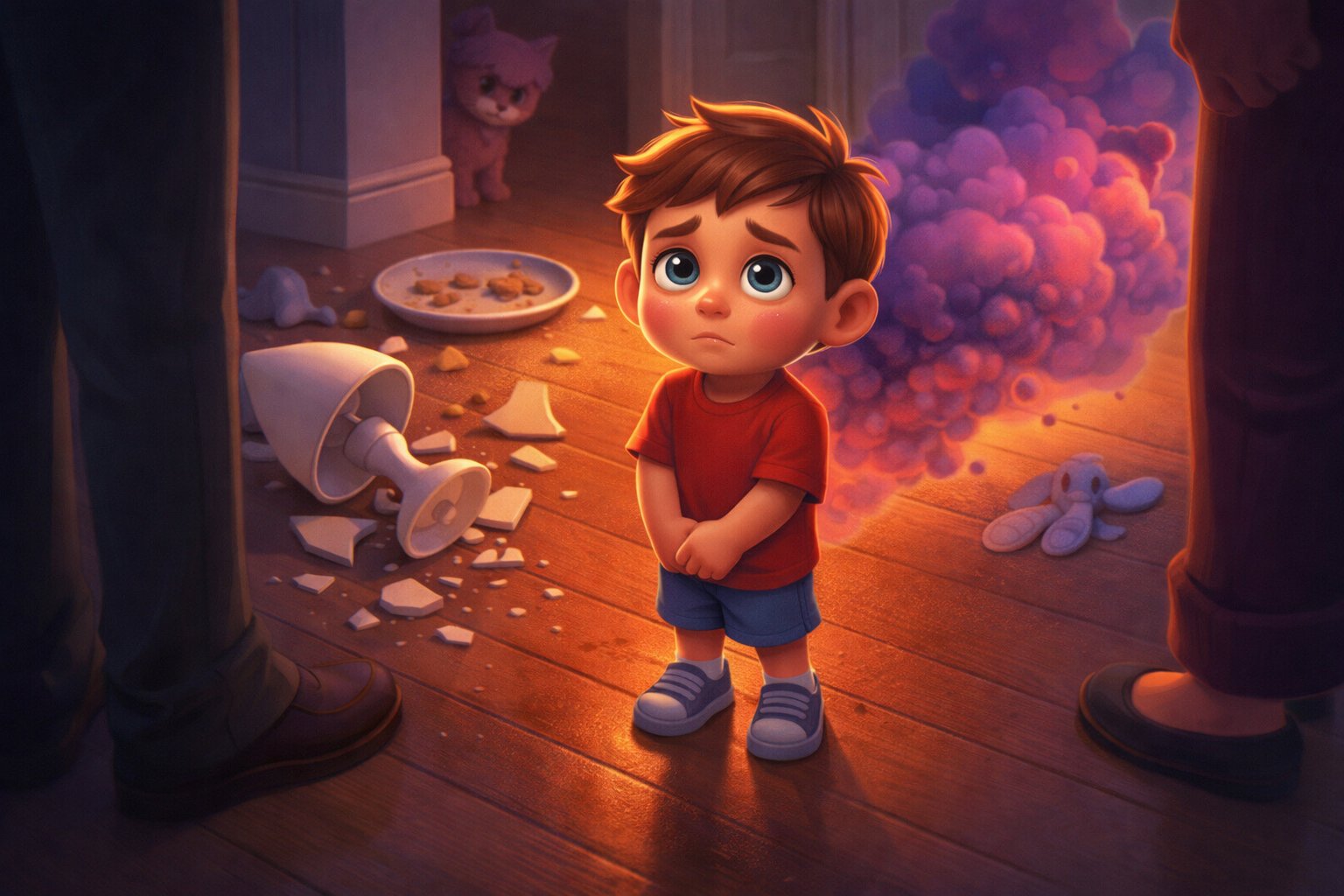
You know that specific, heavy silence that fills a room right after something breaks?
Maybe it’s the sound of a ceramic lamp meeting the hardwood floor or the quiet shuffle of feet near a plate of cookies that has mysteriously emptied.
You walk in, and there stands your child, eyes wide, shoulders tight, weighing the options between the scary truth and a much “safer” story.
It is a moment we’ve all faced as parents, and it’s often where our first instinct is to lean into a lecture about “the importance of being trustworthy.”
But for a young child, a lie isn’t usually a sign of a character flaw; it’s a survival mechanism.
It’s a way to avoid disappointing the people they love most or a tool to navigate a world that suddenly feels a bit too big and complicated to handle with the plain old facts.
When we talk about honesty, what we’re really talking about is courage.
It takes an immense amount of bravery for a child to say, “I did it,” when they know a consequence is coming.
It takes even more practice to understand that the truth isn’t just about avoiding trouble—it’s about the relief that comes when you don’t have to carry the weight of a secret around in your pocket all day.
Books serve as the perfect “rehearsal space” for these big moral leaps.
By watching a character navigate the itchy, uncomfortable feeling of a “whopper” or the quiet pride of telling a difficult truth, your child can experience the emotional arc of honesty without the immediate pressure of being in the hot seat.
They get to see that while the truth might be hard to say, it’s always the thing that clears the air.
The stories below don’t moralize or wag a finger. Instead, they offer a warm, human look at why we sometimes hide the truth and how much better we feel when we finally let it out. They turn honesty from a rigid rule into a relatable, life-giving habit.
The Empty Pot — Demi
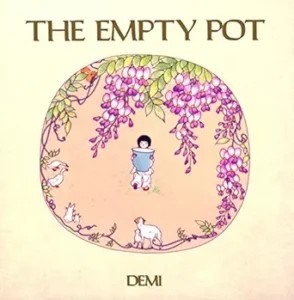
This is a breathtakingly beautiful story that approaches honesty through the lens of perceived failure.
Ping is a young boy with a natural gift for gardening, but when the Emperor issues a challenge to grow the most beautiful flower from a special seed,
Ping’s pot remains stubbornly empty. While other children present vibrant blooms, Ping has to decide if he can show up with nothing but his effort and the truth.
The narrative moves with a quiet, meditative pace that respects the gravity of Ping’s choice.
It beautifully illustrates that sometimes, being honest means being vulnerable enough to admit that things didn’t go according to plan.
It’s a powerful lesson in “integrity when no one is looking” that resonates deeply with children who feel the pressure to succeed at all costs.
What kids notice in this story:
Children often focus on the frustration Ping feels when his seed won’t sprout despite all his hard work.
They notice the contrast between Ping’s plain, soil-filled pot and the extravagant, colorful flowers the other children are carrying to the palace.
Story snapshot:
A Chinese Emperor holds a contest to choose his successor, giving every child a seed to tend.
Ping works tirelessly, but his pot stays empty, eventually leading him to present his failure to the Emperor, only to discover that the seeds were cooked and could never have grown.
Why this book helps:
It redefines “winning” as being the person who tells the truth, even when the truth looks like a loss. It helps children understand that honesty is a form of courage that earns respect from those who value character over appearances.
The Honest-to-Goodness Truth — Patricia C. McKissack
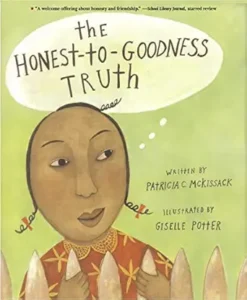
Libby learns a hard lesson that being honest isn’t quite the same thing as being hurtful.
After getting caught in a lie, she vows to only tell the “honest-to-goodness truth,” but she soon realizes that blurting out every true thing she notices about her friends and neighbors isn’t making anyone happy.
It’s a nuanced look at the difference between truthfulness and tact.
The story is told with a wonderful, conversational rhythm that feels like a real neighborhood interaction.
It tackles the sophisticated concept that the truth should be used as a bridge, not a weapon.
This is an essential read for the child who has mastered the “fact” part of honesty but is still learning the “kindness” part of social interaction.
What kids notice in this story:
Kids usually pick up on the confused and hurt expressions of Libby’s friends when she tells “the truth” about their old clothes or messy yards.
They recognize that itchy feeling of being technically right but socially wrong.
Story snapshot:
Libby gets in trouble for a lie and decides to tell only the truth from then on, but her blunt honesty starts offending everyone she knows.
Eventually, her mother helps her understand that the truth is best served with a dose of vitamin K—for kindness.
Why this book helps:
It teaches kids that honesty requires empathy.
It’s a great tool for discussing how to be truthful while still being a good friend, helping them navigate the complex social landscape of the schoolyard.
Ruthie and the Not-So-Teeny Tiny Lie — Laura Rankin
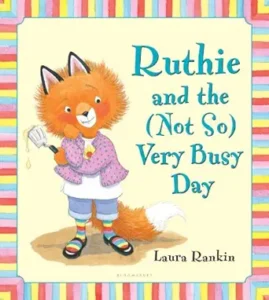
Ruthie loves tiny things, so when she finds a beautiful toy camera on the playground, she desperately wants to keep it.
When another student claims it’s theirs, Ruthie tells a lie to keep it for herself.
The story follows the physical and emotional weight that the lie begins to place on Ruthie as her day progresses.
The illustrations do a fantastic job of showing Ruthie’s internal world—how her favorite foods don’t taste right and how her stomach feels like it’s full of heavy stones.
It’s a very relatable depiction of the “guilt” that comes with a lie, making it a perfect starting point for talking about why our bodies sometimes tell us when we’ve done something that doesn’t align with who we are.
What kids notice in this story:
Children often point out how Ruthie’s appetite disappears and how she can’t focus on her schoolwork.
They see the physical toll the lie takes on her, which helps them identify their own physical signals of discomfort when they aren’t being truthful.
Story snapshot:
A young fox named Ruthie finds a toy she loves and claims it’s hers, even though she knows it belongs to someone else.
After a miserable day of carrying the secret, she finally confesses to her teacher and her parents, discovering that the truth brings immediate relief.
Why this book helps:
It validates that making a mistake isn’t the end of the world, but carrying the mistake in secret is what actually hurts. It emphasizes the “lightness” that comes after a confession.
A Day’s Work — Eve Bunting
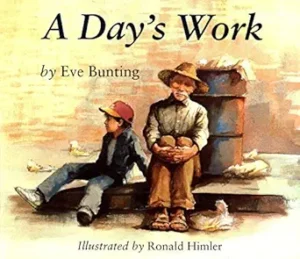
This story adds a layer of complexity by showing how a lie can affect others.
Francisco is trying to help his grandfather, who doesn’t speak English, find work as a laborer.
To get a job, Francisco tells a lie, saying his grandfather is an expert gardener. When the mistake is discovered, the story shifts into a profound lesson about responsibility and making things right.
The relationship between the grandfather and the grandson is the heart of the book.
It’s not just about the lie itself, but about the integrity of the grandfather who insists on fixing the mistake without pay.
It’s a beautiful, grounded story that moves away from the “don’t get in trouble” motivation and toward a “be a person of your word” philosophy.
What kids notice in this story:
Kids notice the grandfather’s quiet dignity and how he doesn’t get angry at Francisco, but instead uses the moment to teach him.
They also notice the visual difference between the weeds and the plants that were accidentally pulled up.
Story snapshot:
Young Francisco lies to get his grandfather a job weeding a garden, but because the grandfather isn’t a gardener, they accidentally pull out the flowers instead of the weeds.
The grandfather insists they return the next day to fix the work for free, teaching Francisco that a man’s word is his most important possession.
Why this book helps:
It shows that while honesty is important, what you do after a lie matters just as much.
It teaches the value of “making it right” and the long-term importance of building a reputation for truthfulness.
Lying Up a Storm — Julia Cook
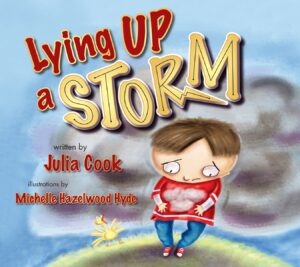
Levi tells a lot of lies—some big, some small. He compares his lies to a storm cloud that grows bigger and bigger until it starts to rain on his parade.
This book is very direct in its approach, using the metaphor of a storm to explain how lies can spiral out of control and hurt the people around you.
The book includes great language for parents to use, like the idea of “finding the truth” or “undoing the knot.”
It’s a very practical book for children who might be habituated to “fibbing” as a way to make themselves sound more interesting or to avoid minor inconveniences.
It’s lighthearted enough to not feel like a lecture but clear enough to make its point.
What kids notice in this story:
Children love the vivid illustrations of the “lie clouds” and how they follow Levi around.
They often connect with the idea that one small lie usually requires another one to cover it up, creating a “storm.”
Story snapshot:
Levi tells “blizzards” of lies to his teacher, his friends, and his parents.
His mother explains that telling a lie is like a little itch that turns into a big storm, and she helps him learn how to “calm the storm” by telling the truth.
Why this book helps:
It provides a clear visual and verbal vocabulary for families to talk about the “weight” of dishonesty. It makes the concept of a “consequence” feel like a natural result of the storm rather than an arbitrary punishment.
The Boy Who Cried Bigfoot! — Scott Magoon
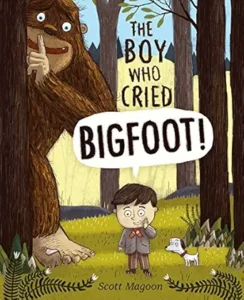
A fun, modern twist on the classic Aesop fable. Ben loves to tell stories, and he specifically loves to scream “Bigfoot!” to get everyone’s attention.
The problem, of course, is that when he actually sees the real Bigfoot, nobody believes him. It’s a high-energy, humorous way to explore the idea of credibility.
The illustrations are bright and engaging, and the “Bigfoot” character is more charming than scary. It’s a fantastic way to talk about the “social capital” of truthfulness.
When we tell the truth consistently, people believe us when it matters most. It’s a great choice for kids who use “tall tales” to get attention.
What kids notice in this story:
Kids find the actual Bigfoot very funny, especially the fact that he’s a bit of a shy, gentle giant.
They notice the frustration on the faces of the townspeople who keep running to help Ben only to find he’s joking.
Story snapshot:
Ben is a boy who loves to play pranks and cry “Bigfoot!” just to see his neighbors scramble.
When he finally encounters the real creature, he realizes that his past lies have cost him his neighbors’ trust, leading to a frantic attempt to prove he’s finally telling the truth.
Why this book helps:
It moves the conversation away from “lying is bad” toward “honesty makes people trust you.” It emphasizes the practical benefit of having a reputation for being a truth-teller.
A Big Fat Enormous Lie — Marjorie Weinman Sharmat
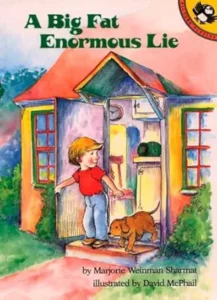
This classic story features a little boy who tells a lie about a jar of cookies. The moment the lie leaves his mouth, it manifests as a small, green creature.
As he continues to stick to his story, the creature grows larger and more obnoxious, following him everywhere and even sitting on his head.
The genius of this book is how it externalizes the internal feeling of a lie.
The “lie” becomes a literal burden that the child has to carry. It’s a very effective way for younger children to visualize why they feel so “stuck” when they aren’t being honest.
The resolution is simple and sweet, showing that the giant creature shrinks away the second the truth is spoken.
What kids notice in this story:
Kids are usually fascinated by the monster and how it changes size. They notice that the more the boy tries to justify the lie, the bigger and uglier the monster gets.
Story snapshot:
After lying about who ate the cookies, a boy finds himself haunted by a literal “Big Fat Enormous Lie”—a green monster that won’t leave him alone. Only when he finally admits the truth to his parents does the monster disappear for good.
Why this book helps:
It gives kids a way to talk about the “monster” on their back. It makes the act of telling the truth feel like a way to get rid of a pesky, unwanted guest rather than a scary confession.
Edward Fudwupper Fibbed Big — Berkeley Breathed
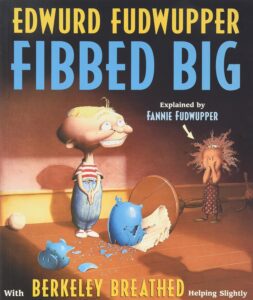
For children who love a bit of absurdity and “over-the-top” humor, this book is a masterpiece.
Edward Fudwupper starts with a small fib that escalates into a world-ending catastrophe involving the army, the air force, and a giant monster. It is a wild, imaginative ride that shows how “one thing leads to another.”
The rhyme and the chaotic energy of the illustrations keep kids engaged, but the underlying message is clear: small lies can have massive, unpredictable ripples.
It’s a great book for older kids (ages 6-8) who enjoy a bit of satire and can appreciate the irony of Edward’s predicament.
What kids notice in this story:
The sheer scale of the chaos! They love the detailed, wacky illustrations of the military response to Edward’s fib.
They also notice Edward’s sister, who is the one who ultimately has to help him find his way back to the truth.
Story snapshot:
Edward Fudwupper is a professional fibber whose latest lie is so big it brings the entire town—and the military—to his doorstep.
As the “fib” takes on a life of its own and threatens to destroy everything, Edward has to find the courage to own up before it’s too late.
Why this book helps:
It uses humor to lower the stakes of the conversation, making it easier to talk about the “snowball effect” of dishonesty. It’s especially helpful for kids who tend to exaggerate to make their lives seem more exciting.
Practice Honest Moments with Scrively
Reading about these characters is a wonderful first step, but the real magic happens when your child gets to step into the story themselves.
At Scrively, we believe that the best way to learn character is to live it. Our personalized stories allow your child to become the protagonist, navigating these exact “broken lamp” moments in a world built just for them.
By practicing the “courage of the truth” in a story where they are the hero, they build the emotional muscle memory to do the same in real life. You can explore how to bring your child’s own growth journey to life at Scrively.com.
Teaching honesty isn’t about creating a household where mistakes never happen. It’s about creating a safe harbor where the truth is always welcomed with a hug and a “thank you for telling me.”
When we use books to explore the tricky terrain of truthfulness, we aren’t just teaching a rule; we are giving our children the gift of a clear conscience and the confidence to be exactly who they are—mistakes and all.