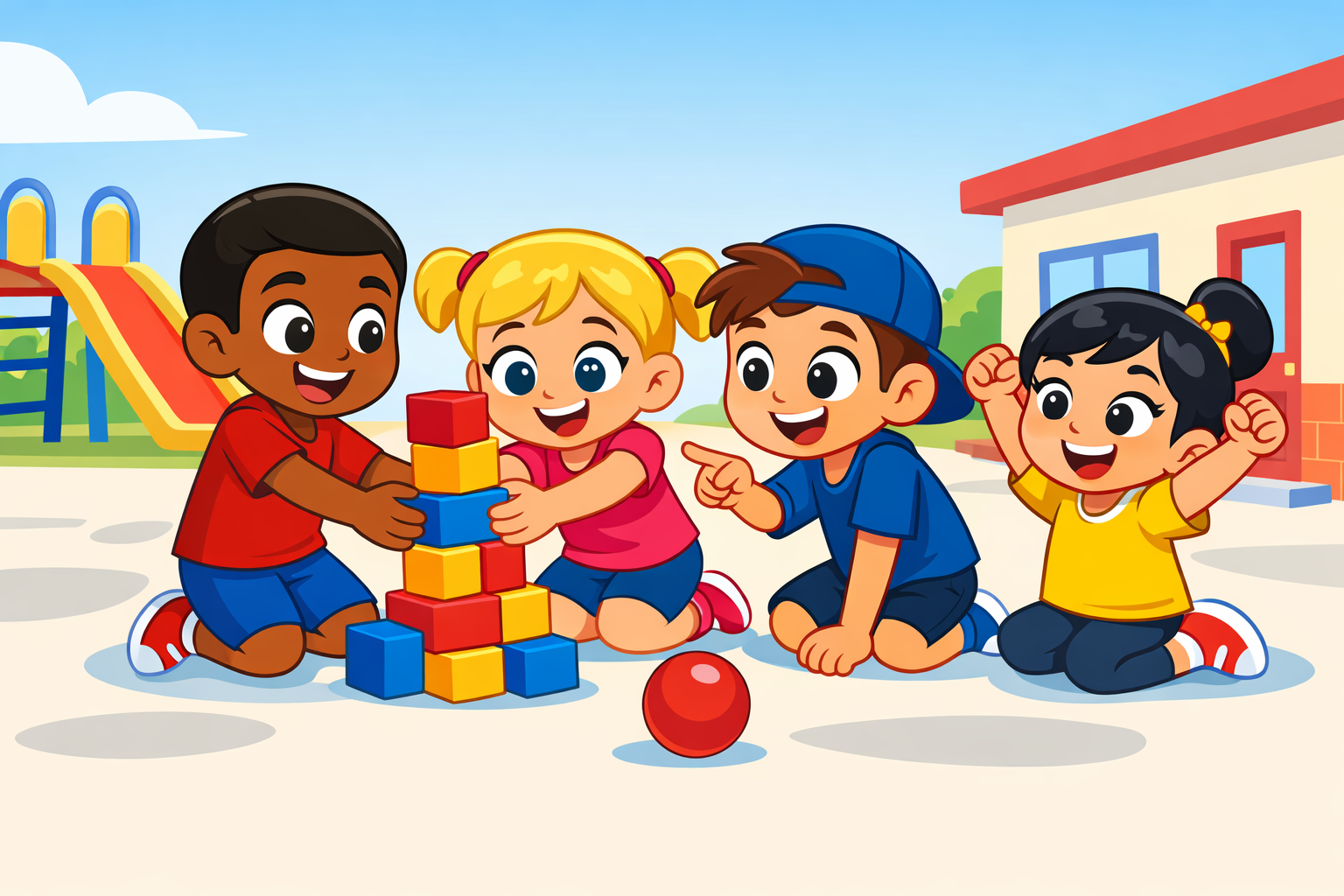

If Your Child Prefers Quiet Friendships, These Books Will Feel Like Home
Friendship doesn’t arrive in just one volume.
Some kids move toward others easily and loudly.
Some test the waters slowly. And some feel most themselves when friendship is calm, steady, and unhurried — a shared space rather than a shared spotlight.
If your child gravitates toward one close friend, prefers parallel play, or chooses quiet companionship over group buzz, there’s nothing missing.
There’s something present: attunement, discernment, and a deep sense of safety in connection.
Still, it can be hard not to wonder. You might notice louder friendships getting more attention.
You might hear well-meaning comments about “opening up” or “joining in.” And you might quietly ask yourself whether your child’s way of connecting is enough.
Stories help answer that question gently. They show children — and the adults who love them — that friendship doesn’t have to be busy to be real. That closeness can look like sitting side by side. That choosing fewer relationships can mean choosing deeper ones.
The books below honor quiet friendships without trying to fix them. They reflect companionship built on presence, trust, and shared moments that don’t demand performance.
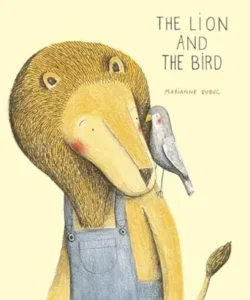
The Lion and the Bird — Marianne Dubuc
What kids notice in this story:
Children notice the gentleness first — the way two characters spend time together without rushing or explaining themselves.
They see comfort in quiet routines, shared meals, and sitting together without needing to talk. The stillness feels safe, not empty.
Story Snapshot:
A lion finds an injured bird and offers care through the changing seasons. Their friendship grows through shared days and simple acts, even knowing it won’t last forever.
Why this book supports kids who prefer quiet friendships:
This story validates friendships built on presence rather than activity.
It shows that connection can be meaningful even when it’s temporary, gentle, and quiet. Kids who value calm companionship see that closeness doesn’t need constant interaction to be real.
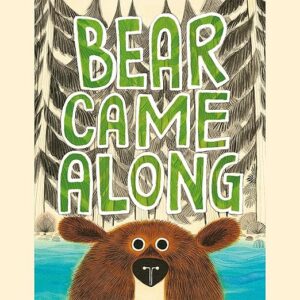
Bear Came Along — Richard T. Morris
What kids notice in this story:
Kids are drawn to the way Bear participates without taking over.
They notice how simply being there — floating together, drifting along — counts as belonging. The story feels unforced, with room for observation and quiet joy.
Story Snapshot:
Bear floats down a river and gradually gathers companions along the way. The journey unfolds naturally, with no one leading or rushing the experience.
Why this book supports kids who prefer quiet friendships:
The book shows that friendship doesn’t require initiating or entertaining.
Being part of something can mean accompanying, noticing, and staying present. It reinforces that you don’t have to change your pace to be included.
Small in the City — Sydney Smith

What kids notice in this story:
Children notice how the main character navigates the world quietly, with attention and care. They see that being observant and reserved isn’t weakness — it’s awareness. The companionship here is subtle and deeply felt.
Story Snapshot:
A child walks through a big city alone, offering quiet advice to a lost friend. The story unfolds through small observations and thoughtful gestures.
Why this book supports kids who prefer quiet friendships:
This story affirms children who connect through noticing rather than performing. It shows that empathy and care often live in quiet actions, helping kids trust their natural way of relating to others.
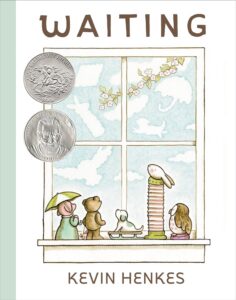
Waiting — Kevin Henkes
What kids notice in this story:
Kids notice the patience. The shared waiting. The comfort of sitting together without needing to fill the space. The characters feel like companions simply by being near one another.
Story Snapshot:
Five toys sit on a windowsill, waiting for different things. Time passes gently as they experience small moments together.
Why this book supports kids who prefer quiet friendships:
The story validates togetherness without conversation or action. It reassures children that closeness can exist in shared stillness, helping them feel confident in friendships that grow slowly.
Frog and Toad Are Friends — Arnold Lobel
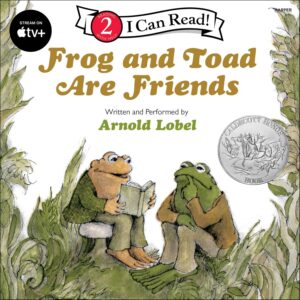
What kids notice in this story:
Children notice how Frog and Toad spend time together doing ordinary things. There’s no pressure to impress — just acceptance, reassurance, and gentle humor.
Story Snapshot:
A series of short stories follows Frog and Toad through everyday moments of friendship, misunderstanding, and care.
Why this book supports kids who prefer quiet friendships:
The book models a friendship rooted in loyalty and comfort rather than excitement. It helps children see that steady, familiar relationships are deeply meaningful.
Miss Rumphius — Barbara Cooney
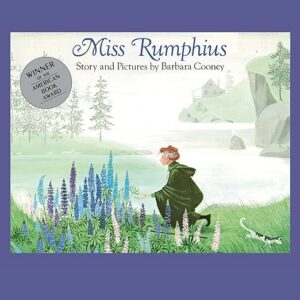
What kids notice in this story:
Kids notice the calm rhythm of a life lived thoughtfully. Relationships feel gentle and respectful, with space for solitude and purpose.
Story Snapshot:
Miss Rumphius travels the world, then returns home to make it more beautiful in a quiet, lasting way.
Why this book supports kids who prefer quiet friendships:
The story affirms children who value depth and intention. It shows that impact and connection don’t require loudness — they require care.
The Little House — Virginia Lee Burton

What kids notice in this story:
Children notice the comfort of constancy. The quiet endurance. The sense of belonging that doesn’t demand attention.
Story Snapshot:
A small house watches the world change around it, remaining steady through time and transformation.
Why this book supports kids who prefer quiet friendships:
The book reinforces the value of stability and presence. It helps children trust that being steady and calm has its own strength.
A Sick Day for Amos McGee — Philip C. Stead

What kids notice in this story:
Kids notice the kindness in small gestures and quiet loyalty. Friendship looks like showing up gently, without fanfare.
Story Snapshot:
When Amos is sick, the animals he cares for return the favor, offering comfort in their own quiet ways.
Why this book supports kids who prefer quiet friendships:
The story shows friendship as mutual care rather than constant interaction. It validates children who express closeness through calm, dependable actions.
If your child connects best through calm companionship, you may also appreciate reflections on choosing depth over numbers in… books about preferring one close friend…
or stories that honor children who pause before stepping in, like those shared
this collection for observant kids.
Quiet friendships are real friendships. They are built on trust, comfort, and the freedom to be fully oneself without performing.
When you return to these stories again and again, you offer your child something powerful: permission.
Permission to connect in ways that feel safe. Permission to choose presence over noise. Permission to believe that their way of being with others is already enough.
With Scrively, children can create stories that reflect the friendships they value most — calm, chosen, and deeply their own. Stories where connection unfolds at a pace that feels true.