Stories That Teach Friendship: The Best Books for Kids Learning to Connect
Making friends is one of the biggest childhood adventures—equal parts heartwarming, hilarious, and terrifying.
Even grown-ups get a little sweaty meeting new people, so it’s no surprise that kids sometimes feel unsure about what to say, how to start, or whether they’ll be accepted.
Books help make that whole process feel a lot less overwhelming. Friendship stories let kids peek into social situations from the safe distance of a cozy couch.
They watch characters try, struggle, apologize, laugh, and eventually find their people. It’s like emotional rehearsal—with fewer nerves and more giggles.
These friendship books also help kids feel less alone. When a character worries about fitting in or being noticed, kids think, “Oh… me too.” Suddenly, their messy, beautiful feelings make sense.
And when the characters work things out? Kids feel that victory in their chest.
Plus, reading about kindness, bravery, empathy, and real communication helps children build the vocabulary they need for actual friendships. T
hey learn what it looks like to listen, help, share, include, and repair after a mistake. Story by story, page by page, kids begin to understand that friendships aren’t perfect—they’re practiced.
Below are eight of the very best books for teaching kids how to make friends: warm, funny, inclusive stories full of heart.
They’re stories your kids will remember—and maybe even reenact on the playground.
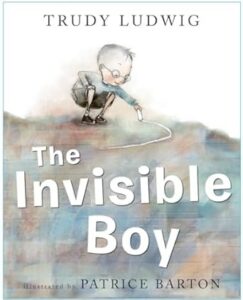
The Invisible Boy — Trudy Ludwig
Brian is quiet. Really quiet. In a classroom bursting with bold personalities, he blends into the background so much that he sometimes feels invisible.
But when a new kid arrives, Brian’s small act of kindness sparks a connection that changes everything. The illustrations shift from gray to full color as Brian starts to feel seen—a beautiful metaphor for what friendship can do.
Why kids love it: They relate to feeling overlooked sometimes, and watching Brian “come alive” feels like magic.
Best for: Ages 6–9; especially helpful for quieter kids or those struggling to feel included.
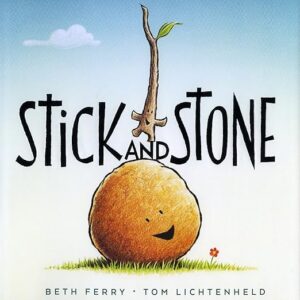
Stick and Stone — Beth Ferry
Stick is lonely. Stone is lonely. But when Stick stands up for Stone, everything changes.
What follows is a charming, rhyming adventure about loyalty, bravery, and the kind of friendship that feels simple and strong. It’s short, sweet, and so delightful you won’t mind reading it over and over (and over).
Why kids love it: The humor! The puns! And the adorable characters who express big feelings without many words.
Best for: Ages 3–7; preschoolers learning how to empathize and stand up for others.
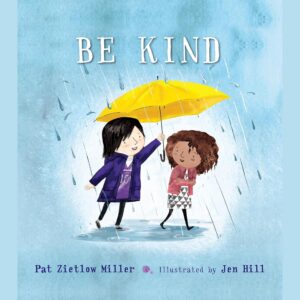
Be Kind — Pat Zietlow Miller
When Tanisha spills grape juice on her dress, our narrator wonders what kindness really looks like.
Is it offering help? Sharing? Including someone? This book turns the abstract idea of kindness into a set of small, doable actions kids can actually try. It’s simple, beautifully written, and full of heart.
Why kids love it: They recognize what it feels like to want to help but not know how. This book gives them a toolkit.
Best for: Ages 4–8; perfect for classrooms and homes working on everyday kindness.
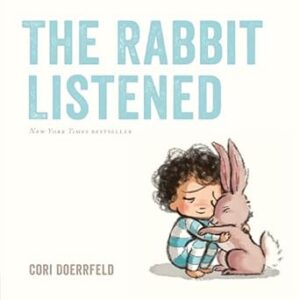
The Rabbit Listened — Cori Doerrfeld
After Taylor’s block tower collapses, every animal has a solution: yell! fix it! hide!
But Taylor isn’t ready for any of that. Only the rabbit sits quietly and listens until Taylor is ready to talk, and eventually, rebuild. This gentle, powerful story teaches the rarest and most magical social skill: being present.
Why kids love it: Kids instantly recognize the “too much” helpers—and find comfort in the quiet rabbit.
Best for: Ages 3–8; children dealing with big emotions or needing help learning how to be supportive friends.
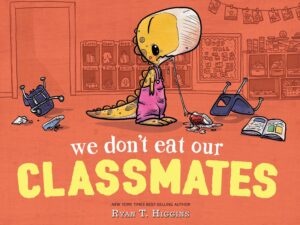
We Don’t Eat Our Classmates — Ryan T. Higgins
Penelope Rex is thrilled to meet her new classmates—except they’re children… and children are delicious. Oops.
Every attempt Penelope makes at friendship ends with a chomp. But when she finally experiences what it feels like to be bitten, she learns a valuable lesson about boundaries, empathy, and not eating your friends.
Why kids love it: It’s laugh-out-loud funny, slightly outrageous, and full of Penelope’s lovable chaos.
Best for: Ages 3–6; great for kids learning impulse control and empathy.
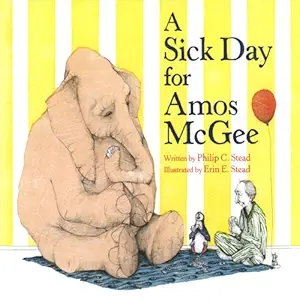
A Sick Day for Amos McGee — Philip C. Stead
Amos McGee always makes time for his animal friends—whether it’s chess with the elephant or running races with the tortoise. But one day, Amos is too sick to visit.
So the animals hop on a bus and take care of him instead. This sweet, award-winning story shows that friendship isn’t about grand gestures—it’s about showing up.
Why kids love it: The animals are tender, funny, and full of personality. It’s a warm, cozy hug of a book.
Best for: Ages 2–6; ideal for bedtime and teaching reciprocity.
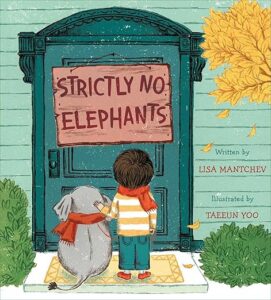
Strictly No Elephants — Lisa Mantchev
A little boy and his tiny pet elephant are turned away from the Pet Club because of the sign on the door: “Strictly No Elephants.”
Hurt but determined, they create their own club—one where everyone is welcome, no matter how unusual their pet (or personality) might be. It’s a beautiful story about inclusion, courage, and making room for others.
Why kids love it: The small elephant is adorable, and kids love cheering for the underdog.
Best for: Ages 4–8; perfect for teaching inclusivity and kindness.
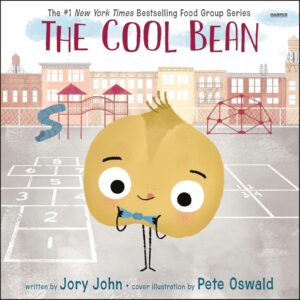
The Cool Bean — Jory John
The Cool Beans are… well, cool. Sunglasses, swagger, confidence—the whole vibe. Our narrator wants desperately to fit in but can’t seem to crack the code.
When the Cool Beans show him simple acts of kindness, he realizes that “cool” isn’t about how you look. It’s about how you treat people. Funny, warm, and full of punny charm.
Why kids love it: It’s hilarious and relatable—kids know the feeling of wanting to belong.
Best for: Ages 4–9; ideal for kids navigating popularity, cliques, and self-esteem.
The Big Lesson Behind These Little Stories
Friendship is something kids learn over time—not something they magically “just know.”
These books help children practice social courage, handle misunderstandings, and see mistakes as repairable. They also remind kids that everyone feels awkward sometimes—and that’s normal.
And if reading these sparks your child’s imagination, you can help them create their own stories on Scrively—a cozy, creative space where families write, dream, and build meaningful stories together.