Best Chapter Books for 6- to 9-Year-Olds: Fun, Confidence-Building Reads Kids Love
There’s a magical moment when a child looks up from a book, eyes shining, and says, “Can I read another chapter?”
That’s the moment you know: reading has clicked.
For 6- to 9-year-olds, chapter books can feel like a bridge between picture books and “big kid” reads—a bridge that says, You belong here. You’re ready for this.
At this age, kids are still building stamina and confidence.
Some are racing ahead into longer stories, while others are just beginning to feel comfortable with more text on the page.
The right chapter books meet them exactly where they are—funny enough to keep them turning pages, warm enough to feel like a safe place after a long day, and inviting enough that they don’t feel “behind” or “not a real reader.”
Good chapter books for this age group also quietly do big emotional work.
They model how to handle friendship drama, big feelings, school jitters, and everyday “what ifs.”
They show kids characters who make mistakes, try again, and discover that being brave doesn’t always mean being loud.
Sometimes it just means finishing the next chapter, even when the words look a little wobbly at first.
Most of all, these books help kids see themselves as readers.
Not just kids who “have to” read for school, but kids who want to read because they love the worlds, the characters, and the feeling of being carried along by a good story.
Whether your reader loves silly humor, gentle adventures, or cozy, everyday stories, there’s a confidence-boosting chapter book waiting for them.
Below you’ll find a curated list of chapter books that are friendly to early readers, rich in heart, and designed to help kids say, “I can do this.”
Think of this as a starter shelf for joyful, confidence-building reading.
How to Use This List
You can read these books aloud as a family, share them in a classroom or library setting, or offer them as “just-right” first chapter books for independent reading.
Many come in series, which is perfect for kids who fall in love with one character and want to follow them through many adventures.
Consider creating a small reading ritual—cozy chair, favorite blanket, maybe a snack—to make reading time feel like something special you both look forward to.
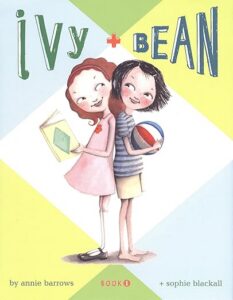
Ivy + Bean — Annie Barrows
Core Themes:
- Friendship between opposites
- Imagination and creativity
- Trying new things
Story Snapshot:
Ivy and Bean don’t seem like they’d be friends. Ivy loves quiet, books, and big ideas.
Bean loves noise, mischief, and big messes.
But when a chance backyard adventure throws them together, the two discover that their differences make them an unstoppable duo.
Their schemes are often chaotic, always funny, and surprisingly heartwarming.
How this book builds confidence for young readers:
The short chapters, generous illustrations, and relatable kid humor make this a welcoming series for newer readers.
Kids see that shy and bold personalities both have value, and they’re reminded that there’s no single “right” way to be a friend or a leader.
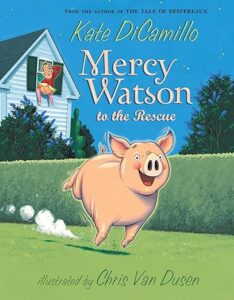
Mercy Watson to the Rescue — Kate DiCamillo
Core Themes:
- Family and belonging
- Everyday courage
- Lighthearted problem-solving
Story Snapshot:
Mercy Watson is a toast-loving pig who lives with her doting human parents, Mr. and Mrs. Watson.
When an ordinary night turns into a wobbly bed emergency, Mercy’s love of buttered toast leads her straight into a hilarious, slightly chaotic rescue mission.
The neighbors, the fire department, and Mercy herself all play a role in saving the day.
How this book builds confidence for young readers:
Big, colorful illustrations and simple, playful language help kids feel successful as they move through the story.
Mercy’s adventures are silly and non-threatening, making reading feel like a treat instead of a test.
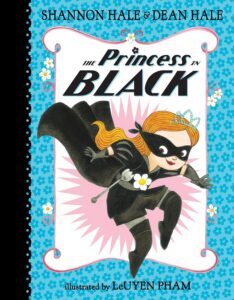
The Princess in Black — Shannon Hale & Dean Hale
Core Themes:
- Hidden strengths
- Bravery in everyday life
- Challenging stereotypes
Story Snapshot:
Princess Magnolia seems like a perfectly proper princess—until the monster alarm rings.
Then she ducks into her secret closet and transforms into the Princess in Black, a monster-fighting hero who can face down any creature that crawls out of the Monster Land hole.
Between tea parties and heroic missions, she learns to balance her different roles.
How this book builds confidence for young readers:
Kids see that you can be gentle and powerful, fancy and fierce, all at once.
The quick pace and bold illustrations support early readers, while the superhero twist says, “You can be more than one thing, too.”
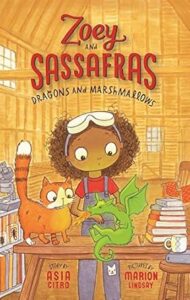
Zoey and Sassafras: Dragons and Marshmallows — Asia Citro
Core Themes:
- Curiosity and science thinking
- Problem-solving
- Kindness and care
Story Snapshot:
Zoey discovers that injured magical creatures come to her backyard for help.
With her trusty cat Sassafras and a science notebook at her side, she experiments her way through tricky problems.
When a tiny dragon appears needing care, Zoey must test her ideas, adjust her plans, and trust her observations.
How this book builds confidence for young readers:
Kids watch Zoey make mistakes, try again, and use simple experiments to figure things out.
It gently teaches that not knowing the answer right away is part of learning—and that curiosity is a superpower.
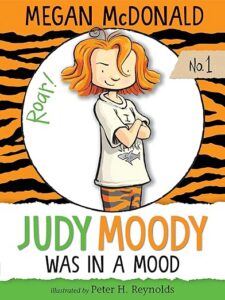
Judy Moody — Megan McDonald
Core Themes:
- Big feelings and moods
- School and friendships
- Finding your voice
Story Snapshot:
Judy Moody starts third grade in a mood—one that changes all the time.
With her wild imagination, strong opinions, and occasional grumpiness, Judy navigates school projects, friendships, and family life.
Her adventures are messy, funny, and deeply relatable to kids who feel their emotions strongly.
How this book builds confidence for young readers:
Judy shows kids that it’s okay to be imperfect and expressive.
Seeing a character who messes up, apologizes, and tries again helps readers feel less alone in their own ups and downs.

Dog Man — Dav Pilkey
Core Themes:
- Humor and creativity
- Friendship and loyalty
- Second chances
Story Snapshot:
Created by the same kid-authors inside the Captain Underpants universe, Dog Man is part dog, part man, and all heart.
His adventures are wild, comic-book style stories filled with villains, pratfalls, and a surprising amount of tenderness.
Kids follow Dog Man as he learns how to be a good friend, a better cop, and a slightly less destructive roommate.
How this book builds confidence for young readers:
The graphic-novel format is incredibly inviting for hesitant readers.
They get to feel like they’re reading a “big” book while relying on visual cues to support comprehension—and laughing the whole time.
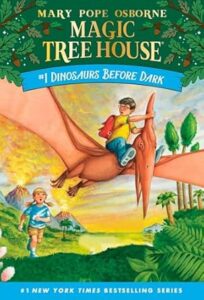
Magic Tree House: Dinosaurs Before Dark — Mary Pope Osborne
Core Themes:
- Adventure and exploration
- History and curiosity
- Siblings working together
Story Snapshot:
When siblings Jack and Annie discover a mysterious tree house filled with books, they’re whisked back in time to the age of the dinosaurs.
With Jack’s careful note-taking and Annie’s bold leaps into action, they navigate a prehistoric landscape and learn that bravery looks different for everyone.
How this book builds confidence for young readers:
The predictable series structure and familiar characters make each new adventure feel manageable.
Kids who enjoy the first book can keep reading—and growing—through dozens of titles.
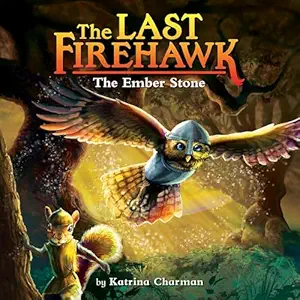
The Last Firehawk: The Ember Stone — Katrina Charman
Core Themes:
- Courage and teamwork
- Standing up to fear
- Believing in your potential
Story Snapshot:
In a magical forest threatened by darkness, a small owl named Tag and his friends go on a quest to find the legendary Ember Stone and help the last firehawk.
Along the way, they face challenges that test their loyalty, bravery, and belief in themselves. The world is richly imagined but written with early readers in mind.
How this book builds confidence for young readers:
Kids see gentle, persistent bravery in characters who don’t always feel ready for their quest.
Short chapters, supportive illustrations, and a clear quest narrative help readers feel like they’re conquering something big—one chapter at a time.
Closing Thoughts: Stories That Help Kids See Themselves as Readers
The right chapter books do more than fill an afternoon—they help kids see themselves in a new light.
A child who finishes a book like Mercy Watson or Zoey and Sassafras doesn’t just think, “I read a story.” They think, “I am a reader.”
That subtle internal shift is where confidence begins.
Whether your child connects with silly graphic adventures, cozy family stories, or imaginative fantasy worlds, the important thing is that they feel invited in.
Let them re-read favorites, follow a beloved series, and giggle at the same joke three times. This is how reading roots itself in joy, not just obligation.
If you’d like to take things a step further, consider helping kids create their own stories inspired by the books they love—new adventures for favorite characters, spin-off tales about sidekicks, or entirely original worlds of their own.
Spaces like Scrively are designed to encourage kids to write, create, and build their own imaginative stories, turning that “I am a reader” feeling into “I am a storyteller.”
Most of all, remember: every chapter finished is a quiet vote of confidence.
With each page turned, kids are practicing persistence, empathy, and imagination. And that’s a story worth celebrating.