The Best Animal Books for Your 2-Year-Old (Roars, Moos, and Giggles Ahead)
You’ve got a tiny zookeeper at home—and yes, the lion is in charge. These handpicked reads turn that big love of creatures into bite-size language boosts, cozy connection, and chant-along fun.
Expect bold art, sturdy flaps, rhythmic lines, and plenty of “Again, please!”
The books below channel that excitement into rhythm, repetition, and hands-on fun, building language, empathy, and attention in tiny, joyful doses.

Brown Bear, Brown Bear, What Do You See? — Bill Martin Jr. & Eric Carle
This classic uses a sing-song question-and-answer pattern to introduce a brightly colored parade of animals. Eric Carle’s collage art turns each spread into a bold, high-contrast moment. Toddlers quickly anticipate what’s next and shout responses with pride. The final classroom scene ties the whole menagerie together.
Why it’s perfect: The predictable structure boosts confidence and vocabulary while reinforcing color words. Repetition supports memory, and the art is immediately recognizable from across the room. It’s also a crowd-pleaser for group read-alouds.
Perfect for: Kids who love call-and-response, naming colors, and finishing your sentences before you do.
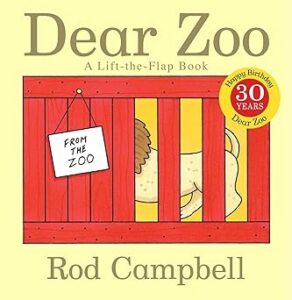
Dear Zoo — Rod Campbell
A child writes to the zoo for a pet, and sturdy flaps hide each animal the zoo “sends.”
Every surprise is hilariously wrong—too big, too grumpy, or too scary. The refrain invites toddlers to chime in with the reason. The final reveal lands with a cozy “just right.”
Why it’s perfect: Lift-the-flaps turn reading into peekaboo play, strengthening fine-motor skills. The consistent pattern supports prediction, and the humor makes repeated readings fresh. It’s durable enough for independent browsing.
Perfect for: Little hands that can’t resist opening flaps and guessing what’s inside each crate.

Good Night, Gorilla — Peggy Rathmann
A mischievous gorilla steals the zookeeper’s keys and quietly frees the zoo.
Wordless spreads do most of the storytelling as animals tiptoe behind the keeper. Observant toddlers spot visual jokes and patterns before grownups do. The bedtime twist ends with everyone snuggled in the same cozy room.
Why it’s perfect: Minimal text invites kids to tell the story in their own words, which builds narrative skills. Re-reading reveals new details, encouraging careful looking. It’s a gentle wind-down without losing laughter.
Perfect for: Bedtime snuggles, wordless storytelling, and kids who love pointing at tiny, funny surprises.

Where’s Spot? — Eric Hill
Spot the puppy is hiding, and the search begins around the house. Each flap conceals a not-Spot creature with a friendly “No!”
The hunt reinforces spatial words like “behind,” “inside,” and “under.” The final discovery rewards persistence with tail-wagging joy.
Why it’s perfect: Hide-and-seek is toddler catnip, and the simple art keeps attention on the game. The repetitive question builds anticipation and speech. Sturdy flaps can handle enthusiastic sleuthing.
Perfect for: Curious explorers who love guessing games and quick, punchy reveals.

Little Blue Truck — Alice Schertle
A friendly pickup greets each barnyard buddy as it rolls through the countryside.
When a proud dump truck gets stuck in the mud, the animals rally to help Blue save the day. The rhymes bounce, the animal sounds pop, and teamwork takes center stage. The world feels safe, warm, and neighborly.
Why it’s perfect: Animal noises and truck sounds make this a performance read-aloud. The story models kindness without preaching, and the rhythm keeps even wiggly listeners engaged. The final “beep-beep-beep!” invites a gleeful chorus.
Perfect for: Kids who love both farm animals and vehicles, plus families who value gentle character lessons.

Giraffes Can’t Dance — Giles Andreae & Guy Parker-Rees
Gerald the giraffe wants to dance but feels clumsy and ashamed at the jungle jamboree.
A wise cricket shows him how to find his own music under the moonlight. Vibrant art and lilting verse celebrate courage and self-expression. The animals’ styles—from tangoing lions to waltzing warthogs—spark contagious giggles.
Why it’s perfect: The message is kind, confident, and catchy, ideal for toddlers learning to try new things. The rhythm supports phonological awareness while the pictures invite movement. Expect spontaneous living-room choreography.
Perfect for: Shy movers, big feelers, and families who turn story-time into a dance party.
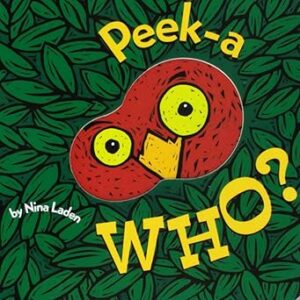
Peek-a-Who? — Nina Laden
Die-cut windows tease the next rhyming reveal with a playful “Peek-a—.” Each page sets up a silly punchline, from “Peek-a-zoo!” to “Peek-a-moo!” The chunky board format suits tiny hands. A final mirror lets kids discover their favorite face.
Why it’s perfect: The design is pure anticipation and payoff. Short, snappy text is ideal for quick reads, and the rhyme invites participation. It doubles as a first guessing game.
Perfect for: High-energy readers, older siblings reading to toddlers, and on-the-go story breaks.

Moo, Baa, La La La! — Sandra Boynton
With wry humor and irresistible rhythms, Boynton introduces animal sounds with a twist. Three singing pigs famously say “La La La,” and toddlers correct them with delight. The pictures are simple, bold, and full of charm. The final question invites kids to supply their best animal noises.
Why it’s perfect: Sound play is a language superpower for toddlers, and this book makes it silly and social. The compact board format travels well, and the jokes never get old. It’s the rare read that works in 30 seconds or three minutes.
Perfect for: Budding comedians, car-seat serenades, and families who love a goofy chorus of moos and baas.
How to Get the Most Out of Animal Books at Age Two
Keep sessions short and follow your child’s lead, even if that means reading just three pages.
Invite participation by pausing before animal names, pointing to pictures, and copying sounds together. Re-read favorites, because repetition deepens comprehension and confidence.
Make it multisensory when possible. Bring a stuffed animal to “listen,” act out motions like tiptoeing or stomping, and match toys to pictures. Celebrate any attempt to name, point, or imitate—those are big early-literacy wins.
Choosing the Right Format for Tiny Hands
Board books stand up to drool, backpacks, and bedtime tumbles. Lift-the-flap titles build fine-motor skills, but choose editions with thick, reinforced flaps. Wordless or low-text books empower toddlers to narrate, which strengthens expressive language.
If a story runs long, treat it like a buffet. Read a few spreads today and a few tomorrow, or “picture walk” by describing what you see. Flexibility keeps reading fun and low-pressure.
Build a Mini Animal Library Without Breaking the Bank
Rotate a handful of favorites from the library and keep two or three personal must-haves at home.
Look for used copies in board format, which are built for second lives. Consider creating themed baskets—farm, jungle, ocean—to invite independent browsing.
Pair books with simple play prompts. After a farm story, line up animal figurines and “feed” them blocks or pretend hay. After a jungle dance book, cue a song and copy the animal moves.
Create your own personalized adventure with Scrively—a playful way to turn your child’s favorite animals, sounds, and settings into custom story prompts you can print or read on-screen.
You’ve got this—happy reading, happy roaring, and may your little animal lover’s bookshelf keep growing with joyful, wiggly wonder!