If Your Child Acts Before Thinking, These Books Can Help
You’ve probably seen the moment before it happens.
A toy sitting on a table that doesn’t belong to your child. A quick decision about whether to tell the truth.
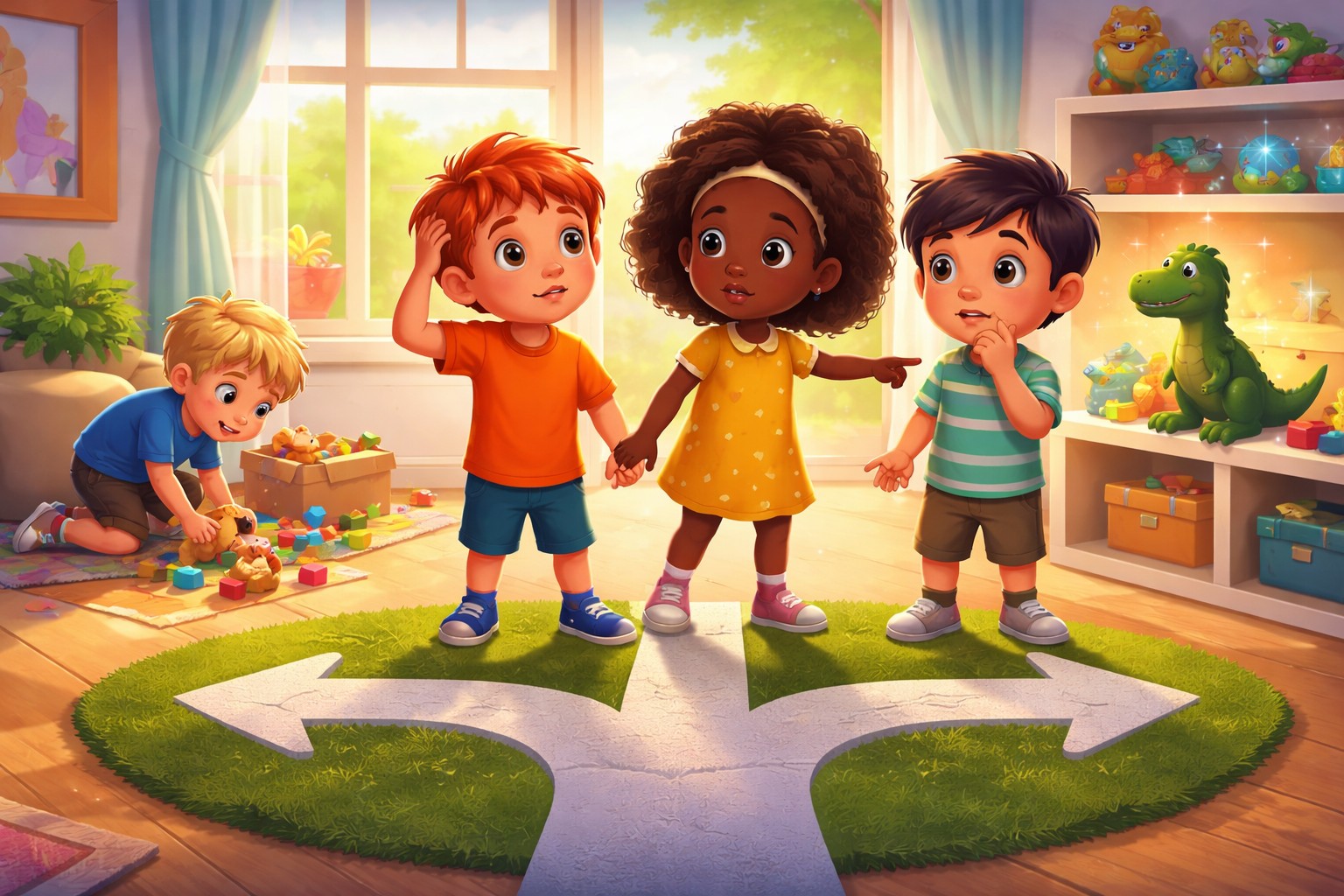
A split-second reaction when someone bumps into them on the playground. Childhood is full of these tiny crossroads — moments when a child decides what to do next.
And more often than not, the decision comes before the thinking.
At ages four through eight, that’s completely normal.
Children are still developing the mental pause that lets them step back, consider consequences, and choose a thoughtful response. Judgment grows slowly, shaped by experience, guidance, and reflection.
Which is why stories matter so much.
Books give children a safe place to watch choices unfold. They see characters make mistakes, face consequences, and sometimes discover a better path forward.
Without lectures or pressure, children begin to notice how decisions shape relationships, feelings, and outcomes.
Over time, these stories become quiet guides. They help children recognize the difference between acting quickly and acting wisely — and they build the kind of judgment that grows with practice.
Books That Help Kids Think Before They Act
What If Everybody Did That? by Ellen Javernick
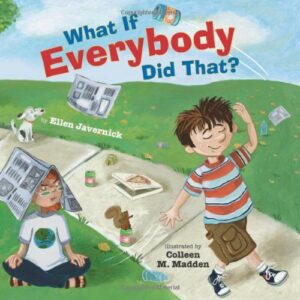
This playful but powerful story asks a simple question: what would happen if everyone made careless choices?
A child drops litter, splashes water everywhere, and ignores everyday rules — only to discover how chaotic things become when everyone behaves the same way.
The book walks through familiar scenarios that children immediately recognize from daily life. Each example gently expands the child’s perspective, showing how individual actions ripple outward into a larger community.
Instead of scolding, the story invites curiosity. Kids begin to realize that choices aren’t just about what they want in the moment — they affect everyone around them.
What kids notice in this story
Children quickly see how small decisions add up. They recognize that one person’s actions can affect the entire group, and that thoughtful choices help things run smoothly for everyone.
The Way I Act
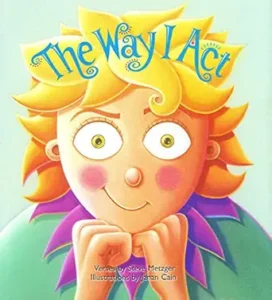
This cheerful picture book explores everyday behavior through humor and lively illustrations.
Children encounter familiar moments — being patient, showing kindness, listening carefully, and thinking before reacting.
Rather than focusing on mistakes, the book highlights the many ways children can choose how they act in different situations. Each page gently opens a conversation about responsibility and self-awareness.
What makes the book especially engaging is its tone. It treats decision-making as something children actively participate in, rather than something imposed on them.
What kids notice in this story
Kids begin to see that they have choices about how they behave. They notice that actions like patience, honesty, and kindness often lead to better outcomes.
Howard B. Wigglebottom Learns to Listen by Howard Binkow
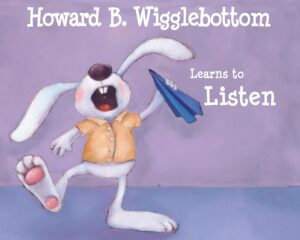
Howard B. Wigglebottom has a big imagination and a lot of energy — but listening isn’t always his strong suit. Because he rushes ahead without paying attention, he misses instructions and ends up in tricky situations.
Eventually Howard realizes that slowing down and listening carefully can make life easier and more enjoyable.
The story resonates with many children because it reflects a common childhood experience: reacting quickly before fully understanding what’s happening.
What kids notice in this story
Children see how rushing into action can create problems. They begin to recognize that listening and pausing often lead to better decisions.
The Berenstain Bears and the Truth by Stan & Jan Berenstain
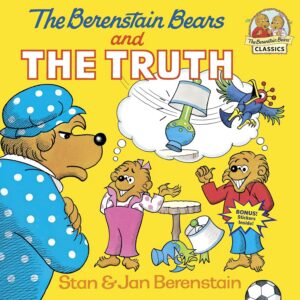
When Brother Bear accidentally breaks a lamp while playing ball inside the house, he faces a difficult decision: tell the truth or try to hide what happened.
The story unfolds with gentle tension as Brother Bear wrestles with guilt and fear. Eventually he learns that honesty, even when it’s uncomfortable, leads to relief and trust.
This classic story remains powerful because it mirrors real situations children face — moments when telling the truth feels hard.
What kids notice in this story
Kids recognize the feeling of wanting to hide a mistake. They also see that honesty helps rebuild trust and makes problems easier to solve.
A Bad Case of Stripes by David Shannon
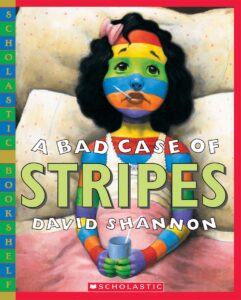
Camilla Cream worries so much about what others think that she stops making her own decisions. The pressure to fit in causes her to develop an unusual condition — she begins changing colors and patterns depending on what people expect.
The story grows increasingly absurd, but its emotional core is deeply relatable. Camilla eventually realizes that making choices based on authenticity feels far better than trying to please everyone.
Children often laugh at the outrageous illustrations while quietly absorbing the deeper message about confidence and self-trust.
What kids notice in this story
Children notice how hard it can be to make decisions when you’re worried about what others think. They see that being honest about who you are brings peace and confidence.
The Empty Pot by Demi

In this beautifully illustrated folktale, a young boy named Ping is given a seed by the emperor and told to grow a flower. Despite his best efforts, the seed never sprouts.
When the time comes to present the results, Ping faces a difficult choice: pretend he succeeded or tell the truth about the empty pot.
His honesty ultimately reveals the deeper purpose of the emperor’s test.
What kids notice in this story
Children see how courage and honesty matter more than appearances. They learn that doing the right thing sometimes means standing alone.
Those Shoes by Maribeth Boelts
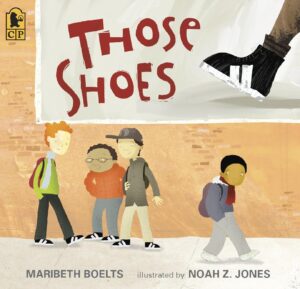
Jeremy wants a pair of trendy shoes that everyone else at school seems to have. The desire to fit in becomes a quiet pressure that shapes his choices.
When Jeremy finally gets the shoes, they don’t fit quite right. Later, he notices another child who needs them even more.
The story gently explores generosity, empathy, and the complicated decisions children make when social pressure enters the picture.
What kids notice in this story
Kids recognize the feeling of wanting what others have. They also see how thoughtful decisions can help someone else feel included.
Enemy Pie by Derek Munson
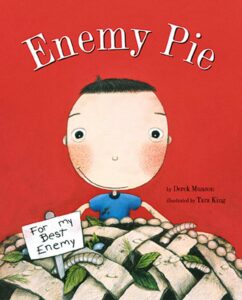
When a boy decides that Jeremy Ross is his enemy, he’s thrilled when his dad offers to help solve the problem with a mysterious recipe called “Enemy Pie.”
But there’s a surprising catch: the boy must spend the entire day playing with Jeremy before the pie can work.
What follows is a funny and insightful story about how assumptions and quick judgments can change when children give each other a chance.
What kids notice in this story
Children see that first impressions aren’t always accurate. They begin to understand that spending time together can turn conflict into friendship.
The Sandwich Swap by Queen Rania Al Abdullah
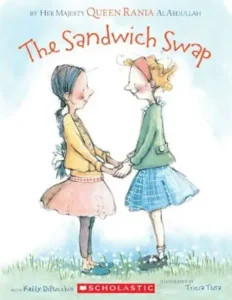
Lily and Salma are best friends — until a disagreement about their lunches creates distance between them. Each child believes her food is better and struggles to appreciate the other’s perspective.
The story explores how small misunderstandings can grow into bigger conflicts when children hold tightly to their assumptions.
Eventually, curiosity and openness help the girls reconnect.
What kids notice in this story
Kids notice how quickly disagreements can escalate. They also see how listening and curiosity can rebuild friendships.
Learning to Make Better Choices Takes Time
Children rarely learn decision-making all at once.
More often, it develops slowly through everyday experiences — moments when they act quickly, notice the outcome, and begin to understand the connection between actions and consequences.
Books provide a gentle space for this kind of learning. When children see characters face similar choices, they begin to reflect on their own decisions with a little more awareness.
Over time, these stories help build an internal compass. Children start recognizing patterns: kindness strengthens friendships, honesty builds trust, and patience often leads to better outcomes.
Stories That Let Kids Practice Responsibility
If your child enjoys seeing themselves inside the stories they read, personalized storytelling can make those lessons even more meaningful.
Scrively creates personalized children’s stories where kids become the main character — navigating everyday decisions, solving problems, and learning responsibility through their own adventures.
Seeing themselves inside a story can make the experience feel especially real. Children don’t just watch a character learn to make thoughtful choices — they imagine themselves doing it too.
And that kind of imagination can quietly shape how they approach the next decision waiting just around the corner.
Because good judgment isn’t something children memorize. It’s something they grow into, one choice at a time.