When Your Friend’s Family Has Less to Spend: 8 Children’s Books About Dignity
Your child suggests an outing, and their friend goes quiet. Later comes the question: “Why can’t they just buy a ticket?” You may feel caught between answering honestly and protecting another family’s privacy. These children’s books about dignity offer room to think before a small difference in spending becomes a difference in belonging.
Dignity means a person’s worth does not rise or fall with their family’s budget. Children can understand that long before they understand income. They can learn that a friend’s “no” deserves an easy answer, that worn belongings invite no teasing, and that friendship is not a reward for keeping up.
Start with what you know, and leave the rest alone. “Families have different amounts to spend, and different needs” is often enough. Avoid guessing at a parent’s choices or asking a child to explain private finances. If help is needed, adults can offer it discreetly, with options and without turning the family into a story for others.
The books below include everyday joy, family goals, and harder experiences such as hunger, displacement, and homelessness. Those experiences are not interchangeable with simply having a smaller activity budget. Read selectively and keep returning to the practical question: how can we make room for a friend without making them feel inspected?
Children’s Books About Dignity, Money Differences, and Belonging
The Patchwork Bike by Maxine Beneba Clarke
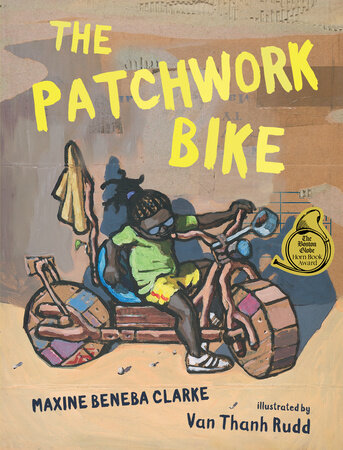
Written by Maxine Beneba Clarke and illustrated by Van Thanh Rudd, this exuberant picture book begins with children making their own fun. Its energy is a welcome starting point for a conversation that could otherwise become solemn. The children have ideas, daring, and a world worth exploring.
What kids notice: A homemade possession can carry pride, personality, and excitement. A shop price cannot tell you how much something means to its owner.
Story snapshot: A girl describes the bike she and her brothers have assembled from everyday materials, then celebrates riding it through their surroundings. The rough, lively artwork adds to the sense of motion.
Why this book helps: Ask what your child admires about the children’s invention. Then bring that curiosity to a friend’s handmade game or repaired toy. Avoid turning the story into “people with less are happier.” Enjoyment and ingenuity matter, and families still deserve the resources they need.
A Chair for My Mother by Vera B. Williams
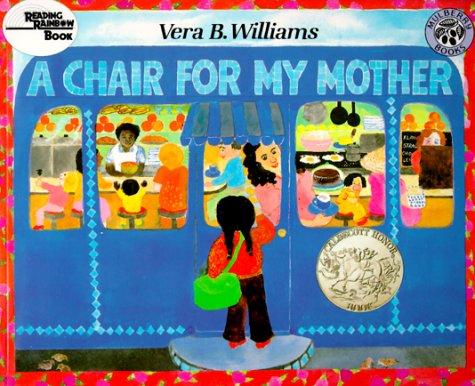
Vera B. Williams both writes and illustrates this warm picture book about saving for something deeply useful. The family’s goal is specific: a comfortable chair where a hardworking mother can rest. Money matters here because people’s comfort matters, rather than because buying things measures success.
What kids notice: An ordinary household object can represent rest, care, and a family’s shared hopes. Having to save for it does not make those hopes smaller.
Story snapshot: After a fire destroys their possessions, a girl, her mother, and her grandmother save coins toward a new chair. Their effort unfolds within a wider picture of family and community support.
Why this book helps: Invite your child to wonder what someone else’s family might be saving for, without asking the friend to explain. A declined outing may have many reasons. Practice accepting “not this time” warmly, then suggesting another way to spend time together that costs nothing.
It’s a No-Money Day by Kate Milner
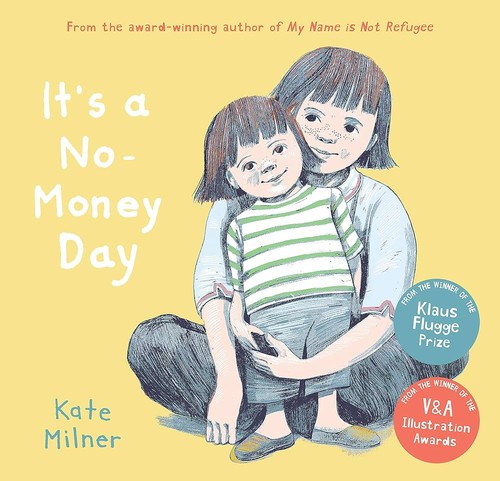
Kate Milner’s picture book follows a mother and daughter through a day when money has run out. Written and illustrated with tenderness, it makes room for their different feelings. Preview it if food insecurity is close to your family’s experience, and follow your child’s pace when questions arise.
What kids notice: A parent can work hard and still struggle to cover the basics. A child’s interests and hopes continue alongside the practical problem of getting enough food.
Story snapshot: Mother and daughter visit a food bank when there is not enough money for what they need. The child’s view includes the people she meets and the things she looks forward to, rather than only the family’s shortage.
Why this book helps: Keep the message plain: needing food support is not shameful. Your child does not need to investigate whether a classmate uses a food bank. If they are worried someone is hungry, they can speak privately to a trusted adult, who can help without making the child a public example.
A New Coat for Anna by Harriet Ziefert
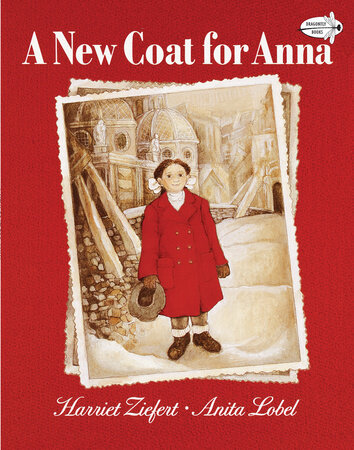
Harriet Ziefert’s historical picture book, illustrated by Anita Lobel, takes place in the hard times after World War II. Its patient rhythm suits a conversation about a necessary purchase that cannot happen immediately. Explain the historical setting briefly before reading, especially with younger listeners.
What kids notice: Care can involve planning, waiting, trading, and many people’s skills. A delayed purchase is not evidence that a parent does not care.
Story snapshot: Anna needs a coat, and her mother trades remaining valuables for wool and for the work of a spinner, a weaver, and a tailor. The coat takes shape through a long, shared process.
Why this book helps: Connect the story to waiting without making a modern friend’s circumstances into a comparison lesson. “Their family is deciding what works for them” may be all your child needs to hear. You can also admire a repaired or secondhand item without asking why someone did not buy it new.
The Table by Winsome Bingham and Wiley Blevins
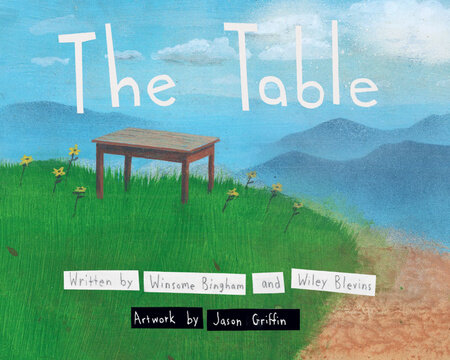
Written by Winsome Bingham and Wiley Blevins, with artwork by Jason Griffin, this picture book follows one table through two families’ lives. It shows hardship alongside ordinary pleasures. That breadth helps keep people in view instead of reducing a household to its financial situation.
What kids notice: A home contains work, laughter, routines, and memories that a visitor cannot see at a glance. People’s lives are larger than their belongings.
Story snapshot: When a coal mine closes, a family eventually moves on and leaves its table behind. A carpenter brings the table into another family’s home, where it becomes part of another set of everyday experiences.
Why this book helps: Ask what the families share and what remains different. The point is not to decide which home is better. With your child, name qualities they enjoy in a friend—humor, imagination, loyalty—that cannot be counted by looking at the house or the things inside it.
The Lunch Thief by Anne C. Bromley
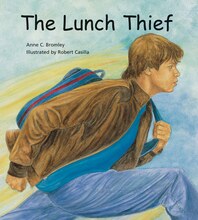
Anne C. Bromley’s picture book, illustrated by Robert Casilla, offers a school-based conversation about hunger and assumptions. Caregivers should preview it: alongside its compassionate intentions, it contains dated comments about weight and food. Be clear that sharing food is not a weight-control strategy and every child deserves enough to eat.
What kids notice: Hurtful behavior and a child’s unmet needs can both be real. Understanding the situation does not require pretending the original problem did not matter.
Story snapshot: Rafael sees Kevin take his lunch. After learning that Kevin’s family may have lost their home in a wildfire, he rethinks his anger and offers to share, opening a path toward friendship.
Why this book helps: Add the adult support the real situation would need. Children should not have to lose their own lunch or quietly solve another child’s hunger. A teacher or caregiver can protect both children’s access to food while addressing the taking privately. Compassion and a clear boundary can sit together.
Lily and the Paper Man by Rebecca Upjohn
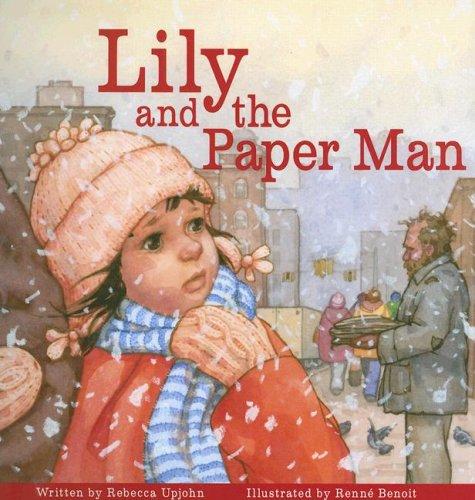
Rebecca Upjohn and illustrator Renné Benoit look beyond the immediate friendship circle to a person Lily encounters on the street. This picture book is about homelessness, so introduce it thoughtfully. It can help you talk about noticing need while continuing to see the individual experiencing it.
What kids notice: A first impression is incomplete. Clothing and housing circumstances cannot tell us a person’s character or all the things that matter to them.
Story snapshot: Lily initially fears the man selling newspapers. When colder weather reveals that his clothing cannot keep him warm, she asks questions and works toward a gift of warm clothes. She comes to know him as Ray.
Why this book helps: Keep the conversation respectful and practical. Adults can guide safe, considerate ways of offering help, including asking what is wanted. A gift does not solve homelessness, and someone does not owe gratitude or personal details in exchange. Carry that respect into everyday friendship too.
The Hundred Dresses by Eleanor Estes
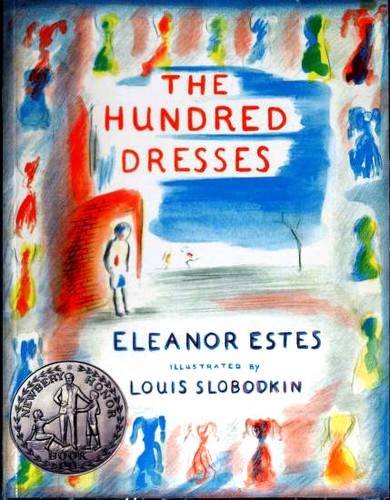
For older primary readers, Eleanor Estes’s short illustrated novel, with pictures by Louis Slobodkin, takes more time than the other selections. Its treatment of poverty, prejudice, and bullying deserves discussion. Read it together if your child is ready to think about the harm of joining in—or staying silent.
What kids notice: Repeated questions can become cruelty when the questioners already intend to laugh. A child should not have to prove their worth or possessions to belong.
Story snapshot: Wanda Petronski wears the same faded dress to school and says she has a hundred dresses at home. Her classmates ridicule her. After she leaves the school, her artwork and absence make them confront what they have done.
Why this book helps: Practice a small interruption: “We don’t need to ask about her clothes. Let’s play.” Remind your child that the targeted person does not need exceptional talent to deserve respect. Adults should address bullying, and a child who has joined in can stop, seek help, and begin making amends.
Put Your Child in the Heart of the Story
A personalized story can let your child practice being an easy person to spend time with. Imagine a character with their name planning an afternoon with a friend. When the first idea does not work, they offer a choice: a park adventure, a drawing game, or making up a treasure hunt together.
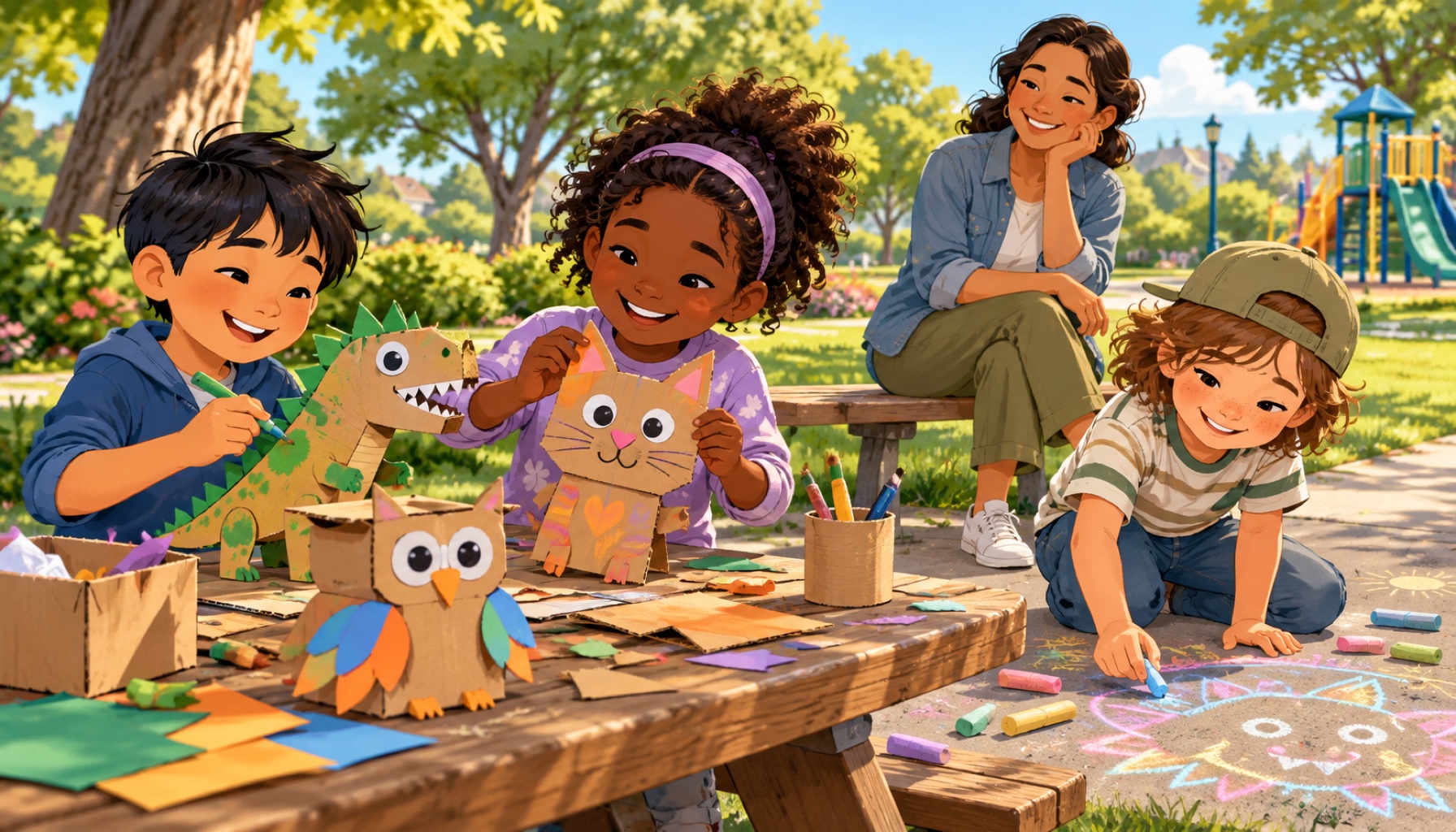
With Scrively, you can connect that small adventure to your child’s interests. A space enthusiast might invent a mission using cardboard; an animal lover might design imaginary creatures with a friend. Keep both characters full of ideas, with chances to choose and contribute.
The satisfying ending need not involve a purchase or a rescue. It might simply be two children wanting to meet again. Let your child notice how good friendship feels when neither person has to explain their family’s wallet.
Make Belonging Easy
Before the next invitation, think about costs beyond the ticket: transport, equipment, food, or the expectation of buying a gift. You can suggest an affordable plan for everyone from the start, rather than announcing a special exception for one family. If you offer to cover something, do so privately and leave room for a comfortable refusal.
Your child will sometimes ask an awkward question. Guide them without shaming their curiosity. “We don’t know their reasons, and we don’t need to” can sit beside “Let’s find something we both enjoy.” Over time, these ordinary choices teach a steady message: you belong with us because you are our friend.