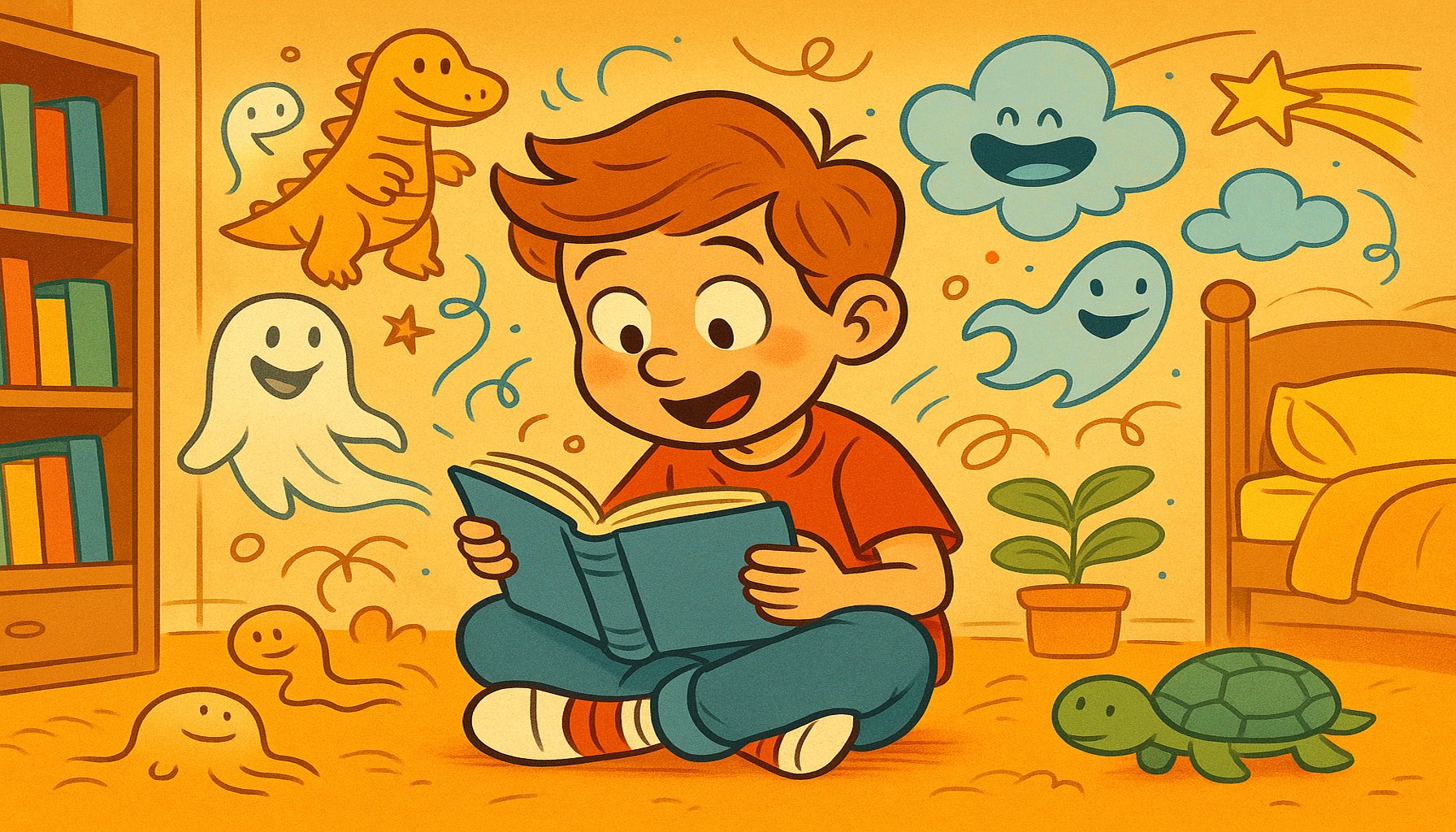
Top Books for Only Children Who Want to Feel Seen, Understood, and Brave
Growing up as an only child is a mix of wide-open quiet and wild imagination. Some days feel spacious and peaceful—like having an entire kingdom (or couch) to yourself.
Other days feel a little lonely, especially when the house seems too still or when big feelings show up and there’s no sibling to nudge and whisper to.
Only children often learn independence early.
They’re used to figuring things out on their own, listening closely, observing deeply, and creating worlds inside their minds that could rival any blockbuster fantasy.
They know how to entertain themselves, how to problem-solve, and how to hold their own in a room full of adults.
But even the most confident only child can wonder what they’re missing—or whether anyone else feels the same way.
That’s where books come in. Stories act like soft bridges—connecting only children to characters who get it.
Characters who also navigate quiet days, big imaginations, deep friendships, and the longing for connection that makes childhood so wonderfully human. When kids see themselves on the page, they exhale.
They feel understood. Their whole emotional world becomes a little less confusing and a lot more companioned.
Reading these stories helps only children expand their emotional vocabulary. Books introduce them to the rhythms of relationships—friendship, conflict, repair, generosity, belonging—all in a safe, cozy container.
Story by story, page by page, kids discover that even when they’re alone, they’re never *really* alone. Someone out there has felt the same way. And that matters.
Below you’ll find eight incredible picture books and early–reader favorites that lift up only children with humor, heart, and wisdom.
These stories celebrate independence while gently wrapping kids in the reassurance that connection comes in many forms.
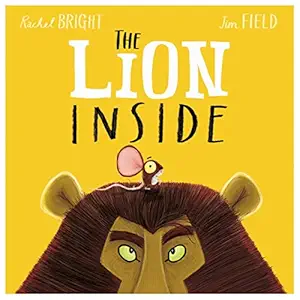
The Lion Inside — Rachel Bright & Jim Field
This bold, uplifting story follows a shy little mouse who feels invisible compared to the mighty lion.
Determined to find courage, the mouse sets out on a journey of self-discovery and learns that bravery comes in all sizes. It’s a confidence-boosting tale for kids learning to use their voice.
Why kids love it: The humor, rhythm, and expressive artwork make courage feel exciting—not scary.
Best for: Ages 4–8; perfect for only children working on confidence and self-expression.
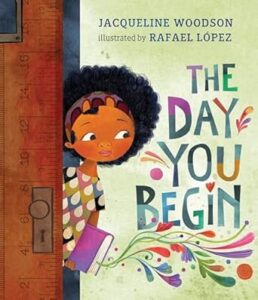
The Day You Begin — Jacqueline Woodson
Some days, feeling different is unavoidable—your lunch looks different, your story sounds different, or your world simply feels separate from everyone else’s. This beautiful, poetic book reassures kids that their unique experiences make them extraordinary, not alone.
Why kids love it: The language feels comforting and affirming, especially for kids who often feel “on the outside.”
Best for: Ages 5–9; perfect for only children navigating new social spaces or transitions.
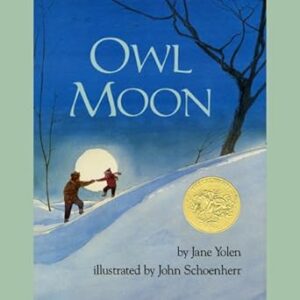
Owl Moon — Jane Yolen
A quiet, atmospheric adventure of a child and parent walking through the winter woods to spot owls. The stillness, magic, and intimacy of the journey reflect the deep, one-on-one connection many only children have with caregivers.
Why kids love it: The calm, cozy nighttime setting feels enchanting and soothing.
Best for: Ages 3–8; ideal for bedtime or bonding moments with a parent.
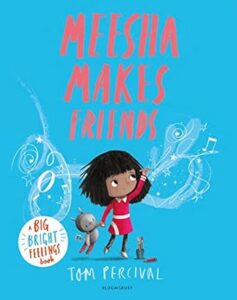
Meesha Makes Friends — Tom Percival
Meesha is creative and imaginative, but she struggles to connect with other kids—until she discovers that being herself is the best way to form true friendships. This story gently supports children who approach relationships differently.
Why kids love it: Meesha’s creativity feels inspiring, and her wins feel relatable.
Best for: Ages 4–8; wonderful for socially thoughtful or introverted only children.
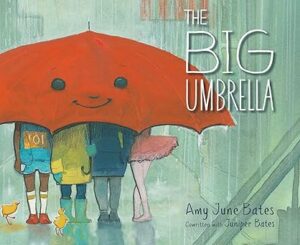
The Big Umbrella — Amy June Bates
A magical umbrella grows wide enough to shelter everyone, no matter who they are. This charming metaphor teaches belonging, inclusion, and acceptance—ideal messages for children who sometimes wonder where they fit.
Why kids love it: The whimsical concept makes kindness feel big, warm, and inviting.
Best for: Ages 3–7; great for family reading and emotional reassurance.
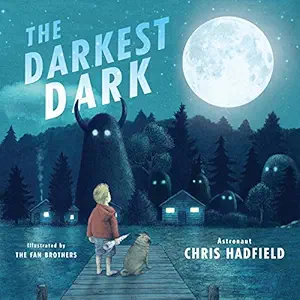
The Darkest Dark — Chris Hadfield
A young Chris Hadfield dreams of becoming an astronaut—but first, he has to face his fear of the dark. This story blends imagination, courage, and big dreams, making it powerful for introspective only children who think deeply.
Why kids love it: Space + courage = instant emotional connection.
Best for: Ages 4–8; perfect for kids who are dreamers or nighttime worriers.
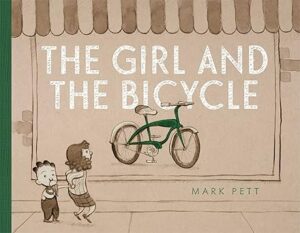
The Girl and the Bicycle — Mark Pett
This beautiful wordless story follows a determined girl who works hard to buy a bicycle. It highlights independence, perseverance, and the quiet strength many only children naturally develop.
Why kids love it: The pictures let them tell the story in their own words—huge empowerment moment.
Best for: Ages 4–9; especially great for imaginative or reflective kids.
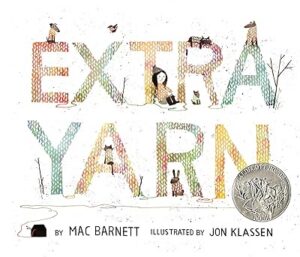
Extra Yarn — Mac Barnett
When Annabelle finds a mysterious box of yarn, she knits sweaters for everyone—and everything—around her. This enchanting story celebrates generosity, creativity, and how one child can transform the world through imagination.
Why kids love it: The magical realism + quiet creativity feels empowering.
Best for: Ages 4–8; perfect for artistic or thoughtful only children.
Why These Stories Matter
Only children carry a beautiful mix of independence and tenderness.
These books help them feel seen, supported, and connected—to characters who understand their world and to the grown-ups reading beside them.
More importantly, these stories give kids emotional language: how to talk about loneliness, express creativity, handle frustration, and welcome new friendships.
Through stories, only children learn that connection isn’t limited; it simply takes shape in different, beautiful ways.
If these books spark your child’s imagination, you can help them write their very own stories on Scrively—a joyful, safe space for kids to dream big, write bravely, and build worlds of their own.