Best Books for Kids With Bedtime Anxiety (And How Stories Help Them Sleep Easy)
You know those nights when your child suddenly has a million questions the second the lights go out? “What if I have a bad dream?” “What if you’re not here?” “What if I can’t sleep?”
Bedtime anxiety is real—and common. Kids’ minds are busy, their imaginations vivid, and sometimes the quiet darkness makes little worries feel very big.
Here’s the good news: bedtime doesn’t have to be a nightly battle. The right story can be a warm hand to hold, a calming rhythm that slows breathing, and a gentle reminder that sleep is safe.
Think of bedtime books as anchors—rituals that soothe worries and signal to your child’s mind and body: It’s time to rest now.
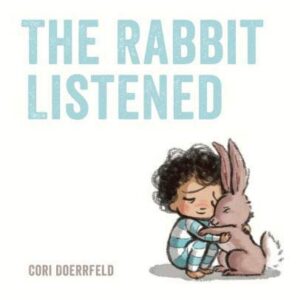
The Rabbit Listened — Cori Doerrfeld
A tender story about Taylor, a toppled tower, and one very wise rabbit who simply… listens. The quiet, steady pages model co‑regulation and emotional validation—exactly what kids crave when nighttime worries feel big.
Why it’s perfect: It normalizes big feelings and teaches a soothing script: say less, listen more, breathe together.
Perfect for: Ages 3–7; kids who need reassurance after an upsetting day or separation jitters.
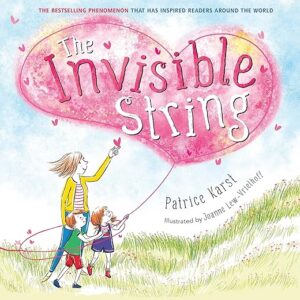
The Invisible String — Patrice Karst
When worry whispers “what if we’re apart?”, this classic offers a loving answer: a string of connection that reaches across rooms, schools, and dreams. The metaphor lands gently and sticks.
Why it’s perfect: Separation anxiety meets a concrete image kids can picture in the dark—an instant calmer.
Perfect for: Ages 4–8; first sleepovers, two‑home families, and travel nights.
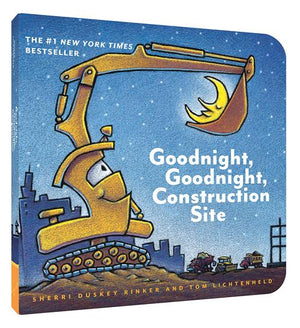
Goodnight, Goodnight, Construction Site — Sherri Duskey Rinker; illus. Tom Lichtenheld
Big trucks power down one by one in a rhyming, rhythmic tuck‑in. The predictable cadence slows breathing, and the cozy art cues “now we rest.” Board‑book durability makes it a bedtime workhorse.
Why it’s perfect: Built‑in wind‑down pacing + favorite vehicles = less resistance to lights‑out.
Perfect for: Ages 2–5; truck‑obsessed toddlers who fight sleep (and drop books).
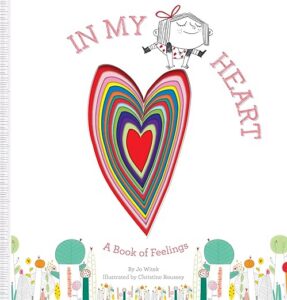
In My Heart: A Book of Feelings — Jo Witek; illus. Christine Roussey
A bright, die‑cut journey through emotions with kid‑friendly metaphors (“heavy as an elephant,” “light as a balloon”). It helps children name what’s happening in their bodies so worry loses its mystery.
Why it’s perfect: A gentle, visual vocabulary for feelings—great for pre‑sleep check‑ins and “Where do you feel it?” chats.
Perfect for: Ages 3–6; families building a feelings toolkit (non‑fiction/guide‑style picture book).
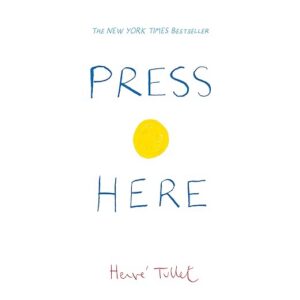
Press Here (Board Book) — Hervé Tullet
Interactive, low‑stim play—tap, press, and shake the dots—pulls attention out of worry loops. You set a playful pace that naturally slows toward the end, priming little bodies for sleep.
Why it’s perfect: Engages anxious energy without screens; kids feel in control as the “magic” follows their lead.
Perfect for: Ages 2–6; wiggly nights and a fun last book before lights‑out (interactive/novelty).
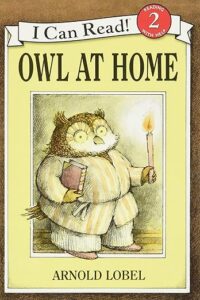
Owl at Home (I Can Read Level 2) — Arnold Lobel
Gentle, slightly silly short stories follow Owl through cozy, nighttime moments—imagining winter coming in the door, making tear‑water tea, and settling into solitude. The language is simple but rich, perfect for new readers who want independence.
Why it’s perfect: Early readers gain confidence reading aloud before bed, which often reduces anxiety and gives a sense of control.
Perfect for: Ages 5–8; early readers ready to share the bedtime “reading job.”
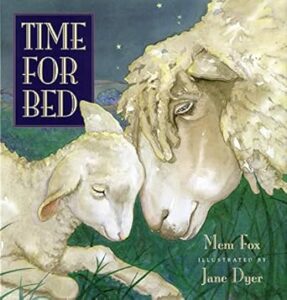
Time for Bed — Mem Fox; illus. Jane Dyer
Lilting rhyme + soft watercolors = instant exhale. Each animal is tucked in with a repeated, soothing refrain that becomes your nightly lullaby. The small board‑book trim fits tiny hands.
Why it’s perfect: Hypnotic rhythm cues slower breathing; repetition signals safety and sleep.
Perfect for: Ages 0–4; babies and toddlers who calm to cadence (board book).
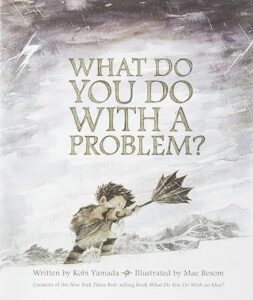
What Do You Do With a Problem? — Kobi Yamada; illus. Mae Besom
A child dodges a worry cloud until curiosity shrinks it. The art shifts from gray to golden as courage grows—an empowering reframe for “what if?” minds at bedtime.
Why it’s perfect: Turns rumination into problem‑solving; gives you language for “let’s look at it together.”
Perfect for: Ages 4–8; kids who catastrophize or loop on “what could go wrong.”
Bedtime Book Buying Tips
- Match the format: Board books for toddlers who chew, picture books for preschoolers who linger, and early readers for kids who want independence.
- Check the tone: Some kids relax with giggles; others need slow, lullaby‑like language. Buy to fit your child’s nighttime mood.
- Look for extras: Books with affirmations, breathing prompts, or built‑in rituals make bedtime smoother for everyone.
- Repeat value: The best bedtime books can be read 100+ times without either of you getting bored.
How to Make Your Own Bedtime Book (In Minutes)
Create a personalized nighttime story starring your child—no design skills required.
- Pick a theme (gentle dream journey, cozy animal bedtime, starry sky adventure).
- Choose character details (name, hair/skin tone, favorite stuffed animal).
- Select 6–10 scenes (brush teeth, cuddle time, breathing exercise, drifting to sleep).
- Add calming words or family rituals to make it personal.
- Preview and export or order prints.
Try it now: make a personalized bedtime book with Scrively—point & click simple.
Here’s the reminder you need tonight: small stories calm big worries. When bedtime feels tough, you’re not failing—you’re guiding. A single story, read with love, can be the bridge from fear to sleep. Tomorrow, your child wakes up with one more night of confidence tucked under their pillow.