When a Grown-Up Has a Bad Day: 8 Children’s Books About Grace
You snap about the shoes by the door, then see your child’s face. The shoes are hardly the whole story. There was the difficult phone call, the missed lunch, the afternoon that kept asking for more. Still, your child heard your voice. You wish you could take that moment back.
These children’s books about grown-up feelings give you somewhere to begin again. Some make room for tiredness. Others show a parent losing patience or letting a child down. Together, they offer a way to talk about grace: remembering someone’s humanity while taking their actions seriously.
Your child can understand that adults have hard days without becoming responsible for making them better. They can offer affection if they want to. They can also feel hurt, ask for space, or keep playing while you get support from another adult. Love does not require a cheerful performance.
Start with your own responsibility: “I shouted. That was unfair. I’m sorry.” Explain what you will do differently, then follow through. Never ask your child to excuse frightening behavior, keep it secret, or forgive before they are ready. If a grown-up hurts or scares them, they can tell a trusted adult and keep asking for help.
8 Children’s Books About Grown-Up Feelings and Grace
Choose a story that fits your child’s experience, and read it when everyone feels settled. The questions below are invitations for later conversation. You do not need to pause on every page or turn story time into a discussion about your own difficult day.
Ellie Jelly and the Massive Mum Meltdown by Sarah Naish
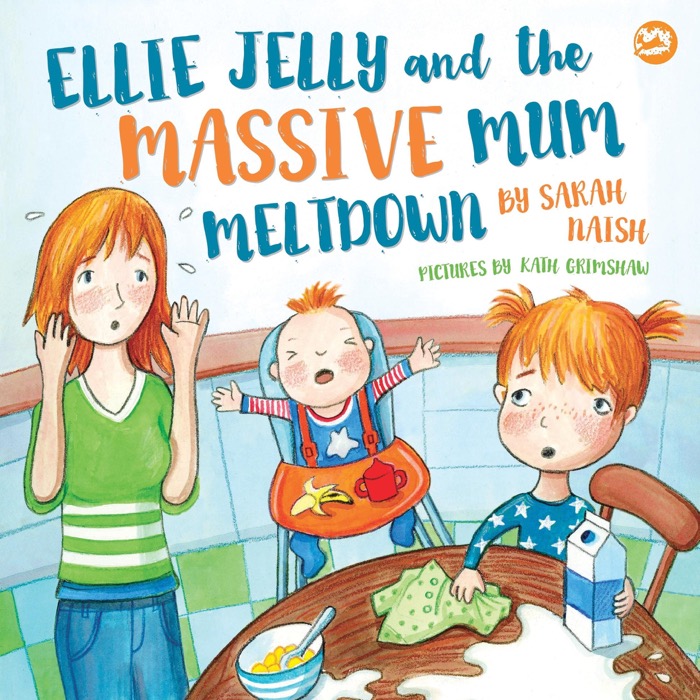
Illustrated by Kath Grimshaw, this story addresses a moment many families find hard to name. A parent shouts, and a child feels frightened. Its focus on putting things right gives you a direct opening for talking about an adult apology.
What kids notice: Ellie’s distress has a physical feeling: she becomes wobbly and feels her chest pounding. Your child may recognize that a loud voice can affect them even after the room grows quiet. Give that reaction room without asking them to minimize it.
Story snapshot: Hungry Ellie wants breakfast while Mum is busy with her little sister. When Ellie tries to manage the milk herself, it spills. Mum loses her temper, then acknowledges her mistake and tries to repair their connection.
Why this book helps: Keep your attention on what Mum must do after shouting. You might say, “Spilled milk needs cleaning. A frightened child needs reassurance.” Adults can be overwhelmed and still be responsible for their words. Your child’s forgiveness is never the price of receiving comfort or care.
Harriet, You’ll Drive Me Wild! by Mem Fox
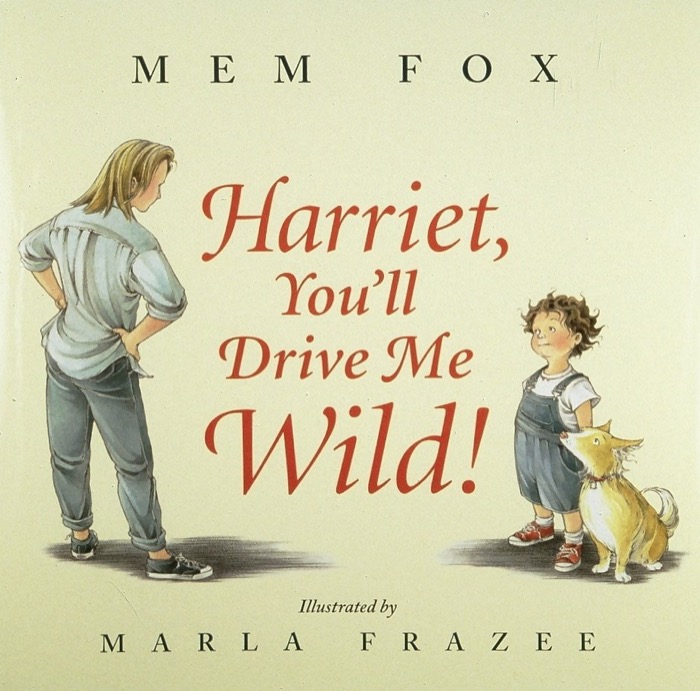
Marla Frazee illustrates Harriet’s busy day with the recognizable movement of a small child. Things go wrong, patience wears thin, and the relationship needs care. This is a useful book to preview, especially if your child finds scenes of yelling upsetting.
What kids notice: Harriet’s mishaps are the sort that can happen during ordinary play. A child may see a familiar spill or mess long before noticing the grown-up’s frustration. Follow their view of the pictures rather than rushing to explain the mother’s feelings.
Story snapshot: Harriet has a series of accidents while her mother tries to remain patient. Eventually her mother yells. Their loving relationship continues through a difficult moment, with room to acknowledge things both wish had gone differently.
Why this book helps: The title gives you something worth discussing: a child does not control an adult’s voice. Add your own clear words, “Harriet made a mess; her mother is responsible for the yelling.” Grace can leave room for a fresh start while keeping that responsibility where it belongs.
Good Night, Little Man by Daniel Bernstrom
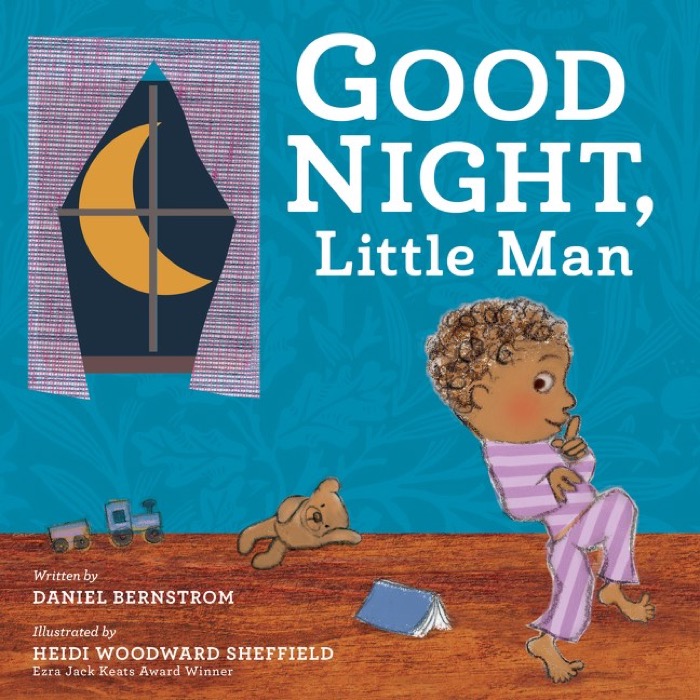
Heidi Woodward Sheffield’s textured illustrations bring a multigenerational Black family into this rhythmic bedtime story. Everyone should be winding down. Instead, a missing stuffed animal keeps the house awake, and a father’s patience runs short.
What kids notice: Sheep-Sheep matters deeply to Little Man. To an exhausted adult, a missing toy may look like one more delay. To a child, it can feel like the thing standing between them and a safe, familiar bedtime.
Story snapshot: Little Man cannot sleep without his sheep. Nana, Grandpa, and other family members become part of the search. An impatient father and a child’s big feelings complicate the night, giving the grown-up something to reflect on.
Why this book helps: Ask what Little Man needs the adults to understand. Then consider your own tired evenings: could you lower your voice, share the search, or ask another grown-up to take over? Your child gets to need reassurance even when you are tired. Repair begins when you listen to what mattered to them.
Mama Needs a Minute by Nicole Sloan
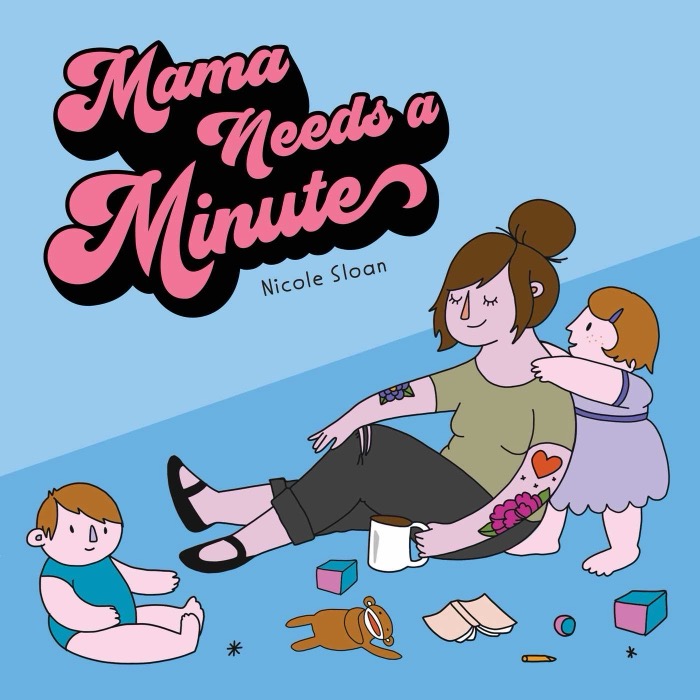
Written and illustrated by Nicole Sloan, this short board book offers an earlier stopping place in a hard day. Mama loves her children, and she also needs personal space. Those needs can exist together without anyone becoming less loved.
What kids notice: Getting dressed, taking a shower, and having a moment to recharge are ordinary parts of Mama’s day. The simple format makes the idea of a pause accessible to younger children who may hear “I need a minute” as rejection.
Story snapshot: Mama enjoys caring for her children and spending time with them. Alongside that closeness, the book makes room for the everyday moments when she needs a little space of her own.
Why this book helps: Make a pause concrete: “I’m taking a few breaths. Dad is here with you, and I’ll come back.” Adults arrange safe care and return as promised. Children can practice respecting space without having to manage alone or guess when a parent will be available again.
The Strongest Mum by Nicola Kent
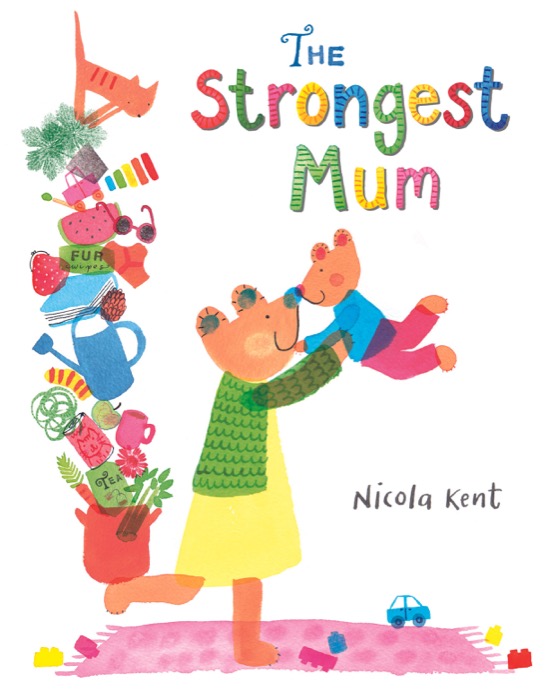
Nicola Kent writes and illustrates a bear mum who seems capable of carrying anything. Her bright animal world makes the growing load funny and visible. It also gives a child a way to notice that someone dependable can have limits.
What kids notice: The things Mum carries become wonderfully excessive, from shopping to a piano. Your child can enjoy that impossible balancing act. They may also spot how easily people keep adding things when someone always seems willing to say yes.
Story snapshot: Little Bear believes his mum is the strongest of all. She carries his things and helps other animals with theirs. Eventually she takes on more than she can manage, showing that even a strong mum becomes tired.
Why this book helps: Talk about who else could carry the piano. That question keeps the whole community in view. A child might choose a small, suitable household task, while adults share the heavier load and decide what can wait. Being helpful should leave room for being young, playful, and cared for.
The Bad Mood and the Stick by Lemony Snicket
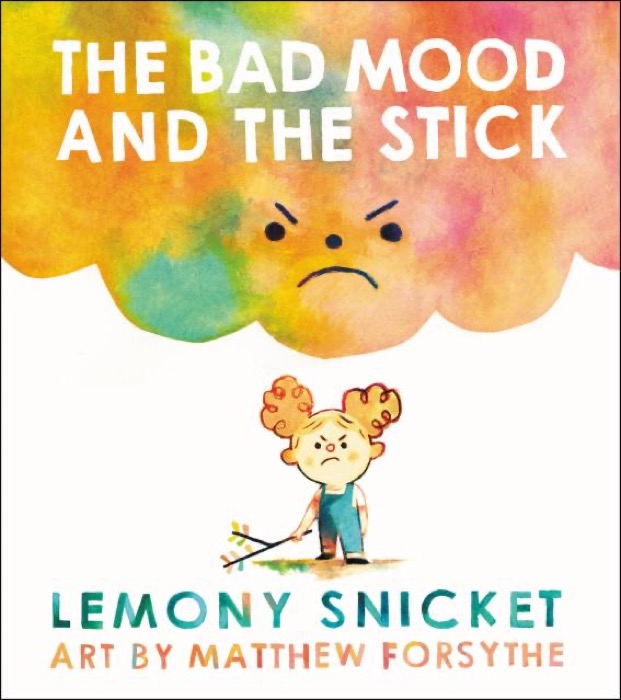
Matthew Forsythe’s illustrations give a bad mood a colorful presence. A stick follows its own journey while feelings travel between people. The playful distance can help you discuss a sour afternoon without making your child feel examined.
What kids notice: The mood moves around rather than belonging permanently to one person. That leaves space to wonder how a tense encounter affects the next one. It also separates the idea of having a difficult feeling from being a bad person.
Story snapshot: A girl named Curly begins with a bad mood, and a stick lies on the ground. As the story unfolds, the mood passes between people, bringing unexpected chances for laughter, forgiveness, and connection.
Why this book helps: Invite your child to notice a moment when someone’s mood changes. Then name your own choices: “I was upset after work. I can pause before I answer.” Your child does not have to absorb your frustration or supply the happy ending. You can interrupt the pattern yourself.
Grown-ups Never Do That by Davide Cali
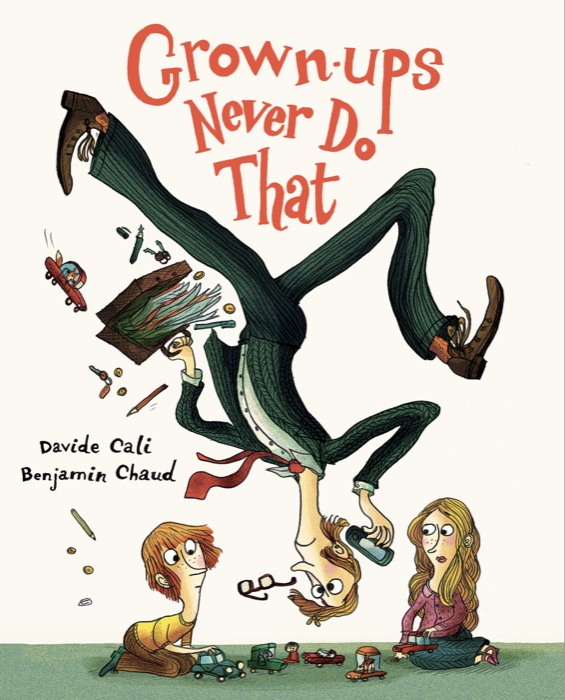
Benjamin Chaud’s expressive pictures help puncture the idea that adults always behave perfectly. This humorous book about manners invites children to spot the gap between what grown-ups claim and what they sometimes do. Expect some delighted recognition.
What kids notice: Adults have lapses too. The humor lets your child notice something true without having to make a serious accusation across the dinner table. You can laugh together and acknowledge the familiar moments you recognize in yourself.
Story snapshot: The book presents the supposedly surprising possibility that grown-ups misbehave. Forgetting chores, running late, and other ordinary lapses reveal the human beings behind the people who usually give instructions.
Why this book helps: Welcome a gentle correction without demanding equal time to list your child’s mistakes. Try, “You’re right. I ask you to wait your turn, and I interrupted.” Acknowledging a small lapse makes fairness visible. Children can extend understanding while expecting the adults around them to practice what they teach.
Isaiah Johnson and the Big Game by Esau McCaulley
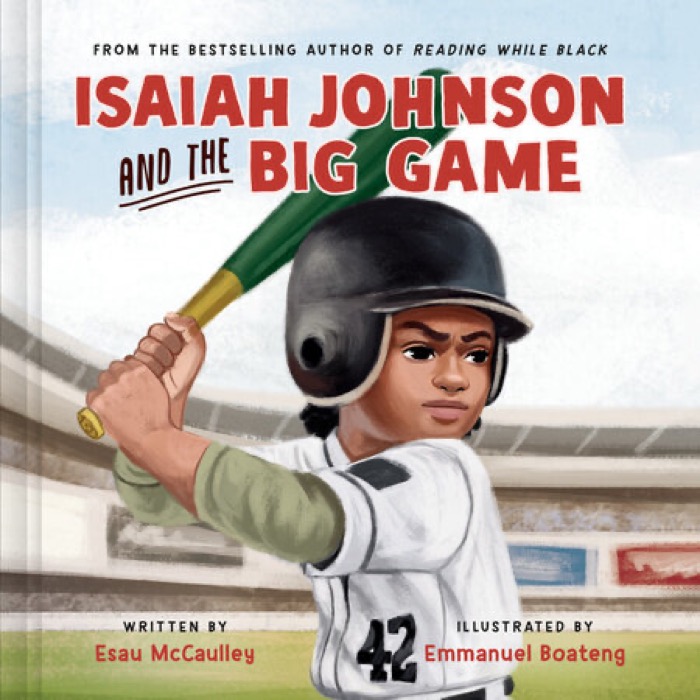
Illustrated by Emmanuel Boateng, this explicitly Christian story explores a parent’s mistake through a child’s disappointment. Families seeking a faith-based conversation about grace may appreciate its focus on a dad who needs to ask for forgiveness.
What kids notice: Isaiah looks for a particular face in the stands. Other people’s support matters, yet it does not erase his wish for Dad to be there. A child can feel grateful for the people who came and hurt about someone’s absence.
Story snapshot: Isaiah’s team reaches the baseball championships, but Dad is missing when Isaiah is up to bat. When Dad arrives and apologizes, Isaiah still feels hurt and uncertain about forgiving him.
Why this book helps: Let the uncertainty have time. An apology does not require an immediate “It’s okay.” Ask what listening and showing up differently might look like afterward. Whatever your family’s beliefs, keep forgiveness separate from pressure: your child can name disappointment and expect adults to work on rebuilding trust.
Put Your Child in the Heart of the Story
A personalized Scrively story offers another place to imagine grace. Seeing themselves inside a story can make the conversation feel close to home. Together, you might wonder how a character could offer someone a fresh start while still saying, “That hurt my feelings.”
Let your child imagine a grown-up who listens, says sorry, and gets help when needed. Their character might choose a hug, ask for quiet, or return to building a tower. Each response can belong in a loving family. The child does not have to rescue the adult for the story to move forward.
A Fresh Start You Can Show
After a hard moment, your next small action matters. Sit nearby. Listen without defending yourself. Make the change you promised. Your child can see that grace leaves room for an imperfect person who keeps taking responsibility. And they can remain exactly who they are: a child who deserves steady love, including on your difficult days.