Before You Pass the Story Along: 8 Children’s Books About Rumors
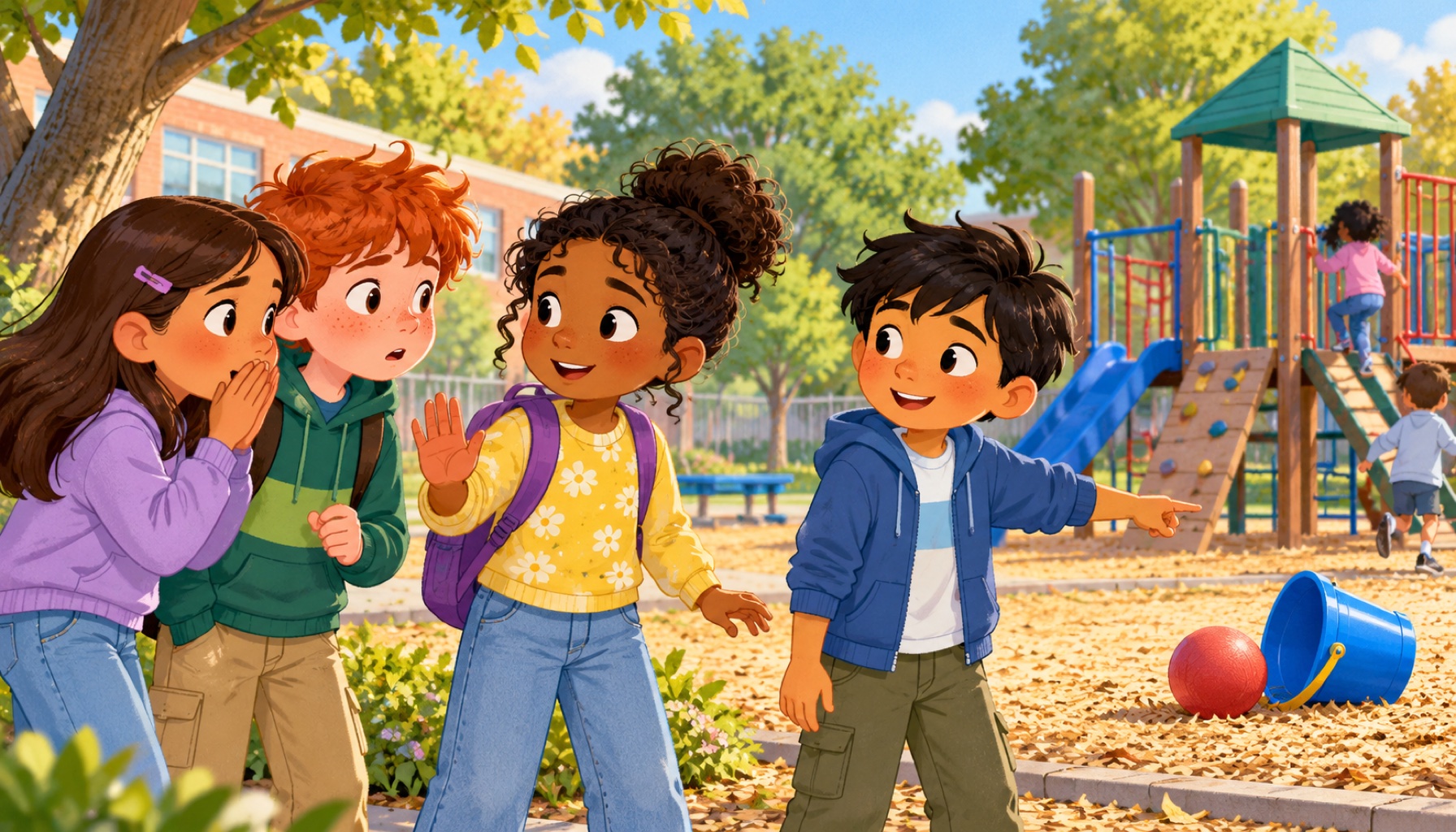
Your child climbs into the car with a story already halfway out of their mouth. Someone stole something. Someone is getting expelled. Someone’s parents are splitting up. By the time the seat belt clicks, a playground guess has begun to sound like a fact.
You want to listen without becoming the next person who passes it along. These children’s books about rumors offer a gentle place to practice that pause. They give you something to talk about before a real classmate’s name is caught in the middle.
Discernment begins with small questions: What did you actually see? What did someone tell you? What part are you filling in? Your child can care about a friend’s feelings while admitting they do not yet know what happened. You can model that same patience when an interesting story reaches you.
Checking a claim should never become a reason to hide a worry about safety. If someone might be hurt, threatened, or unsafe, help your child tell a trusted adult promptly, even when details are unclear. The pause belongs before spreading a story around the playground, not before asking for help.
Children’s Books About Rumors, Assumptions, and Checking the Story
Some of these stories tackle gossip directly. Others use scrambled messages, frightened animals, or an unreliable storyteller to make careful listening fun. Choose one that suits your child, enjoy it together, and let a question arise from the pictures rather than turning every page into a lesson.
The Rumor by Anushka Ravishankar
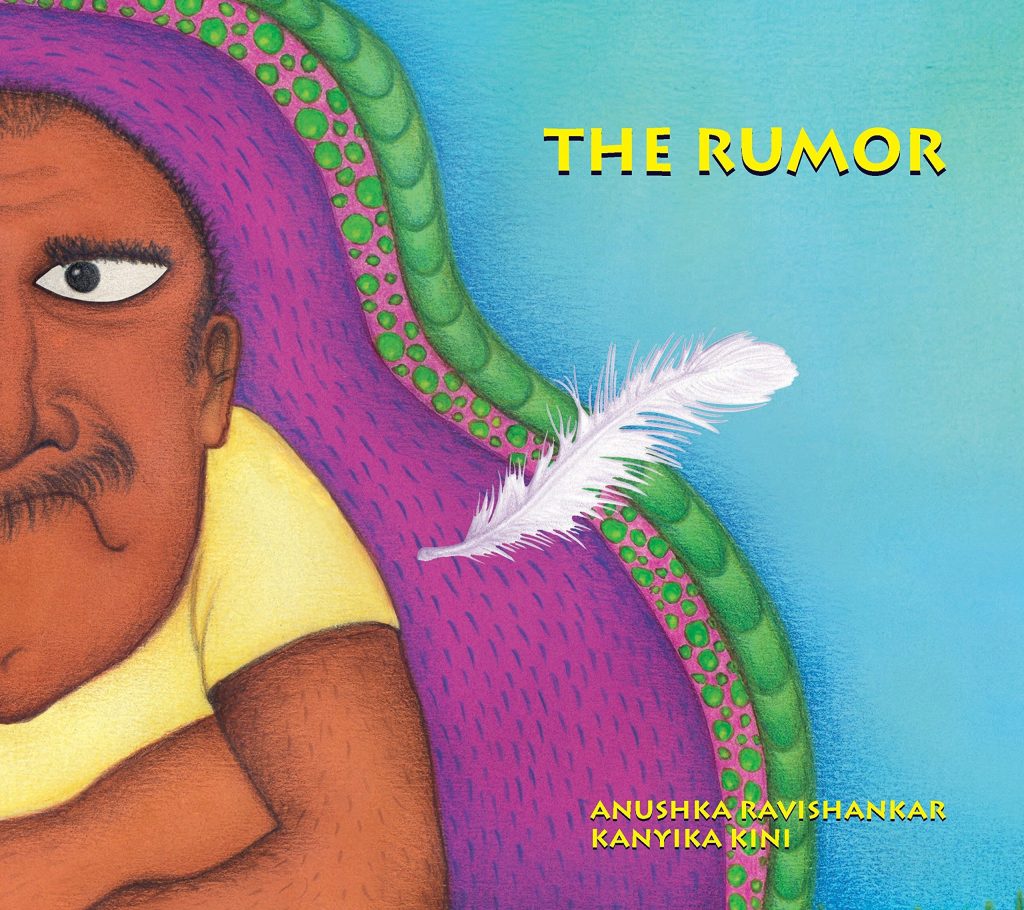 A surprising little event can become a very large story when everyone adds something. Set in the Indian village of Baddbaddpur, this playful book makes that growth wonderfully visible. Kanyika Kini’s colorful illustrations give the telling plenty of energy.
You can enjoy the absurdity without asking your child to identify a villain. The useful question is simpler: where did the story begin, and how far has it traveled from there?
What kids notice: Each retelling becomes bigger and stranger. Children can listen for the moment when a detail stops belonging to the original event and starts belonging to someone’s imagination.
Story snapshot: Pandurang coughs up a feather. As people pass the news around the village, the account grows into something increasingly extraordinary.
Why this book helps: It separates an event from the versions built around it. After reading, try retelling one ordinary moment from your day accurately together. Ask which details you know and which would make an entertaining invention.
Telephone by Mac Barnett
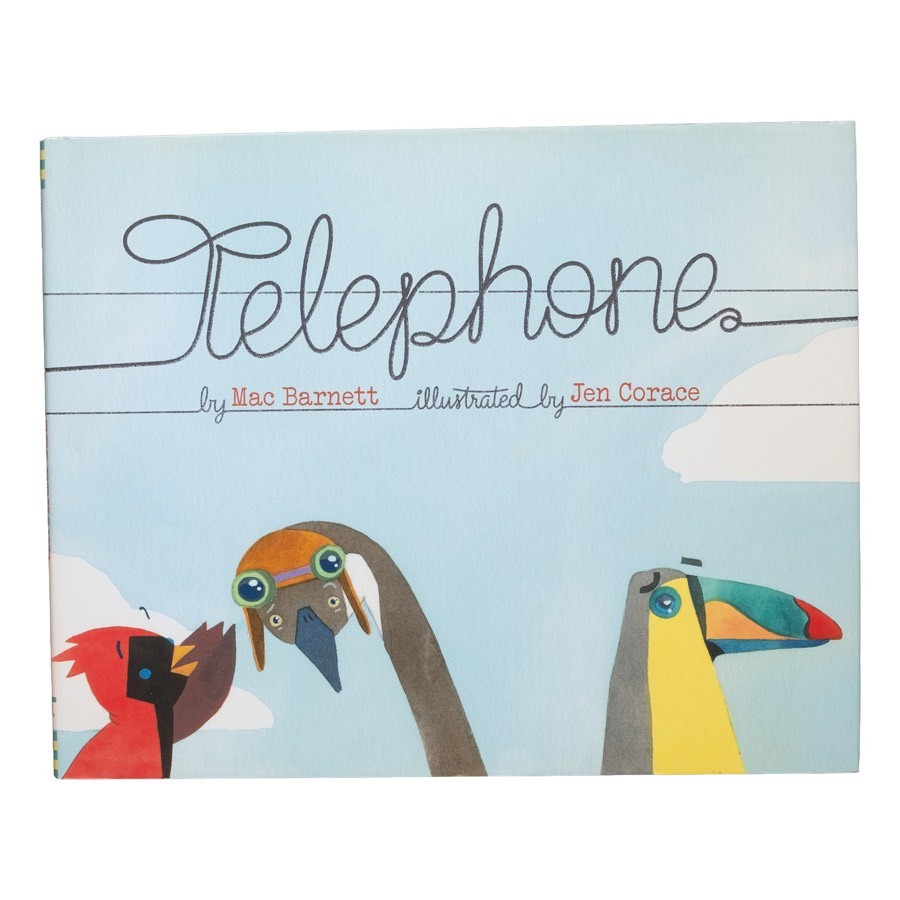 Sometimes a message changes because listeners hear what interests them. This cheerful bird-filled story, illustrated by Jen Corace, gives that familiar experience a funny shape. A simple request becomes harder to recognize as it moves down the line.
It is a light choice when you want to practice careful listening without beginning with hurt feelings. Your child gets to spot the muddle from a comfortable distance.
What kids notice: The birds have different interests and personalities. Children can look at the pictures for clues about why a particular bird might hear a message in its own unusual way.
Story snapshot: A mother bird wants Peter to come home for dinner. She sends the message along a telephone wire, where passing it from bird to bird produces increasingly mixed-up results.
Why this book helps: It shows why a confident retelling may still be inaccurate. Practice asking someone to repeat a message, or going back to its original speaker. Checking can be ordinary and friendly.
Trouble Talk by Trudy Ludwig
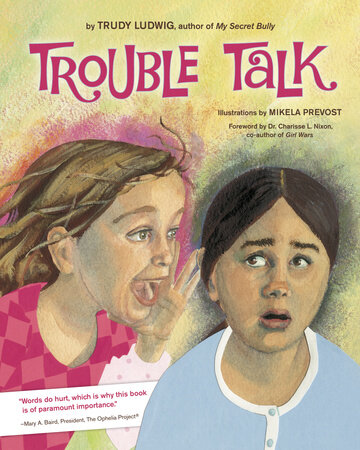 For a school-age child, gossip can feel like a quick way to belong. Someone lets you in on a secret, and suddenly you are part of the circle. This story takes that pull seriously while showing its painful cost.
Mikela Prevost’s illustrations help bring the friendship worries into view. Read it when you have time to listen afterward, especially if your child has been caught between friends.
What kids notice: Talk that seems funny to one child can leave another child uncomfortable. Invite your child to notice those changing feelings before deciding what anyone should do.
Story snapshot: Maya initially enjoys her friend Bailey’s chatter. When Bailey’s gossip leads to rumors and hurt feelings, Maya rethinks the friendship and receives help from the school counselor.
Why this book helps: It opens a conversation about refusing an invitation to gossip. Rehearse a short response your child could actually use: “I don’t know if that’s true. Let’s talk about something else.”
Mr. Peabody’s Apples by Madonna
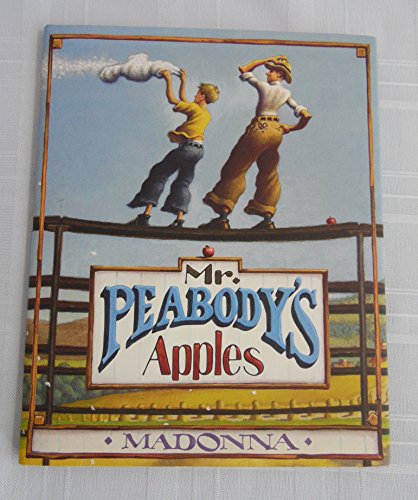 Seeing something happen does not always mean understanding it. This baseball story gives you a clear example of a child observing an action correctly and interpreting it incorrectly. Loren Long’s illustrations create an old-fashioned small-town setting.
Adapted from a Jewish teaching story associated with the Baal Shem Tov, it invites a thoughtful discussion about the damage words can leave behind.
What kids notice: Mr. Peabody’s reputation changes when a story spreads. Children can consider how it might feel to have other people decide who you are without asking you a question.
Story snapshot: Tommy sees his coach take an apple without handing over money and assumes theft. The missing information is that Mr. Peabody has already paid. The resulting rumor hurts his standing in the town.
Why this book helps: It gives you a concrete distinction between observation and accusation. Ask, “What did Tommy see? What did he decide it meant?” Then discuss how to correct a false story with the people who heard it.
Chicken Little by Rebecca Emberley and Ed Emberley
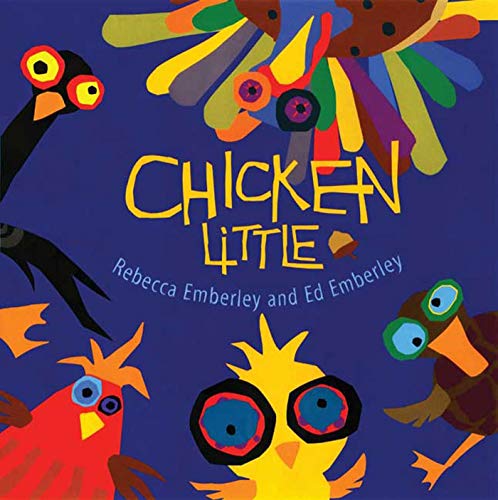 Urgent voices can make it difficult to stop and think. The Emberleys’ bright, noisy retelling gives that rush a comic rhythm. Its boldly colored birds seem swept along by their own alarm.
This version includes a fox and a scene involving his mouth, so consider your child’s comfort with traditional fairy-tale peril. You can preview it first if such moments tend to linger at bedtime.
What kids notice: One frightened bird soon has company. The growing crowd can make the danger feel more convincing, even though the followers have not checked the original claim.
Story snapshot: An acorn hits Chicken Little, who concludes that the sky is falling. Other birds join the panicked journey, and the group encounters a fox.
Why this book helps: It lets you distinguish an alarming feeling from evidence about its cause. Ask what the birds could check together. At home, offer a calm first step when a frightening claim arrives: “Let’s find out where that came from.”
Don’t Trust Fish by Neil Sharpson
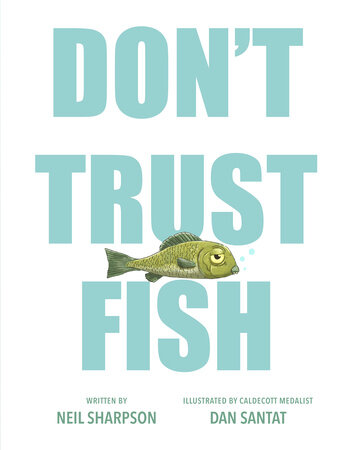 A serious-sounding explanation can become ridiculous without losing its confident voice. This comic picture book, illustrated by Dan Santat, lets children hear that change for themselves. Read the escalating warnings with a straight face and give your child room to object.
The joke works best when you share it. Make clear that this is a deliberately silly story about suspicion, rather than advice about actual fish.
What kids notice: The claims become increasingly unreasonable. Children may recognize that strange behavior, unfamiliar habits, and dramatic language do not add up to proof of wrongdoing.
Story snapshot: What begins like a guide to animals turns into an increasingly frantic warning about fish, including suspicious questions about what happens in their schools.
Why this book helps: It encourages your child to ask what supports a claim. Try asking, “Did the storyteller show us a reason, or just make that sound scary?” That question can travel back to everyday playground talk.
The Great AAA-OOO! by Jonny Lambert
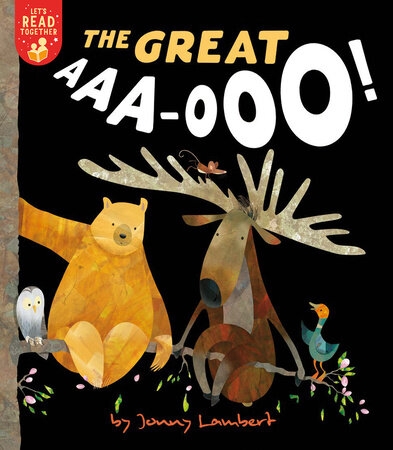 A mysterious sound leaves plenty of room for imagination. Jonny Lambert’s woodland animals fill that space with worry, making this an inviting choice for younger listeners who enjoy a dramatic read-aloud.
You can pause at the sound and wonder alongside your child. Keep your own guesses tentative, so they hear an adult being curious without pretending to know.
What kids notice: The animals share their fear as the group grows. Their reactions offer a chance to notice how someone else’s alarm can become your alarm, too.
Story snapshot: Mouse hears a loud noise on the way home through the woods. Owl, Bear, Moose, Duck, and other animals become involved as they wonder whether a monster is responsible.
Why this book helps: It makes the difference between hearing something and knowing its source easy to discuss. Ask, “What do they know so far?” Your child can name the sound while leaving its explanation open.
The Wolf’s Story by Toby Forward
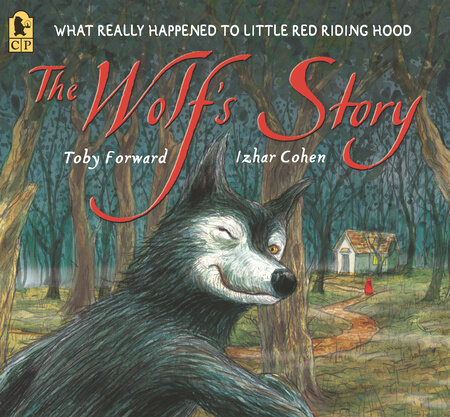 Listening to another version of events is useful. Believing it automatically is a different matter. This twist on Little Red Riding Hood, illustrated by Izhar Cohen, makes room for that important second thought.
Choose it for a child who knows the traditional tale and enjoys spotting clues. The familiar wolf and menacing moments may be better suited to children comfortable with fairy-tale suspense.
What kids notice: The pictures offer clues worth comparing with the wolf’s explanation. Children get to decide whether the smooth account matches what they can see.
Story snapshot: The wolf presents himself as Grandma’s helpful worker and offers his own explanation of the familiar encounter with Little Red Riding Hood.
Why this book helps: It encourages listening without surrendering judgment. Ask which parts of the wolf’s account your child finds convincing, and why. They can remain uncertain instead of choosing a side simply because someone tells a good story.
Put Your Child in the Heart of the Story
With Scrively, you can explore a personalized story in which your child becomes the person who pauses to ask a kind question. Perhaps a missing playground treasure leads everyone to blame a newcomer, until your child notices a clue that changes the conversation.
Keep the imagined hero human. They can feel tempted to repeat the exciting version, ask for help, and discover they were mistaken. Seeing their own name inside that choice can make the conversation feel personal. Afterward, invite your child to imagine what the characters might say to put things right.
A Small Pause Can Protect a Friendship
Your child will sometimes repeat something too quickly. So will you. When it happens, you can show them how to return to the conversation: “I passed that along before I knew. I need to correct it.”
You do not need to make your child suspicious of everyone. Help them become someone who listens warmly, asks carefully, and knows when to seek adult support. A simple “I’m not sure yet” can give the truth room to arrive—and give another person a fair chance to be understood.