When “Mine!” Becomes “My Responsibility”: Books That Teach Stewardship
You know the exact sound. It is the sharp, plastic crunch of a beloved toy breaking right under your foot.
Consequently, you let out a long sigh as you survey the living room. Toys are scattered, library books are bent, and markers are missing their caps.
For instance, you might wonder why your child begs for a new toy, only to leave it outside in the rain a week later. However, this is not a sign of malice or deliberate destruction.
Most importantly, children are still developing the cognitive link between “I love this” and “I need to take care of this”. They simply do not understand the long-term consequences of neglect yet.
Furthermore, shifting from being constantly “cared for” to taking active ownership of one’s space and duties is a massive developmental leap. It requires teaching kids to value, organize, and respect both personal belongings and shared community items.
Therefore, we cannot just demand that they clean up. We have to teach them the beautiful, quiet virtue of stewardship.
Above all, stewardship turns a mundane chore into a point of personal pride. Let’s look at the stories that help make that mental shift happen.
1. Pigsty by Mark Teague
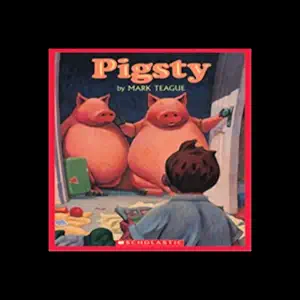
This classic book is an absolute treasure for parents tired of nagging. Furthermore, it brilliantly illustrates the natural consequences of letting a mess spiral out of control.
Instead of a parent yelling, the environment itself becomes the teacher. Consequently, the child reader gets to see the chaos unfold from a safe, hilarious distance.
What kids notice: The incredibly funny, highly detailed illustrations of actual pigs moving into a messy bedroom.
Story snapshot: Wendell Fultz decides his room is a mess, and he completely embraces it. However, when actual pigs start moving in and taking over his space, he realizes that living in a pigsty isn’t actually fun at all.
Why this book helps: This story perfectly visualizes the natural consequences of ignoring your belongings. Most importantly, it empowers the child to see the value of a clean space without relying on a parent’s lecture.
Furthermore, it shows that cleaning up is a choice we make for our own comfort. Consequently, children begin to view room-cleaning as an act of self-care rather than a punishment.
2. What If Everybody Did That? by Ellen Javernick
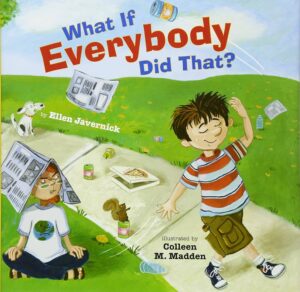
Teaching kids to respect shared community items can be incredibly tricky. For instance, one dropped wrapper or one left-out toy seems harmless to a child.
However, this brilliant book scales up those small actions so children can see the big picture. Therefore, it is a masterclass in community stewardship.
What kids notice: The funny, exaggerated scenarios of what happens when everyone makes the same bad choice.
Story snapshot: A young boy makes small, seemingly harmless choices, like dropping a piece of trash or speaking out of turn. Consequently, the adults around him ask, “What if everybody did that?” to show the chaotic results.
Why this book helps: It brilliantly bridges the gap between individual actions and community impact. Furthermore, it helps children understand why we must care for public spaces, library books, and shared toys.
Most importantly, it removes the abstract nature of “the rules.” Children suddenly understand that taking care of things is how we keep the whole world running smoothly.
3. Llama Llama Mess, Mess, Mess by Anna Dewdney
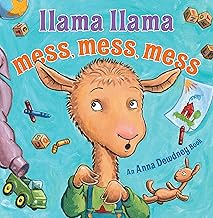
Sometimes, the biggest barrier to cleaning up is simply feeling overwhelmed. Consequently, little Llama represents every child who wants to play but hates the aftermath.
Furthermore, Mama Llama’s gentle but firm guidance provides a great script for parents. It shows that we are all responsible for the messes we make.
What kids notice: The familiar, bouncy rhymes and Llama’s highly expressive, frustrated face.
Story snapshot: Llama Llama makes a massive mess in his room and refuses to clean it up. Therefore, Mama Llama decides to stop doing her chores too, showing him what happens when nobody takes care of the house.
Why this book helps: This book highlights that taking care of belongings is a shared family effort. Most importantly, it breaks down the overwhelming feeling of a messy room into manageable steps.
Furthermore, Mama Llama models a beautiful balance of empathy and firm boundaries. Consequently, children learn that cleaning is just a normal, expected part of the daily rhythm.
4. How Do Dinosaurs Clean Their Rooms? by Jane Yolen
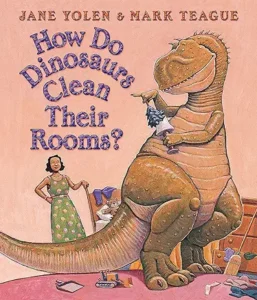
Humor is often the best tool for teaching daily habits. For instance, watching a massive dinosaur try to sweep a tiny floor is instantly engaging.
However, beneath the laughs, this book outlines the exact steps needed to tidy a space. Therefore, it serves as a wonderful, simple manual for young toddlers.
What kids notice: The giant, colorful dinosaurs doing everyday human chores.
Story snapshot: Massive dinosaurs demonstrate the wrong ways and the right ways to clean a bedroom. Consequently, they show how to toss laundry in the basket and put toys on the shelf.
Why this book helps: It clearly defines what “clean your room” actually means. Most importantly, it breaks a complex task into tiny, easy-to-understand actions.
Furthermore, the silly nature of the dinosaurs diffuses the tension that usually surrounds chore time. Children learn that taking care of their things can actually be quite simple.
5. The Berenstain Bears and the Messy Room by Stan & Jan Berenstain
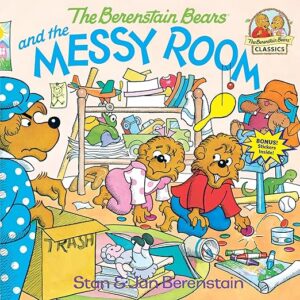
Sibling shared spaces are ground zero for arguments about messes. Consequently, this classic story perfectly captures the frustration of a cluttered, shared environment.
Furthermore, it focuses heavily on creating systems and finding a place for everything. Therefore, it is highly practical for families struggling with toy organization.
What kids notice: The huge argument between Brother and Sister, and Mama Bear’s ultimate frustration.
Story snapshot: Brother and Sister Bear let their shared room become an absolute disaster zone. However, with Papa Bear’s help, they build organizers and learn that having a designated spot for toys makes life easier.
Why this book helps: It introduces the concept of organization rather than just mindless cleaning. Most importantly, it teaches children to value, organize, and respect personal belongings.
Furthermore, it shows that creating systems prevents future fights. Consequently, it promotes harmony and stewardship simultaneously.
6. Too Many Toys by David Shannon
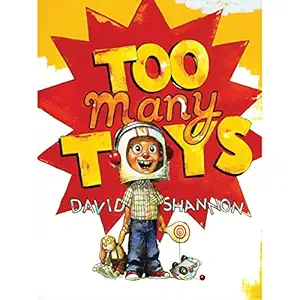
Sometimes, children do not take care of their things because they simply have too many of them. For instance, it is impossible to value a toy when it is buried under a mountain of others.
However, this book gently addresses the modern problem of excess. Therefore, it is a great starting point for seasonal decluttering.
What kids notice: The ridiculous, towering piles of toys that fill the main character’s entire house.
Story snapshot: Spencer has so many toys that they are overflowing into every room, becoming a hazard. Consequently, his mother makes him sort through them to give some away, which proves incredibly difficult.
Why this book helps: It tackles the emotional difficulty of letting things go. Furthermore, it helps kids realize that having fewer things makes it easier to care for what you truly love.
Most importantly, it plants the seed of generosity alongside stewardship. Children learn that passing a toy on is a wonderful way to respect it.
7. Just a Mess by Mercer Mayer
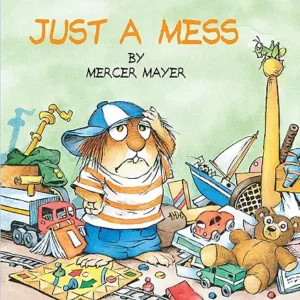
Little Critter is the ultimate relatable protagonist for young children. Consequently, his struggle to find a lost item resonates deeply with kids.
Furthermore, it highlights the most direct benefit of stewardship: being able to find what you want! Therefore, the motivation to clean becomes completely internal.
What kids notice: Little Critter tossing everything out of his closet and the funny little spider in the background.
Story snapshot: Little Critter wants to play with his baseball mitt, but his room is a total disaster. However, after searching everywhere and making a bigger mess, he realizes he must clean up to find it.
Why this book helps: It directly connects the action of cleaning to a positive personal reward. Most importantly, it shows that taking care of your things means those things will be ready when you need them.
Furthermore, it validates the frustration of losing something you love. Consequently, kids learn that organization prevents future sadness.
8. Michael Recycle by Ellie Bethel
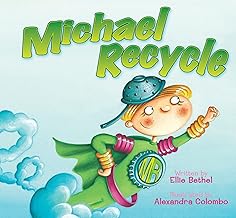
Stewardship extends far beyond the four walls of a bedroom. For instance, we must also teach children to respect the shared community items and the earth itself.
However, big concepts like environmentalism can feel heavy. Therefore, framing it as a superhero story makes the lesson exciting and accessible.
What kids notice: The cool superhero cape made out of recycled materials.
Story snapshot: A superhero named Michael Recycle visits a lazy, messy town and teaches them how to clean up their act. Consequently, the townspeople learn to recycle, reuse, and respect their shared environment.
Why this book helps: It expands the virtue of stewardship to a global scale. Most importantly, it teaches children to value and respect shared community spaces.
Furthermore, it empowers kids to be active helpers in their neighborhoods. They learn that caring for the earth is the ultimate form of responsibility.
Put Your Child in the Heart of the Story
Sometimes, the best way to help a child process a big emotion or learn a new habit is to make them the hero. Furthermore, when children see themselves succeeding on the page, they believe they can succeed in real life.
Consequently, Scrively allows parents to create 100% custom kid’s books to help their child navigate specific emotional challenges. For instance, you can create a story where your child is the hero who organizes their very own magical toy kingdom.
Most importantly, these personalized stories make abstract virtues like stewardship feel deeply personal. Visit the Scrively homepage today to build a custom book in minutes!
Building a Foundation of Care
Teaching a child to care for their belongings is a slow, steady journey. However, every time you guide them to put a book back on the shelf gently, you are building character.
Furthermore, you are shifting them from being cared for to taking active ownership of their world. Consequently, they will grow into adults who respect their environment and the people in it.
Above all, remember to celebrate the small victories. Most importantly, keep reading, keep modeling care, and watch your beautiful child grow.