
The Green-Eyed Monster in the Playroom: Books That Help Kids Trade Envy for Contentment
You notice it in the sudden shift of the room’s temperature.
It happens right there on the living room rug. Your child’s eyes lock onto a friend’s shiny new toy. Or, maybe the final whistle blows and they do not win the game. Consequently, the laughter stops.
The shoulders drop. Sometimes, it looks like a quiet, stormy withdrawal. Other times, it shows up as a sharp shout that the game was unfair anyway. Above all, it is jealousy. It arrives uninvited. As a result, it turns a peaceful afternoon into an emotional minefield.
As parents, our first instinct is to correct the behavior. We try to offer a quick, logical fix. For instance, we tell them they have plenty of lovely toys at home. We remind them that winning isn’t everything.
However, logic feels like a closed door to a child. They are feeling the heavy weight of envy. They do not need to hear that their feelings are wrong. Instead, they need to understand what those feelings actually are.
Jealousy is a big, hot, uncomfortable emotion. It catches children by surprise. Ultimately, it leaves them feeling disconnected and deeply unsatisfied. That is exactly where stories step in to help.
Books do the heavy lifting that our lectures cannot. When we read a picture book together, we create a safe, neutral space.
Therefore, the green-eyed monster can be examined from a comfortable distance.
Your child can watch a character wrestle with the exact same envy they felt today. Furthermore, they can do this without feeling judged or scolded. Through narrative, children learn that envy is perfectly normal.
Most importantly, they discover how to move past it toward genuine contentment. We curated eight beautiful picture books that address jealousy and envy. These stories do not minimize the sting of losing.
Instead, they offer a gentle roadmap back to inner peace. They help your child see an important truth. Another person’s success simply does not diminish their own joy.
The Contentment Crate: Stories to Help Navigate Envy
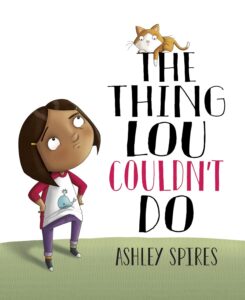
The Thing Lou Couldn’t Do by Ashley Spires
There is a very unique kind of envy. It bubbles up when friends master a new physical skill. Meanwhile, your child feels stuck on the ground.
Ashley Spires captures this struggle with amazing warmth and humor. We meet a brave little girl named Lou. She faces a challenge that feels totally impossible.
Because of this, the book feels incredibly grounded in everyday childhood play. It speaks directly to any child who hides behind excuses. They do this rather than admit they are afraid to fail.
What kids notice: They see Lou looking small and frustrated. At the same time, her friends hang out high up in a tree, looking completely happy.
Story snapshot: Lou and her friends love playing together. However, one afternoon, the game moves up into a tree.
Lou has never climbed a tree. Therefore, she watches her friends scramble up and feels a heavy wave of discomfort. She makes up funny excuses to avoid climbing.
For example, she says her boots are too muddy. The thought of failing in front of everyone is just too much. Eventually, she finds the courage to try. She stumbles, but she learns to accept her own journey.
Why this book helps: This story dismantles a destructive habit. Most importantly, it stops kids from comparing their fears with everyone else’s highlight reel.
Furthermore, it shows children that a friend’s achievement does not take away their own worth. It builds contentment by focusing on personal progress instead of winning.
Carmela Full of Wishes by Matt de la Peña
Envy is not always about toys or games. Sometimes it comes from looking at an older sibling.
A younger child sees that freedom and wants it right now. Matt de la Peña writes a visually stunning narrative to address this exact feeling. He sets the story in a vibrant neighborhood.
Furthermore, he honors the deep internal world of a young girl. The prose moves with a beautiful rhythm. Consequently, it shows how paying attention to our surroundings can change envy into deep appreciation.
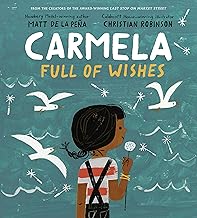
What kids notice: The artwork is filled with rich textures and bright colors. Beautiful papercut designs make the neighborhood streets feel magical.
Story snapshot: It is finally Carmela’s birthday. She is finally old enough to join her big brother on errands.
She follows him past the laundromat and the busy bodegas. However, she struggles because his world feels much bigger and more exciting than hers.
Then, she picks up a dandelion from the pavement. Her brother says she needs a good wish before blowing it.
As a result, she spends the journey looking closely at the people around her. She moves past her own envious wishes and discovers a deep wish rooted in family.
Why this book helps: This narrative provides a powerful shift in perspective.
Specifically, it guides children away from instant gratification. It encourages kids to look beyond superficial desires.
True contentment does not come from gathering things. Instead, it comes from appreciating our deep connections to family.
Lulu’s Mysterious Mission by Judith Viorst
The arrival of a babysitter can trigger fierce jealousy. A child is used to being the center of attention.
Suddenly, they feel replaced. Judith Viorst handles this classic emotional conflict perfectly. She blends high-energy comedy with deep emotional truth.
Children see their own stubborn resistance in a hilarious character. The storytelling is wonderfully direct. Above all, it is totally honest about how uncomfortable it feels to lose control of your own space.
What kids notice: Lulu makes hilarious, exaggerated angry faces. Her elaborate schemes to annoy her new babysitter stand out on every single page.
Story snapshot: Lulu’s parents are going on a vacation. They leave her with a professional babysitter named Ms. Sonia.
Lulu is absolutely furious and thinks this is a terrible injustice. Therefore, she is determined to stay independent by refusing to cooperate. She throws tantrums and breaks rules.
She treats Ms. Sonia with intense suspicion. However, Ms. Sonia stays completely calm. She uses mysterious tricks and respects Lulu’s boundaries. Slowly, a fierce battle of wills turns into a joyful partnership.
Why this book helps: This book helps children handle the prickly envy of changing routines.
It proves that new people do not threaten their safety. Furthermore, it guides kids toward contentment. It shows them that opening their heart to a new relationship expands their world.
Each Kindness by Jacqueline Woodson
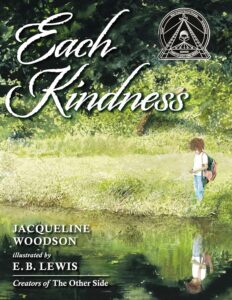
Sometimes envy looks like icy social exclusion. Children protect their own status by shutting out a newcomer.
Jacqueline Woodson writes with an aching, poetic beauty about this dynamic. She does not shy away from the real consequences of our choices. This book offers a profound look at a missed opportunity for connection.
It is a quiet masterpiece. Because of this, it challenges readers to examine how they treat others when they feel unsure of themselves.
What kids notice: They see a stark visual contrast. Maya wears old, worn clothing. Meanwhile, the other children wear bright, comfortable winter gear.
Story snapshot: A new girl named Maya joins Chloe’s classroom. She wears broken shoes and ragged clothes.
Maya repeatedly tries to invite Chloe and her friends to play. For instance, she offers a handful of old jacks.
But each time, she is met with cold shoulders.
When Maya suddenly moves away, the teacher shares a powerful lesson. She drops a pebble into water to show how kindness ripples outward. Consequently, Chloe is left with a heavy, regretful heart.
Why this book helps: This story addresses the dark side of social comparison. It shows how easily we hurt others when we value things over people. Most importantly, it is a profound call to contentment. It helps kids recognize that kindness is the ultimate currency.
Truman by Jean Reidy
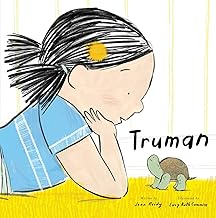
The quiet members of our families feel envy, too. They watch the big, fast-paced world move on without them.
Jean Reidy brings this gentle truth to life. She tells the story through a tiny, devoted tortoise. He must learn to handle a massive disruption in his peaceful routine.
The narrative is extraordinarily sweet. It provides a comforting metaphor for managing anxiety. Ultimately, it helps kids who feel left behind when others go off to achieve big things.
What kids notice: Truman looks incredibly small against the massive apartment. Yet, his determined little face shows he has a very brave heart.
Story snapshot: Truman the tortoise lives a perfectly contented life. He lives with his favorite human, Sarah.
One morning, Sarah puts on a large backpack. She boards the number 38 bus to a mysterious place called school.
Truman waits for hours and feels a growing sense of envy. She is out there experiencing a giant world he cannot see. However, overcome by love, he leaves his tank. He embarks on an epic journey across the rug to find her.
Why this book helps: This gentle book helps children process separation anxiety.
It validates the envy of watching siblings head off to school. Furthermore, it nurtures contentment. It beautifully demonstrates that our loved ones always return to share their experiences.
The Recess Queen by Alexis O’Neill
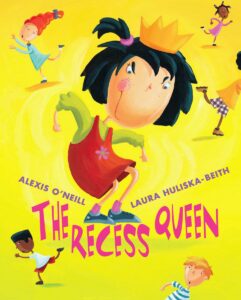
Playground dynamics are often fueled by competitive envy. Kids want control, power, and the right to dictate the game.
Alexis O’Neill tackles playground bullying with a bouncy, rhythmic text. This style makes complex social structures easy for children to understand.
The book moves with an energetic momentum. It transforms a stressful social conflict into an empowering story. Therefore, it shows the true power of a simple, inclusive invitation.
What kids notice: The bright cartoon style makes Mean Jean look explosive with anger. Meanwhile, tiny Katie Sue looks completely calm and unbothered.
Story snapshot: Mean Jean rules the recess yard. No one kicks or swings until she has her turn.
The other children live in constant fear of her temper. Then, a tiny new girl named Katie Sue arrives.
She is completely unaware of the playground hierarchy. She starts jumping rope with total joy. Instead of acting intimidated, Katie Sue does something revolutionary.
She hands Jean a jump rope and invites her to play. Consequently, this breaks the cycle of fear completely.
Why this book helps: This story unmasks bullying. It shows that bossy behavior often stems from a deep envy of other people’s genuine joy.
It teaches kids that control is a poor substitute for real friendship. Most importantly, it fosters contentment by showing that sharing power creates a happier playground.
A Bike Like Sergio’s by Maribeth Boelts
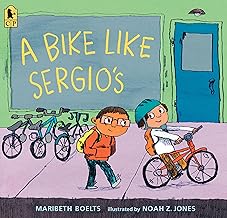
Wanting something your family cannot afford is incredibly painful. It is a very complex form of envy for a child.
Maribeth Boelts writes with unflinching honesty and immense tenderness about this topic. She introduces a boy named Ruben. He is caught between wanting to fit in and doing what is right.
The story avoids easy, magical solutions. It stays grounded in real economic realities. As a result, this makes the ultimate triumph of integrity feel profoundly beautiful.
What kids notice: Ruben’s face shows a clear, heavy internal struggle. It happens every time he touches the money or watches Sergio ride his bike.
Story snapshot: Ruben desperately wants a bicycle like his friend Sergio’s. But his family’s budget only covers necessities like groceries.
One afternoon at the store, a woman accidentally drops a hundred-dollar bill. Ruben quickly scoops it up.
He tucks it into his pocket with a racing heart. For days, he carries the secret money and dreams of a shiny bike. However, the choice presses heavily on his conscience.
He returns to the store and sees the woman distressed over her lost money. Ultimately, Ruben chooses to return it.
Why this book helps: This masterpiece tackles the intersection of envy and honesty.
It provides a gentle opening to discuss financial differences with your children. Furthermore, it cultivates the virtue of contentment. It proves that doing the right thing brings a deep, lasting peace.
The Girl Who Never Made Mistakes by Mark Pett
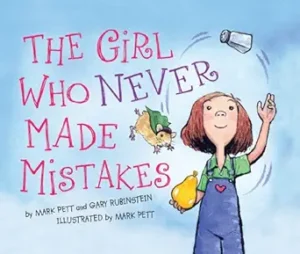
Envy can often twist inward. It creates a toxic perfectionism.
A child becomes intensely jealous of anyone who seems to glide through life flawlessly. Mark Pett creates a delightful, reassuring world to combat this. His main character’s identity is wrapped up in being completely perfect.
Many modern children carry this heavy burden every day. The storytelling is lighthearted yet insightful. Therefore, it offers a powerful visual metaphor for the freedom of letting go.
What kids notice: Beatrice looks incredibly tense and worried as she balances objects. At the same time, her little brother is covered in mud and laughing joyfully.
Story snapshot: Nine-year-old Beatrice Bottomwell is a hometown celebrity. She has never made a single mistake.
She wins every talent show and never spills her milk. But she carries a constant, exhausting anxiety to maintain her record.
During a live talent show, a small miscalculation leads to a massive disaster on stage. After a moment of absolute panic, Beatrice catches her breath.
She looks at the absurdity of the situation. Finally, she bursts into deep laughter, releasing her need for perfection.
Why this book helps: This story addresses the internal envy of those who feel they must be perfect. It helps children see that mistakes are an essential, beautiful part of learning. Above all, it champions contentment. True peace comes from accepting our flaws and laughing at our blunders.
Put Your Child in the Heart of the Story
Helping your child navigate prickly emotions like envy is hard. However, it becomes much easier when they see themselves in the narrative.
With Scrively, you can create a custom, personalized children’s book. It is tailored specifically to the exact challenges your child is facing right now.
Are they learning to be a good sport after a tough loss? Are they discovering how to appreciate their own unique gifts?
Our point-and-click platform lets you build a beautiful story where your child is the hero. Design a book that mirrors their world today. Validate their experiences and gently guide them toward lasting contentment.
It is worth remembering that the goal is not to eliminate envy entirely. That would be an impossible task, even for us adults. Instead, the goal is simply to change how our children respond.
By exploring these books together, you give your child a new emotional vocabulary. They learn to say, “I feel jealous right now, and that is okay. But I can still be a good friend.”
Consequently, that tiny shift in perspective is where real maturity begins. It transforms the green-eyed monster into a gentle reminder of the beautiful world they already have.