Helping Kids Ask “Wait, Is That Real?”: Books That Build the Inquiry Muscle
You remember the exact moment it happens. It usually takes place right in your kitchen.
First, your child runs in.
Their eyes are wide open. In fact, they are completely breathless.
They carry a piece of playground gossip. And this gossip is so fantastic it breaks the laws of physics.
Or perhaps, they are staring at a glossy toy commercial.
They hold a tablet in their small hands. They are entirely convinced the plastic spaceship will actually hover. Because the screen showed it hovering, they believe it.
Children are born believers. They trust the world implicitly. For example, they trust the stories you tell them.
They trust the shiny packaging on the store shelf. They trust loud, confident voices. Indeed, this trust is beautiful. Furthermore, it is essential for their early survival and emotional attachment.
But it cannot last forever. Eventually, they step into wider social environments. Therefore, they need deeper intellectual virtues to thrive.
They have to navigate a complex world full of mixed messages. The world eventually opens up. However, not everything is exactly as it appears.
Moving from wide-eyed acceptance to healthy inquiry is a massive milestone. In fact, it is the moment they look behind the curtain. They learn to pause. They tilt their heads. Most importantly, they learn to ask the most powerful question in the world. They ask, “Wait, is that real?”
This early inquiry builds a crucial life skill. Specifically, it helps kids develop the “skepticism muscle” to question what they see and hear. This is not about making your child cynical. Instead, it is about making them thoughtful. It is about making them observant and discerning.
Practicing this skill is crucial for early media literacy. They need this firm foundation long before they hold a smartphone. They need it before they ever scroll through a social feed. And the best way to practice is through incredible stories.
The Books That Build the Inquiry Muscle
The True Story of the 3 Little Pigs! by Jon Scieszka
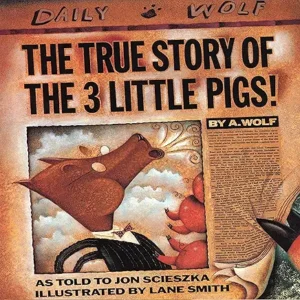
We all know the story of the big bad wolf. It is woven into the very fabric of childhood. Furthermore, it is presented as an absolute fact. But what if the wolf was framed? What if the whole thing was just a terrible misunderstanding?
Perhaps it was just a simple cup of sugar and a very bad head cold. Therefore, this brilliant book flips the classic fairy tale entirely on its head. It gives the villain a chance to clear his name. He tells his side of the story directly to the reader.
When you read this with your child, you introduce a vital concept. You introduce the concept of perspective. You show them that the winner usually writes the history book. It is a hilarious way to show that a popular story is not always the whole truth.
What kids notice: Children immediately pick up on the humor. They notice the wolf wearing glasses and looking perfectly harmless. As a result, they love the feeling of being in on a secret.
Story snapshot: Alexander T. Wolf recounts the events of that fateful day. He claims he was simply trying to borrow a cup of sugar. He says a powerful sneeze accidentally blew down his neighbors’ flimsy houses.
Why this book helps: This book helps cultivate inquiry. It proves that there are always two sides to every single story. Therefore, it gently pushes them to realize the truth often depends on who is holding the microphone.
Duck! Rabbit! by Amy Krouse Rosenthal
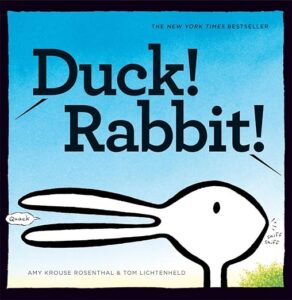
Look closely at the page. Is it a duck with a long bill? Or is it a rabbit with long ears? The answer depends entirely on how you choose to look at it. Indeed, this simple book uses a classic optical illusion.
It starts a funny argument between two unseen narrators. One narrator is absolutely certain they are looking at a duck. Meanwhile, the other is equally positive they are looking at a rabbit. Therefore, they argue back and forth across the pages.
This book captures the essence of personal perspective perfectly. It shows children that two people can look at the exact same image. Yet, they can walk away with two completely different conclusions. Ultimately, it proves our own viewpoint is not the only valid one.
What kids notice: Kids love flipping their own perspective back and forth. First, they trace the lines with their fingers. Then, they love watching the duck’s beak transform into the rabbit’s ears.
Story snapshot: Two off-screen voices debate the identity of a mysterious creature. They use environmental clues to justify their conflicting viewpoints. Finally, the creature runs away, leaving the debate unresolved.
Why this book helps: It actively builds the inquiry muscle. It teaches children to pause before declaring someone else is wrong. Furthermore, it encourages them to step into another person’s shoes.
Sam and Dave Dig a Hole by Mac Barnett
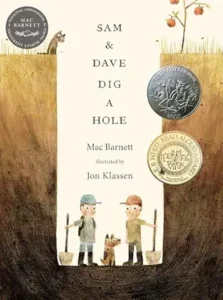
Sometimes, the written words tell you one thing. But the pictures tell you a completely different story. For instance, Sam and Dave are on a mission. They want to find something spectacular. Therefore, they dig down and sideways.
They dig until they are completely exhausted. The text calmly narrates their earnest journey. However, the illustrations reveal a hilarious and frustrating truth. They keep missing massive, glittering diamonds by mere inches.
This creates a brilliant space for the reader. The child holds the truth, while the characters remain blissfully unaware. As a result, it forces the child to actively investigate the visual evidence. They cannot just passively listen to the words.
What kids notice: Children become delightfully frustrated as they spot the giant gems. They see the diamonds resting just out of the characters’ reach. Consequently, they will point, shout, and try to warn the boys.
Story snapshot: Two friends set out to dig a hole to find something spectacular. They take turns deciding which direction to dig. Unfortunately, they entirely miss enormous buried treasures while their dog watches.
Why this book helps: It teaches kids not to take statements at face value. It makes the narrator completely unreliable compared to the visual evidence. Therefore, it encourages children to trust their own observation skills.
They All Saw a Cat by Brendan Wenzel
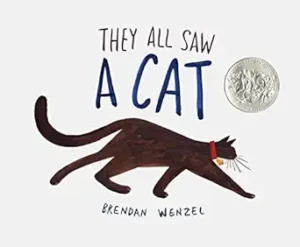
A cat walks through the world. It has whiskers, ears, and paws. But what does that cat look like to a child? What does it look like to a dog? What does it look like to a fish in a bowl?
This stunning book takes a single, ordinary subject. Then, it shatters it into a dozen different realities. This is a book about perception. And perception is the very foundation of inquiry. Before we question reality, we must understand how it works.
Reality is filtered through our own unique senses and experiences. For example, a bat uses sound waves to “see” the cat. Therefore, this book serves as a rhythmic reminder. The world changes entirely depending on who is doing the looking.
What kids notice: Kids are fascinated by the dramatic artistic shifts. They notice how the cat becomes a blurry monster through the eyes of a mouse. However, it remains a warm friend to a child.
Story snapshot: A single cat takes a stroll through various environments. The book’s illustrations shift dramatically on every page. They reflect the distinct visual perspective of every creature the cat encounters.
Why this book helps: This book expands a child’s worldview significantly. It demonstrates that their personal experience is just one piece of a puzzle. As a result, it naturally prompts them to question objective reality.
I Want My Hat Back by Jon Klassen
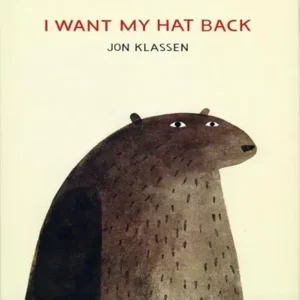
A polite bear has lost his hat. He politely asks the various forest animals if they have seen it. Eventually, he asks a rabbit. The rabbit explicitly states that he has not seen any hats.
However, the rabbit is wearing a very familiar-looking red hat. The bear says thank you and moves on. The text is very simple. It is very polite. But it is entirely deceptive. This is where the magic happens.
Your child learns to read between the lines. The rabbit is clearly lying. The bear initially believes the lie. Therefore, the reader is thrust into the position of a detective. They must identify the falsehood that the main character missed.
What kids notice: Kids immediately spot the red hat sitting right on the rabbit’s head. The true joy comes from the deep suspense. They wait for the bear to finally connect the dots.
Story snapshot: A polite bear interrogates woodland creatures about his missing hat. He initially overlooks the thief. Then, a sudden memory triggers a realization, leading to a darkly humorous resolution.
Why this book helps: It is a masterclass in trusting evidence over spoken claims. It shows children that people can and do say untrue things. Ultimately, it empowers them to trust their own eyes.
The Emperor’s New Clothes by Hans Christian Andersen

Many modern books play with perspective. However, this classic tale remains the ultimate story about the truth. It highlights the serious dangers of conforming to the crowd. Furthermore, it shows the courage required to state the obvious.
Two swindlers trick a vain emperor. They tell him about a magnificent, magical fabric. They claim it is invisible only to those who are hopelessly stupid. Fearful of appearing foolish, everyone pretends to see the nonexistent clothes.
From the highest ministers to the emperor himself, they all lie. This story captures the sheer pressure of group thinking. It shows children how easily adults can be manipulated. Finally, it takes a child to shatter the illusion.
What kids notice: Children find the idea of an adult in their underwear deeply hilarious. But they also keenly feel the awkward tension. They watch as everyone pretends to see something invisible.
Story snapshot: A vain ruler is tricked into parading through town naked. He truly believes he is wearing magical garments. The charade continues until a single child points out the undeniable reality.
Why this book helps: It tackles the social aspect of inquiry perfectly. It teaches kids that a popular opinion is not always a fact. Therefore, it gives them permission to be the brave dissenting voice.
Seven Blind Mice by Ed Young
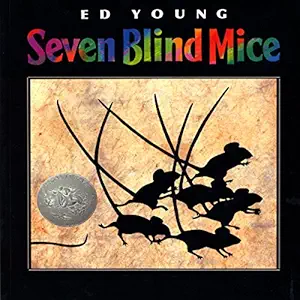
This visually striking book is based on an ancient fable. It features seven blind mice. One day, they discover a strange object by their pond. Each day, a different mouse investigates a different part.
One feels the tail and declares it a rope. Another feels the ear and declares it a fan. They argue passionately. Each is entirely convinced of their own limited discovery. This is a profound lesson in gathering complete information.
It illustrates the danger of forming an absolute belief quickly. A piece of information might be factually true. But it can still lead to a completely false conclusion. Therefore, you must seek the bigger picture.
What kids notice: Kids love figuring out the mystery long before the mice do. They piece together the visual clues on each page. They watch the mice slowly explore the different anatomical parts.
Story snapshot: Six blind mice make incorrect assumptions about a massive object. They base these guesses on touching isolated parts. Finally, the seventh mouse synthesizes all the clues to reveal an elephant.
Why this book helps: This book perfectly illustrates the difference between partial truth and whole truth. It encourages children to be thorough investigators. Above all, it teaches them to explore an issue from every angle.
The Princess and the Pig by Jonathan Emmett
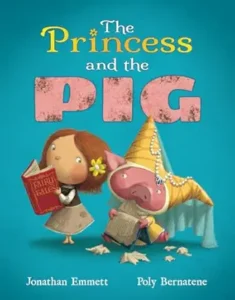
There is a terrible mix-up in the kingdom. It involves a dropped baby and a wandering farmer. A royal princess accidentally trades places with a common piglet. The farmer and his wife raise the little girl happily.
They acknowledge the strange event. The king and queen, however, refuse to believe a pig is a pig. Relying on fairy tale logic, they convince themselves it is a spell. They think the pig is an enchanted princess.
They try everything to break the magical spell. This is a brilliant, satirical look at a mental tug-of-war. It shows how people bend reality to fit their preconceived narratives. They completely ignore the muddy evidence right in front of them.
What kids notice: Children find the absolute absurdity incredibly funny. They laugh at adults treating a messy pig like a royal child. Consequently, they quickly identify how silly the grown-ups are acting.
Story snapshot: An accidental swap leaves a piglet in a royal crib. The stubborn royal parents raise the pig as royalty. Meanwhile, they wait for a magical transformation that will never come.
Why this book helps: It shows children the folly of ignoring hard evidence. You cannot ignore facts just because they do not fit your preferred story. Therefore, it promotes deep intellectual honesty.
The Bear Ate Your Sandwich by Julia Sarcone-Roach
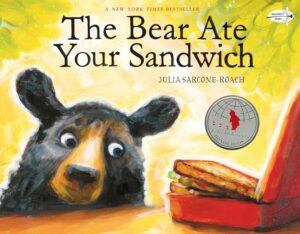
A beautiful sandwich goes missing. A helpful narrator is eager to explain exactly what happened. According to the story, a large bear wandered out of the forest. He got lost in the bustling city.
Eventually, this bear found the delicious sandwich. He ate it all up. Then, he fled back to the woods. The story is highly detailed and very convincing. However, the very last page reveals a brilliant twist.
The narrator telling this elaborate story is actually a dog. And this dog happens to have lettuce on his face! It is a hilarious example of someone inventing a story. They do it simply to shift the blame away from themselves.
What kids notice: Kids are completely absorbed by the bear’s city adventure. But on the final page, they spot the guilty dog. As a result, they burst into laughter at the blatant lie.
Story snapshot: A mysterious narrator tells a tall tale about a wandering bear. The bear supposedly steals a sandwich from a park bench. Ultimately, the narrator is revealed to be the true, canine culprit.
Why this book helps: It introduces the concept of an unreliable narrator brilliantly. It shows children that people sometimes invent stories to protect themselves. Therefore, it encourages them to question a storyteller’s true motives.
This Is Not My Hat by Jon Klassen
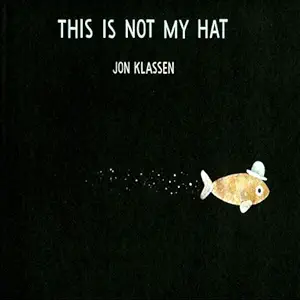
A tiny fish swims across the page. He is wearing a tiny blue hat. He immediately admits that he stole it. He stole it from a very large, sleeping fish.
The tiny fish is incredibly confident. He explains exactly why he will get away with his crime. He says the big fish will not wake up. But the illustrations show the big fish waking up.
The tiny fish says the big fish will not find him. But the pictures show the big fish following him closely. The words confidently declare safety. Meanwhile, the pictures silently show impending doom.
What kids notice: Kids notice the stark contrast right away. They see the little fish bragging while the big fish looms closer. Consequently, they anticipate the inevitable, unspoken consequence.
Story snapshot: A little fish rationalizes stealing a hat from a bigger fish. He narrates his flawless escape plan. However, the illustrations slowly reveal that his plan is completely doomed.
Why this book helps: It proves that you cannot always trust confident voices. It teaches children to cross-reference what they hear with what they see. Above all, it reinforces the power of visual evidence.
Put Your Child in the Heart of the Story
What if the best way to teach your child is through direct experience? You can let them star in their own adventure. With Scrively, you can create fully customized children’s books in minutes. First, you control the narrative.
Second, you craft the important lessons. You can write a story where your own child uses their sharp eyes. They can use their curious mind to solve a grand mystery. They can uncover a hidden truth.
Or, they can challenge a silly assumption in a magical world. Make reading personal. Make it incredibly powerful. Let your child see themselves as the smart hero. They can be the skeptical hero of their own beautiful story.
Asking “Why?” is how children build strong mental scaffolding.
They deeply need this strength to navigate a complicated world. It is the necessary bridge between blind acceptance and true understanding. So, lean in the next time your child interrupts a story.
Smile when they point out a silly inconsistency. Celebrate when they doubt the loud claims of a flashy commercial. Embrace that wonderful spark of skepticism. They are not just being difficult or defiant. Indeed, they are building their intellectual armor. They are doing it one brilliant question at a time.