How You Can Help Your Child Listen, Focus, and Follow Through
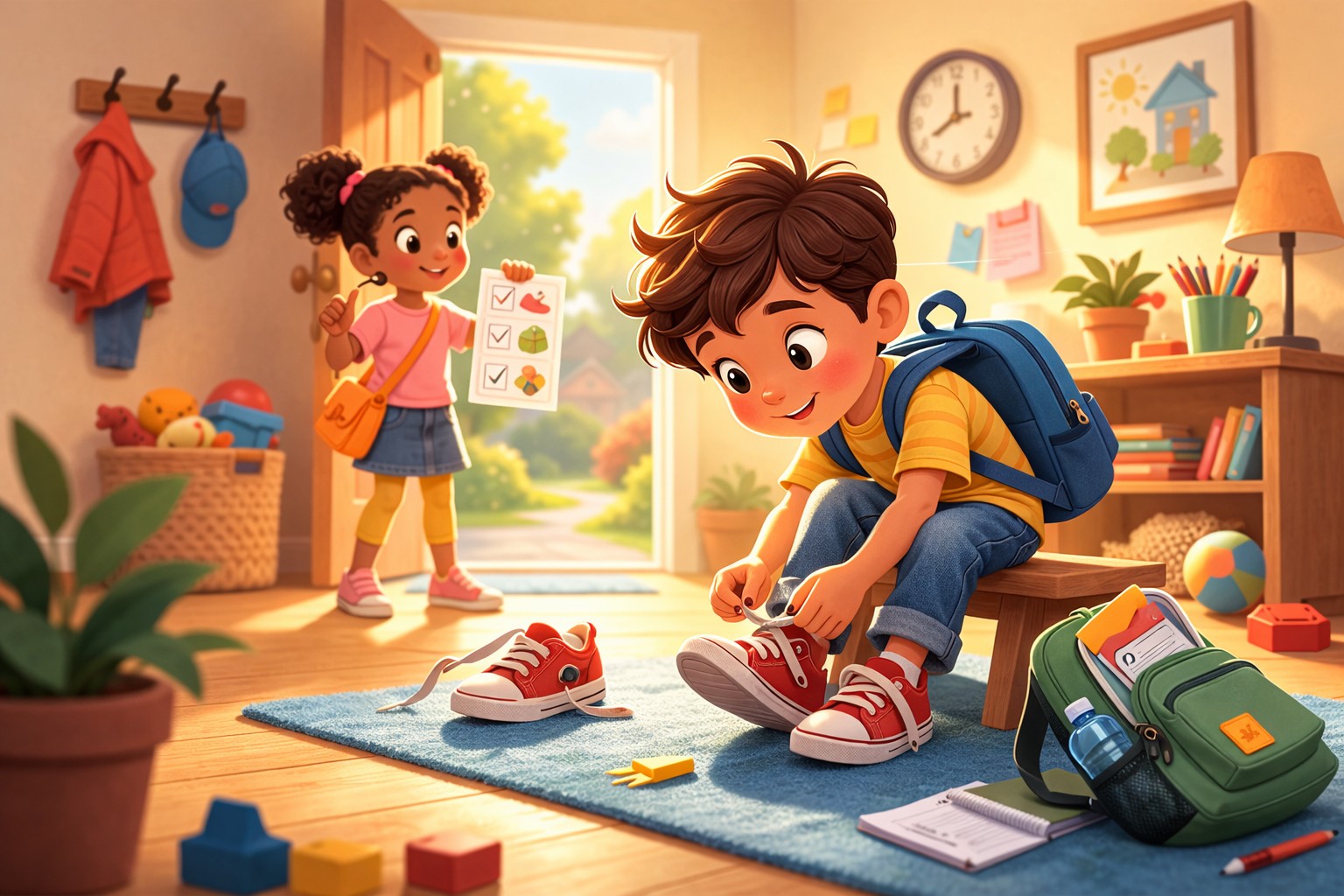
You say, “Put your shoes on, grab your backpack, and meet me at the door.”
One shoe goes on. The other is missing. The backpack is still on the couch. And somehow your child is now building a Lego tower in the middle of the hallway.
You pause. You repeat yourself. Halfway through the second sentence, you’re interrupted with an unrelated question about dinosaurs.
If this feels familiar, you’re not alone. Following directions at ages four to eight is still very much under construction.
Listening fully, holding steps in mind, and following through without getting derailed takes more than willingness. It takes growing executive function — the brain’s ability to pause, process, remember, and act.
At this age, distraction isn’t defiance. Impulsivity isn’t disrespect. It’s development in motion.
When you frame following directions as a skill — not compliance — everything shifts.
And books become powerful rehearsal spaces. Stories let children watch characters miss instructions, interrupt too soon, forget steps, or rush ahead… and then figure it out.
They see what listening looks like. They see what happens when they don’t. And they practice without pressure.
Here are stories that help you support that growth gently and steadily.
Howard B. Wigglebottom Learns to Listen by Howard Binkow
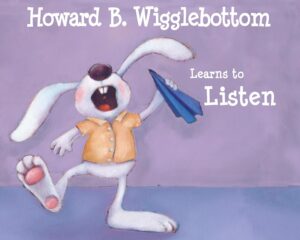
Howard B. Wigglebottom is a rabbit who struggles to listen at school. He talks during lessons, misses instructions, and rushes ahead without hearing the full plan. His teacher’s directions seem to float right past him.
When Howard begins to notice the consequences — missing out on fun activities and confusing his classmates — he slowly recognizes the value of listening first. The shift isn’t harsh. It’s gradual and relatable.
What kids notice in this story
Kids notice how much smoother things go when Howard listens all the way through. They see that listening helps them feel capable. The story makes paying attention feel empowering, not embarrassing.
No, David! by David Shannon
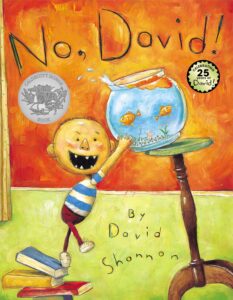
David is energetic, curious, and constantly in motion. He runs, splashes, climbs, and ignores instructions in spectacular ways. The repeated “No!” feels familiar to many adults.
But beneath the chaos, the story shows a child learning boundaries. Directions aren’t about control — they’re about safety and care. The warmth at the end reminds you that connection matters most.
What kids notice in this story
Children see that mistakes don’t cancel love. They begin to understand that directions often protect them. The message lands gently: listening helps everyone feel safer.
Interrupting Chicken by David Ezra Stein
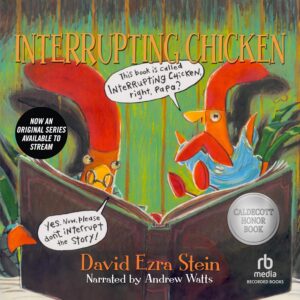
Little Chicken loves stories so much that she cannot stop interrupting. Before her father can finish reading, she jumps in to warn the characters what to do.
Her enthusiasm is sweet — and disruptive. Over time, she learns that listening fully allows the story to unfold. Waiting becomes part of the magic.
What kids notice in this story
Kids recognize themselves in the excitement. They see that listening until the end makes stories better. Waiting feels like participation instead of punishment.
Lacey Walker, Nonstop Talker by Christianne Jones
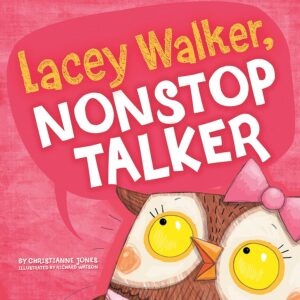
Lacey loves to talk — during lessons, during instructions, during everything. Her constant chatter makes it hard for her to hear directions fully.
When a school presentation depends on teamwork, Lacey begins to see that listening matters as much as speaking.
What kids notice in this story
Children recognize how listening supports friendships. They see that directions help them succeed together. The lesson feels social, not strict.
Decibella and Her 6-Inch Voice by Julia Cook
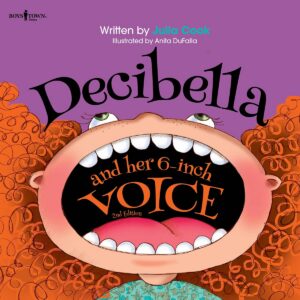
Isabella struggles to manage her voice volume. When she ignores cues and directions about indoor voices, problems follow.
Through playful teaching, she learns how adjusting her behavior helps everyone focus and feel comfortable.
What kids notice in this story
Kids notice that small adjustments can make a big difference. They see listening as awareness. The focus is on growth, not scolding.
Officer Buckle and Gloria by Peggy Rathmann
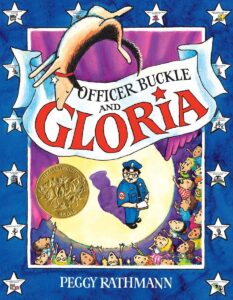
Officer Buckle shares safety rules with students — but no one listens until Gloria the dog joins him. Suddenly, the same directions become engaging.
The story shows that how directions are delivered matters. Listening grows when connection grows.
What kids notice in this story
Children see that rules can be helpful and even fun. They notice that attention increases when they feel engaged. Safety becomes collaborative.
My Mouth Is a Volcano! by Julia Cook
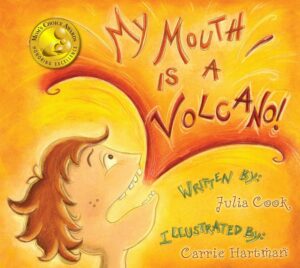
Louis feels like his thoughts erupt before he can hold them back. Interrupting happens fast and often.
As he learns strategies to pause and listen, he discovers that waiting gives others space and helps him stay on track.
What kids notice in this story
Kids recognize the urge to blurt. They see that pausing helps conversations flow better. Listening becomes a shared rhythm.
The Pigeon Needs a Bath! by Mo Willems

The Pigeon insists he doesn’t need a bath. He argues, negotiates, and avoids the clear direction in front of him.
Eventually, experience teaches him otherwise. The humor keeps the tone light while reinforcing the value of following through.
What kids notice in this story
Children see how resistance can backfire. They notice that directions sometimes lead to better outcomes than expected. The lesson lands through laughter.
Clark the Shark by Bruce Hale
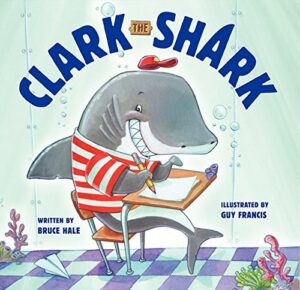
Clark is enthusiastic and loud. He struggles to remember classroom rules and directions.
Through guidance and practice, Clark learns how to balance energy with awareness. Listening helps him belong.
What kids notice in this story
Kids notice that excitement isn’t wrong — it just needs direction. They see that paying attention helps them feel included. Growth feels possible.
A Gentle Way to Practice at Home
Following directions improves with repetition. You may not see dramatic change overnight. But every time your child pauses, listens fully, and completes a task, new pathways strengthen.
Listening grows when children feel safe and understood. When you kneel down, make eye contact, and give one step at a time, you’re building capacity — not enforcing control.
Rereading stories before introducing new routines helps. When you say, “Remember how Howard listened all the way through?” you’re linking fiction to real life in a way that feels natural.
And if you want to take it one step further, you might explore personalized storytelling.
With Scrively, your child can see themselves inside a story practicing listening, finishing routines, and completing tasks confidently. Seeing their own name in a narrative of growth can make follow-through feel empowering.
Your child doesn’t need stricter systems. They need steady modeling, repetition, and space to practice. Listening is a skill that grows — one story, one routine, and one patient moment at a time.