
Best Books for Kids Afraid of Sleeping Alone
You know the moment. Pajamas are on. Teeth are brushed. The house grows quieter by degrees.
And then—right when the day should be winding down—bedtime suddenly feels heavier than it did an hour ago.
The lights dim. The hallway feels longer…
The distance between you and your child’s bed becomes noticeable in a way it wasn’t all day.
If you’re supporting a child who’s afraid of sleeping alone, nighttime can amplify everything.
Thoughts grow louder. Feelings sit closer to the surface. Even separations that felt manageable during daylight can feel enormous once the world goes still.
This happens even for kids who seem confident and capable during the day. The ones who play independently, speak up easily, and move through their routines without hesitation.
At night, their nervous systems are still learning how to rest without your physical presence nearby.
That doesn’t mean something is wrong. It doesn’t mean you’ve done anything to create this fear.
And it definitely doesn’t mean bedtime has become a problem to solve. It simply means your child’s sense of safety is still rooted in connection—and nighttime asks them to practice that safety in a new way.
What helps here isn’t pressure or logic. It’s not convincing your child that there’s nothing to worry about. What helps is predictability. Calm. Reassurance that arrives the same way, night after night. And one of the most reliable ways to offer that reassurance is through story.
Why Bedtime Stories Help Kids Who Are Afraid of Sleeping Alone
At bedtime, your child isn’t looking for explanations. They’re looking for regulation.
Regulation is the body’s ability to settle. Breathing slows. Muscles soften. Thoughts stop racing.
The brain decides it’s safe enough to let go. When a child is worried about being alone, their body can stay “on” even when sleep is what they want most.
Bedtime stories help because they meet your child where they are—physically, emotionally, and relationally.
They work especially well because they do three important things at once.
- They slow the pace of the evening, signaling that nothing urgent is happening.
- They create rhythm through repetition, which the nervous system finds deeply reassuring.
- They offer connection in a predictable form—your voice, your presence, your attention.
Over time, this repetition builds an embodied understanding your child can feel: Night is familiar. I know what comes next. I can stay here.
This isn’t a lesson learned in a single evening. It’s something absorbed gradually, through consistency and care.
What to Look For in a Bedtime Book for Kids Who Fear Sleeping Alone
Not every bedtime book supports a child who’s anxious about being alone. Some stories move too quickly. Others introduce tension that lingers longer than intended.
For this season, it helps to choose books that feel emotionally soft and structurally predictable.
- Repetition: familiar phrases that cue calm.
- Validation without drama: fear is acknowledged, not escalated.
- Warm caregiver presence: steady, patient, unhurried.
- A soothing ending: emotional closure matters more than plot.
- Gentle pacing: the story itself slows the body down.
If your child is especially sensitive at night, it’s okay to be selective. Confidence comes first. Everything else can wait.
The Best Books to Help Kids Feel Safer Sleeping Alone
These are steady, well-loved books families return to again and again—especially during seasons when bedtime feels tender.
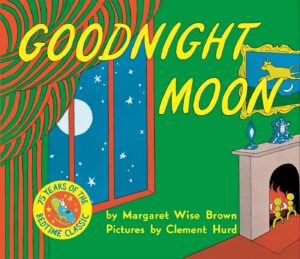
Goodnight Moon — Margaret Wise Brown
Core themes: repetition, familiarity, gentle closure
Story snapshot: A quiet room, a series of goodnights, and a world that doesn’t change. Nothing unexpected happens—and that’s the point.
Why this helps: Predictability builds safety. This book teaches calm through sameness, helping your child relax into the night without effort.
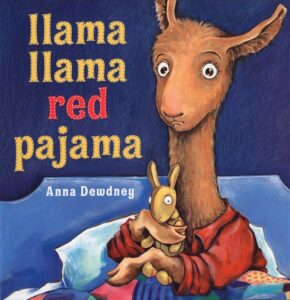
Llama Llama Red Pajama — Anna Dewdney
Core themes: separation, reassurance, emotional repair
Story snapshot: Llama waits, worries, and eventually reconnects. The fear is seen—and then soothed.
Why this helps: Your child sees their own worry reflected and repaired, which builds trust in the bedtime process.
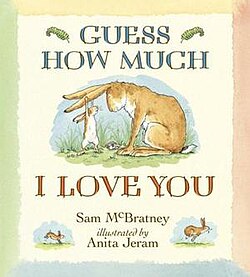
Guess How Much I Love You — Sam McBratney
Core themes: connection, constancy, love across distance
Story snapshot: A gentle back-and-forth measuring love that stretches beyond sight.
Why this helps: Love is framed as something that lasts through the night—even when you’re not in the room.
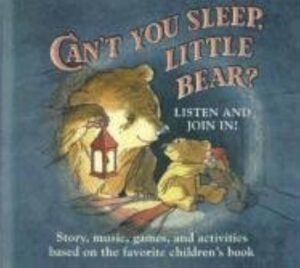
Can’t You Sleep, Little Bear? — Martin Waddell
Core themes: patience, presence, shared calm
Story snapshot: Big Bear stays close, responding without rush or frustration.
Why this helps: Calm presence models regulation. Fear doesn’t need to be fixed to soften.
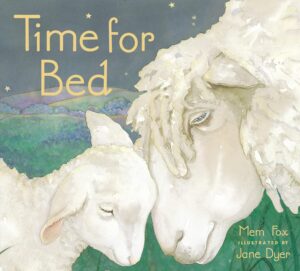
Time for Bed — Mem Fox
Core themes: rhythm, transition, rest
Story snapshot: A gentle procession toward sleep across animals and environments.
Why this helps: The cadence alone helps slow breathing and settle the body.

The Going to Bed Book — Sandra Boynton
Core themes: routine, humor, predictability
Story snapshot: A playful sequence of bedtime steps that always ends the same way.
Why this helps: Humor lowers tension while routine builds trust.
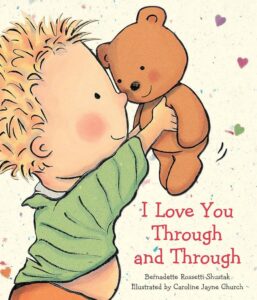
I Love You Through and Through — Bernadette Rossetti-Shustak
Core themes: unconditional love, emotional steadiness
Story snapshot: Love is named in every mood and moment.
Why this helps: Reassurance doesn’t change—even when feelings do.
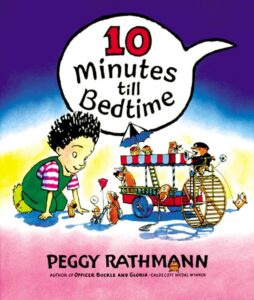
Ten Minutes till Bedtime — Peggy Rathmann
Core themes: countdowns, transitions, shared expectations
Story snapshot: A playful countdown brings the evening gently to a close.
Why this helps: Nothing feels sudden. Everything moves toward rest together.
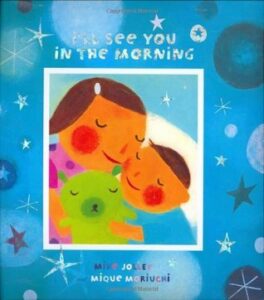
I’ll See You in the Morning — Mike Jolley
Core themes: separation, reassurance, predictability
Story snapshot: A simple promise anchors the night.
Why this helps: Morning becomes something steady your child can trust.
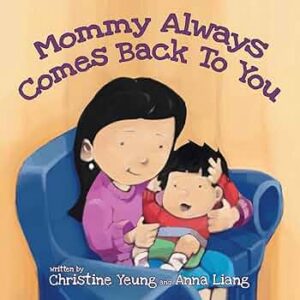
Mama Always Comes Home — Karma Wilson
Core themes: separation, return, trust
Story snapshot: Leaving is temporary. Connection is reliable.
Why this helps: The message is clear and concrete—grown-ups come back.
How to Use These Books Over Time
You don’t need to read everything at once.
- Choose two or three anchor books and repeat them for several weeks.
- Keep the order the same each night.
- Pair reading with the same closing phrase every evening.
Confidence builds through familiarity, not novelty.
A Gentle Way to End the Night
Sleeping alone isn’t a milestone to rush. It’s something children grow into—supported by consistency, trust, and care.
If your child loves stories, Scrively can help you create familiar bedtime stories that make night feel safe, predictable, and fully theirs.