
Gentle Quiet-Time Books for 4-Year-Olds Who Need a Calm Reset
Four-year-olds live in a world of big energy. Their days are filled with movement, questions, emotions, stories, negotiations, and imagination that runs at full volume.
Even when they’re clearly tired or overstimulated, many kids this age resist slowing down—because slowing down can feel unfamiliar, boring, or even uncomfortable at first.
That’s where quiet time comes in. Quiet time doesn’t mean naps (though sometimes it leads there). It’s a gentle pause in the day—a chance to rest, reset, and recharge without pressure.
For some kids, quiet time looks like lying on the couch with a book. For others, it’s sitting in a cozy corner, flipping pages, listening to a familiar story, or simply being near a trusted adult while the world softens around them.
Books are one of the most effective bridges into quiet time.
The right story gives children something to focus on while their bodies and nervous systems begin to settle.
Gentle language, predictable rhythms, soft illustrations, and comforting themes help four-year-olds feel safe enough to slow down—without feeling like quiet time is a punishment.
At this age, kids are developing longer attention spans, emotional awareness, and independence.
Quiet-time books support all of that. They offer structure without demands, engagement without overstimulation, and connection without constant conversation. Over time, they help children learn that calm can actually feel good.
The books below are especially well-suited for quiet moments—after preschool, before dinner, during rest time, or as part of a wind-down routine before bed.
They’re cozy, reassuring, and engaging enough to hold a four-year-old’s attention while gently inviting stillness.
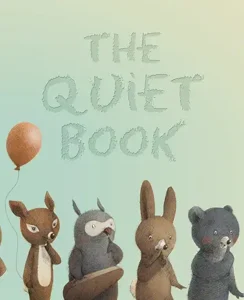
The Quiet Book — Deborah Underwood
Core Themes:
• Everyday calm moments
• Emotional awareness
• Gentle humor
Story Snapshot:
This simple, charming book explores all the different kinds of “quiet” children experience—from “thinking quiet” to “outside quiet” to “secret quiet.” Each page names a familiar moment with warmth and understanding.
Why this book works well for quiet time:
The short phrases, soft humor, and relatable scenarios make this an ideal book for easing into calm. There’s no plot to follow—just gentle recognition—allowing kids to relax while still feeling engaged.
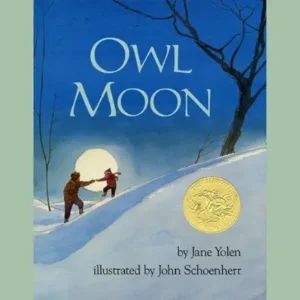
Owl Moon — Jane Yolen
Core Themes:
• Stillness and patience
• Nature and wonder
• Quiet connection
Story Snapshot:
A child and her father walk through a snowy forest at night, hoping to spot an owl. The story unfolds slowly, honoring silence, anticipation, and the beauty of shared quiet.
Why this book works well for quiet time:
The language is lyrical and unhurried, mirroring the experience of slowing down. It naturally invites hushed voices and attentive listening—perfect for bedtime or post-activity decompression.
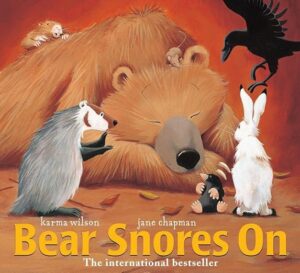
Bear Snores On — Karma Wilson
Core Themes:
• Cozy rest
• Friendship
• Gentle rhythm
Story Snapshot:
While Bear sleeps through winter, woodland friends gather quietly in his cave. When Bear wakes, he joins their peaceful celebration.
Why this book works well for quiet time:
The repetitive rhyme and predictable structure feel soothing rather than energizing. The cozy setting and soft illustrations make it a natural choice for rest time or winding down.

The Snowy Day — Ezra Jack Keats
Core Themes:
• Sensory awareness
• Exploration
• Calm curiosity
Story Snapshot:
Peter explores his neighborhood after a snowfall, noticing tracks, sounds, and small discoveries throughout the day.
Why this book works well for quiet time:
The story moves at a child’s pace, focusing on simple experiences. The calm visuals and gentle narration support mindful attention and quiet observation.
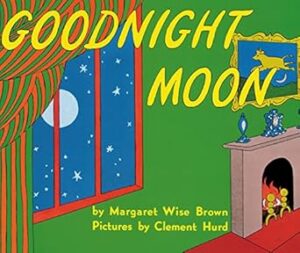
Goodnight Moon — Margaret Wise Brown
Core Themes:
• Routine
• Comfort
• Letting go
Story Snapshot:
A familiar bedtime classic that gently says goodnight to everything in the room, one object at a time.
Why this book works well for quiet time:
Its repetition and soft cadence naturally slow breathing and attention. Even four-year-olds who “know it by heart” often find comfort in its predictability.
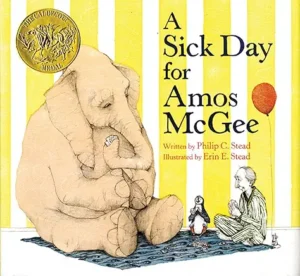
A Sick Day for Amos McGee — Philip C. Stead
Core Themes:
• Kindness
• Caregiving
• Gentle pacing
Story Snapshot:
When Amos the zookeeper stays home sick, the animals come visit him, returning the care he always gives them.
Why this book works well for quiet time:
The story is tender and unhurried, with soft illustrations that invite lingering. It encourages empathy while maintaining a peaceful tone.
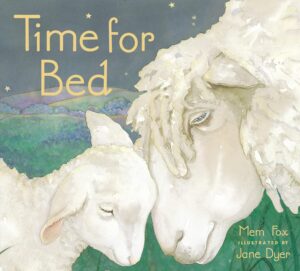
Time for Bed — Mem Fox
Core Themes:
• Rest and routine
• Parent-child connection
• Gentle closure
Story Snapshot:
Animals around the world settle in for sleep, guided by a calm, rhythmic refrain.
Why this book works well for quiet time:
The predictable rhyme and soothing imagery are ideal for easing children into stillness, whether at bedtime or during afternoon rest.
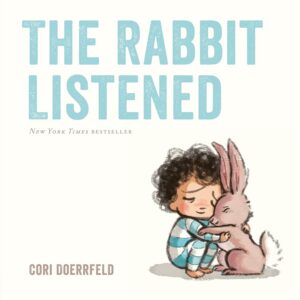
The Rabbit Listened — Cori Doerrfeld
Core Themes:
• Emotional regulation
• Presence
• Quiet support
Story Snapshot:
After something sad happens, different animals try to help—but only the rabbit knows how to simply sit and listen.
Why this book works well for quiet time:
This book models calm presence without fixing or rushing. Its simplicity and emotional safety make it especially helpful after big days or overwhelming moments.
Quiet time works best when it feels inviting, not forced.
When children associate calm moments with warmth, connection, and stories they love, they’re far more likely to settle in willingly.
Over time, these gentle routines help four-year-olds learn how to regulate themselves, enjoy stillness, and transition between busy parts of the day with more ease.
Books can become a peaceful bridge—helping kids move from high energy to calm, from noise to quiet, from doing to simply being. Whether it’s five minutes or thirty, these moments matter.
If your child loves stories, you can also explore quiet-time creativity together.
Scrively is a space where kids can create their own gentle adventures—starring themselves as the main character. It’s a calm, imaginative way to extend story time into something personal and comforting.
Here’s to quieter moments, cozy pages, and kids who learn that slowing down can feel really good. Whadup timmy b—you’re doing great.