
Best Books About Foster Children: Stories of Family, Hope, and Belonging
Every child deserves to see themselves in a story—and for foster children, that representation can be life-changing.
Stories about foster families and belonging help kids see that love, care, and connection can come in many forms.
They remind children that home isn’t just where you come from—it’s where you’re understood, accepted, and loved for who you are.
Whether your family includes foster children, you work with kids in care, or you simply want to build empathy and compassion, these stories open gentle, honest conversations about family and resilience.
Each book offers a window into what it means to belong—and a mirror for children who need to know that their story matters too. Reading together gives you a safe space to talk about hard things and celebrate new beginnings.
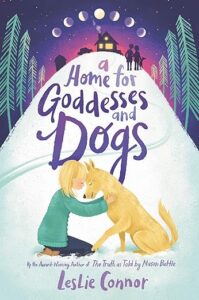
A Home for Goddesses and Dogs — Leslie Connor
After her mother dies, Lydia moves in with her aunt and her wife, adjusting to a new household filled with dogs, love, and laughter.
She learns to trust again as she navigates loss and unexpected kindness—discovering that family can grow in surprising ways.
Why kids love it: It’s funny and heartfelt, with lovable characters (both human and canine) who help Lydia learn that love grows even after grief. The story’s mix of humor and heart makes big emotions easier to handle.
Perfect for: Middle-grade readers learning about family transitions, grief, and the courage to start fresh.
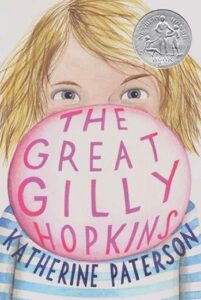
The Great Gilly Hopkins — Katherine Paterson
This modern classic follows Gilly Hopkins, a sharp and funny foster child determined not to need anyone.
When she lands in the home of kind-hearted Mrs. Trotter, her tough exterior begins to soften. What unfolds is a moving story of trust, growth, and finding love where you least expect it.
Why kids love it: Gilly’s voice is bold and full of attitude, making her instantly relatable. Her transformation feels earned, showing that letting others in can be its own kind of strength.
Perfect for: Kids ages 9–12 who love strong characters, second chances, and heartfelt family stories.
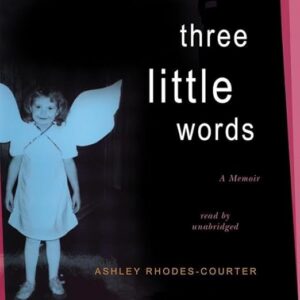
Three Little Words — Ashley Rhodes-Courter
This powerful memoir (adapted for young readers) shares Ashley’s true story of growing up in foster care and finding her forever family.
With honesty and hope, she recounts her years in the system, the challenges she faced, and the three little words that changed her life: “I love you.”
Why kids love it: It’s inspiring and deeply real. Ashley’s courage and determination help young readers see that even in uncertainty, strength and love can guide you forward.
Perfect for: Tweens and teens drawn to true stories about resilience and hope.
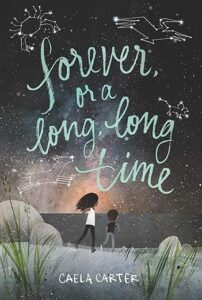
Forever, or a Long, Long Time — Caela Carter
Flora and Julian have finally been adopted after years in foster care, but they still carry questions and fears about whether love can really last. Through lyrical storytelling, this book explores how children learn to trust and to believe in family again.
Why kids love it: The siblings’ voices feel real and relatable. The story captures the uncertainty that comes with love—and the quiet joy of realizing that “forever” can be possible.
Perfect for: Families navigating adoption or blended households who want to explore trust and belonging.
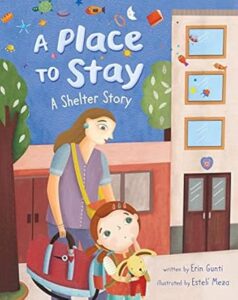
A Place to Stay: A Shelter Story — Erin Gunti
This gentle picture book follows a young girl and her mother as they move into a women’s shelter.
Told through a bedtime conversation, it explores uncertainty with tenderness and reassurance, showing that safety and love can exist even in new places.
Why kids love it: The cozy illustrations and gentle storytelling make the theme of change feel safe. It’s a soothing reminder that new beginnings can still be full of care and hope.
Perfect for: Younger children adjusting to new homes or living situations.
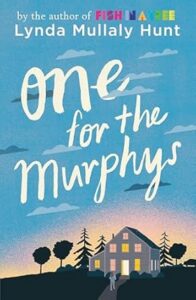
One for the Murphys — Lynda Mullaly Hunt
Carley hides behind sarcasm and wit, but when she’s placed with the kind Murphy family, she starts to imagine what it might mean to belong.
Through laughter, tears, and quiet moments, Carley learns that love doesn’t make you weak—it makes you brave.
Why kids love it: It’s heartfelt without being heavy. Carley’s voice feels like a friend’s—funny, flawed, and full of emotion.
Perfect for: Middle-grade readers navigating trust, identity, and new family connections.
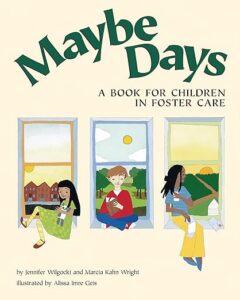
Maybe Days: A Book for Children in Foster Care — Jennifer Wilgocki & Marcia Kahn Wright
Written by a therapist and social worker, this compassionate picture book helps children understand the uncertainty of foster care.
It answers common questions in gentle, age-appropriate language, emphasizing that none of it is their fault—and that caring adults are there to help.
Why kids love it: It’s direct but kind. The bright illustrations and reassuring tone help kids put feelings into words and know they’re not alone.
Perfect for: Younger foster children who need comfort, clarity, and reassurance.
Tips for Talking About Belonging and Family
- Choose stories that reflect different kinds of families and care situations. Representation helps kids feel seen and builds empathy for others.
- Pause while reading to ask what the characters might be feeling. Listen without judgment and let your child lead the conversation.
- Invite your child to share what “home” means to them. Their answers may surprise and inspire you.
- Celebrate small moments of connection—reading together, cooking, playing games, or simply sharing space in quiet comfort.
- Return to these books over time. As children grow, they’ll notice new details and understand more about themselves and others.
Create Your Own “Found Family” Story
Encourage your child to write or draw about what family means—who supports them, and how they show care in return. Turning experience into art helps kids make sense of their story and see their own strength.
- Let them draw their “family tree” that includes friends, mentors, and loved ones—anyone who helps them feel safe and cared for.
- Ask them to imagine a character who finds belonging in an unexpected place. What happens? Who helps them? What changes inside?
- Write down their story and read it together. Celebrate it as a reminder that family isn’t one thing—it’s love in many forms.
Help your child see that every family story matters with Scrively. Unlimited stories. Unlimited love.
Books about foster care don’t just teach empathy—they help kids understand that family isn’t defined by blood, but by care, courage, and connection.
Every child deserves to see that they belong in the story of love. When you read these stories together, you’re not just turning pages—you’re building belonging, one chapter at a time.