Building Math Confidence Early: Counting Books for 4-Year-Olds
Four years old is a big milestone.
Your child is ready to leap into the world of numbers, patterns, and problem-solving.
At this age, learning to count isn’t just about memorizing digits—it’s about noticing how numbers shape the world around them. And the most magical way to make numbers stick? Through stories.
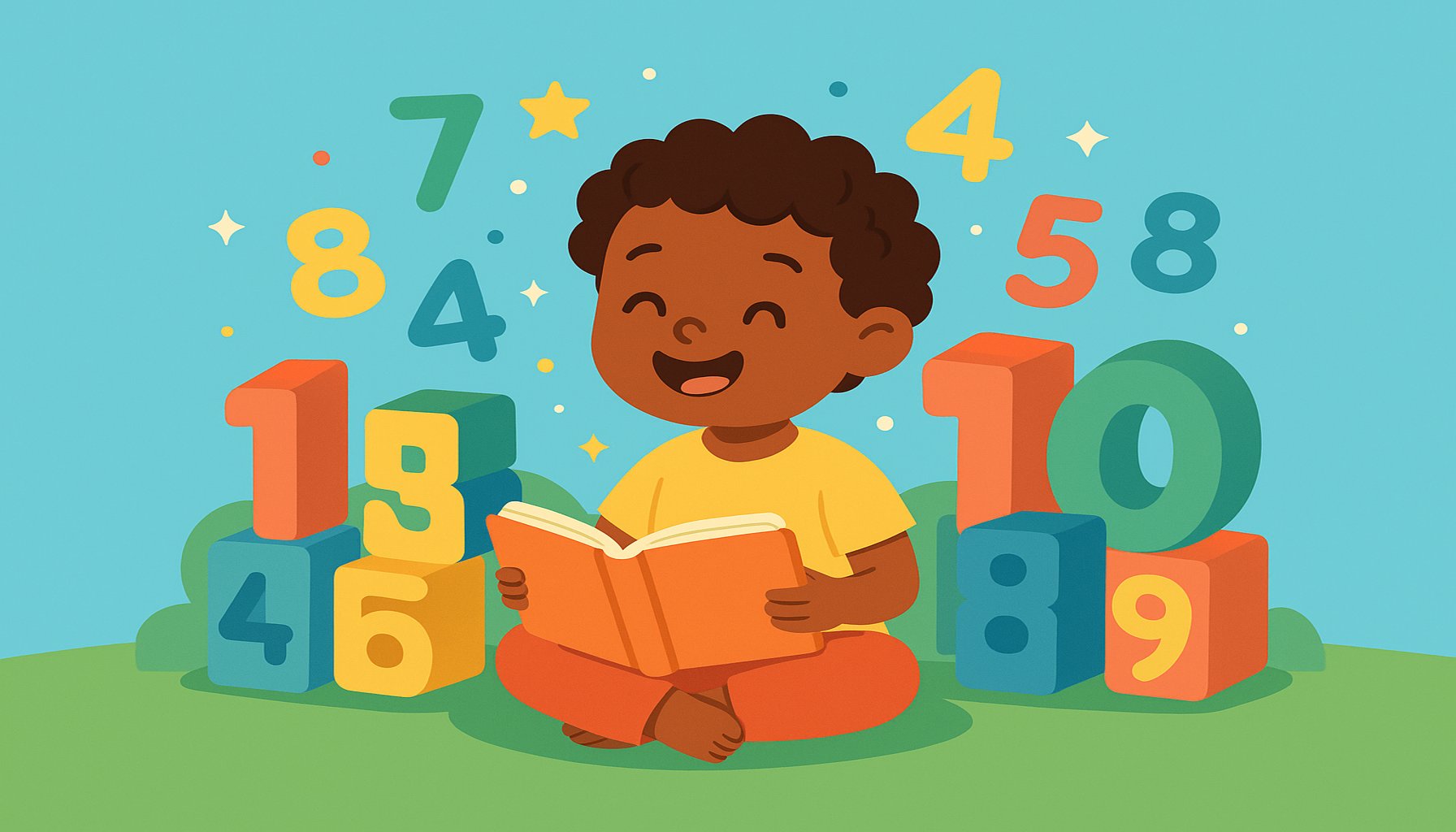
Counting books transform early math into play. They sneak numbers into adventures, silly characters, and colorful illustrations.
They invite your child to shout, clap, and count along. With the right books, you’re not just teaching math—you’re sparking confidence, curiosity, and joy in learning.
Here are some of the best counting books for four-year-olds.
Each one offers a different angle: from rhyme-filled romps to clever stories, to quiet, detailed illustrations that encourage careful looking.
Whether your child is a wiggle machine or a cozy listener, there’s a book here that will meet them where they are.
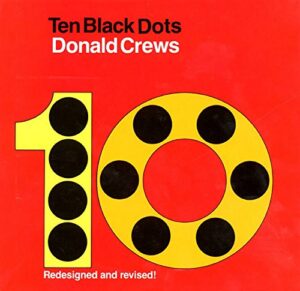
Ten Black Dots — Donald Crews
This timeless favorite turns simple dots into endless possibilities.
A dot might be the sun in the sky, the seeds in a watermelon, or the eyes of a curious creature. With each page, your child counts along and sees numbers in a brand-new way.
Why kids love it: It’s like a game of “what else could this be?” Kids love making their own dot creations after reading.
Perfect for: Visual learners and kids who like to make art with numbers.
Extend the fun by giving your child stickers or paper dots and asking them to invent their own pictures with one dot, two dots, or ten. This book isn’t just counting—it’s creativity in motion.
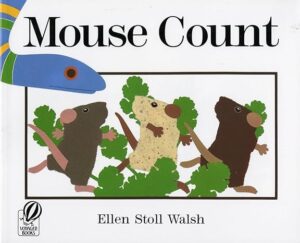
Mouse Count — Ellen Stoll Walsh
A hungry snake finds a group of unsuspecting mice and begins to collect them in a jar. One by one, children count as the mice are dropped in. But when the mice turn the tables, the story flips into a backward counting adventure as they escape.
Why kids love it: There’s suspense! They hold their breath to see if the mice will get away.
Perfect for: Teaching both counting up and counting down in one story.
This story is also perfect for introducing the concept of subtraction without saying the word. Your child sees the numbers shrink as the mice escape. It’s math, but disguised as a thrilling escape mission.
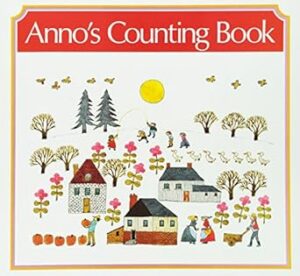
Anno’s Counting Book — Mitsumasa Anno
Every page of this wordless picture book is an invitation to look closer.
The story follows a village through the seasons, while objects from 1 to 12 appear in different ways. A single house grows into a bustling town. Numbers appear in patterns, shapes, and natural details.
Why kids love it: It’s like an “I Spy” adventure. Every page asks them to find something new.
Perfect for: Quiet storytimes and kids who love detail-rich illustrations.
Because the book is wordless, you can “read” it differently each time. Ask your child: How many trees are here? How many animals? What do you notice this time? It turns reading into a collaborative game.
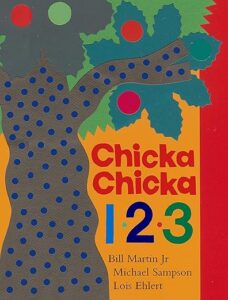
Chicka Chicka 1, 2, 3 — Bill Martin Jr. and Michael Sampson
The numbers are climbing the apple tree, and they’re having quite the party.
With rhythm and rhyme, the story sweeps kids up into a sing-song adventure that’s easy to chant along with. Just like its famous alphabet cousin, this book begs to be read aloud.
Why kids love it: The beat is infectious—they’ll be chanting and moving with the rhythm.
Perfect for: Kids who learn best through sound, music, and repetition.
You’ll find yourself reading this one again and again, and that’s the point. Repetition builds mastery, and kids don’t even realize they’re practicing numbers with each reading.
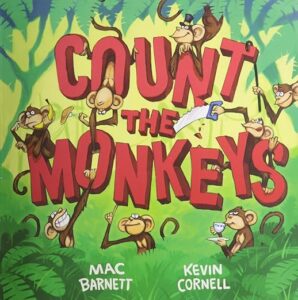
Count the Monkeys — Mac Barnett
This hilarious, interactive book is built for participation. The monkeys are supposed to be on the pages—but other animals keep showing up instead! Children are asked to count, clap, wave, and even shout to help move the story along.
Why kids love it: It’s silly. It’s surprising. It’s not a book you sit and listen to—it’s a book you do.
Perfect for: High-energy kids who need movement to stay engaged.
Each page is a chance to be loud, silly, and a little chaotic. That’s not a distraction—it’s the learning. Movement and laughter cement the numbers in memory.
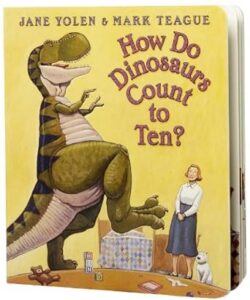
How Do Dinosaurs Count to Ten? — Jane Yolen and Mark Teague
Yolen and Teague’s lovable dinosaurs stomp through everyday situations—this time, while learning to count. From toy cars to books, they barrel through numbers with humor and a touch of chaos that kids adore.
Why kids love it: Dinosaurs doing ordinary kid things is instantly funny and relatable.
Perfect for: Dinosaur fans who like silly, exaggerated illustrations.
This book gives parents a chance to playfully connect numbers to real life. “Let’s count your toy cars just like the dinosaur does!” Suddenly, counting isn’t abstract—it’s happening right on the living room floor.
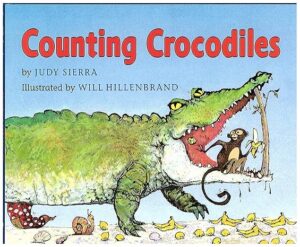
Counting Crocodiles — Judy Sierra
A clever monkey uses counting to outwit a crowd of crocodiles blocking the way to her bananas. With bouncy rhyme and silly illustrations, kids join the monkey as she tallies each snapping reptile.
Why kids love it: The humor, rhythm, and mischievous main character keep them hooked.
Perfect for: Kids who love animals and laugh-out-loud stories.
The sing-song rhyme makes it easy to memorize, and soon kids are chanting the numbers right along with you. It’s proof that math can be a giggle-fest.
Tips for Teaching Counting Through Storytime
- Pick rhythm and rhyme: Repetition is the brain’s best friend when it comes to numbers.
- Count out loud together: Pause on each page and let your child be the one who says the number.
- Make it physical: Tap, clap, or hop with each number for whole-body learning.
- Connect to real life: Count snacks, steps, toys, or even cars out the window.
- Keep it playful: Counting is never a quiz—it’s a game.
Create Your Own Counting Story
You don’t need a published book to make counting magical. Create one with your child’s favorite characters, toys, or animals.
They’ll love the sense of ownership and creativity that comes with making their own counting tale.
- Let them draw ten of something they love—unicorns, trucks, pizza slices, you name it.
- Write the numbers together under each drawing: “1 truck,” “2 trucks,” “3 trucks.”
- Staple the pages or fold them into a book. Read it aloud at bedtime for an extra dose of pride.
Help your child fall in love with numbers using Scrively. Unlimited stories. Unlimited learning.
Remember: counting books don’t just teach numbers.
They build confidence, spark curiosity, and open the door to a lifelong love of learning. With the right stories, math isn’t a chore—it’s an adventure your child will look forward to every day.