When a Grandparent Starts to Forget: 8 Children’s Books About Dementia
Your child tells Grandpa about the school play. A few minutes later, he asks the same question again. On the drive home, a small voice comes from the back seat: “Wasn’t he listening?” You want to explain the change without making their world feel less secure.
These children’s books about dementia offer somewhere gentle to begin. Their characters feel confused, frustrated, hopeful, and sad. You can read beside your child without needing to turn every page into a lesson. Sometimes a picture gives them the words they have been missing.
Compassion begins with understanding what another person may be finding difficult. It also leaves room for your child’s feelings. They can love a grandparent and miss the way things used to be. They can enjoy a visit and still need a break afterward.
Forgetfulness alone does not tell you that someone has dementia; adults and health professionals handle those questions. When a diagnosis is known, explain it simply and honestly. Your child did not cause it, and being especially good cannot cure it. Their job is to be a grandchild, with grown-ups providing care and support.
8 Children’s Books About Dementia and Staying Connected
Preview these stories and choose one that fits your family’s situation. Some show early changes; others include a grandparent no longer recognizing someone. Read slowly, welcome questions, and stop whenever your child has had enough.
The Tide by Clare Helen Welsh
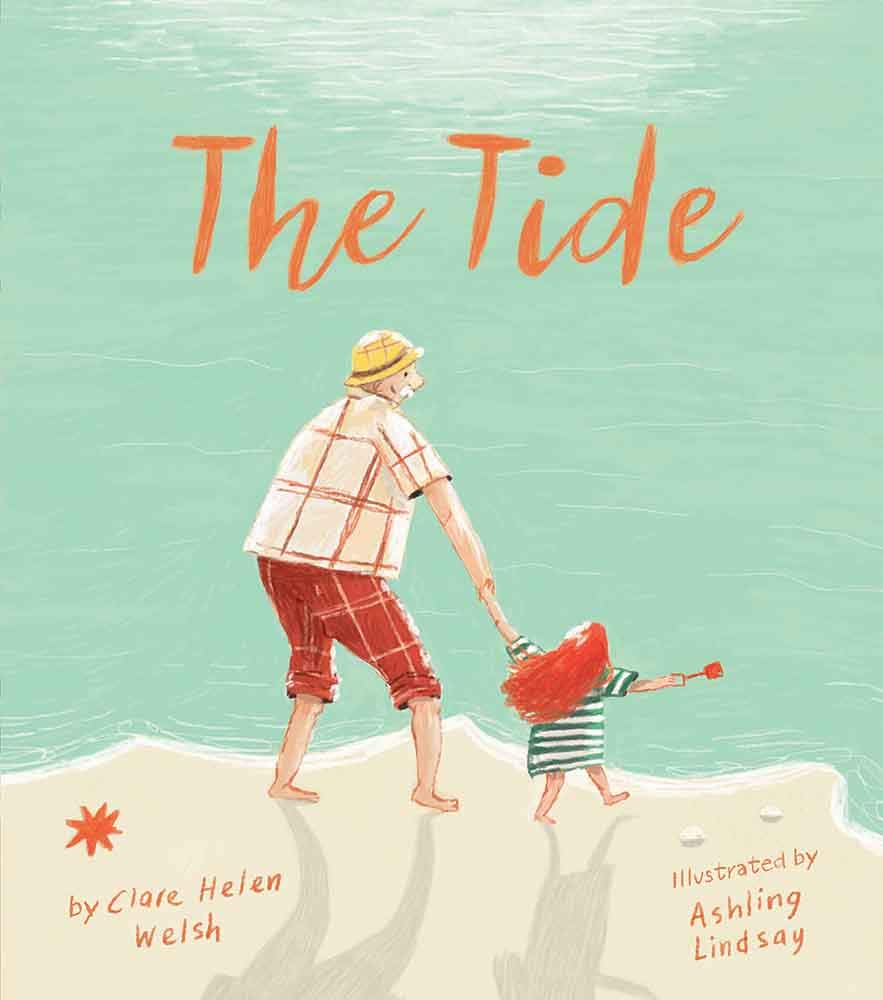
Illustrated by Ashling Lindsay, this seaside story gives a family a familiar place to be together. There is sand, water, and the pleasure of a day with Grandad. His changing memory becomes part of that day, rather than the only thing that defines him.
What kids notice: The sea keeps moving while the child and Grandad share the beach. The pictures leave space for affection and uncertainty to sit together. Your child may recognize the feeling of enjoying someone’s company while also noticing something different.
Story snapshot: A young girl spends a day at the beach with her grandfather, whose memories come and go like the tide. The story follows their relationship through those changes, holding onto the warmth of being together.
Why this book helps: The tide offers a gentle image for an experience that can be hard to explain. You can ask, “What might make this afternoon comfortable for Grandad?” Keep the metaphor separate from a promise: a particular memory may not return. A pleasant moment can still matter without it.
Grandma Forgets by Paul Russell
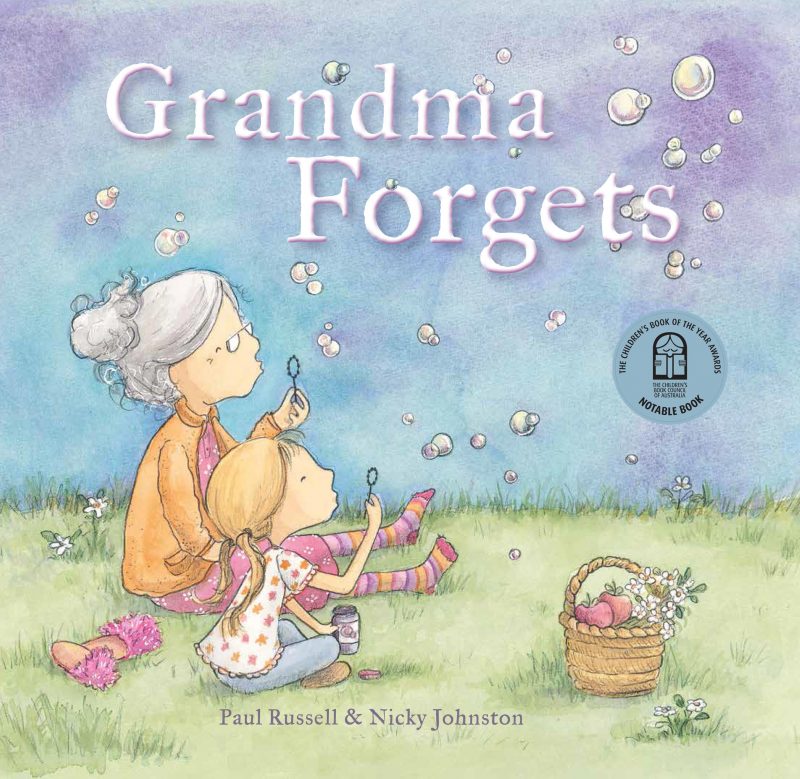
Nicky Johnston’s illustrations accompany a family that remembers many things Grandma no longer does. The story makes room for her history, including Sunday lunches and trips to the beach. She has a life beyond the changes everyone is noticing now.
What kids notice: Grandma changes the rules of familiar games and hides Dad’s keys. Those details may feel recognizable to a child whose family routines have shifted. The family’s shared recollections also show how much they have enjoyed together.
Story snapshot: Grandma is becoming more forgetful. While she cannot recall some of their old experiences, her family remembers them and continues making new memories with her. Their affection remains part of everyday family life.
Why this book helps: You can use the story to talk about adapting an activity instead of correcting every difference. A game might become simpler; an outing might become shorter. Explain that Grandma is not forgetting on purpose. Your child can join in when they wish, while adults manage practical problems and keep everyone safe.
Holding On by Sophia N. Lee
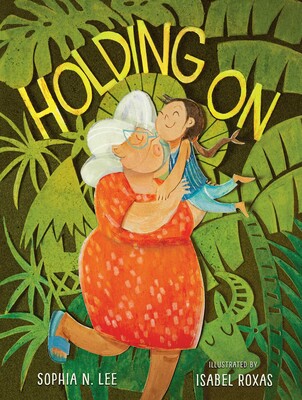
Music fills Lola’s home in the Philippines. Isabel Roxas illustrates a relationship shaped by songs, shared time, and a grandmother’s presence. This book invites you to notice the particular person your child loves: her tastes, her voice, and the things she has passed along.
What kids notice: Lola’s songs are woven into ordinary days. Later, the quiet feels different because readers have experienced that lively beginning. Your child may connect it with a familiar tune or a grandparent’s favorite way of spending an afternoon.
Story snapshot: A girl grows up with her grandmother’s music and advice. As Lola becomes quieter and her memory fades, her granddaughter draws on the songs and joy they have shared to find ways of connecting with her.
Why this book helps: It offers companionship that does not depend entirely on conversation. Perhaps you could listen to a familiar song together, if your relative enjoys it. Follow their response rather than expecting a performance. Music is an invitation to share a moment, not a test or a treatment your child must provide.
Hundred Years of Happiness by Thanhhà Lại
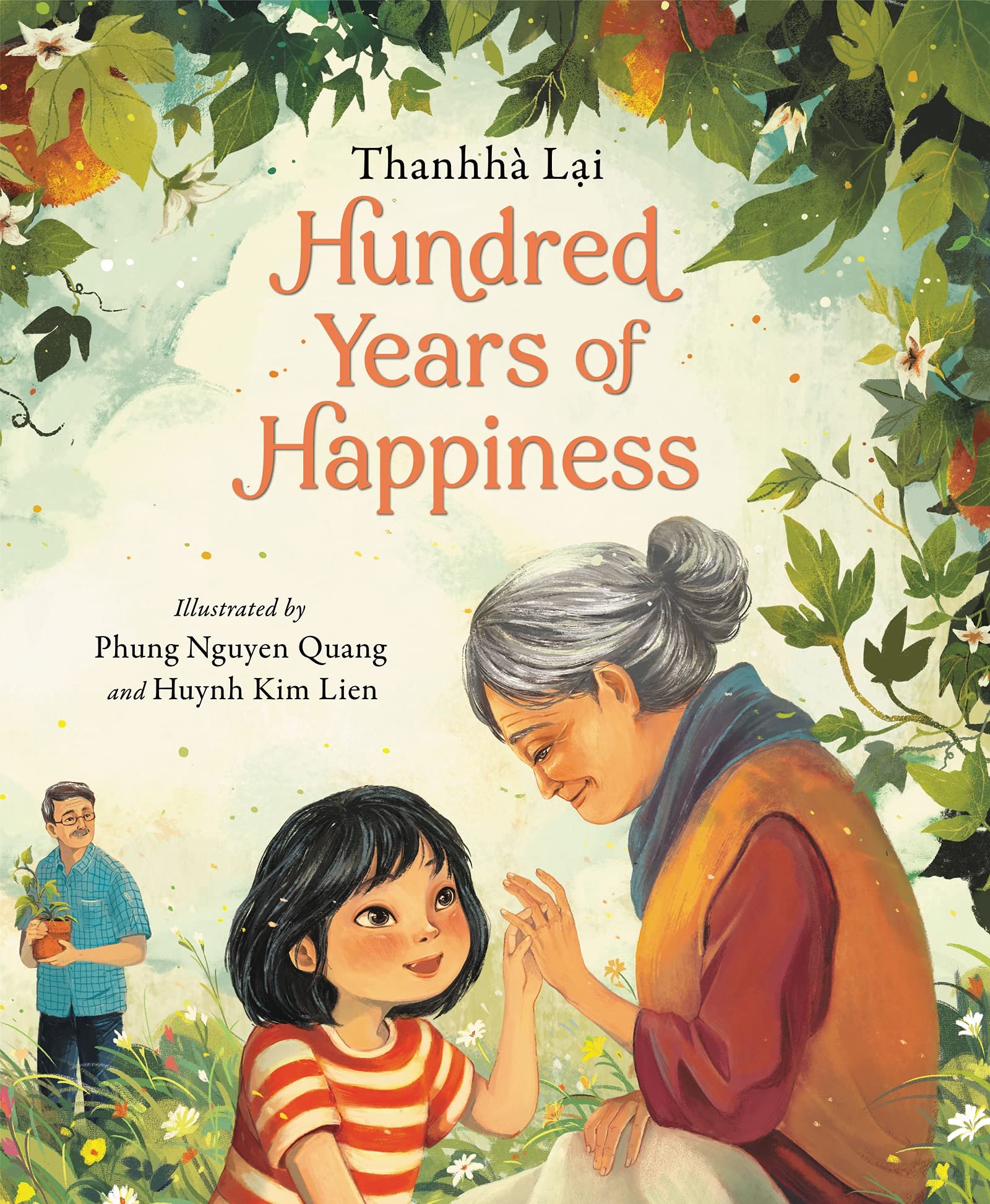
Illustrated by Phung Nguyen Quang and Huynh Kim Lien, this story brings gardening, Vietnamese food, and family history together. The effort unfolds slowly. A granddaughter and grandfather work side by side, hoping to share something meaningful with Bà.
What kids notice: The gấc fruit must grow before the family can prepare the dish. Seeds, flowers, and the finished red sticky rice give children concrete details to follow. Bà’s connection to her wedding in Vietnam makes the food deeply personal.
Story snapshot: An and her grandfather, Ông, grow gấc fruit to make xôi gấc for her grandmother. They hope the dish will connect Bà with a happy memory of her wedding and its wish for a hundred years of happiness.
Why this book helps: An has an adult beside her throughout the shared project. That matters: kindness can be something a family does together. You might offer a familiar food or look at a photograph, following your relative’s preferences and care needs. The story’s moment of recognition is not a result every family can expect or produce.
Newspaper Hats by Phil Cummings
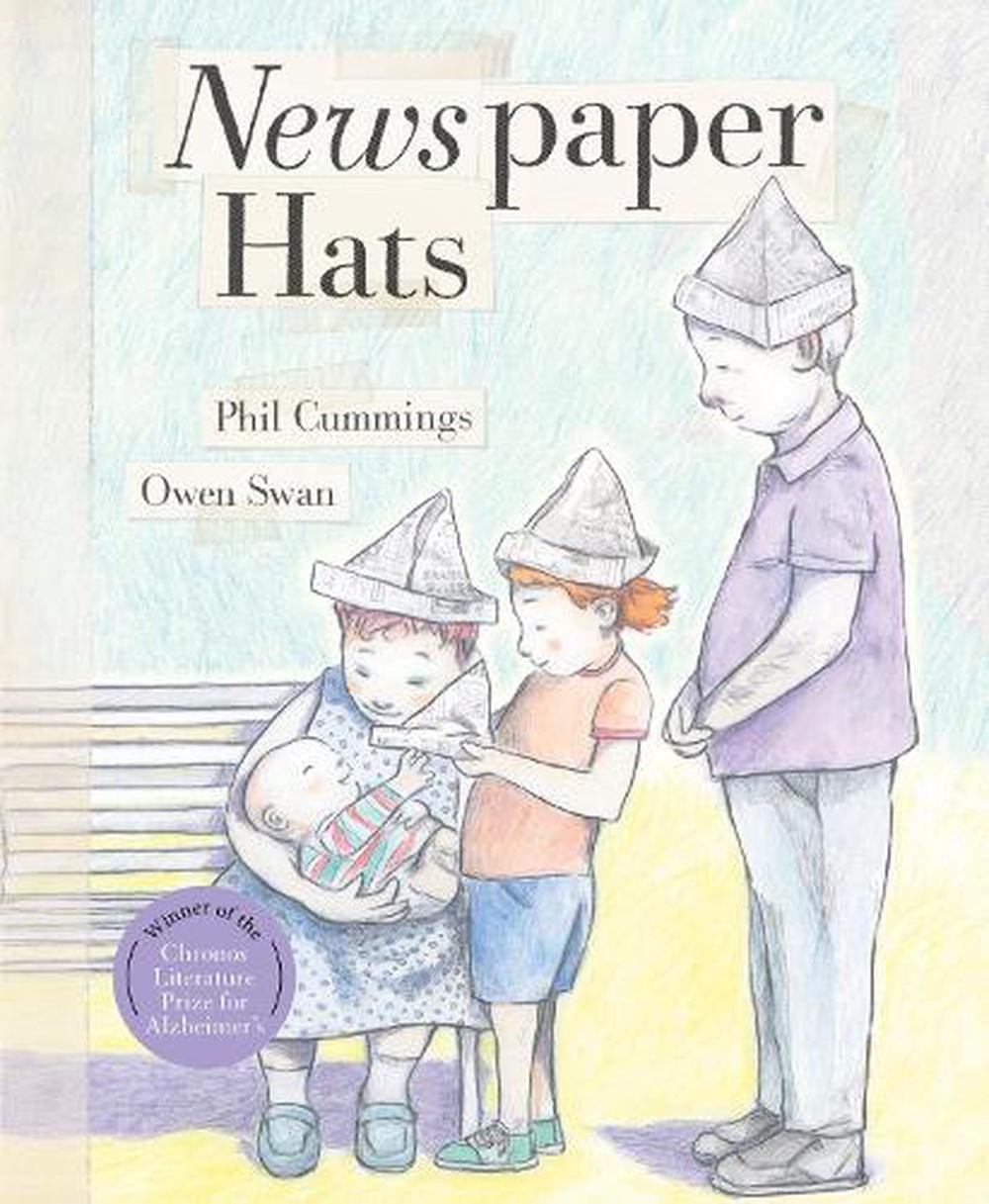
Owen Swan illustrates a visit that may feel especially tender if your child worries about being recognized. Georgie comes with her dad to see Grandpa in his nursing home. Their time together finds a direction beyond asking him to recall the right name.
What kids notice: Ordinary newspaper becomes something people can make and wear together. The activity gives the visit a shared focus. Children can see that company does not always need a long conversation or a perfectly remembered story.
Story snapshot: Grandpa remembers things from long ago but does not remember Georgie. When they begin making newspaper hats, Georgie, her dad, and Grandpa find a way to connect and share the hats with other residents.
Why this book helps: It opens a conversation about a painful possibility without treating Grandpa as a stranger. You can reassure your child that not being recognized is not their fault. Plan a simple activity with the adults involved, and allow a short visit. Your child does not have to hide disappointment to show compassion.
My Singing Nana by Pat Mora
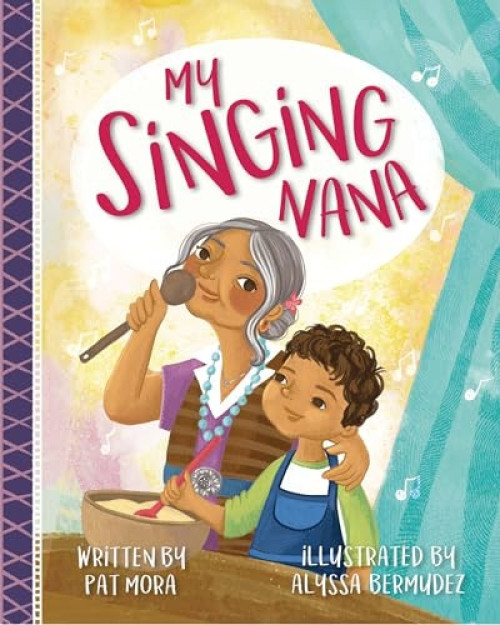
In Alyssa Bermudez’s colorful illustrations, Nana belongs in the bustle of family life. Billy loves baking, singing, and putting on shows with her. When she begins forgetting things, he has a grown-up he can approach with his worries.
What kids notice: Nana has interests and abilities, including singing. She is someone Billy enjoys doing things with. That fuller picture can help your child keep seeing a grandparent’s personality alongside the changes that concern them.
Story snapshot: Billy worries about Nana’s forgetfulness and talks with his mother. When his sister becomes too ill to sing in the family’s summer show, Billy and Nana work together on an act for the performance.
Why this book helps: Billy’s conversation with his mother gives you a useful starting point: “What have you noticed? What are you wondering?” The family’s show also makes space for Nana’s contribution. Adapt that idea to your own relative’s energy and interests. Participation can be quiet and optional; nobody needs to entertain the family to belong.
Coffee, Rabbit, Snowdrop, Lost by Betina Birkjær
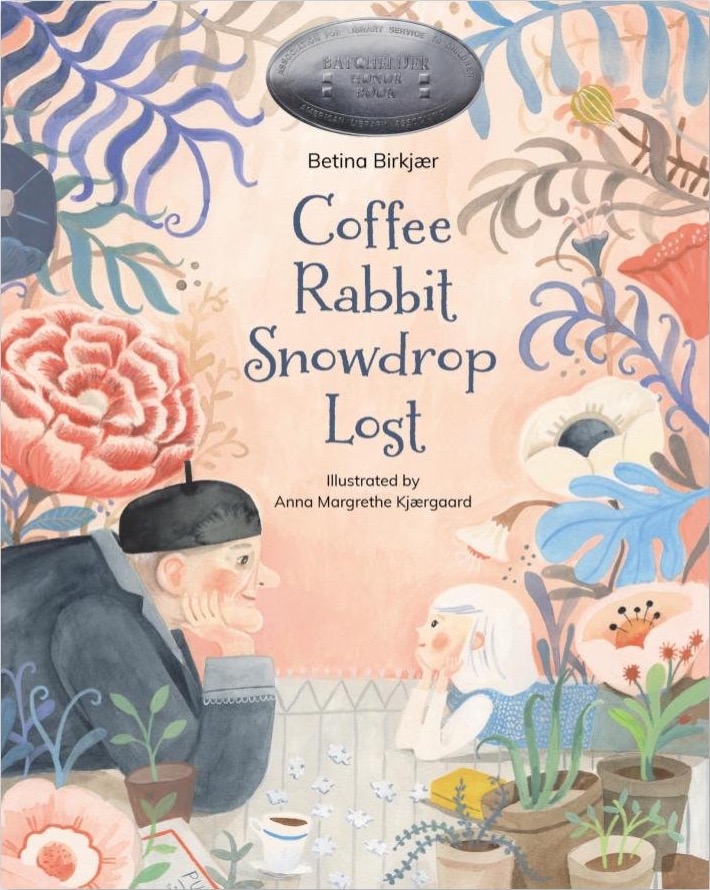
Illustrated by Anna Margrethe Kjærgaard and translated from Danish by Sinéad Quirke Køngerskov, this book makes lost words visible. Its imaginative approach may suit a child who wants a picture for something they cannot see happening inside a grandparent’s mind.
What kids notice: Words appear to fall away from Grandpa. A special box offers Stump somewhere to put them. That visual idea can express a child’s wish to gather up the changes and make everything feel familiar again.
Story snapshot: Stump enjoys flowers and puzzles with his grandparents. As Grandpa loses words and memories, Stump collects the missing words in a box. Eventually, Stump and Grandma need other ways to stay connected with him.
Why this book helps: The story acknowledges the wish to fix something that love alone cannot reverse. You can tell your child, “You don’t have to find all the missing words.” Looking at flowers or sitting nearby may offer company, if welcome. The book also includes an afterword for adults about dementia and meaningful time together.
Remind Me by Linda Shute
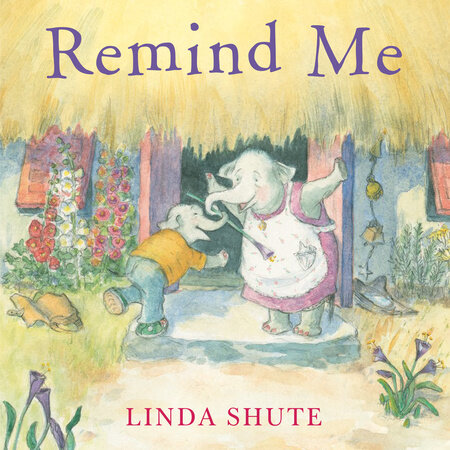
Linda Shute’s gentle elephant characters create a little distance from a difficult human experience. Eldon loves hearing Big Ella’s stories. When their familiar pattern changes, he has feelings that may echo your child’s own confusion and concern.
What kids notice: Big Ella begins by needing small reminders, then struggles with more significant things, including names and finding her way. Preview those moments before reading. They may invite questions your child has not felt able to ask.
Story snapshot: Eldon’s grandmother has always helped him remember stories about his life. As Big Ella becomes increasingly forgetful, Eldon begins reminding her. Their relationship continues through changes that are sometimes funny and sometimes worrying.
Why this book helps: You can recognize Eldon’s affection while explaining the difference between a story and a child’s responsibilities. In your family, grown-ups handle supervision and safety. Your child can offer a greeting, a drawing, or company without becoming a caregiver. They can also ask you for help when something feels confusing or upsetting.
Put Your Child in the Heart of the Story
Seeing their own name and face in a story can make a reading moment feel personal. With Scrively, you can explore personalized stories together and talk about the kindness your child notices in the characters.
Keep the conversation small and open: “What could we enjoy together on our next visit?” Let your child suggest something or simply listen. Avoid turning a personalized story into a promise that their kindness will restore someone’s memory. They deserve space to be loved and supported, too.
There Is Still Room for an Ordinary Afternoon
You do not need a perfect explanation before you open a book. Start with what your child has noticed, answer honestly, and let the conversation continue another day. A familiar song, a shared picture, or a few comfortable minutes can give you something to enjoy together.
Compassion can include sadness, questions, and breaks. Keep showing your child that their grandparent deserves respect and that their own feelings deserve care. You can help them stay connected while making sure the grown-ups carry the responsibilities that belong to grown-ups.