When Sorry Needs an Action: 8 Children’s Books About Making Amends
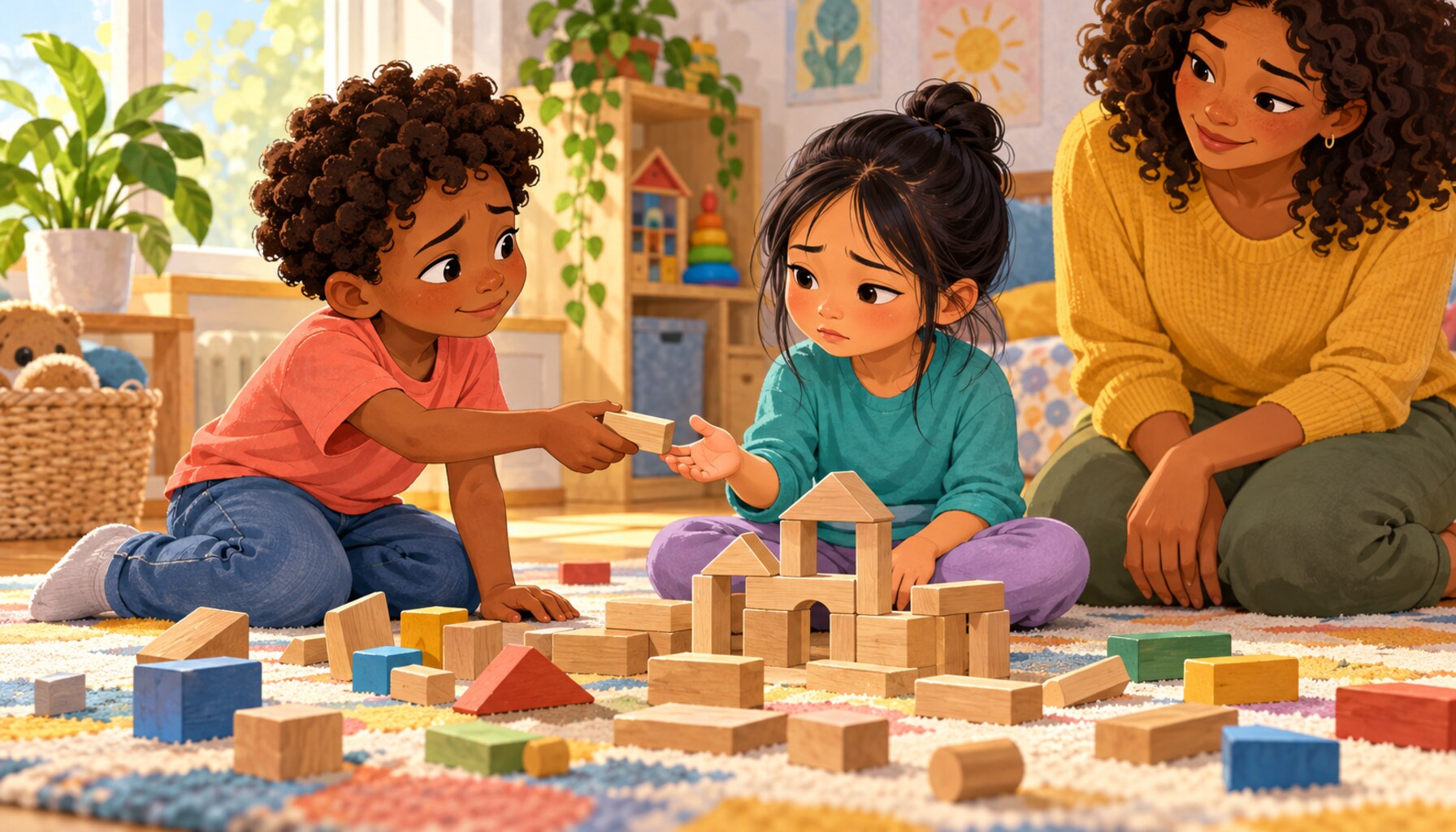
Your child says sorry, and then looks at you as though the whole problem should be finished. Across the room, a sibling is still crying over a broken creation. The words have arrived. The blocks are still on the floor.
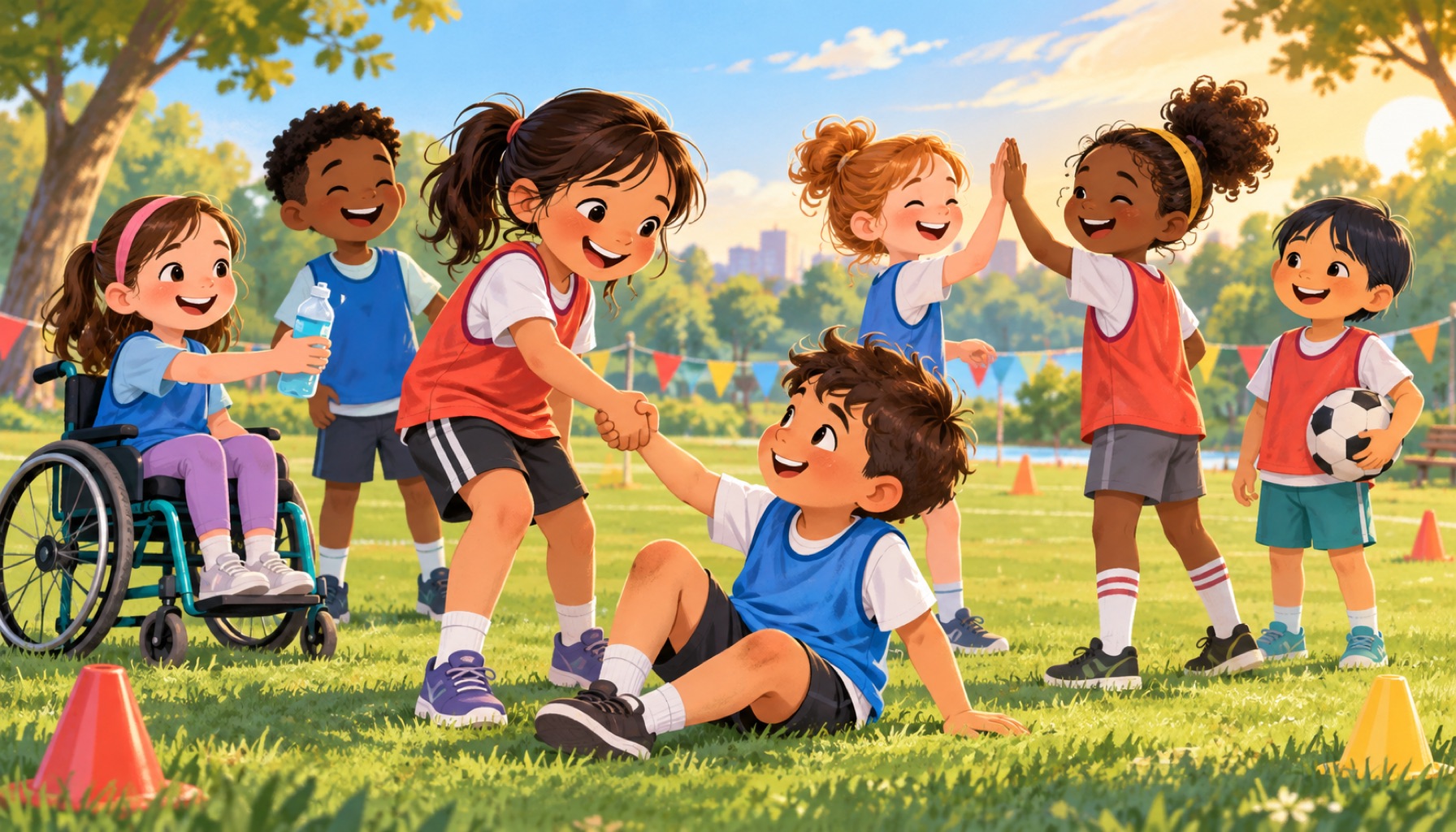
You may recognize the gap between wanting forgiveness and knowing how to repair harm. Children need help connecting an apology to the person who was hurt: What did they lose? What would help now? What could we do differently next time?
Repair can be small and concrete. It might mean gathering the scattered pieces, replacing something used without permission, or giving a friend space before offering help. Some damage cannot be undone. Even then, your child can listen, take responsibility, and follow through without demanding that everything feel better immediately.
These children’s books about making amends give you different places to begin. Read them when everyone is calm enough to wonder together. A character’s mistake gives you a little distance to consider what comes next.
8 Children’s Books That Help Turn Sorry into Action
As you read, notice what happens after the apology. Does someone offer help, replace what was lost, or change a habit? Let your child suggest possibilities, while remembering that the person who was hurt gets a say in what would actually help.
I’m Sorry You Got Mad by Kyle Lukoff, illustrated by Julie Kwon
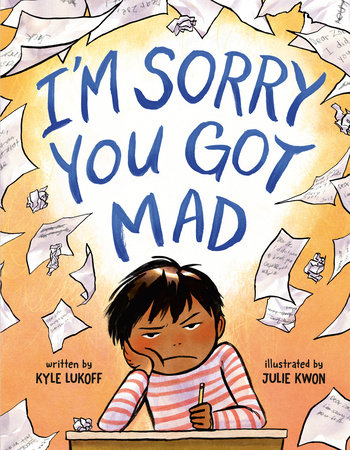
A written apology can look polite while avoiding responsibility. If your child has ever explained a mistake by pointing to someone else’s reaction, Jack’s letters give you plenty to discuss.
What kids notice: Jack keeps trying to get the apology finished, but his teacher keeps asking him to look more closely. Small changes in the wording reveal big changes in how honestly he understands what happened.
Story snapshot: Jack knocks down Zoe’s block castle and struggles to write an apology. With patient feedback from Ms. Rice, he moves beyond excuses and starts naming his own choice. The process asks him to acknowledge the harm, express genuine regret, and offer to help fix what he damaged.
Why this book helps: You can separate two useful steps: saying clearly what you did and offering a repair that fits. Ask what Zoe might want before suggesting a solution. Helping rebuild could be welcome; taking over her next creation would miss the point. A helpful offer leaves room for the other person’s answer.
Sonny Says Sorry! by Caryl Hart, illustrated by Zachariah OHora
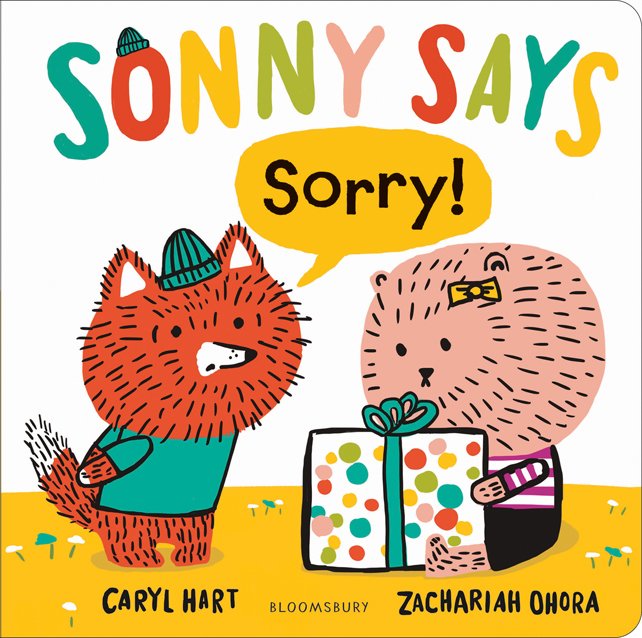
Some mistakes leave a very visible empty space. In Sonny’s case, it is where an untouched cake should be. The playful animal characters make this an approachable read for children who are still learning that wanting something does not make it theirs.
What kids notice: The tempting box, the chocolatey evidence, and Honey’s tears make the problem easy to follow. Saying sorry does not bring back the treat she was expecting, so the friends need another step.
Story snapshot: Sonny discovers a gift box meant for Honey. Curiosity wins, and Sonny and Boo eat some of the cake inside. Honey arrives to find her cake partly eaten. Their apologies cannot restore it, but Sonny has an idea: they can make a new cake together.
Why this book helps: The repair connects directly to the loss. You can ask your child what a fair replacement might involve in an everyday situation: time, ingredients, effort, or adult help. Keep the emphasis on contributing, rather than buying forgiveness. Honey’s feelings matter throughout the process, even when the friends find something useful to do.
The Bad Birthday Idea by Madeline Valentine
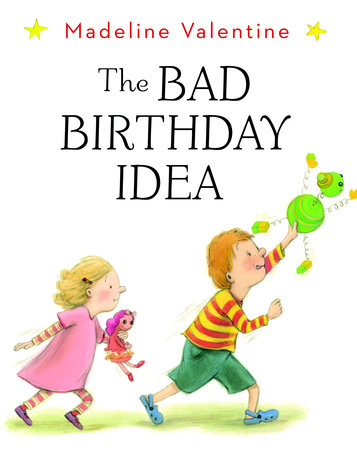
Sibling jealousy can make an ordinary birthday feel unfair. Ben wants the very robot his little sister receives, and his longing leads him into a decision he regrets. You can understand his feelings while still seeing the harm his choice causes.
What kids notice: Ben’s excitement turns into the uncomfortable work of hiding a mistake. The celebration continues around him, but he cannot simply enjoy it. Concealing the damage adds another burden to the broken toy.
Story snapshot: Alice wants to join Ben’s robot games, so she asks for a robot of her own. Before her birthday party, Ben secretly opens and plays with her gift, accidentally breaking it. Eventually, he confesses and gives Alice his own robot to replace the one he ruined.
Why this book helps: Making amends requires Ben to give something up, and it also opens a chance to treat Alice more kindly. Ask which parts of the problem involve the toy and which involve their relationship. At home, help your child find a proportionate repair, without turning every accident into a demand to surrender treasured belongings.
How to Apologize by David LaRochelle, illustrated by Mike Wohnoutka
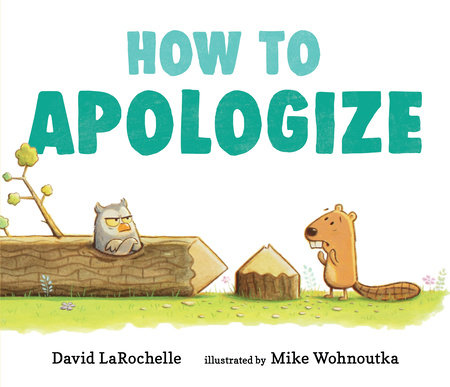
This funny guide uses animal mishaps to explore sincere apologies. You and your child can laugh together before talking about the awkwardness of admitting a mistake.
What kids notice: Familiar problems become wonderfully silly when animals are involved. A porcupine and a popped balloon make it easy to see the difference between a surprising accident and the responsibility that follows it.
Story snapshot: Through a series of examples, the book considers when an apology is needed and how excuses can weaken it. The guidance makes room for uncomfortable feelings and for mistakes that are difficult, or even impossible, to put back exactly as they were.
Why this book helps: Use the examples as invitations to think beyond the sentence itself. After the balloon mishap, you might ask what the friend needs and what help is possible. Make clear that these are your shared ideas, not a test with one correct answer. Repair begins with paying attention, including when a replacement cannot fully restore what was lost.
Zach Apologizes by William Mulcahy, illustrated by Darren McKee
Some children feel remorse but cannot organize it into words or a plan. Zach’s story gives that muddle a shape. Its practical approach may suit a child who likes drawing, clear steps, and a little preparation before a difficult conversation.
What kids notice: Zach gets help thinking through the apology instead of being left with a hurried instruction to say sorry. His mother helps him connect what he did with how his brother was affected.
Story snapshot: After his little brother takes his robo-rocket, Zach pushes him. With his mother’s help, Zach draws and writes a four-part apology. He considers his action, its effect, a different response, and how to make amends. His offer includes letting his brother play with the toy they fought over.
Why this book helps: The last part keeps the apology moving toward action. You can draw your own simple plan together, then help your child choose one realistic next step. Keep safety and the injured child’s needs first. The drawing is preparation for taking responsibility; it should never become a performance that earns automatic forgiveness.
Finding Forgiveness by Marta Bartolj
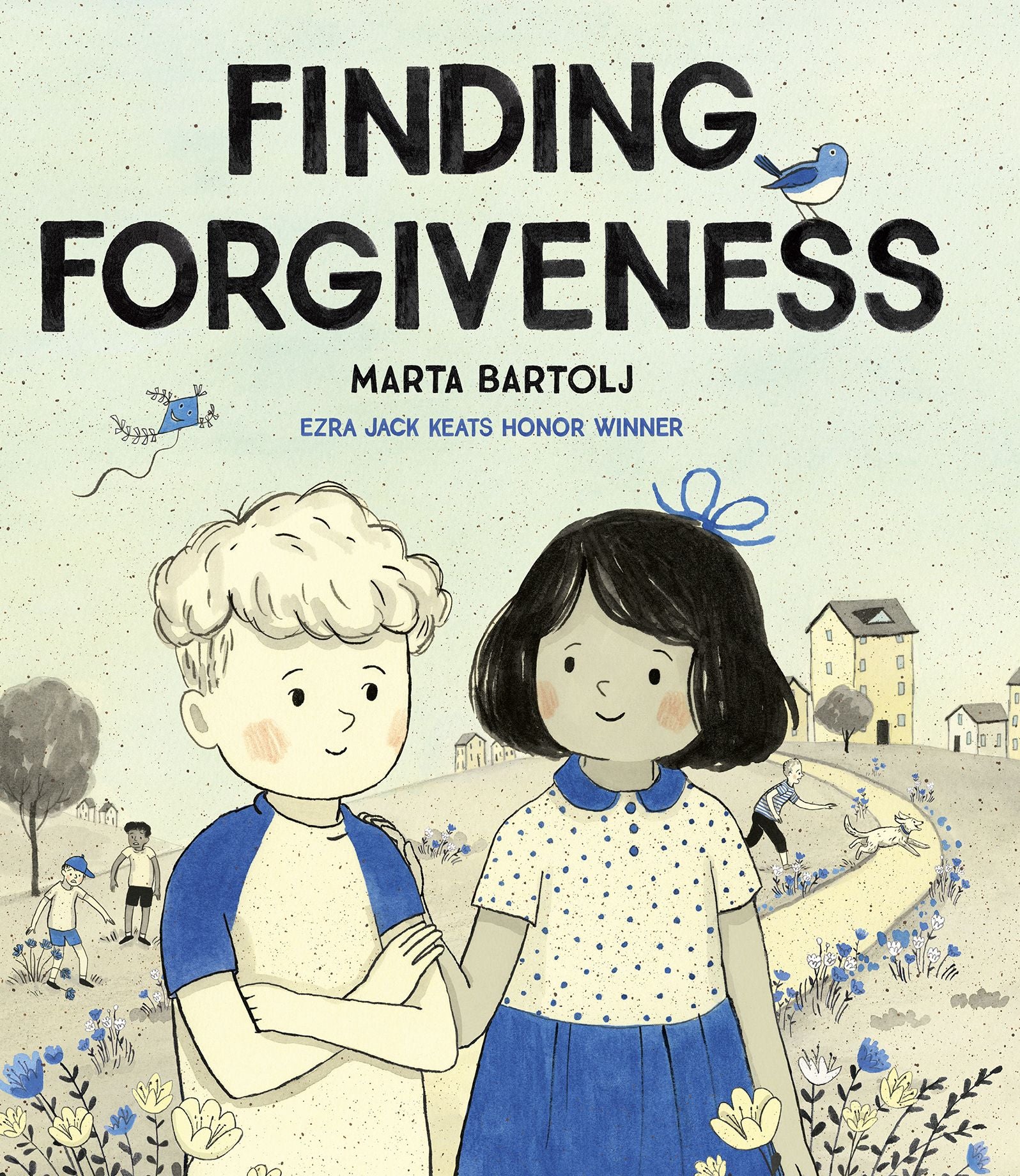
This wordless book lets your child do much of the noticing. Faces, movements, and small acts of care carry the story. You can linger over a picture, disagree gently about what a character feels, and return for another look.
What kids notice: Repair appears in ordinary work: tending damaged flowers and cleaning up a disrupted picnic. The pictures also leave room for anger and hesitation. A relationship does not have to recover on someone else’s timetable.
Story snapshot: When a visiting friend accidentally lets a child’s beloved bird escape, the upset child searches for it. Along the way, other people make mistakes and help put things right. With time, the friends find a way forward that also allows the bird to remain free.
Why this book helps: Ask your child to point to the exact moment someone begins helping. What changes when a person stops walking away and joins the repair? Because there is no spoken script to repeat, you can focus on choices and body language. Leave forgiveness unhurried; the useful lesson is noticing harm and responding with care.
The Lumberjack’s Beard by Duncan Beedie
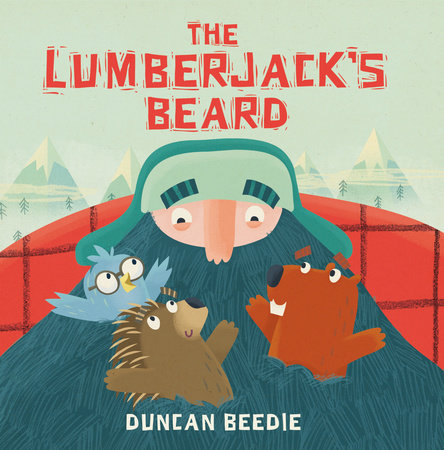
A huge beard provides the wonderfully unlikely starting point for this story about taking responsibility. Jim Hickory’s work affects creatures he has barely noticed. When their needs become impossible to ignore, his familiar routine starts to change.
What kids notice: Animals moving into a lumberjack’s beard are delightfully absurd. The joke also raises a serious question: how long can a temporary solution work when the original problem is still there?
Story snapshot: Jim’s tree-cutting displaces woodland animals, including a bird, a porcupine, and a beaver. He offers them space in his beard, but the arrangement soon becomes uncomfortable. His response grows beyond that quick fix to include replanting and caring for trees over time.
Why this book helps: This is repair shown through effort and changed behavior. It invites you to discuss both immediate help and a longer-lasting response. In your child’s world, that might mean helping mend a damaged project and then asking before borrowing its pieces again. The second step matters because thoughtful repair also considers how to prevent the same harm from happening repeatedly.
The Forgiveness Garden by Lauren Thompson, illustrated by Christy Hale
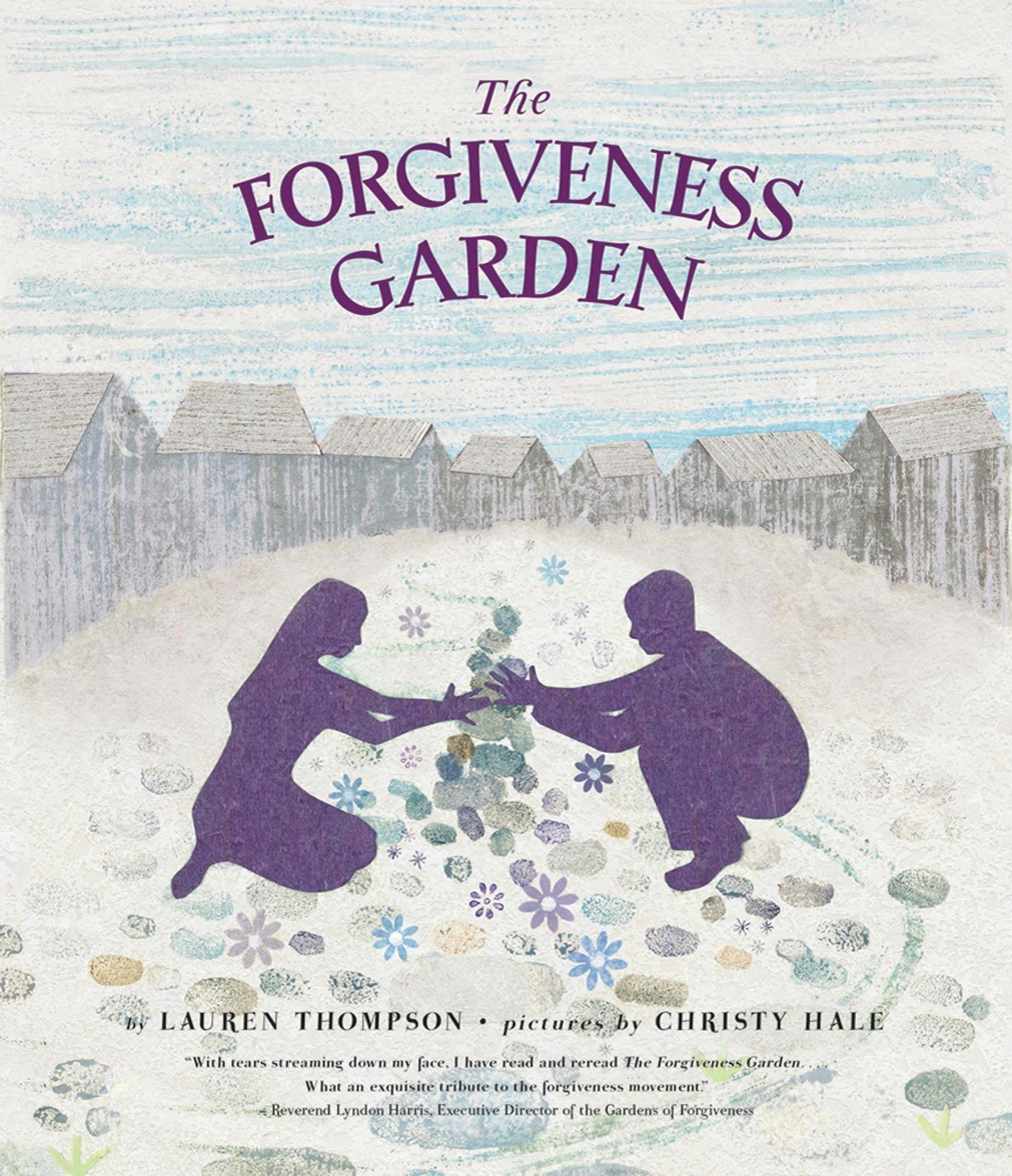
For a longer conversation, this story broadens repair from a disagreement between children to a conflict shared by whole communities. Read it together, leaving room for questions about hurt, anger, and the difficulty of choosing another way forward.
What kids notice: The same hands that can throw stones can help build something. Creating a garden gives the characters a shared task, making a change in their relationship visible through work rather than a quick declaration.
Story snapshot: Two villages have a long history of hostility. After a boy throws a stone that injures a girl, she rejects the expected retaliation and proposes a garden. The boy initially resists, then contributes to creating a place where people can meet and talk.
Why this book helps: Keep the conversation focused on the responsibility of the person who caused harm and the work of rebuilding trust. The injured girl’s choice belongs to her. Your child never owes someone reconciliation to prove they are kind, and adults remain responsible for safety. The garden offers a possibility when people are willing to contribute, rather than a rule that forgiveness must follow.
Put Your Child in the Heart of the Story
A personalized Scrively story can bring these questions into a situation your child recognizes. Perhaps their character knocks over a sibling’s cardboard town, uses a friend’s supplies without asking, or says something hurtful during a game.
Give the character a believable next step: ask what help is wanted, gather materials, or practice a different response. Let the other person have feelings and choices, too. The ending can hold hope without pretending that one helpful act immediately restores trust.
Seeing themselves in that story can give your child something concrete to talk about. You might pause before the repair and ask what they would try, then explore the possibilities together.
Help Them Find the Next Caring Step
When the real-life mistake happens, begin with safety and a little calm. Then help your child name what happened and notice who was affected. A gentle question such as “What could you do to help now?” can turn their attention toward a manageable action.
You can model the same process when you get something wrong. Own your part, listen, and follow through. If the repair takes several days, show your child that returning to it matters. Care often becomes believable through repeated choices.
Your child will still need reminders. They may need your help finding tape, replacing ingredients, or giving someone space. Each time they practice, they get another chance to connect caring words with caring hands. That is something you can keep building together.