When Your Child Feels Like the Odd One Out: Books That Celebrate Authenticity
You see it happen quietly.
Your child walks into a room, looks around, and suddenly realizes they do not quite match the crowd. Perhaps they love shiny rain boots when everyone else wears sneakers. Consequently, they slowly try to hide those boots under the table.
It is a heartbreaking moment for a parent to witness. Above all, you want them to know that their unique quirks are their greatest gifts.
However, simply telling them to “be themselves” often falls flat when the pressure to fit in feels so heavy.
Children naturally crave belonging and connection. Furthermore, they quickly notice when their hobbies, traits, or lunchbox snacks make them stand out.
As a result, they might start shrinking their bright personalities just to blend into the background.
We need to show them that true belonging does not require changing who they are. Most importantly, stories can gently teach them that being different is exactly what makes the world so wonderful.
Here are some of the best books to help your child boldly embrace their authentic self.
Odd Dog Out by Rob Biddulph
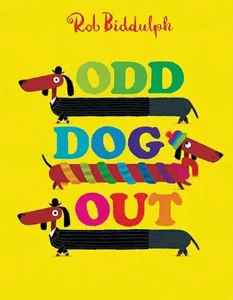
This vibrant, rhyming story follows a very good dog who simply does not fit in with the rest of her city. Everyone else walks the same way, dresses the same way, and does the exact same things.
Therefore, she packs her bags to find a place where she truly belongs. Ultimately, she discovers that blending in is nowhere near as fun as standing out.
What kids notice: Children immediately spot the hilarious visual differences between the main character and the sea of identical dogs on every page.
Story snapshot: A dog who feels completely out of place travels across the world to find a city of dogs just like her, only to realize she misses her home. While she is away, she meets someone who helps her see that her unique style is something to celebrate.
Why this book helps: This book brilliantly shifts the narrative from feeling awkward about being different to feeling proud of your unique spark. Furthermore, it reassures children that finding your confidence often inspires others to finally embrace their own quirks, too.
A Bad Case of Stripes by David Shannon
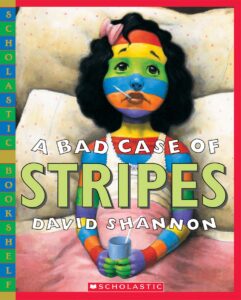
Camilla Cream loves lima beans, but she refuses to eat them because her friends hate them. She cares so much about what other people think that she literally begins to change colors.
This iconic book is wonderfully weird and deeply impactful. It paints a vivid picture of what happens when we ignore our true selves to please a crowd.
What kids notice: Kids are completely captivated by Camilla’s wild, changing skin patterns. They laugh at how she turns into a giant pill or a checkerboard.
Story snapshot: Camilla wakes up covered in rainbow stripes, and her condition worsens every time someone suggests a new pattern or shape. Doctors are baffled, and the only cure turns out to be admitting her true love for lima beans.
Why this book helps: It provides a clear, visual metaphor for the exhaustion of constantly trying to be what everyone else wants you to be. Most importantly, it teaches kids that accepting your authentic self is the only way to find real comfort in your own skin.
Spaghetti in a Hot Dog Bun by Maria Dismondy
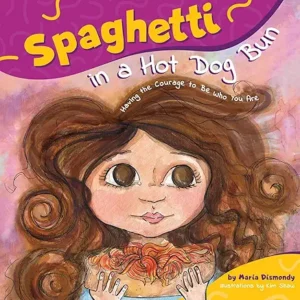
Lucy has big, curly hair and loves eating spaghetti in a hot dog bun for lunch. Unfortunately, a boy named Ralph makes fun of her for being different.
This sweet story tackles the harsh reality of playground teasing. However, it handles the conflict with incredible warmth, grace, and courage.
What kids notice: Young readers quickly connect with Lucy’s lunchbox choices and feel the sharp sting of Ralph’s mean comments.
Story snapshot: Lucy struggles to stay true to herself when Ralph constantly mocks her quirks. When Ralph finds himself in a scary situation on the playground, Lucy must decide whether to help him or walk away.
Why this book helps: It empowers children to hold onto their unique traits even when others do not understand them. Consequently, it shows that you can stay authentic and still offer kindness to those who struggle to accept you.
Chrysanthemum by Kevin Henkes
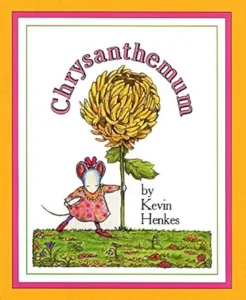
Chrysanthemum absolutely loves her unique, beautiful name until she starts school. Suddenly, the other girls tease her because it is so long and named after a flower.
This classic book captures the delicate nature of early self-esteem. It reminds us how quickly a child’s joy can wilt under peer pressure.
What kids notice: Children feel a deep empathy for Chrysanthemum as she droops a little lower after every school day.
Story snapshot: A little mouse goes from loving her special name to wishing she were named something common like Jane. Fortunately, a beloved, quirky music teacher helps the whole class see just how magical Chrysanthemum’s name truly is.
Why this book helps: It directly addresses the pain of feeling like the odd one out over something you cannot change, like a name or a family trait. Furthermore, it models how one supportive person can completely rebuild a child’s confidence and self-worth.
Stand Tall, Molly Lou Melon by Patty Lovell
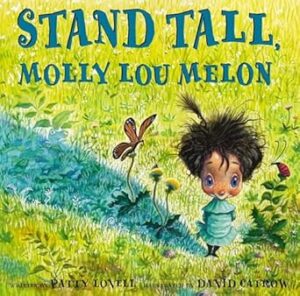
Molly Lou Melon is tiny, clumsy, and has buck teeth, but her grandmother taught her to walk with pride. She carries that fierce confidence with her when she moves to a new town.
This story is a masterclass in joyful defiance. It proves that confidence is an inside job, no matter what you look like.
What kids notice: Kids adore Molly Lou’s big voice, her funny tricks, and her absolute refusal to let anyone bring her down.
Story snapshot: When Molly Lou starts at a new school, the class bully immediately tries to make her feel small. Instead of crying, she uses her unique traits to amaze everyone and eventually wins the bully over.
Why this book helps: It teaches kids that owning your differences is the strongest shield against bullying and insecurity. Most importantly, it gives parents a beautiful script for building up a child’s self-belief before they face the world.
The Big Orange Splot by Daniel Pinkwater
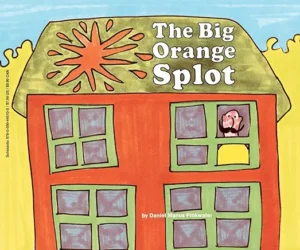
Mr. Plumbean lives on a “neat street” where every single house looks exactly the same. One day, a seagull drops a can of bright orange paint on his roof.
Instead of fixing it, he decides to paint his entire house to look like his dreams.
This book is a delightful celebration of creativity and non-conformity.
What kids notice: Readers love watching the boring street slowly transform into a wild, colorful neighborhood.
Story snapshot: Mr. Plumbean ignores his neighbors’ complaints and turns his house into a tropical masterpiece. One by one, the neighbors come to talk sense into him, but they end up leaving inspired to paint their own true dreams.
Why this book helps: It illustrates the concept of authenticity on a grand, community-wide scale. Consequently, it shows children that being bravely yourself can actually give other people the permission they need to do the exact same thing.
Spoon by Amy Krouse Rosenthal
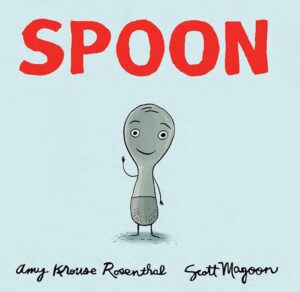
Spoon feels boring compared to his friends Knife, Fork, and Chopsticks. He thinks they have all the fun because they get to cut, poke, and grab.
This clever story takes place in the kitchen drawer. It perfectly captures the feeling of comparing your everyday life to someone else’s highlight reel.
What kids notice: Children find the talking utensils hilarious and enjoy seeing the everyday items come to life.
Story snapshot: Spoon sulks about being plain while his mother tries to cheer him up. Meanwhile, the other utensils are actually jealous of Spoon because he gets to do cozy things like dive into ice cream and stir warm tea.
Why this book helps: It helps children process jealousy and the feeling of being inadequate compared to peers. Furthermore, it gently reminds them that their specific abilities are incredibly special, even if they seem ordinary at first glance.
Red: A Crayon’s Story by Michael Hall
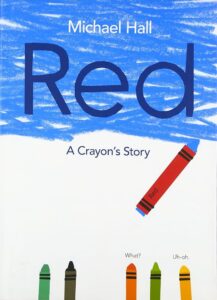
A crayon has a bright red label, but everything he draws comes out blue. Everyone tries to fix him, tape him, and force him to try harder to be red.
This is a profound, beautifully simple story about identity.
It tackles the heavy burden of trying to meet external expectations when they don’t match your internal truth.
What kids notice: Kids quickly realize the Crayon is actually blue and get frustrated that the other supplies cannot see the obvious truth.
Story snapshot: Despite his label, the crayon fails at coloring strawberries and fire engines. Finally, a new friend asks him to draw an ocean, and he discovers his true, brilliant purpose.
Why this book helps: It is arguably one of the best books for discussing true authenticity and inner identity. Most importantly, it validates the relief and joy a child feels when they are finally seen and accepted for who they really are.
Put Your Child in the Heart of the Story
Sometimes, the best way for a child to understand their unique value is to see themselves as the hero of a story. Consequently, personalized stories can make abstract concepts feel deeply real.
With Scrively, you can create 100% custom kid’s books that tackle the exact emotional hurdles your child is facing right now.
For instance, if your child is struggling to embrace a specific hobby or physical trait, you can write a story that celebrates that exact detail.
You can guide them through their feelings of being the odd one out in a safe, magical way. Above all, you get to show them that their true, authentic self is always worth celebrating.
A Final Thought on Embracing Quirks
Watching your child struggle to fit in is never easy. However, helping them find their authentic voice is one of the greatest gifts you can give them.
Every time you read one of these stories, you are planting a seed of confidence. Furthermore, you are reminding them that the world needs their specific, wonderful brand of magic.
Keep cheering for their shiny boots, their big dreams, and their unique ideas. Most importantly, let them know that you love exactly who they are, every single day.