Why The “I’m Bored” Phase Is Actually a Brilliant Gift
You hear the heavy sigh from across the living room.
Furthermore, you know exactly what familiar words are coming next.
Your child groans loudly and declares that they have absolutely nothing to do today.
Consequently, your very first instinct is to jump up and fix the problem immediately.
You start listing fun activities, new board games, and messy crafts to keep them busy.
However, constantly entertaining your child can actually block their natural creativity.
Boredom is not a bad word or a parenting failure on your part.
Instead, unstructured time serves as a powerful launchpad for deep self-discovery.
Most importantly, an empty afternoon quietly forces kids to look inward for ideas.
They have to rely entirely on their own minds to create something brand new.
Therefore, we must begin shifting the narrative from “I’m bored” to finding wonder.
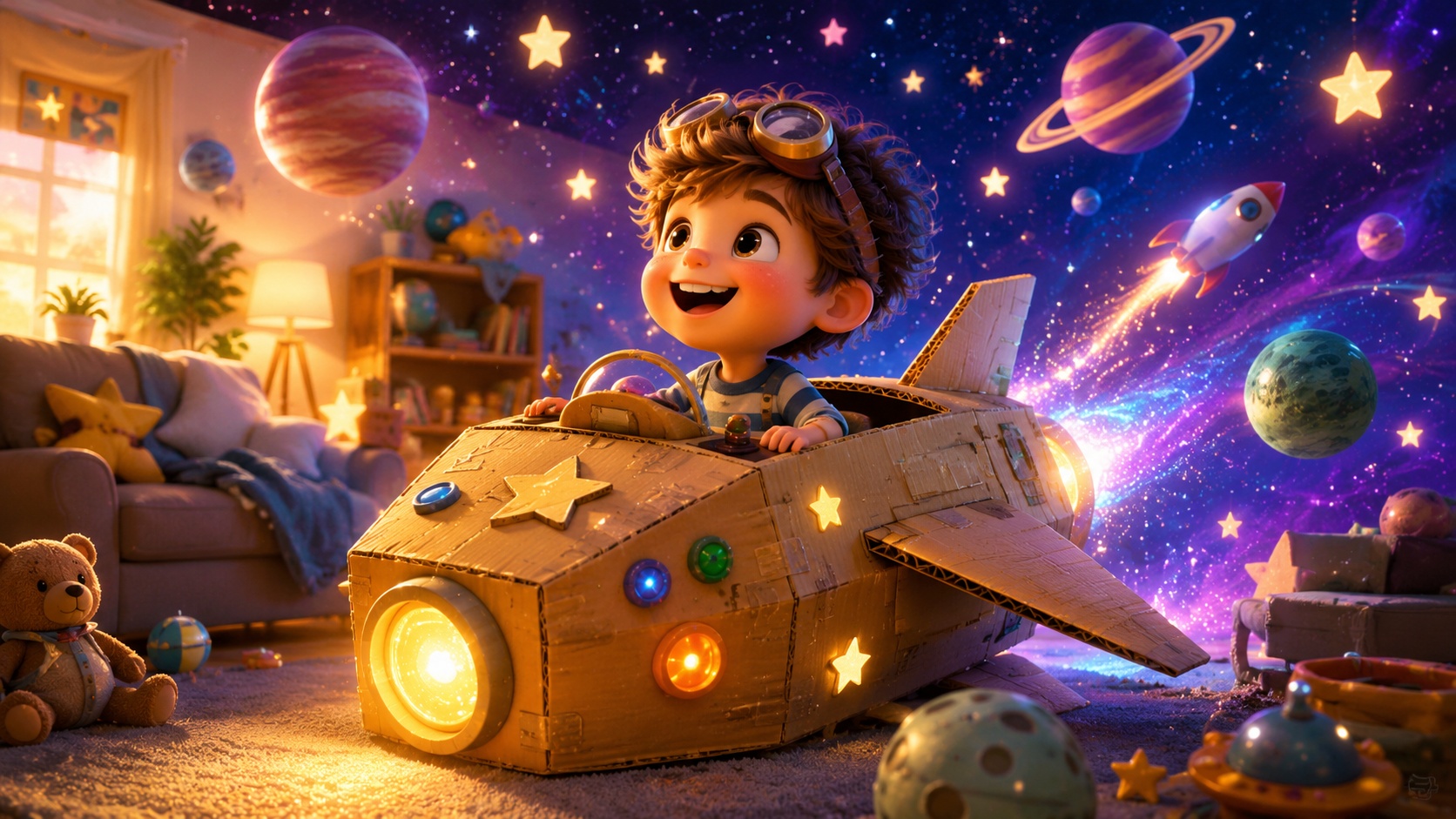
For instance, a plain old cardboard box suddenly becomes a giant magical castle.
Similarly, a perfectly quiet afternoon transforms into a wild, exciting backyard adventure.
These stories will help your child embrace the quiet gaps in their busy days.
1. I’m Bored by Michael Ian Black
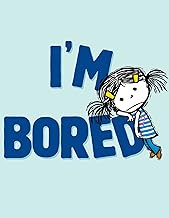
This delightful book is absolutely hilarious and incredibly relatable for any young reader.
Furthermore, it perfectly validates that grumpy, stuck feeling children get when time drags slowly.
What kids notice: They instantly notice the funny little potato character who thinks kids are totally boring.
Story snapshot: A deeply bored little girl meets a strange potato who claims children are dull, forcing her to prove him wrong with her wild imagination.
Why this book helps: This funny story tackles the bad mood of boredom head-on with gentle humor.
Consequently, it shows kids that they have the power to entertain themselves anytime.
The little girl has to dig deep to show the potato how fun she can be.
Therefore, she ends up creating amazing games just to win the silly argument.
Most importantly, it shifts the focus away from needing an adult to provide toys.
It teaches children that their own active minds are the best toys of all.
2. Not a Box by Antoinette Portis
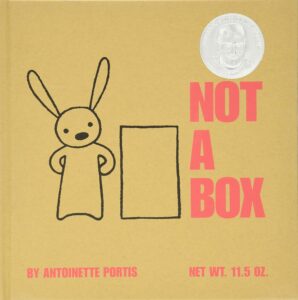
This simple story is a timeless classic that celebrates the magic of everyday objects.
For instance, it uses clean, basic lines to show how a simple shape can become anything.
What kids notice: Children love watching the plain cardboard box transform into cool things like race cars and tall mountains.
Story snapshot: A creative little bunny repeatedly explains to an unseen adult that the cardboard box he is playing with is actually a spaceship, a robot, and a ship.
Why this book helps: This book is the ultimate champion of using your pure imagination.
Furthermore, it proves that you do not need expensive, flashy toys to have fun.
A simple, empty box offers a totally blank canvas for a child to use.
Consequently, reading this story encourages kids to look at household items differently.
It inspires them to build, dream, and invent when they feel stuck with nothing to do.
Above all, it validates their creative vision and makes pretend play feel incredibly important.
3. On a Magical Do-Nothing Day by Beatrice Alemagna
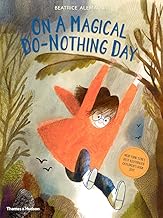
This beautiful book captures the gloomy feeling of a rainy, boring day indoors.
However, it quickly shifts into a gorgeous exploration of nature and quiet discovery.
What kids notice: The vibrant, glowing orange raincoat stands out against the dark, moody forest backgrounds.
Story snapshot: A child loses their video game outside in the rain and is forced to explore the wet, quiet woods, eventually discovering the magical, hidden world of nature.
Why this book helps: This gorgeous story gently challenges our modern reliance on glowing screens.
For example, it shows what happens when digital distractions are finally taken away.
The child is initially angry and bored without their favorite video game to play.
Consequently, they are forced to actually look at the bugs, dirt, and water outside.
Therefore, the book teaches kids that stepping outside can cure the worst boredom.
Most importantly, it celebrates unstructured time as a gateway to exploring the real world.
4. The Nowhere Box by Sam Zuppardi
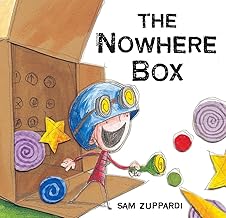
This energetic story is perfect for children who feel overwhelmed by loud siblings.
Similarly, it shows how seeking out quiet, boring space can lead to grand adventures.
What kids notice: Kids love the huge, sweeping illustrations of the imaginary pirate ships and fun roller coasters.
Story snapshot: George wants to escape his annoying younger brothers, so he builds a spaceship out of a box to travel to “Nowhere,” where he can finally play in peace.
Why this book helps: This fun book highlights the deep value of playing alone.
Furthermore, it shows that boredom often happens when we need a mental break.
George uses his alone time to build an incredible world using just his mind.
Consequently, he learns how to enjoy his own company without needing constant outside stimulation.
Therefore, it teaches children that creating a quiet, empty space is actually a gift.
Above all, it empowers kids to take control of their own playtime and happiness.
5. Roxaboxen by Alice McLerran
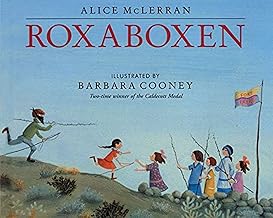
This classic book is a stunning tribute to the power of neighborhood play.
For instance, it beautifully captures how kids can build entire cities out of literal dirt.
What kids notice: They notice the cool borders made of shiny rocks and the old wooden boxes used as pretend store counters.
Story snapshot: A group of neighborhood children uses rocks, sand, and old wooden crates to build a massive, imaginary town called Roxaboxen that they rule themselves.
Why this book helps: This amazing story is the gold standard for independent, creative play.
Furthermore, it proves that kids can make something incredible out of absolutely nothing.
The children in the story do not have fancy playgrounds or structured summer camps.
Consequently, they use their unstructured time to build a whole society together.
Therefore, it inspires modern kids to look at an empty yard as an opportunity.
Most importantly, it shows that the best memories are made when kids are left alone.
6. Harold and the Purple Crayon by Crockett Johnson
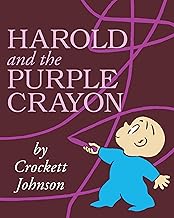
This gentle story is a quiet, soothing journey into a young boy’s mind.
However, it remains one of the most powerful books about taking charge of your day.
What kids notice: The thick, bold purple line that connects every single page and creates the entire world.
Story snapshot: A quiet little boy named Harold decides to go for a walk in the moonlight, using his magical purple crayon to draw the path and everything he meets.
Why this book helps: Harold is the ultimate creator of his own unique destiny.
For example, when he gets stuck in the dark, he simply draws a shining moon.
He never waits for someone else to entertain him or solve his immediate problems.
Consequently, this teaches children that they hold the literal pen to their own fun.
Therefore, when they feel bored, they can simply draw or imagine a new path.
Above all, it promotes deep self-reliance and the wonderful virtue of an active imagination.
7. Weslandia by Paul Fleischman
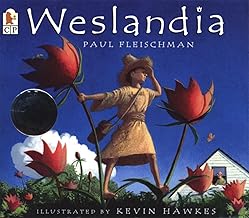
This unique book is for the older, quirky child who feels a bit different.
Similarly, it shows how a long, boring summer vacation can spark a massive project.
What kids notice: Children are fascinated by the strange, tall plants Wesley grows and the cool clothes he weaves.
Story snapshot: Wesley does not fit in with the neighborhood kids, so he uses his summer vacation to grow a mysterious new crop and invent his very own civilization.
Why this book helps: This story tackles the gift of boredom on a grand scale.
Furthermore, Wesley uses his vast amount of free time to learn and invent.
He turns a boring summer into a huge launchpad for deep self-discovery.
Consequently, he creates a world where he perfectly belongs on his own terms.
Therefore, it encourages kids to dive deeply into weird, unique hobbies during their downtime.
Most importantly, it celebrates the incredible things that happen when kids have nothing scheduled.
8. The Most Magnificent Thing by Ashley Spires
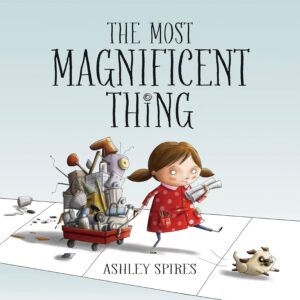
This relatable story focuses on the messy, frustrating process of actually making something.
However, it perfectly highlights what kids can achieve when they have free time to tinker.
What kids notice: The funny, loyal little dog assistant who tries to help the girl build her crazy inventions.
Story snapshot: A little girl decides to build the most magnificent thing, but she gets incredibly frustrated and quits when her invention keeps turning out wrong, until a short walk helps her try again.
Why this book helps: Creating something from scratch is hard, beautiful work.
For instance, when kids try to cure their boredom by inventing, they often fail initially.
This book shows that feeling stuck and getting mad is part of the process.
Consequently, it teaches them to push through the frustration of unstructured playtime.
Therefore, they learn that grit and imagination go hand-in-hand when making something new.
Above all, it gives kids permission to make huge, wonderful messes while they dream.
Put Your Child in the Heart of the Story
Sometimes, the very best way to spark a child’s imagination is to make them the star.
Furthermore, Scrively allows parents to create 100% custom kid’s books to help their child navigate specific emotional challenges[cite: 89].
You can create unlimited books that feature your child exploring their own unique worlds.
Consequently, the process is point and click simple, meaning you can generate a customized book in minutes.
Therefore, if your child is struggling with boredom, you can write a story where they invent a magical kingdom in their own backyard.
Most importantly, PC and Mac compatible tools make it easy to put your child right in the action.
You have the power to show them how creative they truly are.
The next time you hear that heavy, dramatic sigh, take a deep breath.
Furthermore, resist the strong urge to instantly entertain them with a screen or game.
Hand them a blank piece of paper, an empty box, or a quiet space instead.
Consequently, you will be amazed at the brilliant worlds they eventually build.
Above all, remember that letting them be bored is a beautiful, loving gift.