Building the “I Can” Muscle: Books That Inspire Independent Thinking
You probably know the moment. Your child pauses at the edge of a decision. They look to their friends to see what everyone else is doing.
They look to you, waiting for the answer, the instruction, or the easy way out. The instinct to blend in is strong. The desire to follow the leader is safe.
It is comfortable. But beneath that hesitation is a quiet, powerful voice waiting to be heard.
Encouraging independent thinking isn’t about raising a rebel. It is about nurturing autonomy.
It is about giving your child the tools to trust their own mind, to stand confident in their unique choices, and to realize that they do not always have to go along with the crowd just to belong.
You want them to feel the profound power of “I can” when faced with a blank page, a new game, or a tricky social situation.
Autonomy grows slowly. It requires a safe space to practice. It demands a bit of bravery. And most importantly, it thrives on inspiration.
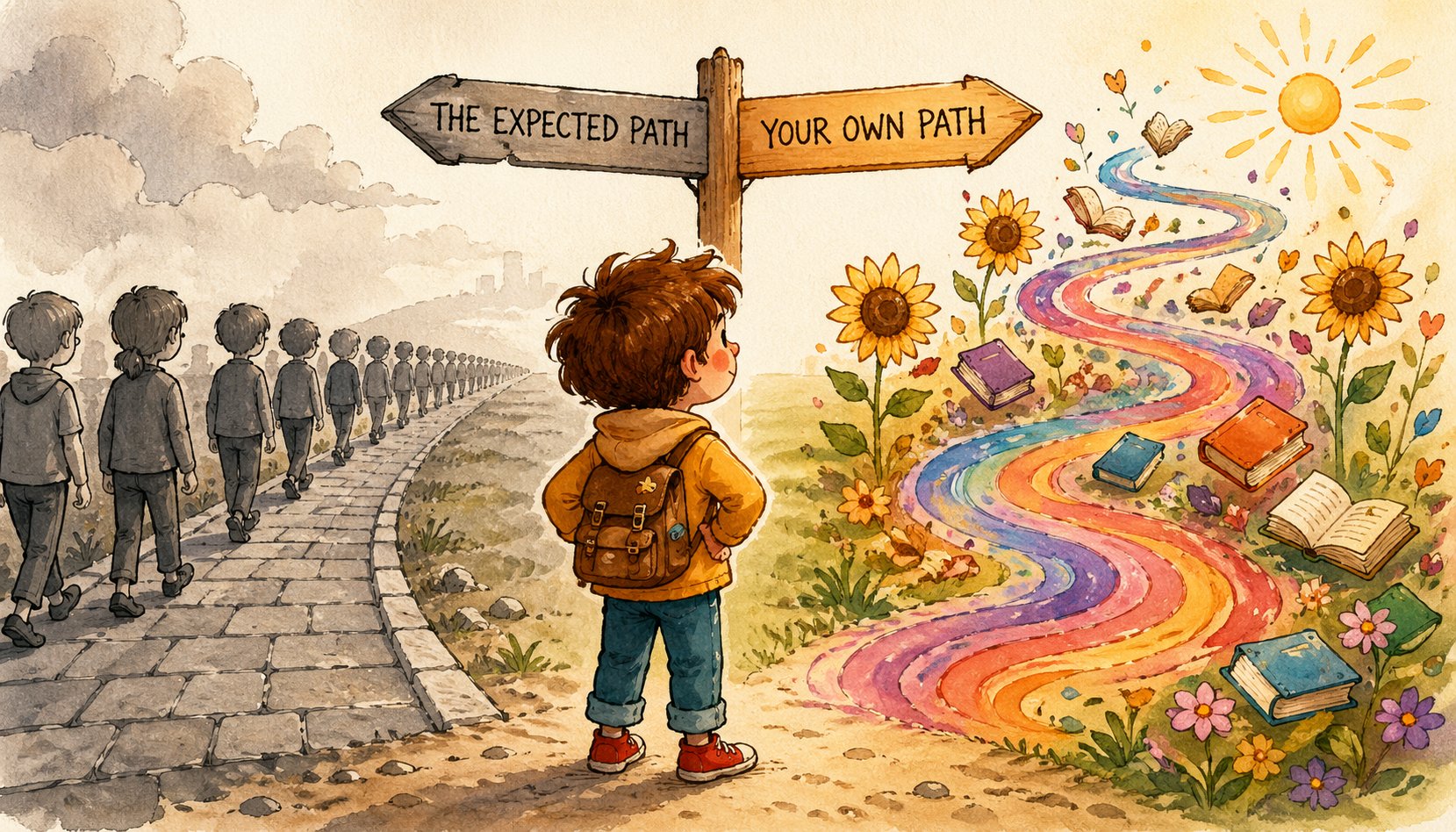
When children see characters stepping off the well-worn path to forge their own way, they begin to understand that their own thoughts and ideas hold immense value. They learn that doing things differently is not just okay—it is often wonderful.
That is where the right stories come in. Books are a gentle rehearsal space for real life.
They offer a window into the minds of characters who figure things out for themselves, who resist peer pressure, and who proudly own their individuality. Let’s look at some beautiful stories that help cultivate that essential “I can” spirit.
Books That Foster Autonomy and Independent Thinking
The Big Orange Splot by Daniel Pinkwater
There is a distinct comfort in conformity, especially in a neighborhood where every house looks exactly the same.
But when a seagull drops a can of bright orange paint on Mr. Plumbean’s pristine roof, everything changes.
Instead of rushing to clean it up and restore the status quo, he leans into the accident. He paints his house to resemble his wildest dreams.
This classic story is a joyful celebration of breaking the mold.
It shows children that expressing your true self might confuse people at first, but genuine authenticity is wonderfully contagious.
Mr. Plumbean doesn’t argue with his neighbors; he simply lives his truth so vividly that they cannot help but be inspired to do the same.
What kids notice: Children immediately spot the wild, colorful transformation of the houses and love the silly, escalating reactions of the neighbors who just want everything to remain boring and neat.
Story snapshot: Mr. Plumbean lives on a street where all the houses are identical. After a random paint spill, he decides to redecorate his house to match his dreams, prompting his outraged neighbors to try and talk sense into him, only to discover their own unique dreams along the way.
Why this book helps: This story is a masterclass in independent thinking and autonomy. It gently dismantles the idea that we must blend in to be accepted.
For a child who feels pressure to dress like everyone else or play the games everyone else is playing, Mr. Plumbean serves as a cheerful reminder that your own imagination is a perfectly valid compass.
It teaches that standing by your own creative choices is a quiet, powerful form of leadership.
Stephanie’s Ponytail by Robert Munsch
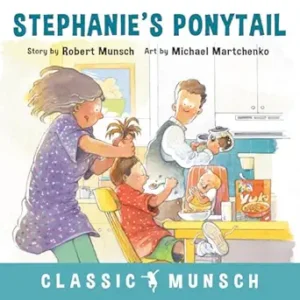
Playground dynamics can be incredibly tricky.
The line between being a trendsetter and being copied can feel frustrating to a young child trying to establish their own identity.
Stephanie just wants to wear her hair differently than the other kids. But the moment she does, the entire school mimics her.
Robert Munsch captures the absurdity of the “follow the leader” mentality with signature humor.
Stephanie’s determination to remain unique pushes her to increasingly ridiculous lengths.
It is a loud, funny, and deeply relatable exploration of peer pressure and the exhaustion of trying to outrun a crowd that refuses to think for itself.
What kids notice: Kids are captivated by the sheer silliness of the hair styles and the hilarious, exaggerated reactions of the students and teachers who loudly declare the styles “Ugly, ugly, very ugly!” before copying them the very next day.
Story snapshot: Stephanie asks her mom for a ponytail right out the back.
When the kids at school copy her, she moves it to the side, then the top, and eventually right out the front of her face, desperately trying to stay one step ahead of the copycats.
Why this book helps: Stephanie’s unwavering commitment to her own preferences, regardless of what the crowd thinks, models a fierce kind of autonomy.
It provides a highly entertaining way to talk about why we sometimes copy others and how it feels when someone copies us.
Most importantly, it encourages children to confidently embrace their own choices, even when those choices are wildly unpopular or, conversely, too popular for their own good.
The Story of Ferdinand by Munro Leaf
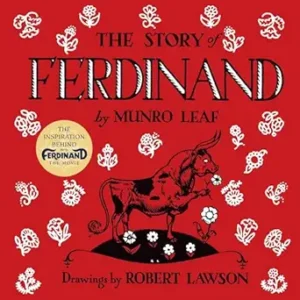
Sometimes, the strongest display of autonomy is simply refusing to participate in the chaos around you.
In a world that expects him to be fierce, loud, and aggressive, Ferdinand the bull just wants to sit quietly and smell the flowers. He is completely unbothered by the expectations placed upon him.
This gentle narrative has resonated for generations because it speaks to the introverted, peaceful child.
It validates the choice to step away from the noise. Ferdinand does not try to change the other bulls, nor does he judge them.
He just possesses a quiet, unshakable knowledge of who he is and what he likes.
What kids notice: Young readers are drawn to Ferdinand’s large size contrasting with his incredibly gentle nature, and they often giggle at the wild, head-butting antics of the other bulls who are trying so hard to be chosen.
Story snapshot: While all the other young bulls run, jump, and butt heads to prove how tough they are, Ferdinand prefers to sit quietly under his favorite cork tree.
When he is accidentally stung by a bee and mistaken for a fierce fighter, he is taken to the bullfights in Madrid, where he refuses to fight.
Why this book helps: Ferdinand offers a profound lesson in maintaining your own boundaries.
It teaches children that they do not have to conform to the energy level or the interests of the group.
If everyone else is playing a loud, aggressive game, it is entirely acceptable to sit quietly and observe. It builds the confidence to honor one’s own internal rhythm rather than feeling forced to perform for the crowd.
A Bad Case of Stripes by David Shannon
The desire to fit in can sometimes become so overwhelming that we lose ourselves completely.
Camilla Cream loves lima beans, but she refuses to eat them because all her friends hate them.
Her desperate need for approval manifests physically, turning her skin into a chaotic reflection of whatever anyone around her suggests.
David Shannon’s vivid, slightly surreal illustrations perfectly capture the internal panic of a child who is trying too hard to please everyone else.
Camilla’s journey is a striking visual metaphor for the loss of autonomy. It is a cautionary tale, delivered with wild colors and a lot of heart.
What kids notice: The incredible, ever-changing patterns on Camilla’s skin instantly grab their attention. They are fascinated by how she turns into a checkerboard, a pill, and even her own bedroom.
Story snapshot: Camilla Cream is so worried about what other people think of her that she breaks out in a severe case of the stripes.
Her condition worsens as she tries to accommodate every suggestion and cure offered by doctors, experts, and the media, until she finally admits what she truly wants.
Why this book helps: This story is a direct confrontation of peer pressure. It shows children the exhausting, impossible nature of trying to be everything to everyone.
The cure for Camilla’s bizarre condition is simply admitting her own preference.
This reinforces the idea that true health and happiness come from honoring your own voice. It gives parents a powerful reference point for conversations about why it is important to speak up for the things we genuinely like.
The Dot by Peter H. Reynolds
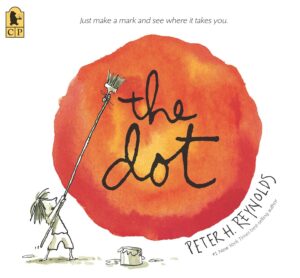
The phrase “I can’t” is the ultimate enemy of autonomy. It is a wall that children build to protect themselves from failure.
Vashti is convinced she cannot draw. She sits in art class with a blank piece of paper, stubbornly refusing to try.
But her teacher does not push or criticize; she simply asks Vashti to make a mark and see where it takes her.
This beautiful, minimalist story is about taking that crucial, terrifying first step. It is about the power of owning your actions, no matter how small.
Vashti’s journey from a frustrated, reluctant student to an expansive, confident artist is a testament to the magic that happens when a child finally believes in their own capacity.
What kids notice: Children focus on the growing scale of the dots. They watch Vashti move from a tiny, angry stab on the paper to painting massive canvases with brilliant, swirling colors.
Story snapshot: Frustrated in art class, Vashti jabs a single dot onto her paper. When her teacher frames it, Vashti decides she can do better, launching into an exploration of dot-making that unleashes her hidden creativity and allows her to eventually encourage another reluctant artist.
Why this book helps: This book directly tackles the fear of starting. It teaches children that they do not need to have everything perfectly planned out before they begin.
Making a choice, taking a single action, and signing your name to it is the foundation of independent thought. It encourages kids to trust the process and, more importantly, to trust themselves.
It shifts their mindset from waiting for instructions to confidently exploring their own potential.
Not A Box by Antoinette Portis
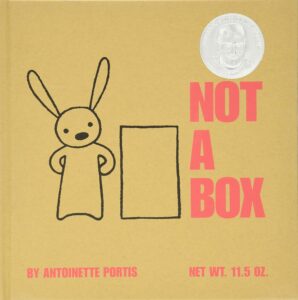
Adults often see the world exactly as it is. A box is just a cardboard container meant for recycling.
But for a child with a vibrant imagination, a box is a blank canvas. This deceptively simple book celebrates the fierce independence of childhood pretend play.
The bunny in this story repeatedly corrects the unseen adult interrogator. It is a delightful, persistent defense of imagination.
The bunny does not need expensive toys or elaborate setups. The bunny only needs an idea and the autonomy to bring that idea to life.
What kids notice: Kids love the alternating pages showing the plain brown box on one side, and the bright, line-drawn imaginative overlay on the next, revealing the box as a race car, a mountain, or a robot.
Story snapshot: An unseen voice keeps asking a little bunny why they are sitting in, standing on, or wearing a cardboard box.
Each time, the bunny firmly explains that it is, in fact, not a box, but a rocket ship, a burning building, or a pirate ship.
Why this book helps: It champions the child’s right to define their own world. It shows that you do not need permission to be creative.
For a child who might feel restricted by rules or the “proper” way to play with things, this book is a liberating reminder that their imagination belongs entirely to them. It encourages them to look beyond the obvious and confidently trust their own internal vision.
The Bad Seed by Jory John
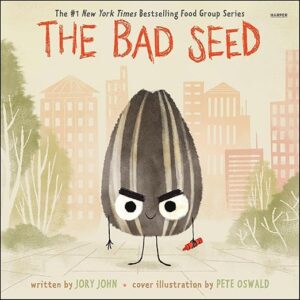
Sometimes, a child gets stuck in a narrative. They are told they are difficult, or they decide they are “bad,” and they lean into that identity.
The Bad Seed is very, very bad. He cuts in line, he stares at everybody, and he never washes his hands. He has accepted his reputation.
But the true power of autonomy is the ability to change your own mind. The Bad Seed eventually realizes that he does not have to be bad forever.
He makes a conscious, independent choice to try something different. He decides to be happy, even if it is hard, and even if he isn’t perfect at it.
What kids notice: Children find the Bad Seed’s awful behavior incredibly funny. They notice his grumpy expressions and the shocked reactions of the other seeds around him.
Story snapshot: A sunflower seed with a rough past acts out in terrible ways, living up to his title as a “bad seed.”
However, he eventually grows tired of being angry and isolated, and he makes a personal decision to start making better, kinder choices, taking it one day at a time.
Why this book helps: This story perfectly illustrates the concept of personal agency. It teaches children that their past behavior does not dictate their future choices.
They have the power to pivot. They are not locked into a specific role just because other people expect it of them. It is a brilliant, humorous way to discuss self-determination and the courage it takes to consciously decide who you want to be.
Spoon by Amy Krouse Rosenthal
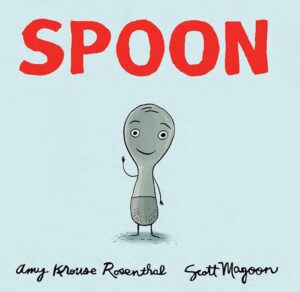
Comparison is a quick way to lose confidence.
Spoon is feeling down because he thinks his friends—Knife, Fork, and Chopsticks—have much more exciting lives.
They get to cut, pierce, and grab, while he just scoops. He feels entirely ordinary and wishes he could be someone else.
It takes a shift in perspective for Spoon to realize his own unique value.
He learns that the things that make him different are exactly the things that make him special. He stops wishing for someone else’s life and starts appreciating his own capabilities.
What kids notice: Kids enjoy the clever visual puns and the different personalities of the utensils. They like seeing how each piece of silverware is used in fun, exaggerated ways.
Story snapshot: Spoon is experiencing an identity crisis, jealous of the adventurous lives of Fork, Knife, and Chopsticks.
Little does he know, the other utensils are actually jealous of him for the cozy, comforting things only a spoon gets to do, like stirring tea and diving into a bowl of ice cream.
Why this book helps: Autonomy requires a strong sense of self-worth. If a child is constantly comparing themselves to their peers, they will struggle to think independently.
This sweet story helps children recognize and celebrate their own distinct talents. It shifts the focus away from what they cannot do and highlights what they uniquely can do.
It builds the quiet confidence necessary to stand firm in their own identity rather than trying to mimic someone else.
Put Your Child in the Heart of the Story
Reading about brave, independent characters is wonderful, but imagine the impact when your child sees themselves as the hero.
With Scrively, you can create 100% custom children’s books in minutes. You can craft a story where your child makes the bold choices, speaks their mind, and leads the way.
It is point-and-click simple to build unlimited books that perfectly address the exact social and emotional hurdles your child is facing right now. Empower their imagination by placing them directly in the center of the narrative.
Fostering autonomy is a daily practice. It happens in the quiet moments when you step back and let them figure out a puzzle. It happens when you validate their unusual outfit choice.
And it happens when you read stories that celebrate the beautifully independent mind. By sharing these books, you are helping them build the confidence to not just follow the leader, but to proudly walk their own path.