When Your Child’s Anger Explodes, These Books Help Them Find Calm
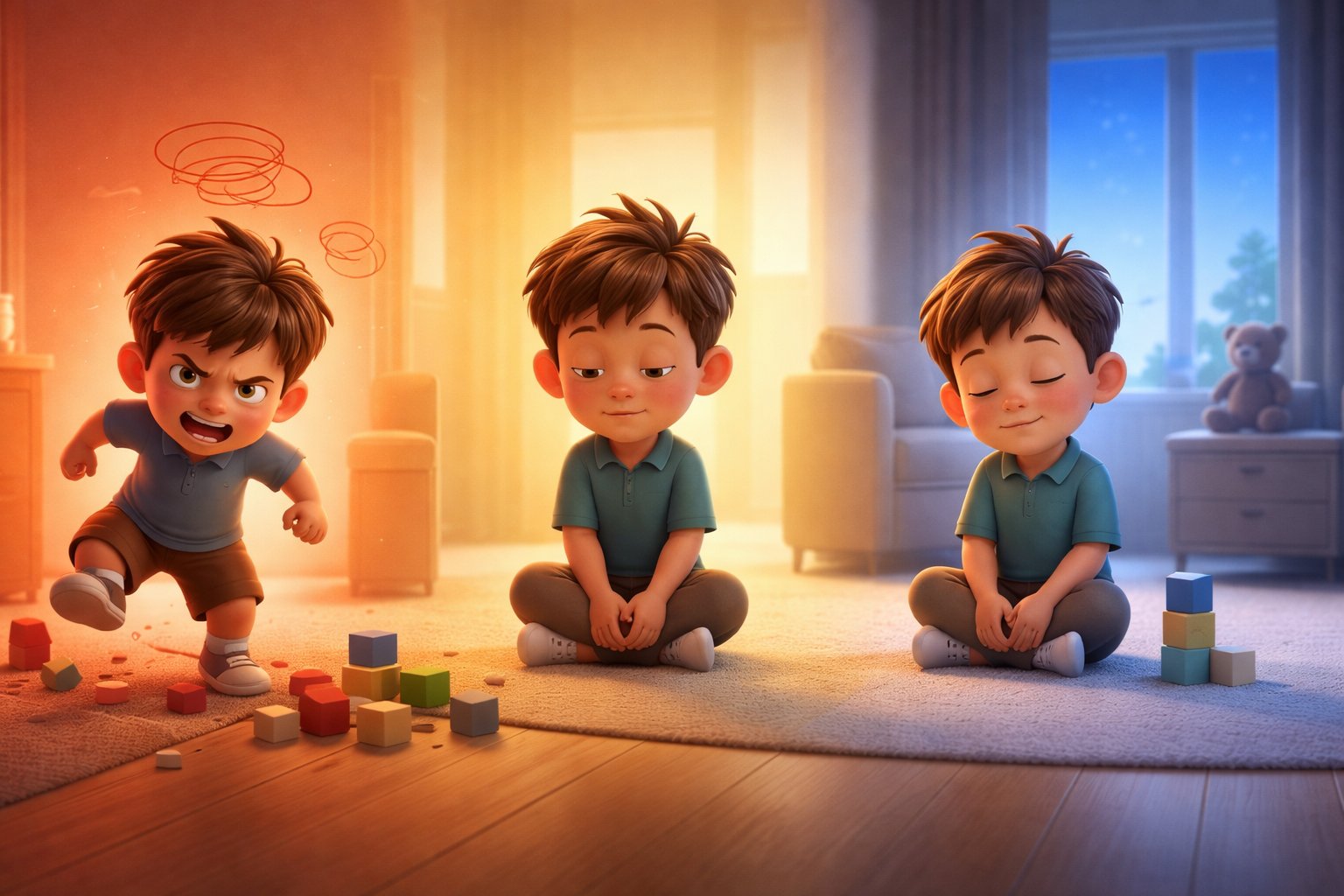
You know the moment. The block tower falls. The game ends too soon. A sibling says something sharp. And suddenly your child is shouting, stomping, or throwing the nearest toy across the room.
It happens fast. Faster than logic. Faster than you can say, “Take a breath.”
Anger shows up in young children like a summer storm. Loud. Sudden. Real. It can feel bigger than the room they’re standing in.
And underneath it is usually something tender — disappointment, embarrassment, fear, or just the shock of things not going the way they expected.
Anger isn’t a mistake. It’s a protective feeling. It tells a child something matters. The work isn’t to erase anger.
The work is to help children learn what to do when it arrives.
That’s a slow skill. It grows through repetition, through watching others, and through stories that let children see big feelings handled safely.
Books give kids a rehearsal space. They watch a character lose control, notice what happens next, and slowly imagine new choices for themselves.
These stories don’t rush children past anger. They sit with it. They show it soften. And in that space, something steady begins to grow.
Books That Help Kids Learn to Calm Down When Angry
When Sophie Gets Angry — Really, Really Angry… by Molly Bang
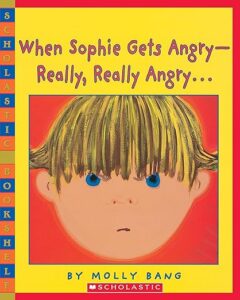
Sophie’s anger explodes after her sister takes her toy.
She kicks, screams, and runs outside, carried by the force of her feelings. The illustrations swell with color and motion, showing just how big anger can feel inside a small body.
But the story doesn’t rush Sophie toward apology or punishment. She sits with trees. She watches the sky.
Slowly, her breathing softens. Calm comes back quietly, without shame, and Sophie walks home ready to reconnect.
What kids notice in this story
Kids see that anger can be huge and still pass. They notice that being alone in a safe place helps feelings settle. They see Sophie return when she’s ready, not forced.
Anh’s Anger by Gail Silver
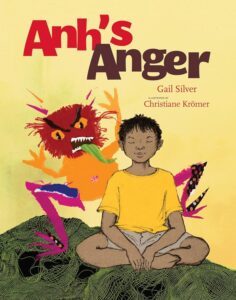
In this gentle story inspired by mindfulness practice, Anh’s anger shows up like a crying baby he must hold.
At first he wants to push it away. Instead, he learns to sit quietly and care for the feeling until it softens.
The pacing is slow and calm.
The language feels respectful. Anger is treated like something real but manageable — something you can be curious about instead of afraid of.
What kids notice in this story
Kids notice that feelings don’t have to be fought. They see a child sitting still and letting anger change.
They begin to imagine staying with their feelings instead of running from them.
Ravi’s Roar by Tom Percival
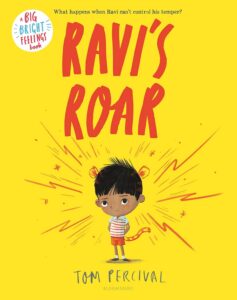
Ravi loses a race at school and suddenly turns into a roaring tiger. He growls, stomps, and scares his friends. His anger feels powerful and thrilling, but also lonely.
When Ravi notices the hurt around him, the roar fades. He finds gentler words and reconnects.
The story shows how anger can push people away — and how repair can begin once calm returns.
What kids notice in this story
Kids see how anger changes how others feel.
They notice Ravi finding his way back without being called “bad.” They understand that saying sorry is easier after calming down.
Sometimes I’m Bombaloo by Rachel Vail
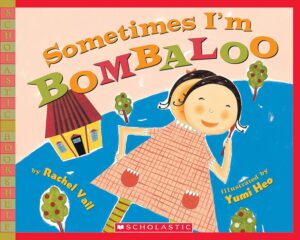
Katie describes turning into “Bombaloo” when she’s angry. She yells. She throws.
She loses control. Her family helps her slow down without scolding or panic, giving her space to come back to herself.
The story captures the confusion kids feel after an angry burst. Katie doesn’t like Bombaloo. She just doesn’t know how to stop her yet.
What kids notice in this story
Kids recognize themselves in Bombaloo. They see families helping without yelling back. They understand that anger can be loud and still loved.
Grumpy Monkey by Suzanne Lang
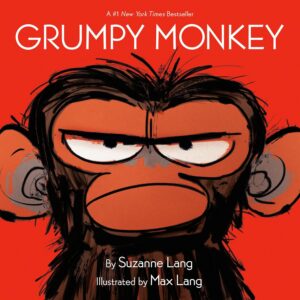
Jim Panzee insists he isn’t grumpy, even as his day keeps going wrong. His friends try to cheer him up.
Nothing works until Jim admits he feels awful — and that’s okay.
The story reminds children that feelings don’t need fixing right away. Sometimes noticing them honestly is the first step toward calm.
What kids notice in this story
Kids see that pretending you’re fine doesn’t help. They notice Jim relaxing once he names his feeling. They understand that bad moods pass without forcing them away.
The Way I Feel by Janan Cain
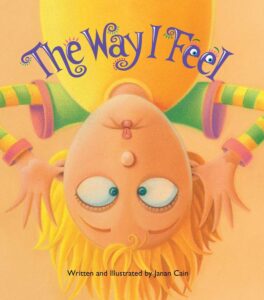
This bright book names many emotions, including anger, with simple language and expressive art.
It shows that feelings come and go, like weather changing across a day.
Instead of focusing only on anger, it places it inside a wider emotional world. Children see anger as one feeling among many, not the only thing they are.
What kids notice in this story
Kids see feelings change quickly. They notice everyone has them. They begin to recognize their own emotions without fear.
How to Be a Superhero Called Self-Control! by Lauren Brukner
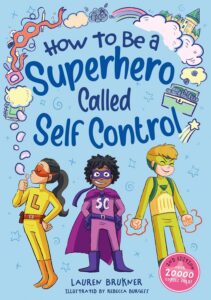
This playful story invites children to imagine themselves as superheroes learning calming skills. The tone stays light, focusing on noticing body signals and choosing small pauses.
It offers simple ideas through story and imagination rather than instructions. Children see that calming down can feel empowering, not like losing.
What kids notice in this story
Kids imagine themselves as capable. They notice heroes pause before acting. They begin to think of calm as strength.
I Was So Mad by Mercer Mayer
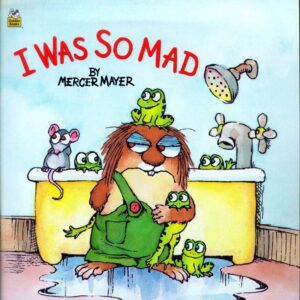
Little Critter is furious when things don’t go his way. He complains, stomps, and protests loudly.
The humor keeps the story gentle while showing how anger can spiral over small frustrations.
Eventually, the storm settles. The world looks ordinary again. The story reassures children that anger can be loud without lasting forever.
What kids notice in this story
Kids laugh at familiar moments. They see anger fade without punishment. They recognize their own feelings in Little Critter’s day.
Cool Down and Work Through Anger by Cheri J. Meiners
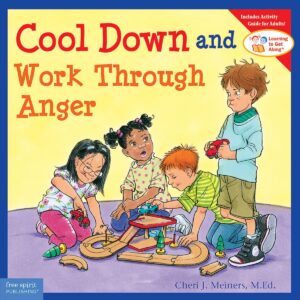
This classroom-friendly story follows children who feel angry and learn ways to pause, talk, and try again.
The tone stays warm and practical without sounding strict.
It shows children supporting each other, reminding them they aren’t alone when anger shows up.
What kids notice in this story
Kids see other children feeling the same way. They notice simple pauses helping. They understand calm is something you practice.
When You Read These Stories Together
You don’t need to turn these books into lessons. Just read them during quiet moments. Let the stories breathe. Children notice more than you think.
Over time, they start to remember Sophie walking in the woods. Ravi’s roar fading. Anh sitting quietly with his anger. These memories surface later, in the middle of a meltdown, like small lights in a dark room.
Anger doesn’t disappear overnight. It softens with practice. With safe adults. With stories that say, “This happens to everyone.”
A Small Way to Personalize the Practice
If your child connects deeply with stories, you might try creating one where they are the main character.
With Scrively, you can make personalized stories where children see themselves facing big feelings and finding calm in familiar, gentle ways. Sometimes seeing their own name inside a story makes the lesson feel real.
You’re not trying to stop anger. You’re helping a child learn what to do when it comes. That takes time. It takes safety. It takes rereading the same story for the tenth night in a row.
And one day, in the middle of a hard moment, you’ll hear a small voice pause. A breath. A quiet try again. That’s how the skill grows.