Best Books for Kids Who Get Frustrated Easily
You’ve seen the moment happen.
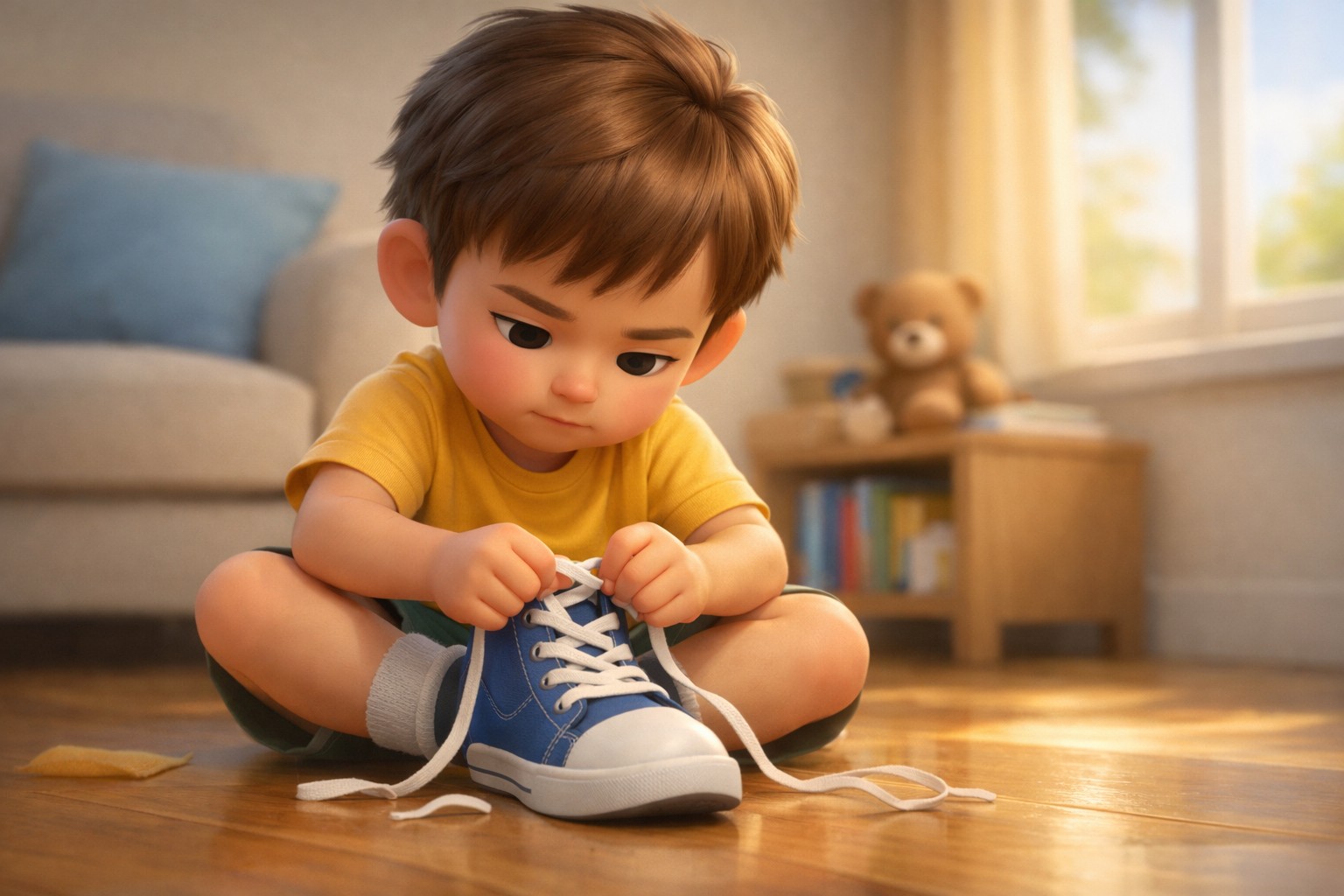
The shoe won’t tie. The tower keeps collapsing. The letters won’t form the way they’re “supposed to.” The game doesn’t go their way. And suddenly the air feels heavy.
Frustration can move through a child’s body fast. It can sound like “I can’t!” or look like pushing the paper away. Sometimes it’s loud and fiery. Sometimes it’s quiet and teary.
When it happens often, you might start to wonder if something’s wrong. If your child is too hard on themselves. Too sensitive. Too quick to give up.
But frustration isn’t failure. It’s usually a sign that something matters. That your child wants to do well. That they care about the outcome. That they’re stretching into something new.
Learning how to live inside that stretched space takes time. And stories help. Books give your child a safe place to watch other kids stumble, try again, rethink, pause, and grow — without pressure.
These stories meet frustration with warmth. They show persistence without perfection. They remind your child that getting stuck is part of learning, not the end of it.
The Most Magnificent Thing by Ashley Spires
A girl sets out to build something magnificent. She imagines it perfectly in her mind. But when she starts constructing, nothing matches her vision.
Her frustration builds with every failed attempt. She scowls. She fumes. She almost quits. The story doesn’t rush past her feelings. It lets you sit inside them.
What changes everything isn’t sudden success. It’s space. A break. A reset. When she returns, she sees what she made differently — and it turns out to be magnificent in its own way.
What kids notice in this story
You see that big feelings don’t last forever. You learn that stepping away can help your brain clear. You notice that something can be wonderful even if it isn’t perfect.
Beautiful Oops! by Barney Saltzberg
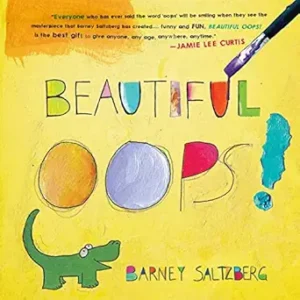
This interactive book turns mistakes into creative opportunities. A tear becomes an alligator. A smudge becomes something entirely new.
Instead of treating accidents as problems, the story treats them as beginnings. There’s no fixing required. Just curiosity.
The tone is playful and freeing. It quietly suggests that mistakes aren’t disasters — they’re invitations.
What kids notice in this story
You learn that accidents don’t ruin everything. You see that mistakes can change shape. You notice that creativity often starts where things go “wrong.”
The Magical Yet by Angela DiTerlizzi
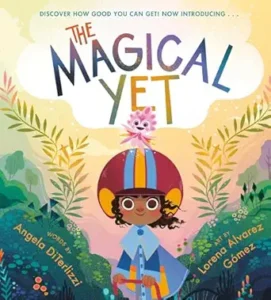
This rhythmic story introduces the idea of “yet” as a companion during hard moments. When something feels impossible, “yet” waits patiently.
Frustration shows up in new skills that haven’t formed yet — tying shoes, reading words, riding bikes. The story gently separates “not now” from “not ever.”
It feels hopeful without being demanding. Growth unfolds in its own time.
What kids notice in this story
You learn that not being able to do something today doesn’t mean you’ll never do it. You see that growth is a process. You notice that time helps.
Jabari Jumps by Gaia Cornwall
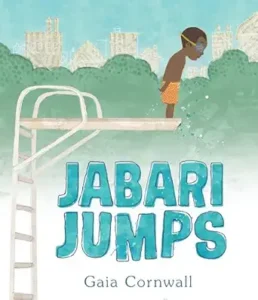
Jabari wants to jump off the diving board. He says he’s ready. But when the moment comes, he hesitates.
His frustration isn’t about ability. It’s about fear and embarrassment. He wants bravery to be instant. It isn’t.
The story honors pacing. Jabari climbs down. He breathes. He climbs back up when he’s ready.
What kids notice in this story
You see that courage can take more than one try. You learn that it’s okay to pause. You notice that support makes hard things softer.
The Thing Lou Couldn’t Do by Ashley Spires
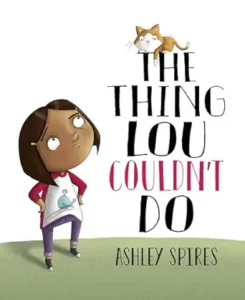
Lou wants to climb a tree with her friends. But she imagines falling. She imagines failing. She imagines being laughed at.
Her frustration happens quietly inside her thoughts. She decides not to climb — not because she can’t, but because she isn’t ready.
The story leaves room for “maybe later.” It doesn’t force triumph. It respects timing.
What kids notice in this story
You learn that not being ready is allowed. You see that courage grows slowly. You notice that trying doesn’t have to happen all at once.
Rosie Revere, Engineer by Andrea Beaty
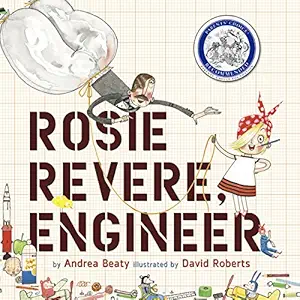
Rosie loves to invent. But when one of her creations fails in front of someone she admires, embarrassment washes over her.
Frustration tempts her to hide her ideas. She begins to believe failure means she isn’t good enough.
Through encouragement, she reframes failure as part of invention. The story treats mistakes as stepping stones rather than verdicts.
What kids notice in this story
You see that even smart inventors mess up. You learn that failure can mean you’re trying. You notice that ideas grow stronger through mistakes.
Giraffes Can’t Dance by Giles Andreae
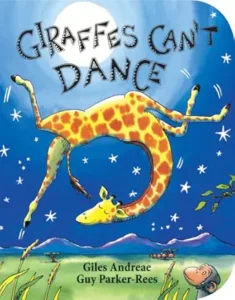
Gerald the giraffe wants to dance, but his long legs feel awkward. When others laugh, frustration turns into self-doubt.
He withdraws, believing he simply can’t do it. But when he finds his own rhythm, everything shifts.
The story emphasizes individuality over comparison. Success isn’t about matching others — it’s about finding your own pace.
What kids notice in this story
You see that comparing yourself hurts. You learn that everyone moves differently. You notice that your own rhythm matters.
When Sophie Thinks She Can’t… by Molly Bang
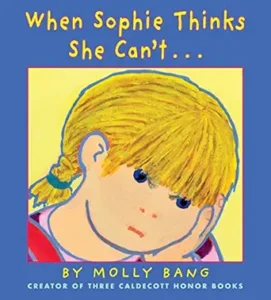
Sophie struggles with a school assignment. It feels too hard. She feels stuck.
Instead of pushing harder, she steps away. She sits under a tree. She lets her mind settle.
When she returns, the problem feels manageable. The story models regulation through space and reflection.
What kids notice in this story
You learn that breaks help your brain. You see that stepping away isn’t quitting. You notice that calm thinking comes back.
The Girl Who Thought in Pictures by Julia Finley Mosca
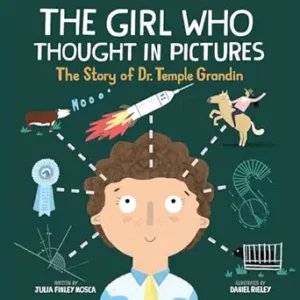
This biography of Temple Grandin shows a child who felt different and struggled socially and academically.
Frustration appears often. Tasks are confusing. School is hard. Fitting in feels impossible.
But the story emphasizes strengths emerging over time. Challenges don’t disappear — they evolve into gifts.
What kids notice in this story
You see that thinking differently isn’t wrong. You learn that hard things can lead to new ideas. You notice that your brain has its own strengths.
What Do You Do With a Chance? by Kobi Yamada
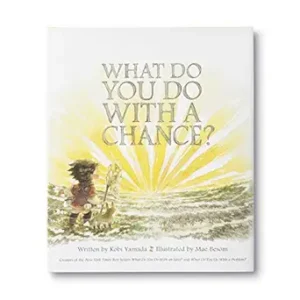
This reflective story explores the frustration of missed opportunities. The child in the story hesitates and watches chances drift away.
Regret builds quietly. The fear of doing it wrong keeps the child small.
Eventually, the child takes a leap. The story honors the risk without glorifying perfection.
What kids notice in this story
You learn that fear can block good things. You see that taking a chance feels brave. You notice that trying matters more than getting it right.
A Personalized Way to Practice
If you’d like another gentle way to explore frustration, a personalized story from Scrively can help your child see themselves navigating hard moments. When their own name appears in a story about trying, stumbling, and learning, growth feels closer. More relatable.
It’s not about doing everything perfectly. It’s about seeing yourself grow through mistakes.
Frustration Isn’t a Flaw
Your child doesn’t get frustrated because something is wrong with them.
They get frustrated because they care. Because they’re stretching. Because they want to master something new.
Resilience grows slowly. It forms through repeated experiences of trying again — with support nearby and stories that normalize the struggle.
Reread the books where characters stumble and steady themselves. Let those narratives sink in quietly.
Your child doesn’t need to be fearless. They don’t need to get it right the first time.
They just need to know that when things feel hard, you’re still there — and that hard moments can soften into growth.